
Ruby Tuesday Wage Class Action: What Restaurant Workers Can Learn
How the Ruby Tuesday wage and hour lawsuit highlights common pay violations affecting servers, bartenders and other restaurant staff.
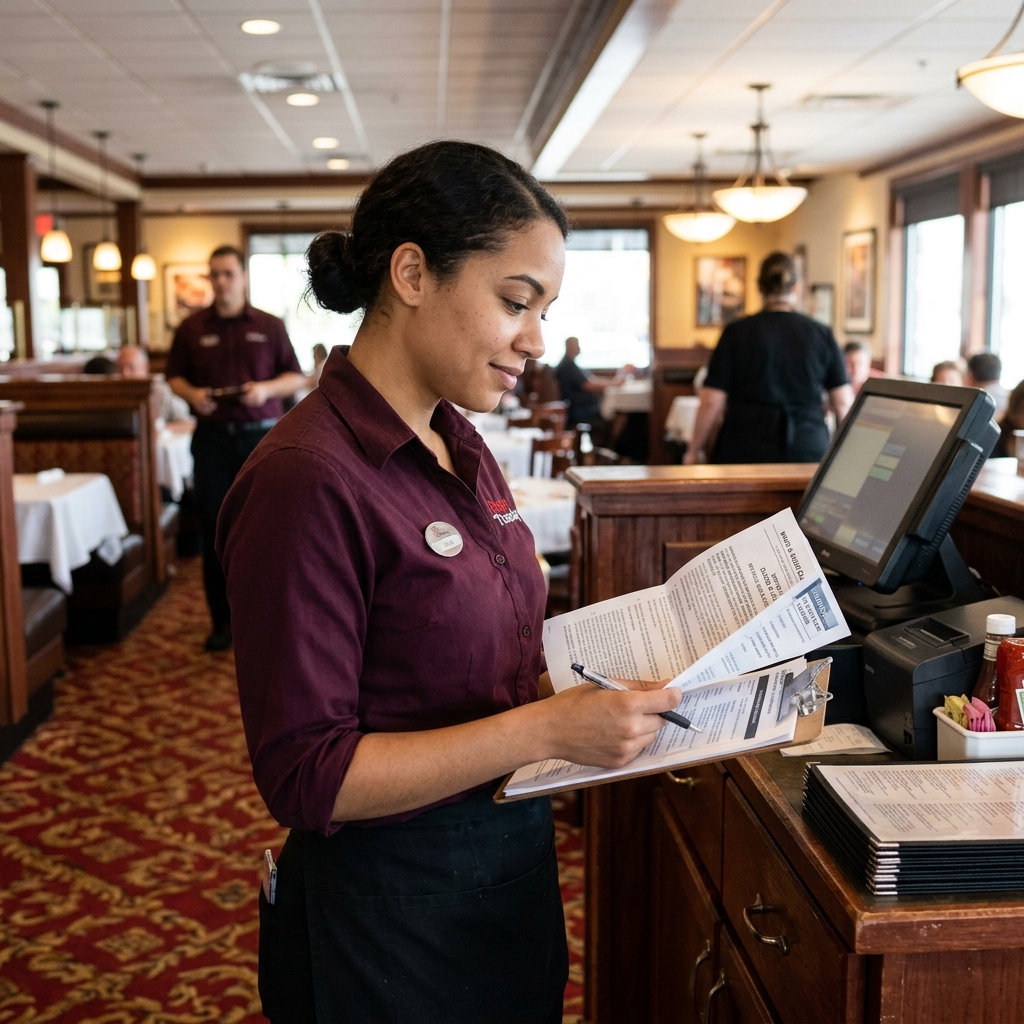
The wage and hour class actions involving Ruby Tuesday draw a detailed picture of how pay practices in large restaurant chains can clash with federal and state labor laws. Using these lawsuits as a case study, this article explains what went wrong, how the law views tipped workers and overtime, and what restaurant employees can do if they suspect similar violations.
Overview of the Ruby Tuesday Wage Disputes
Ruby Tuesday, a national casual dining chain, has faced multiple legal challenges over its treatment of servers, bartenders, and other hourly staff. Several lawsuits and settlements allege failures to pay for all hours worked, improper handling of tip credit rules, and denial of overtime compensation in violation of the Fair Labor Standards Act (FLSA) and state laws.
- Claims of off-the-clock work without pay for pre- and post-shift duties.
- Allegations that workers were not paid overtime when they worked more than 40 hours a week.
- Disputes over side work being paid at a lower tipped rate rather than full minimum wage.
- Concerns about tip deductions and distribution, particularly affecting bartenders.
Although each case has its own facts, taken together they show the range of wage issues that can arise in restaurants where much of the workforce relies on tips and variable schedules.
The Legal Framework: FLSA and Tipped Worker Rules
The FLSA is the primary federal law governing minimum wage, overtime and certain recordkeeping requirements for most workers in the United States. For restaurant employees, several aspects of the law are especially important:
- Minimum wage: Employers must pay at least the federal minimum wage for each hour worked, currently $7.25 per hour at the federal level.
- Overtime pay: Non-exempt employees must receive at least one and one-half times their regular rate of pay for hours worked beyond 40 in a workweek.
- Tip credit: Employers may count part of a worker’s tips toward the minimum wage, allowing a lower cash wage for tipped staff if strict conditions are met.
- Recordkeeping: Employers must keep accurate records of hours worked and wages paid.
The Ruby Tuesday cases center on whether the company respected these rules when assigning side work, managing timekeeping, and distributing tips.
Allegations of Off-the-Clock Work and Unpaid Hours
One recurring accusation in wage class actions is that employees are required to work off-the-clock, meaning they perform job duties before clocking in or after clocking out and receive no pay for that time. Workers in the Ruby Tuesday litigation claimed they had to prepare for customers and finish closing tasks outside the recorded work period, effectively donating labor.
Examples of off-the-clock work described in the claims include:
- Arriving early to set up dining areas before being allowed to clock in.
- Staying late to clean, restock, or complete closing procedures after being required to clock out.
- Performing additional tasks between customer flows without the time being recorded.
Under the FLSA, all hours that the employer knows or should know a worker is performing must be compensated, even if the employer has a rule against off-the-clock work. Failing to record and pay for those hours can lead to liability for unpaid wages, overtime, and liquidated damages.
Overtime Disputes: Working Beyond 40 Hours
In addition to unpaid regular hours, some Ruby Tuesday plaintiffs alleged that they were not properly paid overtime premium pay when their workweeks exceeded 40 hours. Overtime violations can occur in several ways:
- Not counting all hours, including off-the-clock work, toward the 40-hour threshold.
- Paying straight time instead of one and one-half the regular rate for overtime hours.
- Using an artificially low regular rate calculation by excluding certain compensation like shift differentials or non-discretionary bonuses.
In one federal case, workers sought unpaid overtime wages plus an equal amount in liquidated damages, arguing Ruby Tuesday had a policy of refusing to pay legally required overtime to assistant managers and similarly situated employees.
Tip Credit and Side Work: When Minimum Wage Rules Change
Most servers and bartenders at Ruby Tuesday were compensated under the FLSA’s tip credit provisions, meaning they received a lower cash wage, such as $2.13 per hour federally, with tips expected to raise their earnings to at least the minimum wage. Lawsuits alleged that Ruby Tuesday misapplied these rules by paying the tipped rate even when employees spent significant time on non-tipped side work.
Side work can include tasks such as:
- Rolling silverware and polishing glassware.
- Cutting lemons, refilling ice bins and stocking condiments.
- Cleansing and resetting dining areas between shifts.
Federal guidance and court decisions have increasingly focused on how much time tipped workers may spend on non-tip-producing duties while still being paid at the lower tipped wage. For example, regulatory interpretations have distinguished between incidental tasks related to tip-producing work and more substantial non-tipped duties that require full minimum wage pay.
| Type of Work | Typical Pay Practice | Potential Legal Expectation |
|---|---|---|
| Serving customers at tables | Tipped cash wage plus tips | Tip credit allowed if all conditions are met |
| Brief incidental side tasks (e.g., refilling napkins while serving) | Tipped cash wage | Generally permitted as part of tip-producing job |
| Extended non-tipped side work (e.g., hours of prep and cleaning) | Often tipped cash wage in practice | May require full minimum wage under federal and some state rules |
In Connecticut, one lawsuit alleged that Ruby Tuesday paid servers the lower server wage for all hours, including substantial side work, rather than the higher minimum wage required for non-service duties under state law. This shows how state minimum wage and tip rules can be more protective than federal law.
Tip Deductions and Bartender Complaints
Some claims against Ruby Tuesday also targeted how tips were handled, particularly for bartenders. Workers alleged that the company improperly deducted money from bartenders’ tips to cover perceived cash shortages in tip pools shared among bartenders, servers, and other staff.
Under federal law, employers generally cannot take tips belonging to employees, except under narrow circumstances such as valid tip pooling arrangements that comply with the FLSA. An unlawful tip deduction can:
- Reduce a worker’s total earnings below the minimum wage.
- Invalidate the employer’s use of the tip credit, potentially leading to liability for full minimum wage on all hours.
- Form the basis for claims seeking reimbursement of improperly taken tips and additional damages.
Tip disputes can become complex, especially when multiple roles share tips and cash handling procedures are tightly controlled by management. The Ruby Tuesday litigation underscores the importance of transparent, legally compliant tip policies.
Settlement Outcomes and Financial Consequences
At least one Ruby Tuesday case resulted in a multi-million dollar settlement. In an unpaid overtime class action, Ruby Tuesday agreed to pay around $3 million, including compensation to class members, attorneys’ fees, litigation expenses, and service payments to plaintiffs.
The breakdown reported in that settlement included approximately:
- About $1.67 million to class members, representing a large portion of estimated unpaid damages.
- Roughly $1 million in attorneys’ fees.
- Hundreds of thousands of dollars in litigation costs and service awards for lead plaintiffs.
Separate cases focusing on side work and tip credit issues have sought unpaid wages, overtime, liquidated damages, reimbursement of taken tips, and coverage of legal fees. These outcomes illustrate how wage violations can become costly for employers, especially when they affect large groups of workers over extended periods.
Implications for Restaurant Workers
The Ruby Tuesday disputes provide important lessons for restaurant employees across the industry. Workers who rely heavily on tips and variable schedules may be particularly vulnerable to wage violations. Key takeaways include:
- Track your hours: Keep your own record of when you start and finish work, including pre- and post-shift tasks.
- Understand tip credit rules: Know the minimum cash wage in your jurisdiction and when you should be paid full minimum wage for non-tipped duties.
- Monitor side work: If you spend significant time on tasks that do not directly generate tips, consider whether that time should be paid at a higher rate.
- Review tip policies: Pay attention to how tips are pooled or deducted and whether those practices align with legal requirements.
- Watch overtime: If your weekly hours exceed 40, verify that you are being paid the proper overtime premium.
Empowered with knowledge, restaurant workers are better positioned to identify potential violations and seek guidance when something seems wrong.
Considerations for Employers and Managers
For restaurant owners and managers, the Ruby Tuesday cases are a warning about the risks of informal practices that may conflict with wage laws. Common problem areas include allowing off-the-clock work, failing to adjust timekeeping for prep and closing tasks, over-relying on tip credit pay for substantial side work, and not adequately training staff on legal requirements.
Best practices for employers aiming to comply with wage and hour laws include:
- Implementing clear policies that strictly prohibit off-the-clock work.
- Ensuring employees can clock in before starting required tasks and clock out only after completing all duties.
- Reviewing side work assignments and paying full minimum wage when workers spend significant time on non-tipped duties.
- Maintaining accurate, transparent records of hours worked, tips received, and wages paid.
- Regularly consulting legal counsel or compliance experts on changing federal and state labor standards.
Taking these steps can reduce legal exposure and foster a more equitable workplace for staff.
Frequently Asked Questions (FAQs)
1. What is a wage and hour class action?
A wage and hour class action is a lawsuit in which a group of employees collectively claim that their employer violated labor laws, such as failing to pay minimum wage, denying overtime, or mishandling tips. In the Ruby Tuesday cases, multiple servers and bartenders joined together to challenge pay practices they believed violated the FLSA and state laws.
2. How does the tip credit work for restaurant employees?
The tip credit allows employers to pay tipped workers a lower direct cash wage, as long as tips bring their total earnings up to at least the minimum wage and certain conditions are met. Employers must inform workers of the tip credit, cannot take tips that would reduce pay below minimum wage, and must follow rules for tip pooling and side work.
3. When must side work be paid at full minimum wage?
While brief incidental side tasks may be paid at the tipped wage, longer or more substantial non-tipped duties often require payment at the full minimum wage under federal guidance and some state laws. In the Ruby Tuesday litigation, workers argued that they spent excessive time on side work while being paid only the lower tipped rate.
4. What should I do if I think I am working off-the-clock?
If you are required to perform tasks before clocking in or after clocking out, document your hours and raise the issue with your employer. If the problem persists or you fear retaliation, you may seek advice from an employment attorney or contact the U.S. Department of Labor’s Wage and Hour Division, which enforces the FLSA.
5. Why are settlements often large in wage and hour cases?
When wage violations affect many employees over time, the cumulative unpaid wages can be substantial. The FLSA also allows for liquidated damages equal to unpaid wages in many cases, and successful plaintiffs may recover attorneys’ fees and costs. As a result, settlements can reach millions of dollars for large employers.
References
- Ruby Tuesday will pay $3 million settlement in FLSA unpaid overtime class action lawsuit — Hepworth, Holzer & Leone. 2018-03-07. https://www.hop-law.com/ruby-tuesday-will-pay-3-million-settlement-in-flsa-unpaid-overtime-class-action-lawsuit/
- Ruby Tuesday Wage & Hour Class Action Lawsuit — Top Class Actions. 2016-04-01. https://topclassactions.com/lawsuit-settlements/employment-labor/ruby-tuesday-wage-a-hour-class-action-lawsuit/
- Thompson v. Ruby Tuesday, Inc. (Complaint) — U.S. District Court for the Middle District of Tennessee. 2017-02-06. https://www.classaction.org/media/thompson-v-ruby-tuesday.pdf
- Ruby Tuesday FLSA Wage Violation Case (Complaint) — U.S. District Court filing via Scribd. 2016-03-30. https://www.scribd.com/document/306541256/Ruby-Tuesday-lawsuit
- Ruby Tuesday Class Action Filed Over Side Work Pay — WageAdvocates. 2016-04-01. https://wageadvocates.com/ruby-tuesday-class-action-lawsuit/
- Ruby Tuesday sued in latest tipped worker case — Nation’s Restaurant News. 2016-03-31. https://www.nrn.com/restaurant-labor/ruby-tuesday-sued-in-latest-tipped-worker-case
- Ruby Tuesdays Inc Tip Credit Lawsuit — Hayber, McKenna & Dinsmore. 2016-05-01. https://www.hayberlawfirm.com/employee-rights/pending-class-actions/ruby-tuesdays-inc-tip-credit-lawsuit/
Similar Articles








Read full bio of Sneha Tete




