
Responsible E-Waste Disposal: Legal Methods
Discover compliant strategies for handling old electronics, from certified recycling to manufacturer programs and charitable contributions.
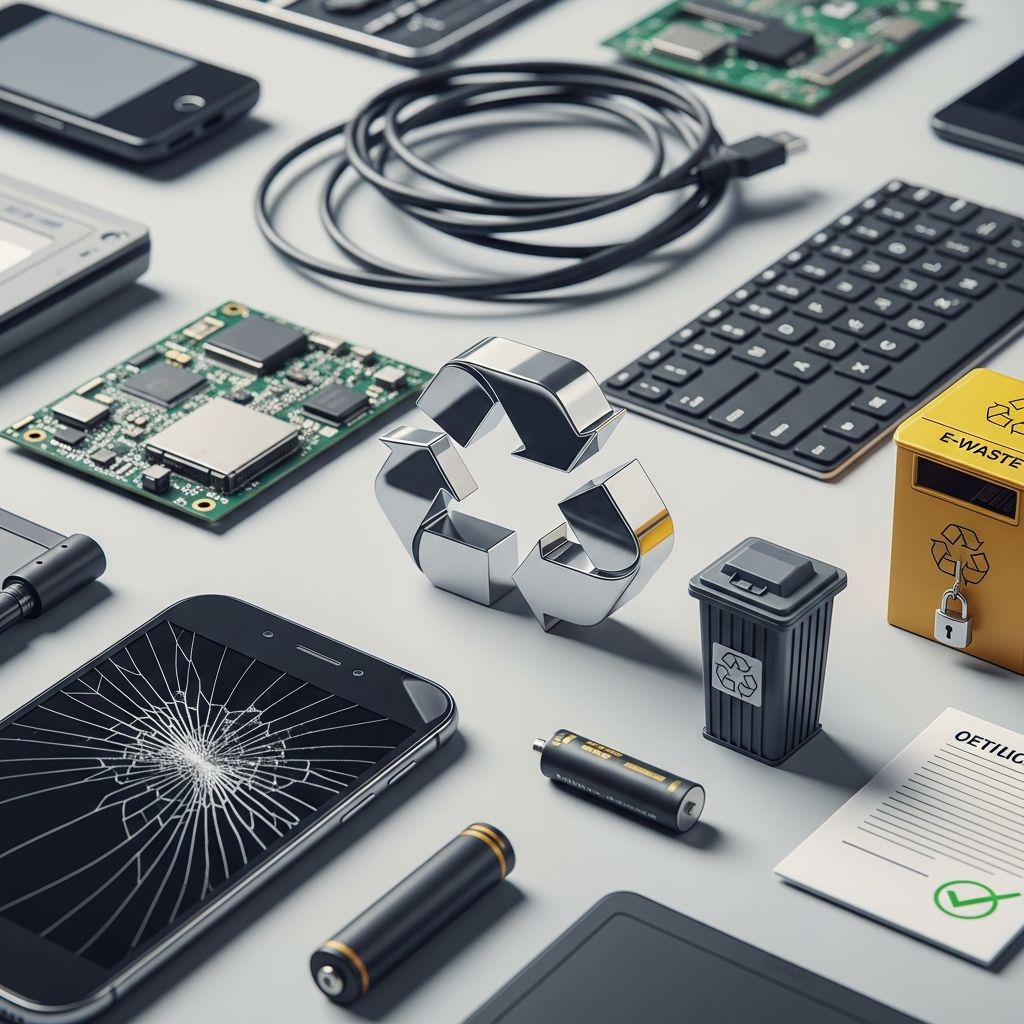
Discarding old electronics properly is essential in today’s digital age, where devices like smartphones, laptops, and TVs accumulate rapidly. Improper disposal can lead to environmental harm from toxic materials such as lead and mercury, while also risking data breaches if personal information remains on devices. This guide outlines compliant strategies to manage electronic waste (e-waste), drawing from established programs and regulations to ensure safety, legality, and sustainability.
Understanding E-Waste and Its Impacts
E-waste encompasses any discarded electrical or electronic device, from cell phones to refrigerators. In the U.S., millions of tons of e-waste are generated annually, much of which contains hazardous substances that leach into soil and water if landfilled. Federal and state guidelines, including those from the Environmental Protection Agency (EPA), emphasize recycling to recover valuable materials like copper and gold while preventing pollution. Recycling not only conserves resources but also complies with laws prohibiting certain hazardous wastes in landfills.
Before proceeding, always wipe devices clean. Use factory resets, secure erase tools, or professional services to eliminate personal data. Remove batteries separately, as lithium-ion types require special handling to avoid fires.
Method 1: Utilize Certified Recycling Centers
The most straightforward legal approach is dropping off devices at certified recyclers. These facilities adhere to strict standards, ensuring materials are processed responsibly without exporting to unsafe destinations. Organizations like Call2Recycle provide nationwide drop-off points for batteries and phones—simply enter your ZIP code on their site to locate one.
Other tools include Earth911’s database, which lists local options by product type and location, reachable at 800-CLEANUP for assistance. The Consumer Technology Association’s Recycle Locator and Sustainable Electronics Recycling International directory highlight EPA-certified sites, verifying environmental and data destruction protocols.
When selecting a recycler, ask key questions:
- Does the facility hold an EPA or state identification number?
- Is it certified for responsible handling?
- What insurance covers operations?
- Where do materials end up post-processing?
- How is data securely destroyed, e.g., via degaussing or shredding?
Many locations remain accessible post-COVID, but confirm hours and acceptance policies beforehand. This method is free for most small items and ideal for non-functional gadgets.
Method 2: Donate Functional Devices to Nonprofits
If your gadget works, donating extends its life cycle and supports communities. Charities refurbish and redistribute to schools, low-income families, or developing regions, reducing landfill waste. Obtain a receipt for tax deductions, potentially lowering your taxable income.
Local senior centers or recreation programs often accept devices. National options include:
- Dell Reconnect via Goodwill: Accepts computers, monitors, printers, and accessories of any brand at thousands of locations. Goodwill refurbishes usable items or recycles the rest.
- World Computer Exchange: Ships working tech to global communities, bridging the digital divide.
| Donation Program | Accepted Items | Locations | Tax Receipt |
|---|---|---|---|
| Dell Reconnect/Goodwill | PCs, peripherals, any brand | Nationwide Goodwill stores | Yes |
| World Computer Exchange | Computers, gadgets for global use | Mailing or drop-off | Yes |
| Local Charities | Working phones, tablets | Community centers | Usually |
Before donating, update software, erase data, and test functionality. Non-working items may still qualify for recycling through these partners.
Method 3: Leverage Manufacturer and Retailer Trade-In Programs
Tech companies incentivize returns with credits, making disposal rewarding. These programs handle logistics legally, often recycling non-qualifying items free.
- Apple GiveBack: Trade eligible devices for up to $1,530 in gift cards; recycles others at no cost.
- Amazon Trade-In: Accepts electronics for gift cards, including promotional credits toward new purchases.
- Best Buy Recycling: Free for many items like chargers, speakers, and small TVs (under 50″). Fees apply for larger TVs ($29.99/item, waived in some states with reimbursements). Haul-away services cost $49.99 with purchase or $199.99 standalone.
Office Depot/Staples offer $2 credits per printer cartridge (limits apply), while HP, Epson, and Canon run their own programs. Use the EPA’s program finder chart by brand or product for more.
Best Buy’s in-store list is extensive:
- Free: Laptops (5/day limit), tablets, ink cartridges, streaming devices.
- Fee: Monitors/TVs up to 50″ ($29.99, with state exceptions).
Data Protection Best Practices
Legal disposal mandates safeguarding privacy. Under laws like the FTC’s Disposal Rule, businesses must secure customer data, but individuals should too. Steps include:
- Back up essential files.
- Factory reset (iOS: Settings > General > Reset; Android: Settings > Backup & Reset).
- Use software like DBAN for hard drives or Apple’s Erase All Content.
- For SSDs, cryptographic erase via firmware.
Professionals at recyclers provide certified destruction certificates for compliance.
State-Specific Regulations and Incentives
E-waste laws vary. Florida urges recycling sans specific mandates but applies general hazardous waste rules, promoting recovery of metals and toxics. California bans certain e-waste from landfills; check state DEPs for rebates or free events. Always verify local rules to avoid fines.
Environmental and Economic Benefits
Recycling one million cell phones recovers 35,000 pounds of copper, 772 pounds of silver, and 75 pounds of gold—valued at over $24 million. It cuts mining impacts and energy use by 90% versus new production. Legally managed e-waste supports circular economies, creating jobs in refurbishing.
Frequently Asked Questions (FAQs)
Can I recycle broken electronics?
Yes, certified centers and retailers like Best Buy accept non-working items for responsible processing.
Is there a cost for recycling TVs?
Small TVs are often free; larger ones may incur $29.99 at Best Buy, reimbursed in some states.
How do I find local recycling options?
Use Earth911, Call2Recycle, or EPA tools with your ZIP code.
Are donations tax-deductible?
Yes, with receipts from qualified nonprofits like Goodwill.
What about batteries?
Recycle separately via Call2Recycle; never trash lithium-ion.
Conclusion: Start Today
Choosing certified paths for e-waste ensures legal compliance, data security, and planetary health. Whether recycling, donating, or trading, act promptly—search tools make it easy. Small actions aggregate to massive impact.
References
- How to Recycle Old Electronics — Consumer Reports. 2023-10-12. https://www.consumerreports.org/home-garden/recycling/how-to-recycle-electronics-a7432818850/
- The Best Ways to Recycle Your Old Electronic Devices — AARP. 2024-05-15. https://www.aarp.org/personal-technology/recycle-your-technology/
- Electronics, Appliances and E-Waste Recycling at Best Buy — Best Buy. 2026-03-01. https://www.bestbuy.com/site/services/recycling/pcmcat149900050025.c?id=pcmcat149900050025
- Electronics Waste — Florida Department of Environmental Protection. 2025-08-20. https://floridadep.gov/waste/permitting-compliance-assistance/content/electronics-waste
- Electronics Donation and Recycling — US EPA. 2026-01-10. https://www.epa.gov/recycle/electronics-donation-and-recycling
Similar Articles








Read full bio of Sneha Tete




