
Protecting Your Home From Foreclosure Scams
Learn the warning signs of foreclosure scams, common tactics used by fraudsters, and practical steps to protect your home and report abuse.
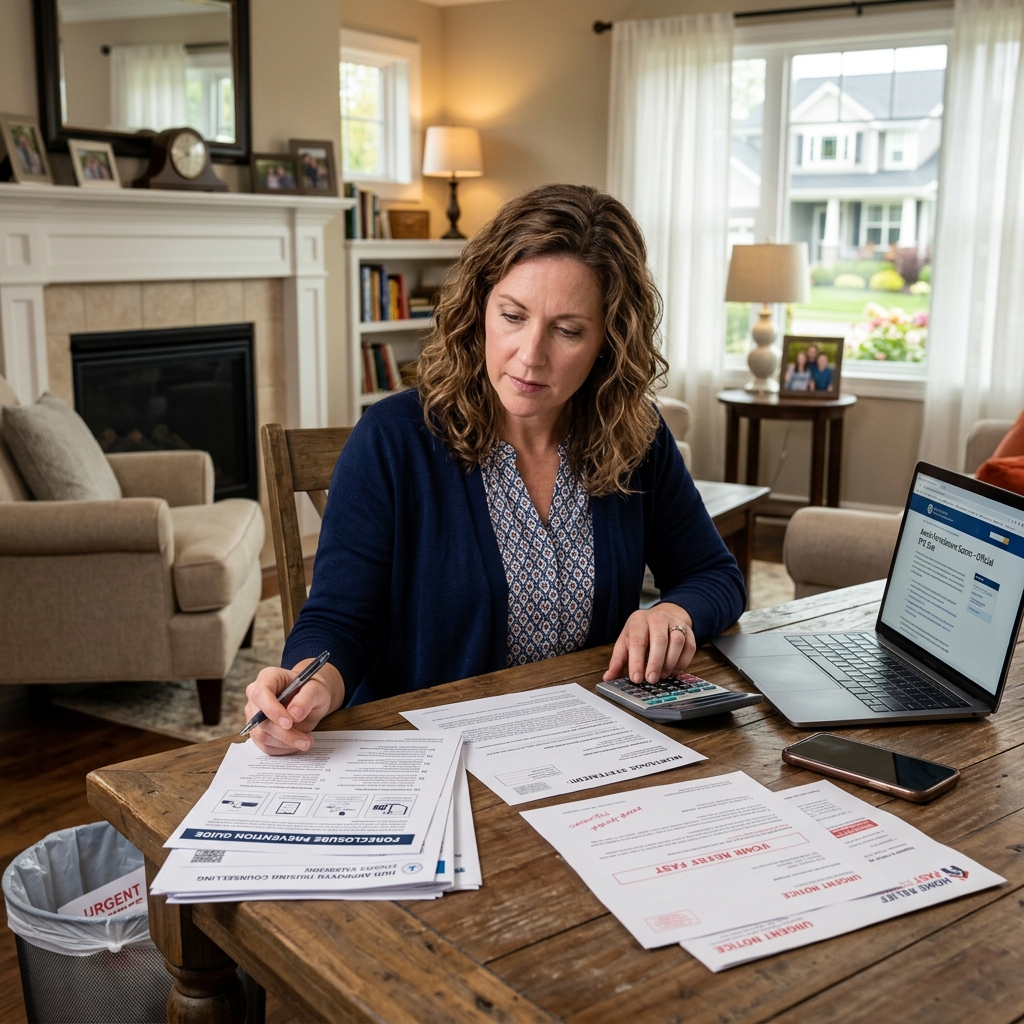
Homeowners who fall behind on mortgage payments are often stressed, overwhelmed, and fearful about losing their home. That fear is precisely what foreclosure scammers exploit. They promise quick fixes and guaranteed results, but in reality, many of these schemes can leave you deeper in debt—or without a home at all.
This guide explains how foreclosure scams work, the most common red flags, and the steps you can take to protect yourself. It also points you toward reputable sources of help and shows you how to report suspected fraud.
What Is a Foreclosure Scam?
A foreclosure scam is any deceptive practice targeting homeowners who are at risk of foreclosure, usually by offering bogus mortgage assistance, loan modification, or “rescue” services in exchange for fees or control of the property.
These schemes often involve:
- False promises to stop foreclosure or reduce payments.
- Pressure to sign documents transferring ownership or control of the home.
- Demands for upfront fees before any work is performed, often illegal under state and federal law.
- Instructions to stop communicating with your mortgage servicer or to stop making payments.
While the details vary, the goal is almost always the same: to take your money, your equity, or your title while offering little or no genuine help.
Why Struggling Homeowners Are Targeted
Foreclosure scammers carefully target people who are financially and emotionally vulnerable. Once a foreclosure notice or default is filed, it often becomes part of public records, making it easy for fraudsters to identify homeowners in trouble.
Common reasons homeowners become targets include:
- Recent job loss or reduced income.
- Medical bills or other unexpected expenses.
- Adjustable-rate mortgages that reset to higher payments.
- Language barriers or lack of familiarity with the legal process.
- Fear of contacting the lender or navigating complex paperwork.
Scammers take advantage of this stress by presenting themselves as friendly experts or even as government-linked organizations, using official-looking logos and names to gain trust.
Typical Foreclosure Scam Tactics
While every scammer has a slightly different pitch, most foreclosure scams fall into several common patterns. Knowing these patterns makes it easier to recognize danger early.
1. Upfront-Fee “Rescue” or Modification Services
In this scheme, a company or individual offers to negotiate with your lender, obtain a loan modification, or otherwise “save” your home—but only if you pay a large fee in advance.
- They may claim special connections to lenders or government programs.
- They often advertise money-back guarantees or success rates that sound too good to be true.
- They might instruct you to send your mortgage payments to them instead of directly to your servicer.
Under many federal and state rules, charging fees upfront for mortgage modification assistance is prohibited. Legitimate assistance programs typically do not collect payment until a real, acceptable offer from your lender is in place.
2. Deed Theft and “Rent-to-Buy-Back” Schemes
Some scammers convince homeowners to sign documents that transfer title to the property, often disguised as temporary arrangements. The homeowner is told they can stay as a renter and buy the home back later.
Warning signs include:
- Pressure to sign over your deed or title.
- Confusing paperwork presented as a routine refinancing or rescue plan.
- Promises that you can simply “rent now and repurchase later” once your finances improve.
In many cases, the homeowner ends up with no legal right to the property, and the scammer either sells it or evicts the former owner.
3. “Stop Paying Your Lender” Advice
Another common tactic is telling homeowners to stop making mortgage payments or to stop responding to messages from their servicer.
Scammers might say:
- They need you to default more severely to qualify for a special program.
- They will handle all communication with the lender on your behalf.
- Any contact with the lender will “undo” their work.
In reality, missing payments and ignoring your servicer usually worsens your situation, hurts your credit, and limits legitimate options for resolving your mortgage problems.
4. Fake Government or Official-Looking Offers
Some foreclosure scams use fake government seals, agency names, or official-looking letters and emails to create the illusion of authority.
- Mail or email with logos resembling federal or state agencies.
- Names designed to sound like real programs or departments.
- Demands for payment or personal financial information in exchange for help.
Real government agencies will not charge you to apply for foreclosure relief or mortgage assistance.
Key Warning Signs of Foreclosure Relief Scams
Several red flags appear repeatedly in fraudulent foreclosure “rescue” offers. If you encounter any of the following, proceed with extreme caution or walk away.
- Requests for upfront fees before any work is completed.
- Guarantees to stop foreclosure or secure a loan modification.
- Instructions to stop paying your mortgage or to send payments to someone other than your servicer.
- Pressure to sign documents you do not fully understand, especially deeds or powers of attorney.
- High-pressure sales tactics, deadlines, or “act now” demands.
- Claims of special relationships with lenders or government agencies.
- Requests for sensitive financial data (like bank logins) unrelated to a formal application.
Comparing Legitimate Help vs. Scams
Understanding the differences between real assistance and fraudulent schemes helps you quickly evaluate any offer.
| Feature | Legitimate Assistance | Foreclosure Scam |
|---|---|---|
| Fees | May be low-cost or free; no upfront fees for mortgage relief as required by law in many cases. | Demands large upfront payments before any work is performed. |
| Communication with Servicer | Encourages you to stay in contact with your lender or servicer. | Tells you to cut off contact with your lender. |
| Promises | Offers no guarantees and explains that results depend on lender approval and your financial situation. | Guarantees outcomes such as stopping foreclosure or reducing payments for everyone. |
| Ownership of Home | Does not ask you to transfer title or deed. | Pushes you to sign over deed or participate in rent-to-own “rescue” plans. |
| Affiliation Claims | Can be verified through official government or HUD websites. | Uses vague or misleading references to government programs or special lender relationships. |
Safe Steps If You Are Behind on Your Mortgage
If you are struggling to make payments, taking prompt, informed action is crucial. The following steps are widely recommended by consumer protection agencies and housing counselors.
- Contact your lender or servicer immediately. Explain your situation and ask about options such as repayment plans, loan modifications, or temporary forbearance.
- Respond to all letters and notices. Ignoring mail from your servicer can speed up foreclosure and eliminate possible solutions.
- Consult a qualified attorney. A lawyer familiar with foreclosure law can review any documents before you sign and help you understand your rights.
- Seek help from a HUD-approved housing counseling agency. These counselors can provide free or low-cost advice and help you work with your lender.
- Keep all agreements in writing. Avoid relying on verbal promises from anyone claiming to help you.
Trusted Sources of Legitimate Assistance
Several reputable public agencies and nonprofit organizations provide guidance and, in many cases, direct assistance to homeowners facing foreclosure.
U.S. Department of Housing and Urban Development (HUD)
HUD maintains a database of approved housing counseling agencies that can assist with foreclosure avoidance, budgeting, and communication with lenders. You can contact HUD by phone to obtain a referral to a counselor near you.
Consumer Financial Protection Bureau (CFPB)
The CFPB provides consumer tools and detailed guidance on how to spot and avoid mortgage assistance and foreclosure relief scams. It also accepts complaints from consumers who believe they have been misled or harmed.
Federal Trade Commission (FTC)
The FTC is the primary federal consumer protection agency. It investigates and takes enforcement actions against companies engaged in foreclosure rescue scams and loan modification fraud. If you suspect a scam, filing a complaint with the FTC helps authorities track patterns and stop abusive practices.
What to Do If You Suspect You Are a Victim
Acting quickly can reduce the damage and improve your chances of protecting your home. If you believe you have encountered a foreclosure scam or have already paid money or signed documents, consider the following steps.
- Stop further payments immediately. Do not send any more money to the company or individual involved.
- Contact your mortgage servicer. Inform them of what happened and clarify the real status of your loan.
- Seek legal advice. An attorney can help you determine whether you can undo fraudulent transfers or recover losses.
- Gather all paperwork. Collect contracts, receipts, emails, and marketing materials related to the scam.
- File complaints with federal and state agencies. Consider submitting complaints to the CFPB, FTC, and your state attorney general.
Practical Tips to Protect Yourself
In addition to recognizing red flags, adopting a few simple habits can greatly reduce your risk.
- Never sign documents under pressure. Take the time to read and understand every page; ask questions if anything is unclear.
- Avoid unsolicited offers. Be wary of rescue services that contact you first by mail, phone, or in person.
- Verify credentials. Check whether a counselor or organization is HUD-approved or listed by a relevant government agency.
- Keep control of your payments. Continue making mortgage payments directly to your servicer unless you have written confirmation of a different arrangement from the lender itself.
- Maintain records. Store copies of all communications with your lender and any third party offering assistance.
FAQs About Foreclosure Scams
- 1. Are all companies that offer foreclosure help scams?
- No. Some nonprofit organizations, legal aid groups, and HUD-approved counseling agencies provide legitimate assistance. The main warning signs of scams are upfront fees, guaranteed results, and pressure to stop contacting your lender or to sign over your deed.
- 2. Can a third party guarantee a loan modification?
- No legitimate organization can guarantee that your lender will modify your loan. Only your mortgage servicer has the authority to approve changes to your loan terms.
- 3. Is it ever safe to pay for mortgage relief services?
- In many cases, charging fees in advance of a mortgage modification is illegal. Reputable providers usually charge only after successfully negotiating a solution you agree to. Free help is often available through HUD-approved counselors and nonprofit agencies.
- 4. What should I do before signing any foreclosure-related document?
- Read every page carefully, ask for clarification, and consider having an attorney review the document. Never sign paperwork that you do not fully understand, especially if it involves your deed or title.
- 5. How do I know if an organization is connected to the government?
- Do not rely solely on logos or names. Instead, check the organization’s details on official government websites or call the agency directly to confirm any claimed affiliation.
References
- Foreclosure Rescue Scams — California Department of Justice. 2023-05-01. https://oag.ca.gov/consumers/general/foreclosure_scams
- How to spot and avoid foreclosure relief scams — Consumer Financial Protection Bureau. 2023-08-02. https://www.consumerfinance.gov/consumer-tools/mortgages/how-to-spot-and-avoid-foreclosure-relief-scams/
- Beware of Foreclosure Scams — U.S. Department of the Treasury. 2022-11-15. https://home.treasury.gov/data/troubled-assets-relief-program/housing/beware-of-scams
- Foreclosure-related scams — Mass.gov. 2022-09-30. https://www.mass.gov/info-details/foreclosure-related-scams
- What You Need to Know About Foreclosure “Rescue” Scams — Legal Aid NYC. 2021-06-10. https://legalaidnyc.org/get-help/housing-problems/what-you-need-to-know-about-foreclosure-rescue-scams/
- Foreclosure Rescue Scams & Loan Modification Fraud — Financial Crimes Enforcement Network (FinCEN). 2012-02-24. https://www.fincen.gov/foreclosure-rescue-scams-loan-modification-fraud
- Foreclosure Rescue Scams — Westchester County Consumer Protection. 2020-03-18. https://consumer.westchestercountyny.gov/foreclosure-rescue-scams
Similar Articles








Read full bio of Sneha Tete




