
Mastering Personal Injury Demand Letters
Expert strategies to craft a compelling demand letter that maximizes your personal injury settlement and accelerates fair compensation.
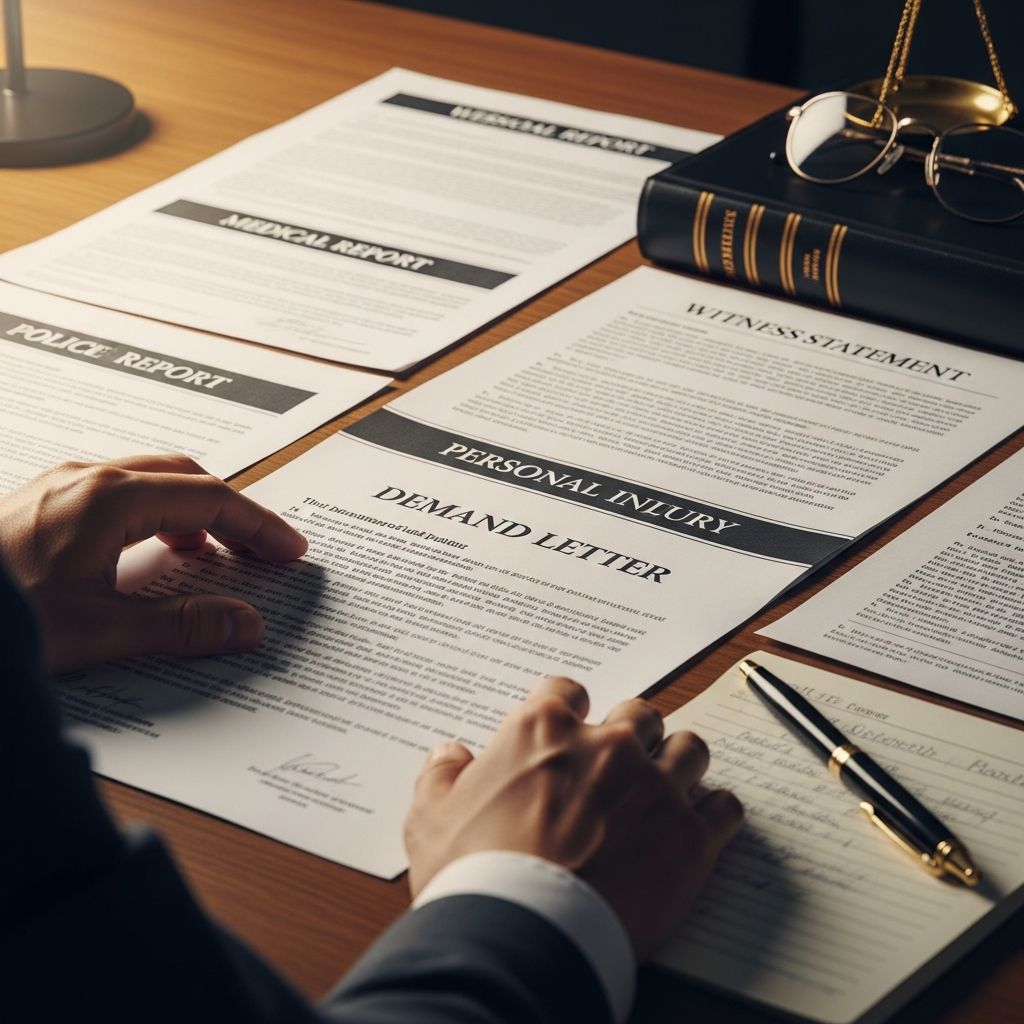
A personal injury demand letter serves as a critical first formal step in negotiating a settlement after an accident. It communicates your claim to the at-fault party’s insurance company, outlining the incident, your injuries, and the compensation you seek. When written effectively, it can lead to a swift and favorable resolution without the need for litigation.
Understanding the Role of a Demand Letter in Injury Claims
In personal injury cases, the demand letter acts as your opening salvo in settlement talks. Insurance adjusters review it to assess liability, damages, and the strength of your position. A well-crafted letter not only demands payment but also builds a persuasive narrative that pressures the insurer to settle reasonably.
Unlike a complaint filed in court, this document is non-binding but sets the tone for negotiations. It allows you to present evidence comprehensively before any lawsuit, potentially saving time and legal fees. Successful letters often result in offers within weeks, especially when backed by solid documentation.
Preparing Before You Write: Essential Research and Organization
Before drafting, compile all relevant materials. Gather police reports, medical records, photographs, witness statements, and bills. Review your case for strengths and weaknesses, such as pre-existing conditions or gaps in treatment, to address them proactively.
- Review medical history: Document all diagnoses, treatments, and prognoses from healthcare providers.
- Calculate economic losses: Tally medical bills, lost wages, and future care costs using pay stubs and expert estimates.
- Assess non-economic damages: Note impacts on daily life, like pain, emotional distress, or reduced mobility.
- Identify liability evidence: Collect proof showing the defendant’s negligence, such as traffic camera footage or expert analyses.
This preparation ensures your letter is factual and authoritative, reducing the insurer’s ability to lowball your claim.
Crafting a Compelling Introduction
Begin with a clear, professional header including your contact information, the date, and the recipient’s details. Reference the claim specifics, like ‘Re: Personal Injury Claim from [Incident Date].’
The opening paragraph should state the letter’s purpose directly: ‘This letter demands compensation for injuries sustained due to your insured’s negligence on [date] at [location].’ Identify all parties and summarize the primary injuries to hook the reader immediately.
A strong intro establishes authority and urgency, signaling that you’re organized and serious about pursuing your rights.
Detailing the Incident: Building a Clear Narrative
Provide a chronological, factual account of events without speculation. Include date, time, location, weather conditions, and sequence of actions leading to the injury.
Highlight the defendant’s role: ‘Your insured failed to yield at the intersection, striking my vehicle and causing severe whiplash and fractures.’ Make it vivid yet concise to differentiate your case from routine claims.
| Element | Purpose | Example |
|---|---|---|
| Date/Time/Location | Sets context | July 15, 2025, 2 PM, Main St. & Oak Ave. |
| Your Actions | Shows compliance | I had the green light and right-of-way. |
| Defendant’s Fault | Establishes liability | Defendant ran red light at 45 mph. |
| Immediate Aftermath | Links to injuries | Airbags deployed; I was hospitalized. |
Use this structure to make your story memorable and liability evident.
Explaining Liability: Proving Fault with Evidence
Explicitly connect the defendant’s negligence to your harm. Reference traffic laws, safety standards, or premises liability principles violated.
Support with evidence: ‘As per the police report (attached), your insured was cited for reckless driving. Witness statements confirm they were distracted by a phone.’
Avoid emotional accusations; stick to facts and legal standards to build a credible case for full responsibility.
Documenting Injuries and Medical Treatment
Detail each injury, treatment received, and ongoing effects. Use medical terminology accurately but explain implications: ‘The lumbar herniation required spinal fusion surgery, followed by six months of physical therapy, resulting in permanent 20% range-of-motion loss.’
- List diagnoses with doctor notes.
- Outline treatment timeline and costs.
- Describe long-term prognosis and future needs.
Attach summaries or records to substantiate claims, emphasizing how injuries disrupt your life.
Calculating and Presenting Damages
Break down damages into categories for transparency. Economic damages include quantifiable losses; non-economic cover intangible harms.
| Damage Type | Examples | Estimated Value |
|---|---|---|
| Economic | Medical bills, lost income, property repair | $50,000 |
| Non-Economic | Pain/suffering, emotional distress, life alteration | $100,000 |
| Future | Ongoing therapy, lost earning capacity | $75,000 |
| Total Demand | All categories | $225,000 |
Justify amounts with comparables or multipliers (e.g., 3-5x medicals for moderate injuries). Be specific to avoid negotiation discounts.
Stating Your Demand and Response Deadline
Clearly propose a settlement figure: ‘We demand $225,000 to resolve this matter fully.’ Explain the rationale and note it’s negotiable but firm.
Set a deadline: ‘Please respond within 30 days. Absent a satisfactory offer, we will pursue litigation, including filing suit and seeking trial.’
This creates urgency without aggression, prompting action.
Maintaining Professional Tone and Polish
Use formal language: Avoid slang, contractions, or anger. Phrases like ‘Due to your insured’s clear negligence…’ maintain objectivity.
Proofread meticulously for errors, which undermine credibility. Have a trusted advisor review for clarity and impact.
Common Mistakes to Avoid in Demand Letters
- Vague demands: Always specify amounts and categories.
- Overly emotional content: Stick to facts to appear rational.
- Missing attachments: Reference and include all evidence.
- No deadline: Without one, insurers delay indefinitely.
- Underestimating damages: Lowballing invites low offers.
When to Consult a Personal Injury Attorney
While you can draft solo for minor claims, complex cases benefit from attorney expertise. Lawyers ensure legal accuracy, maximize values, and handle responses. Many work on contingency, risking nothing upfront.
If injuries are severe or liability disputed, professional help boosts settlement odds significantly.
Frequently Asked Questions (FAQs)
What should be in a personal injury demand letter?
A strong letter includes incident details, liability proof, injury documentation, damage calculations, a specific demand, and a response deadline.
How much should I demand in my letter?
Base it on economic losses plus 1.5-5x for pain, adjusted for case strength. Research similar settlements for benchmarks.
Can I send the letter myself?
Yes, for straightforward claims, but attorneys often secure 3-4x higher amounts due to expertise.
What if they reject my demand?
Negotiate or proceed to lawsuit. A rejection doesn’t end your claim; it starts formal proceedings.
How long after injury should I send it?
After maximum medical improvement, typically 6-12 months, when damages are clear.
Sample Demand Letter Outline
Here’s a streamlined template:
- Your contact info and date.
- Recipient’s info and claim reference.
- Introduction and purpose.
- Incident narrative.
- Liability explanation.
- Injuries and treatment.
- Damages breakdown.
- Settlement demand and deadline.
- Closing: ‘Sincerely, [Your Name].’
Customize with your facts for maximum effect.
Mastering these elements empowers you to negotiate confidently. A strategic demand letter often resolves claims efficiently, restoring your financial stability post-injury.
References
- Personal Injury Demand Letter Sample + Strategies — Mighty. 2023-05-15. https://www.mighty.com/blog/personal-injury-demand-letter-sample
- Strategies and Tips for Writing a Personal Injury Demand Letter — Clio. 2024-02-20. https://www.clio.com/blog/personal-injury-demand-letter/
- Writing a Personal Injury Demand Letter for Max Settlements — EvenUp Law. 2024-08-10. https://www.evenuplaw.com/guides/how-to-write-personal-injury-demand-letters/
- Your Guide to Demand Letters and Personal Injury Claims — SMS Trial. 2023-11-05. https://smstrial.com/your-guide-to-demand-letters-and-personal-injury-claims-what-they-are-why-they-are-important-and-how-to-write-one/
- Personal Injury Demand Letter: 7 Essential Tips — Kohan & Bablove. 2024-03-12. https://www.dkblawyers.com/orange-county-personal-injury/what-to-include-in-personal-injury-demand-letter/
- Personal Injury Demand Letter Basics — Nolo. 2023-09-18. https://www.nolo.com/legal-encyclopedia/demand-letter-settle-dispute-30105.html
Similar Articles








Read full bio of Sneha Tete




