
Leaving An Abusive Relationship: Your Step-By-Step Safety Plan
Practical legal and safety guidance for people planning to leave an abusive relationship.
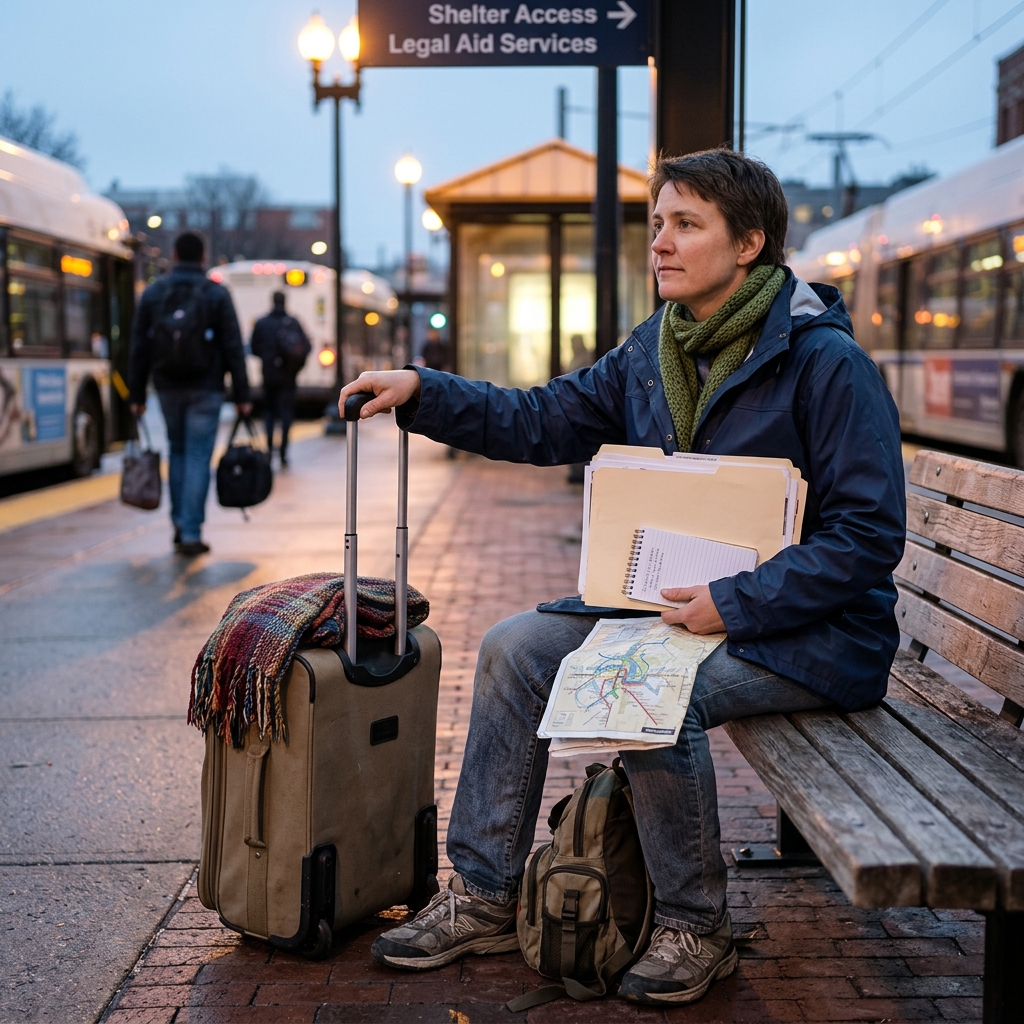
Leaving an abusive relationship is not only an emotional decision; it is often a legal and practical process that requires planning. The safest exit usually depends on preparation, trusted support, and a clear understanding of what legal protections are available. This guide explains how to reduce risk, organize critical information, and use the law to help create distance from an abusive partner.
Why leaving requires a plan
Abuse can take many forms, including physical violence, intimidation, isolation, threats, financial control, and digital monitoring. Because abuse often escalates when a survivor begins to leave, planning ahead matters. Safety planning is widely recommended by domestic violence advocates, who stress that the time around separation can be especially dangerous.
A practical plan helps you think through where you will go, how you will get there, what you will bring, and who can help if the situation changes suddenly. It also gives you a structure for documenting abuse and preparing for legal steps such as custody or protective orders.
Start with personal safety and communication security
If an abuser can track your phone, email, or browsing history, even private research may put you at risk. Use a device the other person cannot access when looking for help, contacting a lawyer, or communicating with a shelter. If possible, clear your browsing history and consider using private or incognito browsing on a secure device.
It is also important to think about where conversations happen. A safe communication strategy may include a trusted friend’s phone, a work device, or a secure account that the abuser does not know about. Support organizations routinely encourage survivors to identify safe people and safe ways to get in touch before they leave.
Build a support network before you go
You do not need to leave alone. Trusted friends, relatives, co-workers, school staff, faith leaders, shelter advocates, and legal aid lawyers can all be part of the safety net. Tell a small number of reliable people what is happening and what kind of help you may need.
- A place to stay for a night or longer
- Transportation at short notice
- Childcare or school pickup support
- Help contacting police, a shelter, or a lawyer
- A safe location for extra documents or emergency supplies
If children are involved, it may also be necessary to notify their school or child care provider so that no one without permission can pick them up. In some situations, a code word can help trusted people know when immediate help is needed.
Prepare an emergency bag and secure key documents
One of the most useful steps is to gather essentials before you leave. Keep the bag somewhere the abuser is unlikely to search, such as at work, with a friend, or at a relative’s home. The goal is to be able to leave quickly without having to return for necessities.
| What to pack | Why it matters |
|---|---|
| Identification and legal papers | Needed for housing, benefits, custody, school enrollment, and court filings |
| Cash, debit cards, and bank information | Helps with transportation, food, temporary lodging, and basic expenses |
| Medications and medical records | Supports health needs during a sudden move or shelter stay |
| Keys, phone charger, and spare phone | Makes it easier to travel and stay in contact with helpers |
| Children’s essentials | Comfort items, clothing, school information, and medicines can reduce disruption |
Important records may include birth certificates, passports, Social Security cards, lease papers, marriage documents, insurance information, and bank or credit card statements. If you cannot safely take originals, try to make copies or photograph them and store them securely.
Protect your finances and digital accounts
Financial control is a common form of abuse. A partner may restrict access to money, monitor spending, or sabotage accounts. If it can be done safely, open a separate bank account and change passwords on personal email, social media, cloud storage, and financial services. Use strong passwords that the abuser cannot guess, and turn on two-factor authentication where possible.
If you share accounts or debt, it may be wise to speak with a lawyer before making changes that could alert the abuser too soon. A legal aid organization can explain how local rules treat joint accounts, leases, and debts. If you are worried about being located, consider changing contact information and reviewing privacy settings on devices and apps.
Think ahead about children, custody, and school issues
When children are involved, leaving becomes a family-law issue as well as a safety issue. A parent may need temporary custody arrangements, school pickup instructions, or court orders that limit contact. If there is a risk of abduction or retaliation, legal advice should be sought quickly.
It can help to document the child’s experiences as well as your own. Notes about threats, injuries, witnessed incidents, missed school, or changes in behavior may be important later in court. Keep those notes in a safe place, away from the abusive partner.
- Tell school and child care staff who may or may not pick up the child
- Keep copies of custody papers and protective orders accessible
- Ask a lawyer about temporary custody and parenting plans
- Consider how exchanges will happen if contact must continue
- Teach older children how to call emergency services if needed
Use protective orders and other court tools
A protective order, sometimes called a restraining order or order of protection, can help limit contact, require the abuser to stay away, and in some places address temporary possession of a home, vehicle, or children. The exact remedies depend on state law, but these orders are a central legal tool for many survivors.
Before filing, gather any available evidence such as text messages, photographs, call logs, voicemails, police reports, witness names, and medical records. A consistent record can help explain the pattern of abuse to a judge. If you are unsure how to file, a domestic violence shelter, legal aid office, or courthouse self-help center can often explain the process in plain language.
Consider housing, transportation, and relocation choices
Where you go after leaving depends on safety, money, children, work, and local services. Some survivors stay with family or friends, while others use a shelter, hotel, or short-term rental. If the abuser knows your usual routines, a location they do not expect may be safer.
Transportation also deserves attention. Try to keep your car fueled, keys accessible, and a spare key stored safely if you drive. If you use public transportation, make a simple route plan and identify backup options. The more predictable your exit path is to you and the less predictable it is to the abuser, the better.
Document abuse carefully and safely
Documentation can support both safety planning and later legal action. Keep records of threats, injuries, stalking, harassment, financial abuse, and property damage. A timeline can be especially useful if you later need to explain the history to police, a court, or an advocate.
Documentation should never increase danger. If the abuser regularly checks your belongings, keep records in a secure cloud account, with a trusted person, or in another protected location. Photos of injuries, screenshots of messages, and notes about dates and witnesses can all be valuable, but only if they are stored safely.
Know what to do if you leave in an emergency
Sometimes there is no time for a long plan. If violence is happening now, your priority is immediate safety. Move to a place with an exit if possible, avoid rooms with weapons, and call emergency services if you can do so safely. If you are blocked from leaving, threatened, or believe a child is in immediate danger, tell responders that there is a history of domestic violence.
Once safe, ask for copies of any police reports or incident numbers. Those records may later help with a protective order, custody filing, insurance claim, or criminal complaint.
Find legal help and survivor services
Many survivors do not need to navigate the legal system alone. Legal aid organizations, domestic violence shelters, and victim advocates can help with protective orders, housing problems, custody questions, benefits, and safety planning. Some services are free or low-cost, and many can refer you to attorneys who understand family violence cases.
If you are overwhelmed, start with one action: contact a shelter, a legal aid office, or a domestic violence hotline. An advocate can help you turn general concerns into a step-by-step plan that fits your situation.
Frequently asked questions
Is it safer to tell the abuser before leaving?
Not always. In many situations, the safest option is to plan quietly and leave without warning. The right approach depends on the level of risk, the presence of children, and whether law enforcement or an advocate recommends a different strategy.
Can I leave with my children?
That depends on custody orders, state law, and the level of danger. In an emergency, seeking immediate safety for yourself and the children may be necessary, but you should get legal advice as soon as possible to address custody and visitation issues.
What if I do not have money?
Shelters, legal aid organizations, and victim assistance programs may be able to help with temporary housing, transportation, emergency funds, and legal filings. Even if your finances are limited, you may still have options.
Do I need a lawyer to get a protective order?
No, not always. Many courts allow people to file on their own, and advocates or self-help centers can assist with forms. A lawyer can still be helpful if there are custody, housing, or immigration concerns.
What should I do after I leave?
After leaving, focus on maintaining privacy, updating passwords, changing routines, and following through on court deadlines. Continue working with advocates or lawyers if there are ongoing safety concerns, shared children, or financial ties.
References
- Domestic Violence Support — National Domestic Violence Hotline. n.d. https://www.thehotline.org
- How Legal Aid Helps Domestic Violence Survivors — Legal Services Corporation. n.d. https://www.lsc.gov/our-impact/publications/other-publications-and-reports/how-legal-aid-helps-domestic-violence
- How to Get Out of an Abusive Relationship — HelpGuide.org. n.d. https://www.helpguide.org/relationships/domestic-abuse/getting-out-of-an-abusive-relationship
- Safety Strategies for Victims of Abuse — University of Central Florida, Let’s Be Clear. n.d. https://letsbeclear.ucf.edu/more-information/relationship-violence/safety-strategies-for-victims-of-abuse/
- Survivor Resources — Texas Council on Family Violence. n.d. https://tcfv.org/find-help/survivor-resources/
- How to Escape an Abuser with Your Children — DomesticShelters.org. n.d. https://www.domesticshelters.org/articles/safety-planning/fleeing-an-abuser-with-your-children
Similar Articles








Read full bio of medha deb


