
Landlord Repair and Maintenance Duties Explained
Understand when landlords must fix problems, maintain habitability, and give notice, and what remedies tenants have if repairs are ignored.
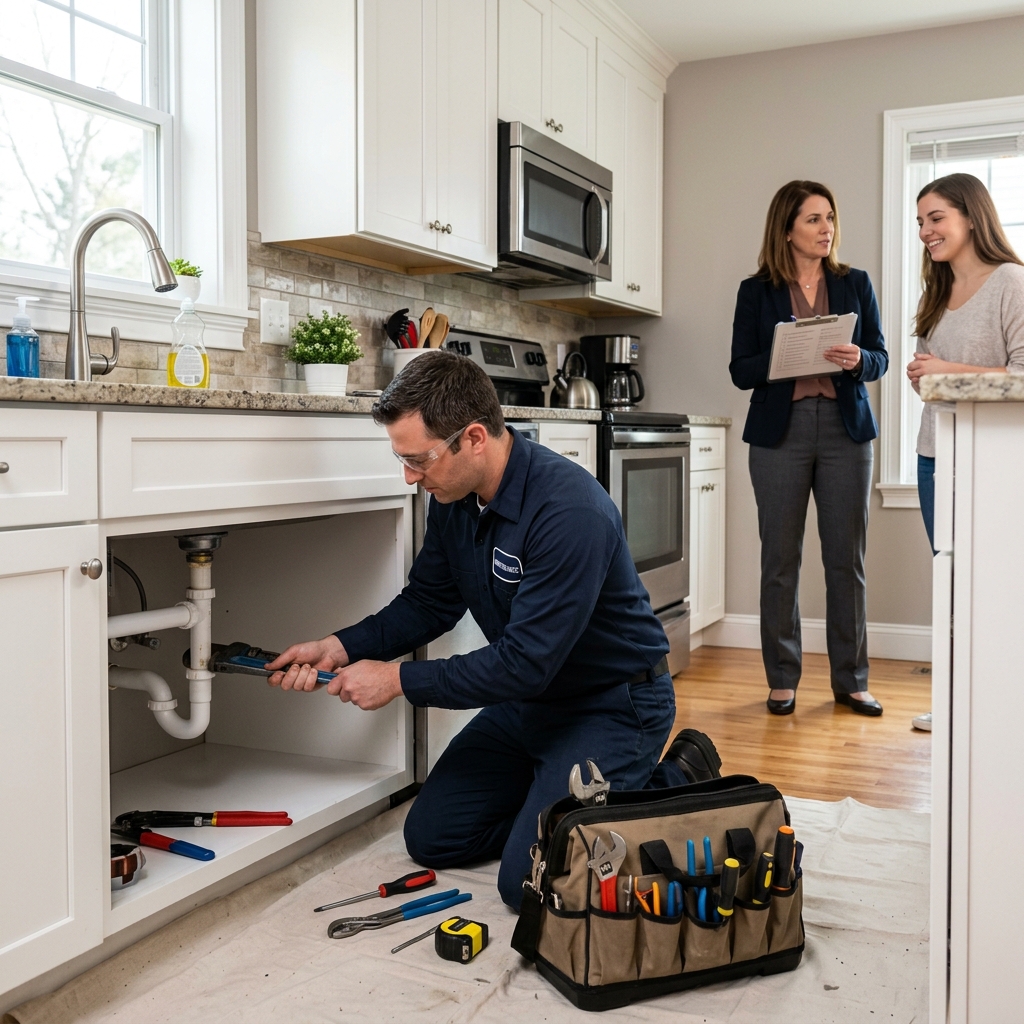
Every rental relationship rests on a basic legal promise: a landlord must provide a home that is safe and livable, and a tenant must take reasonable care of the property. Most states call this promise the warranty of habitability, and it shapes who is responsible for repairs, how quickly problems must be fixed, and what tenants can do if a landlord fails to act.
This guide offers a clear, practical overview of landlord repair and maintenance obligations, tenant responsibilities, notice rules for entering a rental, and common legal remedies when essential repairs are ignored. It is general information, not legal advice; specific rights and duties depend on the law in your state or country.
Core Legal Duty: Keeping the Rental Habitable
In most jurisdictions, landlords have a legal duty to keep their rental properties fit and habitable. That duty exists whether or not it is spelled out in the lease and usually cannot be waived.
Habitability generally means the property:
- Complies with applicable building, housing, health, and safety codes that materially affect health and safety
- Has basic utilities, such as running water, reasonable hot water, and heat where required by law
- Is structurally sound, with a stable roof, walls, floors, and foundation
- Is free from serious hazards, including dangerous electrical issues, severe leaks, and major pest infestations
- Has reasonably secure doors and windows to protect occupants and their belongings
Because habitability is tied closely to health and safety, a landlord usually must address serious defects even if the lease is silent or tries to shift responsibility to the tenant.
Typical Landlord Repair Responsibilities
While details vary by jurisdiction, landlords are usually responsible for major repairs and repairs to systems that are essential to living safely and comfortably in the home.
Structural Elements
- Roof, exterior walls, and foundation
- Floors, stairs, and railings
- Windows, exterior doors, and locks
Damage or deterioration in these areas can quickly become a safety issue, so laws often treat them as landlord responsibilities.
Plumbing and Sanitary Systems
- Maintaining running water and functioning toilets, sinks, and drains
- Addressing leaks, burst pipes, and sewage backups promptly
- Ensuring sanitary conditions in bathrooms and kitchens
Landlords generally pay the cost of repairs needed to restore plumbing and sanitary systems, especially when the issue stems from normal wear and tear rather than tenant misuse.
Electrical and Heating Systems
- Safe wiring, outlets, and circuit breakers, in compliance with electrical codes
- Working lighting fixtures in common areas and required safety lighting
- Heating systems that provide reasonable warmth in cold seasons where required by law
- Maintaining hot water systems and, where supplied, air conditioning units or ventilation systems
Electrical and heating failures can pose fire risks, health risks, or extreme discomfort. As a result, they are central to habitability obligations.
Common Areas and Waste Removal
- Keeping hallways, stairwells, laundry rooms, and lobbies safe and sanitary
- Maintaining exterior paths, parking areas, and shared yards in reasonably safe condition
- Providing appropriate garbage and waste receptacles, and arranging for removal when required by law
These duties help protect not just individual tenants but everyone using the building or complex.
Appliances and Fixtures Supplied by the Landlord
When a landlord provides large appliances or fixtures, the lease may govern who repairs them. However, many landlords remain responsible for their upkeep, especially if appliance failure affects habitability or violates local codes.
- Ovens, stoves, and refrigerators supplied with the unit
- Landlord-provided washers, dryers, or dishwashers
- Landlord-owned smoke detectors and carbon monoxide alarms, where required
Even where appliances are not legally required for habitability, landlords commonly handle repairs because they control purchase, ownership, and replacement decisions.
What Tenants Are Usually Expected to Do
Tenants also have important responsibilities. While they are not generally required to fund major repairs, they must take reasonable care of the property and cooperate when issues arise.
Routine Upkeep and Minor Maintenance
Tenants typically handle everyday tasks that keep the property clean and functional, such as:
- Keeping the home reasonably clean and free from excessive clutter or hazards
- Replacing light bulbs that burn out and basic batteries in devices they control
- Changing HVAC filters as directed in the lease, where accessible
- Maintaining yard areas when the lease assigns that duty
These responsibilities support the landlord’s ability to maintain habitability and prevent minor issues from becoming major problems.
Preventing and Reporting Damage
- Avoiding negligent or intentional damage to the property
- Promptly informing the landlord of needed repairs or emerging issues, preferably in writing
- Allowing reasonable access for inspections and repairs after proper notice
Many legal remedies for tenants require proof that the landlord was notified and given a reasonable chance to fix the problem, so documenting communications is important.
Repair Responsibilities When Tenants Cause Damage
If a tenant (or guest) causes damage beyond normal wear and tear, the tenant is usually responsible for repair costs. Examples include:
- Broken windows from misuse
- Holes in walls from irresponsible mounting or impact
- Plumbing clogs caused by foreign objects
Landlords may deduct such costs from a security deposit or seek reimbursement directly, depending on local law and the lease terms.
How Repair Duties Are Often Split: Comparison Table
| Type of Issue | Typical Landlord Responsibility | Typical Tenant Responsibility |
|---|---|---|
| Structural defects (roof leak, cracked foundation) | Diagnose and pay for repairs to restore safety and habitability | Report issues promptly and minimize further damage |
| Plumbing failure from aging pipes | Repair or replace pipes; ensure running water and sanitary facilities | Avoid misuse; notify landlord as soon as a leak or backup occurs |
| Normal wear on appliances | Fix or replace landlord-supplied appliances in many scenarios | Use appliances properly and follow care instructions |
| Minor cosmetic issues (scuffs, small nail holes) | Often treated as normal wear and tear, handled at turnover | May be responsible if damage is excessive or violates lease |
| Pest infestation affecting habitability | Address infestations that are not caused by tenant behavior | Maintain cleanliness; cooperate with treatment |
Notice Requirements for Landlord Entry
Even when landlords must make repairs, they cannot enter a tenant’s home at any time they wish. Most states require reasonable notice before entry, except in emergencies.
Typical Notice Standards
- Written or verbal notice describing the purpose of entry (repairs, inspection, showing the unit, etc.)
- Entry only at reasonable times of day
- Common statutory standards of 24–48 hours’ notice before non-emergency entry
Some statutes presume 24 hours to be reasonable unless the tenant agrees to shorter notice or a different schedule.
Emergency Situations
Landlords are usually allowed to enter without prior notice when urgent circumstances threaten safety or property, such as:
- Active fire or gas leak
- Serious flooding or burst pipes
- Situations where immediate access is needed to prevent major damage
Even then, landlords should limit entry to what is reasonably necessary and communicate with tenants as soon as practicable.
What Tenants Can Do If Repairs Are Not Made
When a landlord ignores essential repair requests after proper notice and a reasonable time to respond, tenants may have several legal remedies. These remedies are highly state-specific, so tenants should consult local law or a qualified attorney before acting.
Common Tenant Remedies
- Rent withholding: In some states, tenants can withhold rent until serious habitability issues are fixed, often by paying into a court-approved escrow account rather than stopping payment entirely.
- Repair-and-deduct: Where allowed, tenants may arrange necessary repairs themselves and subtract the reasonable cost from their next rent payment, after giving proper notice and allowing time for the landlord to act.
- Small claims or other court action: Tenants can sue for damages or a court order requiring repairs if the landlord fails to meet legal duties.
- Contacting local housing or code enforcement: Tenants may request an inspection, and local officials can issue orders requiring the landlord to correct violations.
- Termination of the lease: For serious and persistent failures to maintain habitability, some legal systems allow tenants to move out without penalty after following required procedures.
Each remedy usually comes with strict conditions. For example, rent withholding without following statutory procedures can expose a tenant to eviction for nonpayment. Tenants should carefully follow local legal requirements whenever exercising these rights.
Practical Steps When You Discover a Serious Problem
Both landlords and tenants can reduce conflict and legal risk by following a structured approach to repairs:
- Document the issue: Take photos or videos, note dates, and keep copies of any communications.
- Notify promptly: Tenants should inform the landlord as soon as reasonably possible, ideally in writing.
- Assess urgency: Landlords should prioritize repairs affecting health, safety, or basic utilities over cosmetic issues.
- Coordinate access: Agree on reasonable times for contractors or maintenance personnel to enter the unit.
- Track progress: Keep records of appointments, invoices, and completed work.
Clear communication and timely action often prevent disputes from escalating into legal confrontations.
FAQs: Landlord Duties and Tenant Rights on Repairs
1. Does a landlord always have to make repairs, even if the lease is silent?
In many jurisdictions, yes. Statutory duties to keep the premises habitable and comply with health and safety codes exist regardless of lease language, and landlords usually cannot contract out of them.
2. Can a landlord require a tenant to handle all repairs?
Leases may assign certain minor or specific repair tasks to tenants, but laws typically prevent landlords from shifting responsibility for serious or code-related habitability issues. If a clause conflicts with local law, it may be unenforceable.
3. What counts as an “essential” repair for habitability?
Essential repairs generally involve health, safety, or basic livability: restoring heat, hot water, plumbing, electricity, structural stability, or correcting dangerous conditions such as severe leaks or pest infestations.
4. How much notice must a landlord give before entering to make repairs?
Many statutes require reasonable notice, often around 24 hours, before non-emergency entry. Exact rules depend on local law, and emergencies can justify entry without prior notice.
5. If my landlord ignores written requests, can I stop paying rent?
In some places, tenants can withhold rent or pay into escrow when severe habitability issues persist, but this is a technical legal remedy with specific procedural requirements. Tenants should review local statutes or seek legal advice before withholding rent.
6. Are tenants required to let inspectors or repair workers in?
Tenants generally must allow reasonable access for repairs, inspections, or code enforcement, so long as the landlord or officials follow notice and timing rules. Refusing access may complicate legal remedies and prolong unsafe conditions.
7. What should a landlord do to stay compliant with repair obligations?
Landlords can reduce risk by regularly inspecting properties, responding quickly to repair requests, keeping records of maintenance, and staying current on local building and housing codes. Proactive maintenance is often cheaper than emergency repairs and legal disputes.
References
- Landlords’ Duties: Repairs, Maintenance, and Notice to Tenants — FindLaw. 2024-01-10. https://www.findlaw.com/realestate/landlord-tenant-law/landlords-duties-regarding-repairs-maintenance-and-to-provide.html
- Who Is Legally Responsible for Repairs in a Rental? — Super Lawyers. 2023-08-15. https://www.superlawyers.com/resources/landlord-and-tenant/who-is-legally-responsible-for-repairs-in-a-rental/
- Repair Responsibilities for Tenants and Landlords — LawDepot. 2022-11-05. https://www.lawdepot.com/us/resources/real-estate-articles/repair-responsibilities-for-tenants-and-landlords/
- Ohio Revised Code Section 5321.04: Landlord Obligations — Ohio Legislature. 2021-09-30. https://codes.ohio.gov/ohio-revised-code/section-5321.04
- Landlord and Tenant Responsibilities for Repairs — Shelter England. 2023-04-20. https://england.shelter.org.uk/housing_advice/repairs/landlord_and_tenant_responsibilities_for_repairs
- California Tenants: A Guide to Residential Tenants’ and Landlords’ Rights and Responsibilities (Repair Duties Section) — California Department of Real Estate. 2023-01-01. https://www.dre.ca.gov/publications/ResourceGuidebook/gb09_dealingwith.html
- Maintenance Responsibilities for Both Tenants and Landlords — MilitaryByOwner. 2022-06-10. https://www.militarybyowner.com/resources/what-are-the-maintenance-responsibilities-for-both-tenants-and-landlords/
Similar Articles








Read full bio of medha deb


