
How Domestic Violence Can Influence Child Support
Understanding the complex ways domestic abuse can intersect with child support decisions, enforcement, and safety planning.
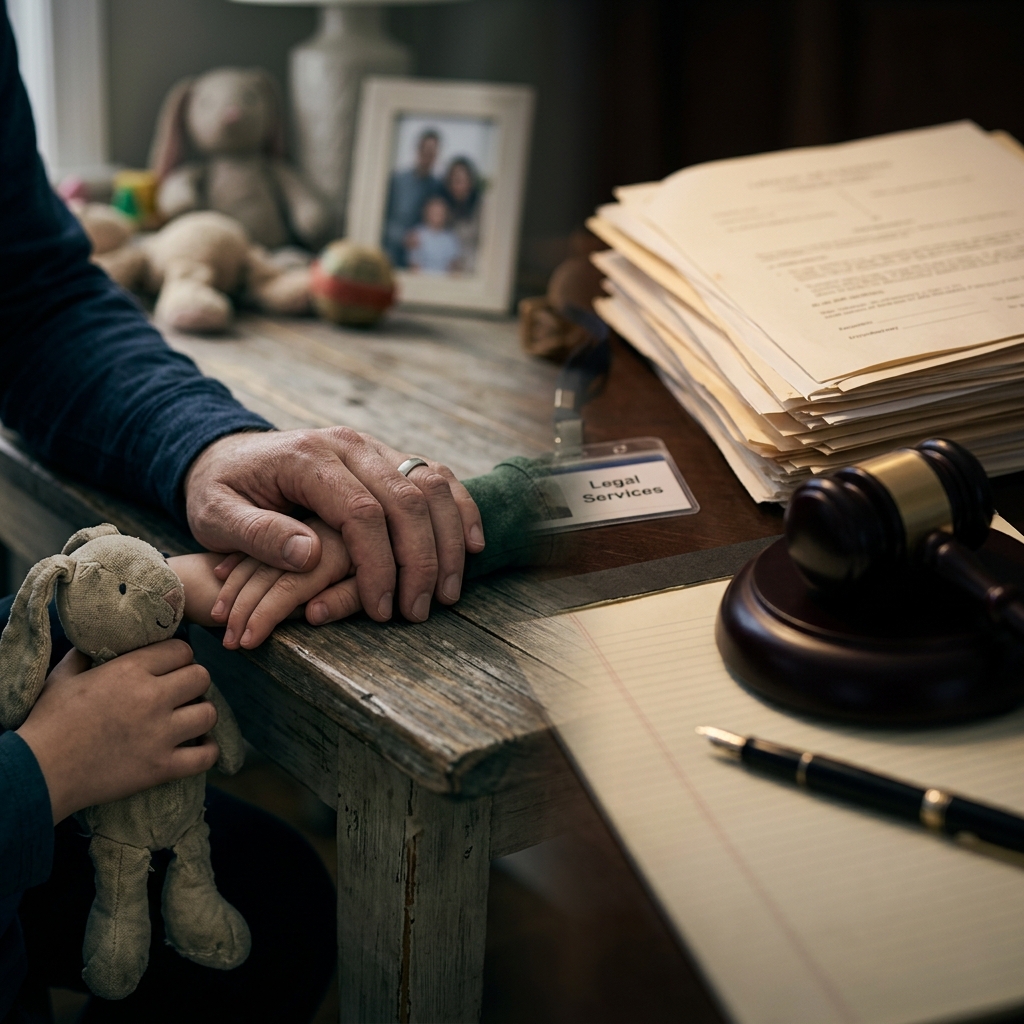
Domestic violence and child support are often treated as separate legal issues, but in real family court cases they are deeply connected. When abuse is present, it can affect how child support is calculated, how orders are enforced, and how safely parents and children can interact around money and parenting responsibilities.
This article explains key ways that domestic violence can shape child support decisions, what courts typically consider, and practical steps survivors and their advocates can take to protect both financial stability and safety.
Understanding Domestic Violence in a Family Law Context
Domestic violence is not limited to physical assaults. Many legal systems recognize a wide range of behaviors as abuse, including emotional control, financial coercion, threats, stalking, and harassment.
- Physical abuse: hitting, pushing, strangling, or other physical attacks.
- Emotional or psychological abuse: intimidation, humiliation, threats to harm the victim, children, or pets.
- Financial or economic abuse: controlling access to money, sabotaging employment, or using debt and credit to trap the victim.
- Coercive control: a pattern of behaviors aimed at dominating the victim’s daily life, including through legal proceedings.
In child support cases, financial abuse and coercive control are especially important. An abusive parent may manipulate income, refuse to work, or deliberately use the child support system itself to maintain control over the survivor.
Does Domestic Violence Change the Right to Child Support?
In most jurisdictions, a child’s right to financial support from both parents exists regardless of conflict between the adults. Domestic violence generally does not erase the obligation of an abusive parent to help support their child.
However, domestic violence can influence:
- How the court collects child support (for example, through wage withholding instead of direct payments).
- Whether certain adjustments are made to cover safety-related costs (such as relocation or counseling).
- How much contact, if any, the parents must have with each other when support is paid.
Courts are typically required to prioritize the best interests of the child, which includes both physical and emotional safety. Domestic violence is a major factor in that analysis and can reshape related rulings on custody, visitation, and financial arrangements.
Core Ways Abuse Can Affect Child Support Decisions
Domestic violence can intersect with child support in multiple stages of a case—from the initial filing to later modifications and enforcement. The table below summarizes common impacts.
| Stage of Case | Possible Effect of Domestic Violence |
|---|---|
| Initial child support order | Court may add safeguards (e.g., wage withholding, payment via state agency, no direct payment to survivor). |
| Custody and visitation decisions | History of family violence can limit an abusive parent’s custody or visitation, which may indirectly affect support arrangements. |
| Amount of support | Guidelines usually still apply, but courts may consider extra costs related to abuse, such as therapy or relocation expenses. |
| Enforcement | Courts may favor methods that avoid direct contact and swiftly address nonpayment to prevent economic control. |
| Modification | New incidents of domestic violence or evidence of prior abuse may justify changing support or related custody orders. |
Protecting Safety When Setting Up Child Support
When a survivor of domestic violence seeks child support, the court should consider both financial needs and safety concerns. Several strategies are recommended by legal and policy experts.
Using Indirect Payment Methods
To reduce opportunities for harassment or control, courts can order payment methods that do not require the survivor to interact directly with the abusive parent.
- Income withholding: Child support is deducted directly from the paying parent’s paycheck and processed by a state disbursement unit or equivalent agency.
- Payment through a government agency: The paying parent sends support to an official processing center, which forwards payments to the custodial parent.
- No direct deposits to survivor-controlled accounts, when that would give the abuser access to sensitive banking information or enable financial monitoring.
These arrangements help protect privacy and create reliable proof of payment, which can be essential if enforcement becomes necessary.
Including Child Support in Protective Orders
In some jurisdictions, courts can issue temporary child support orders within civil protection or restraining order proceedings. This can provide quicker financial relief than waiting for a full family court case.
Key advantages include:
- Immediate financial stability during a crisis period.
- Built-in rules that limit or prohibit contact between the parents, including around support payments.
- Clear documentation of abuse, which may influence later custody and child support proceedings.
Any support order included in a protection order must still comply with federal and state rules on child support, such as the Full Faith and Credit for Child Support Orders Act in the United States.
Abuse, Custody, and Indirect Effects on Support
Domestic violence often appears most clearly in custody and visitation disputes, but those decisions can indirectly shape child support outcomes as well.
Impact on Custody and Visitation
Many family courts presume that a history of serious family violence weighs against awarding custody or extensive unsupervised visitation to the abusive parent.
- Judges may limit an abusive parent’s access to supervised visitation or shorter, structured visits.
- In severe cases, courts may order no visitation when contact is found to endanger the child.
- Exchange locations may be restricted to neutral or monitored sites (for example, a police station or a public place with cameras).
Although child support calculations usually follow statutory guidelines, the custody outcome can change which parent is considered the primary caretaker and, therefore, who receives or pays support.
Safety-Focused Conditions Around Parenting Time
To minimize opportunities for continued abuse during ongoing parenting arrangements, courts can impose specific conditions:
- Limiting communication to written formats, such as email, text, or specialized co-parenting apps.
- Restricting topics of communication to child-related issues only, with bans on harassment or threats.
- Allowing virtual visitation instead of in-person contact when this better protects the child and the survivor parent.
- Keeping the survivor’s home address confidential on court documents when there is a safety risk.
These safeguards can indirectly support consistent child support payments by reducing conflict and opportunities for coercion at exchanges or during communication about money.
Modifying Child Support When Domestic Violence Is Present
Child support orders are not necessarily permanent. Significant changes in circumstances—including new instances of domestic violence, a relocation for safety, or changes in income—can justify a request to modify an existing order.
Common Grounds for Modification
Domestic violence may lead to modification requests in several scenarios:
- The survivor needs to move to a new home or community to stay safe, increasing housing and transportation costs.
- Counseling, medical treatment, or other services become necessary for the child due to exposure to violence.
- The abusive parent is incarcerated or loses employment as a result of criminal charges or protective orders.
- New evidence of past or ongoing abuse emerges, prompting a broader reassessment of custody and support.
Judges typically weigh these changes against standard child support guidelines and the child’s best interests, which include emotional and psychological wellbeing as well as basic financial needs.
Evidence That Can Help the Court
Survivors often face challenges proving abuse, especially when there is little written documentation. While official records are very helpful, courts may also rely on testimony and other forms of evidence.
Useful types of evidence can include:
- Police reports, criminal charges, or convictions related to domestic violence.
- Civil protective orders or restraining orders.
- Medical records documenting injuries.
- School or childcare reports that reflect the child’s behavior changes or disclosures.
- Text messages, emails, and voicemails showing threats, harassment, or financial control.
- Testimony from the survivor, witnesses, or professionals (such as counselors).
Documentation not only supports findings about domestic violence but may also justify adjustments in the amount or structure of child support.
Enforcing Child Support Orders in Abusive Situations
Enforcement can become another site of conflict when abuse is involved. Abusers may intentionally fail to pay child support as a form of continued control, hoping to force contact or inflict financial instability.
Available Enforcement Tools
Many legal systems provide a range of enforcement mechanisms when a parent does not pay court-ordered child support. These may include wage garnishment, interception of tax refunds, liens on property, license suspensions, and, in some cases, contempt findings leading to fines or jail time.
In domestic violence cases, advocates recommend that courts use enforcement strategies that:
- Minimize direct interaction between the survivor and the obligor parent.
- Provide timely, predictable payments to reduce financial anxiety.
- Balance enforcement with realistic payment plans when the obligor faces genuine barriers to employment, so that nonpayment does not simply escalate conflict without improving support for the child.
Risks of “Litigation Abuse”
Research indicates that some perpetrators use family court processes themselves as tools of ongoing control, a phenomenon sometimes described as “legal abuse” or “litigation abuse.” This can include filing repeated motions, challenging every enforcement effort, or threatening to seek custody changes if the survivor pursues unpaid support.
Courts and practitioners should be alert to these dynamics and consider safeguards such as:
- Setting clear limitations on repetitive, frivolous filings.
- Requiring written communication through monitored channels.
- Ensuring survivors have access to legal assistance or self-help resources.
Emotional and Psychological Dimensions
Domestic violence does not only affect legal outcomes; it also deeply affects the mental health of parents and children. Engaging with family court can itself be traumatizing for survivors, especially when they must repeatedly confront their abuser in hearings or negotiations.
Studies have found that mothers involved in court cases after domestic violence often experience:
- Heightened symptoms of trauma and post-traumatic stress disorder (PTSD).
- Ongoing fear related to required contact with the abusive parent.
- Grief and distress connected to perceived failures to protect their children.
Recognizing these psychological impacts can help courts design child support procedures that reduce harm—for example, by limiting in-person appearances when not strictly necessary, allowing remote testimony in some cases, or coordinating hearings to avoid repeated exposure.
Practical Tips for Survivors and Advocates
Every case is different, but several general steps can help survivors navigate the intersection of domestic violence and child support more safely.
- Seek legal information early: Many jurisdictions offer self-help centers, legal aid, or pro bono clinics that can explain local child support rules and domestic violence protections.
- Document abuse and financial control: Keep copies of threatening messages, financial records, and any official reports; this documentation can be critical in court.
- Ask about safe payment methods: Request income withholding or payments through a government agency instead of direct transfers.
- Consider protective orders: Where available, ask whether temporary child support can be included in a restraining order to provide immediate financial relief.
- Plan for safety at court: Coordinate with court staff or advocates about secure waiting areas, separate entrances, or security escorts if needed.
Frequently Asked Questions
Can an abusive parent be required to pay child support?
Yes. In most legal systems, the duty to support a child exists regardless of whether a parent has committed domestic violence. Domestic violence can affect how support is paid and what safety conditions are imposed, but it rarely cancels the financial obligation itself.
If I am afraid of my ex-partner, do I have to meet in person to get child support?
Not necessarily. Courts can order wage withholding, payments through a state agency, or other indirect methods so that you do not have to receive cash or checks directly from the abusive parent. In some cases, custody and visitation exchanges can also be arranged at neutral or supervised locations.
Does domestic violence automatically increase the amount of child support?
Domestic violence does not automatically change the standard child support formula, but it may influence the court’s consideration of special expenses, such as counseling, medical treatment, or relocation costs related to the abuse. Judges still must follow statutory guidelines, but they may have discretion to account for these additional needs.
Can new evidence of abuse justify changing a child support order?
Yes. New incidents of domestic violence or newly documented past abuse can often support a request to modify child support or related custody orders, particularly if the abuse affects a parent’s ability to work, the child’s needs, or the safety of existing parenting arrangements.
Will asking for child support make the abuse worse?
Some survivors worry that seeking child support could escalate abuse or trigger retaliation. Unfortunately, research shows that perpetrators sometimes use legal processes to continue exerting control. This is why it is critical to develop a safety plan, work with advocates or attorneys where possible, and request protective conditions around payment and communication.
References
- Child Support and Domestic Violence: A Guide for Court and Child Support Professionals — Center for Justice Innovation. 2020-05-28. https://www.innovatingjustice.org/wp-content/uploads/2020/06/guide_childsupport_05282020.pdf
- Domestic Violence and Child Custody — California Courts Self-Help. 2023-10-16 (last updated). https://selfhelp.courts.ca.gov/domestic-violence-child-custody
- Domestic Violence’s Impact on Child Visitation Rights — TexasLawHelp.org. 2022-04-26 (last updated). https://texaslawhelp.org/article/domestic-violences-impact-on-child-visitation-rights
- How Does Domestic Violence Affect Child Custody in Texas? — Orsinger, Nelson, Downing & Anderson. 2021-08-05. https://ondafamilylaw.com/how-does-domestic-violence-affect-child-custody-in-texas/
- The Psychological Impact on Mothers Who Have Experienced Domestic and Family Violence in the Context of Family Court — Cleak et al., Journal of Family Violence (via PubMed Central). 2024-04-09. https://pmc.ncbi.nlm.nih.gov/articles/PMC11305050/
- Family Violence and Child Support: Abuse, Shared Parenting, and the Law — Nicholas Bala & Lise Gotell, Canadian Journal of Family Law. 2020. https://commons.allard.ubc.ca/cgi/viewcontent.cgi?article=1117&context=can-j-fam-l
- The Impact of Domestic Violence on Child Support Cases — Bickman Law. 2023. https://miami-divorce-law.com/the-impact-of-domestic-violence-on-child-support-cases/
Similar Articles








Read full bio of medha deb


