
Fishing Without a License: Legal Consequences
Understanding fishing license requirements and penalties across U.S. states
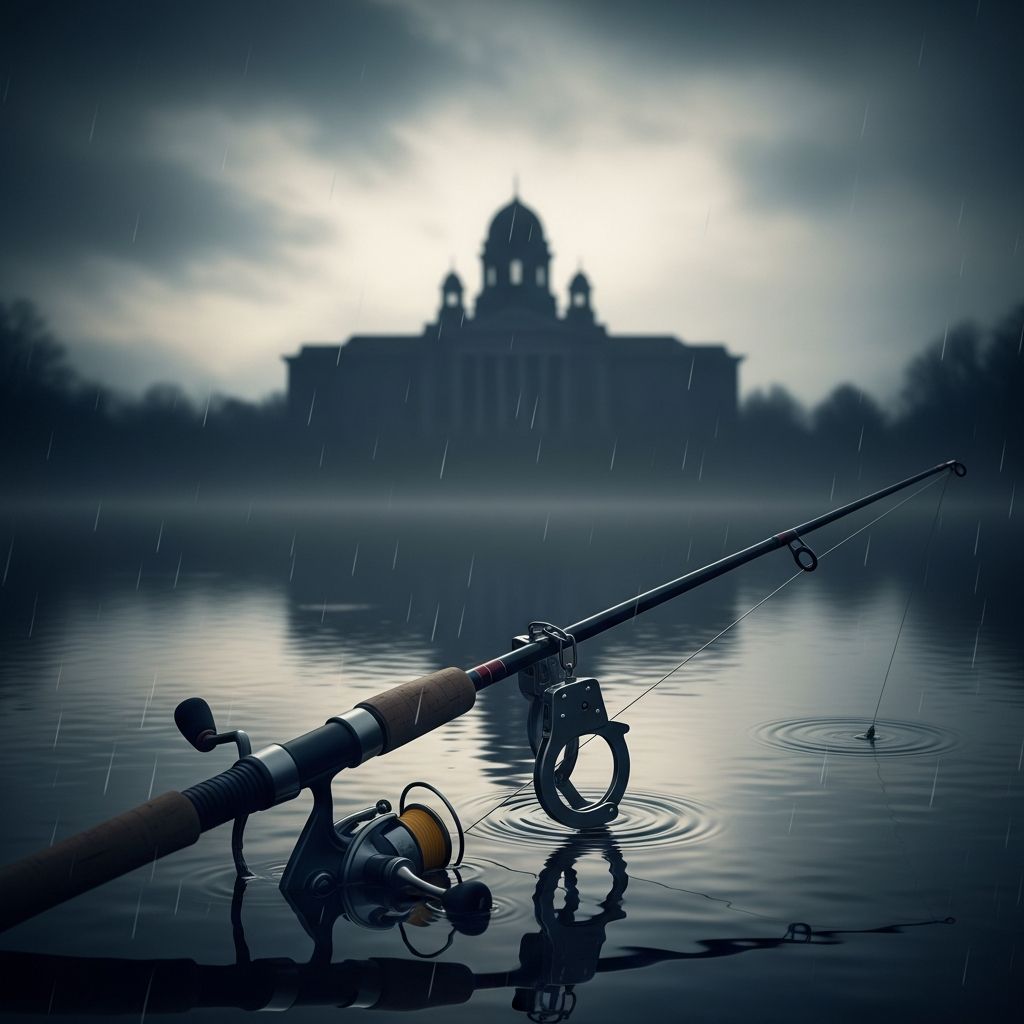
Understanding Fishing License Requirements in the United States
One of the most fundamental questions anglers face before heading to the water is whether they need a fishing license. The straightforward answer is that recreational fishing licenses are mandated in every state throughout the United States. However, the specifics of these requirements vary significantly from one jurisdiction to another, creating a complex landscape that fishers must navigate carefully.
The licensing system exists as a critical management tool for fish and wildlife conservation. By requiring licenses, states can track fishing activity, enforce regulations that protect aquatic ecosystems, and generate revenue dedicated to habitat restoration and fishery management programs. Understanding the nuances of your local fishing license requirements is not just a legal matter—it is essential for protecting America’s precious aquatic resources.
State-Specific License Requirements and Variations
While every state requires some form of fishing authorization, the exact nature of those requirements differs considerably. Each state maintains its own distinct set of fishing regulations, and a license issued in one state will not be valid in another. This means that an angler traveling across state lines cannot simply carry their home state’s license and expect it to provide legal authorization to fish elsewhere.
The variations stem from multiple factors including the types of water bodies present in each state, the fish species available, regional environmental concerns, and each state’s approach to conservation priorities. Some states emphasize saltwater fishing management while others focus primarily on freshwater lakes and rivers. These regional differences necessitate state-specific licensing systems rather than a unified national approach.
Residents typically enjoy more favorable licensing terms compared to non-residents visiting a state. Resident licenses cost significantly less than non-resident licenses, reflecting the assumption that residents will fish more frequently throughout the year. Non-residents have the option to purchase short-term licenses that typically range from one to thirty days, allowing temporary visitors to fish legally without committing to an annual permit.
Types of Fishing Licenses Available
States offer multiple licensing options to accommodate different fishing preferences and circumstances. Understanding the various license types helps anglers select the most appropriate and cost-effective option for their situation.
- Freshwater Licenses: These permits authorize fishing exclusively in freshwater environments such as lakes, rivers, and streams. Freshwater is defined as landlocked bodies of water containing fresh water, distinct from salt water environments.
- Saltwater Licenses: Separate licenses govern fishing in coastal and ocean waters. A saltwater license does not automatically authorize freshwater fishing, even though both occur within the same state.
- Combination Licenses: Many states recognize that anglers may wish to pursue both freshwater and saltwater fishing. Combination licenses provide authorization for both activities under a single permit, often at a lower total cost than purchasing separate licenses.
- Non-Resident Temporary Licenses: Designed for visitors, these short-term permits allow out-of-state anglers to fish legally for limited periods without purchasing expensive annual licenses.
- Specialty Permits: Certain fish species or fishing methods require additional permits beyond the base license. Examples include permits for clamming, crabbing, tarpon fishing, or equipment like crab traps and seine nets.
Factors That Influence License Costs and Requirements
The price and specific requirements for fishing licenses depend on numerous variables that states consider when establishing their licensing frameworks.
- Geographic location and which state you plan to fish in
- Water type preference—freshwater, saltwater, or both
- Duration of the license (one day, one week, one year, or lifetime)
- Target fish species you intend to catch
- Fishing methodology you will employ
- Residency status within the state
- Intent regarding the catch (consumption, sale, or catch-and-release)
- Your age (children and seniors often receive discounted or free licenses)
- Military status (active military personnel frequently receive discounts or free licenses)
Catch-and-Release and License Requirements
A common misconception among recreational anglers is that catch-and-release fishing does not require a license because the fish are immediately returned to the water. This assumption is incorrect in most jurisdictions. The licensing requirement applies to the act of fishing itself, not to what happens to the fish afterward.
States define fishing as the activity of catching fish, regardless of whether those fish are ultimately kept or released. When an angler casts a line into the water and hooks a fish—even if that fish is immediately unhooked and returned unharmed—that activity constitutes fishing. The regulatory framework recognizes that catch-and-release still impacts fish populations and their habitats. Therefore, virtually all states require a fishing license for catch-and-release activities.
Federal Waters and Special Permits
Fishing regulations become more complex when considering federal waters. The National Oceanic and Atmospheric Administration (NOAA) manages Atlantic and Pacific Ocean waters as well as Caribbean Sea waters extending from three miles offshore to two hundred miles offshore, plus Gulf of Mexico waters from nine miles offshore to two hundred miles offshore.
Generally, standard state fishing licenses authorize activities in federal waters without requiring additional federal permits. However, certain circumstances demand special federal authorization. Anyone planning to catch highly migratory species—including tuna, marlin, sailfish, swordfish, sharks, and billfish—must obtain a federal permit for both recreational and commercial fishing.
States like Hawaii and territories including Puerto Rico and the U.S. Virgin Islands have unique requirements. Anglers fishing in federal waters near these jurisdictions without a state license must acquire special licenses from NOAA or register with the National Saltwater Angler Registry. Hawaii additionally requires a Main Hawaiian Islands Non-Commercial Bottomfish Permit for offshore bottomfish.
Notable Exemptions and Special Cases
While fishing licenses are nearly universal requirements, certain circumstances and populations receive exemptions from standard licensing mandates. These exemptions reflect state policies prioritizing access to fishing for specific groups or situations.
Some states exempt fishing from public piers, recognizing that pier fishing represents a unique form of access that states may wish to encourage. Young children often receive exemptions, with many states allowing children below certain ages to fish without licenses under parental supervision. Senior citizens frequently qualify for free or heavily discounted licenses as a recognition of their contributions to conservation efforts over their lifetimes.
Military personnel, particularly those on active duty, often receive discounted rates or complete exemptions in many states. Veterans may also qualify for special licensing considerations. These exemptions reflect appreciation for military service and recognition that service members have limited time to pursue recreational activities.
Certain tribal members fishing within tribal territories may operate under different regulatory frameworks. Additionally, some states offer exemptions for disabled individuals to facilitate their participation in fishing activities.
How to Obtain a Fishing License
Modern states provide multiple convenient channels for purchasing fishing licenses, making the process straightforward for most anglers. The accessibility of licensing options has expanded significantly in recent years.
Online purchasing represents the most convenient option for many anglers. State fish and wildlife agency websites typically feature user-friendly licensing portals where anglers can select their preferred license type, provide necessary information, and complete payment electronically. Online licenses can be printed immediately, providing instant proof of authorization.
Phone-based purchasing allows anglers to acquire licenses by calling designated state numbers, providing their information, and making payment over the telephone. This option proves valuable for those without internet access or who prefer personal interaction.
In-person purchases at retail locations and government offices remain available throughout each state. Sporting goods stores, bait and tackle shops, marinas, and local Department of Wildlife or Natural Resources offices typically sell fishing licenses. In-person purchases offer the advantage of consulting local experts who can provide advice specific to your intended fishing location and target species.
Regardless of purchase method, applicants typically need to provide photo identification and proof of residency. This information helps states verify eligibility for resident rates and maintain accurate records of licensed anglers.
Interstate Agreements and Reciprocal Licenses
While every state maintains independent licensing requirements, some neighboring states have established interstate agreements recognizing licenses from neighboring jurisdictions. These reciprocal agreements allow a fishing license from one state to be valid in portions of neighboring states, particularly for bodies of water shared between states.
For example, certain states that share waterways recognize each other’s licenses to simplify management of shared fisheries. However, these agreements remain limited and vary considerably. Anglers cannot assume that their home state license will be honored across state lines without specifically researching interstate agreements relevant to their travel plans.
No national fishing license exists that covers all states, as each state’s fishing opportunities and regulations differ dramatically. The diversity of fish species, water types, and environmental conditions across America necessitates state-specific licensing systems.
Legal Consequences of Fishing Without Proper Authorization
Fishing without the required license constitutes a violation of state wildlife laws and carries significant legal consequences. The severity of penalties varies by state but generally increases with the frequency of violations.
First-time violations typically result in substantial fines, ranging from several hundred to over a thousand dollars depending on the state and specific circumstances. Many states impose additional penalties including confiscation of fishing equipment used in the illegal activity. Repeat violations can escalate consequences dramatically, with potential jail time in extreme cases.
Beyond immediate financial and criminal penalties, fishing violations can affect your ability to legally fish in the future. Some states impose suspension or revocation of fishing privileges, preventing convicted violators from obtaining licenses for extended periods. A conviction also creates a permanent record that may impact future interactions with wildlife agencies.
Additionally, individuals cited for fishing violations may be required to attend mandatory education courses or complete community service focused on conservation activities. These supplementary penalties underscore the seriousness with which states treat licensing violations.
Age Requirements for Fishing Licenses
Age requirements for fishing licenses vary significantly by state, with most states requiring people to obtain licenses between the ages of twelve and sixteen. Some states impose lower age thresholds while others delay requirements until later ages.
Many states offer free or heavily discounted licenses for young children, particularly those under a certain age threshold. These provisions recognize that introducing youth to fishing represents an important conservation goal. Parents and guardians supervising juvenile anglers should verify specific age exemptions in their state before fishing.
License requirements may also vary based on whether a child is actively fishing or simply accompanying an adult who is fishing. States define these situations differently, so verification of local regulations is essential.
Frequently Asked Questions About Fishing Licenses
Q: Is a single fishing license valid across multiple states?
A: No. Each state maintains independent licensing requirements, and a license from one state will not be honored in another state. You must obtain appropriate licenses for each state where you intend to fish. Some neighboring states have reciprocal agreements covering shared waters, but these arrangements are limited and state-specific.
Q: Do I need a license to practice catch-and-release fishing?
A: Yes. Fishing licenses apply to the act of catching fish, not to what you do with the fish afterward. Catch-and-release still requires proper licensing because the activity impacts fish populations and habitats.
Q: What is the typical age when children need fishing licenses?
A: Most states require licensing between ages twelve and sixteen, though specific requirements vary. Some states offer free licenses for young children or allow children below certain ages to fish under direct parental supervision without individual licenses. Contact your state’s fish and wildlife agency to determine your situation.
Q: Are there exemptions to fishing license requirements?
A: Yes, various exemptions exist including certain age groups, senior citizens, disabled individuals, active military personnel, and sometimes residents fishing on public piers. Exemptions vary considerably by state, so verify your eligibility with your state’s wildlife agency.
Q: Can I purchase a temporary license if I’m visiting a state?
A: Yes. Many states offer short-term non-resident licenses typically ranging from one to thirty days, allowing visitors to fish legally without purchasing annual permits. These temporary licenses cost significantly less than annual non-resident licenses.
Q: Do I need separate licenses for freshwater and saltwater fishing?
A: It depends on your state. Some states require separate licenses for freshwater and saltwater fishing, while others offer combination licenses covering both. Verify your state’s structure before purchasing.
Q: What happens if I fish without a required license?
A: Fishing without a license constitutes a violation of state wildlife laws with serious consequences including substantial fines, equipment confiscation, fishing privilege suspension, and potentially jail time for repeat offenses. Always verify licensing requirements before fishing.
References
- Fishing Licenses and Regulations — America Go Fishing. 2024. https://www.americagofishing.com/fishing/fishing-licenses-and-regulations.html
- Fishing Licenses: Why They Are Important and How to Get One — Discover Boating. 2024. https://www.discoverboating.com/resources/fishing-licenses
- When Do You Need a Fishing License — Take Me Fishing. 2024. https://www.takemefishing.org/when-do-you-need-a-fishing-license/
- Resources for Recreational Fishing in U.S. Federal Water — National Oceanic and Atmospheric Administration (NOAA) Fisheries. https://www.fisheries.noaa.gov/topic/resources-fishing/recreational-fishing
- Purchase a Fishing License — U.S. Fish & Wildlife Service. https://www.fws.gov/initiative/fishing/purchase-fishing-license
Similar Articles








Read full bio of medha deb


