
Domestic Violence Safety Planning and Legal Options
Practical safety planning steps and key legal protections to help survivors of domestic and family violence stay safer and seek justice.
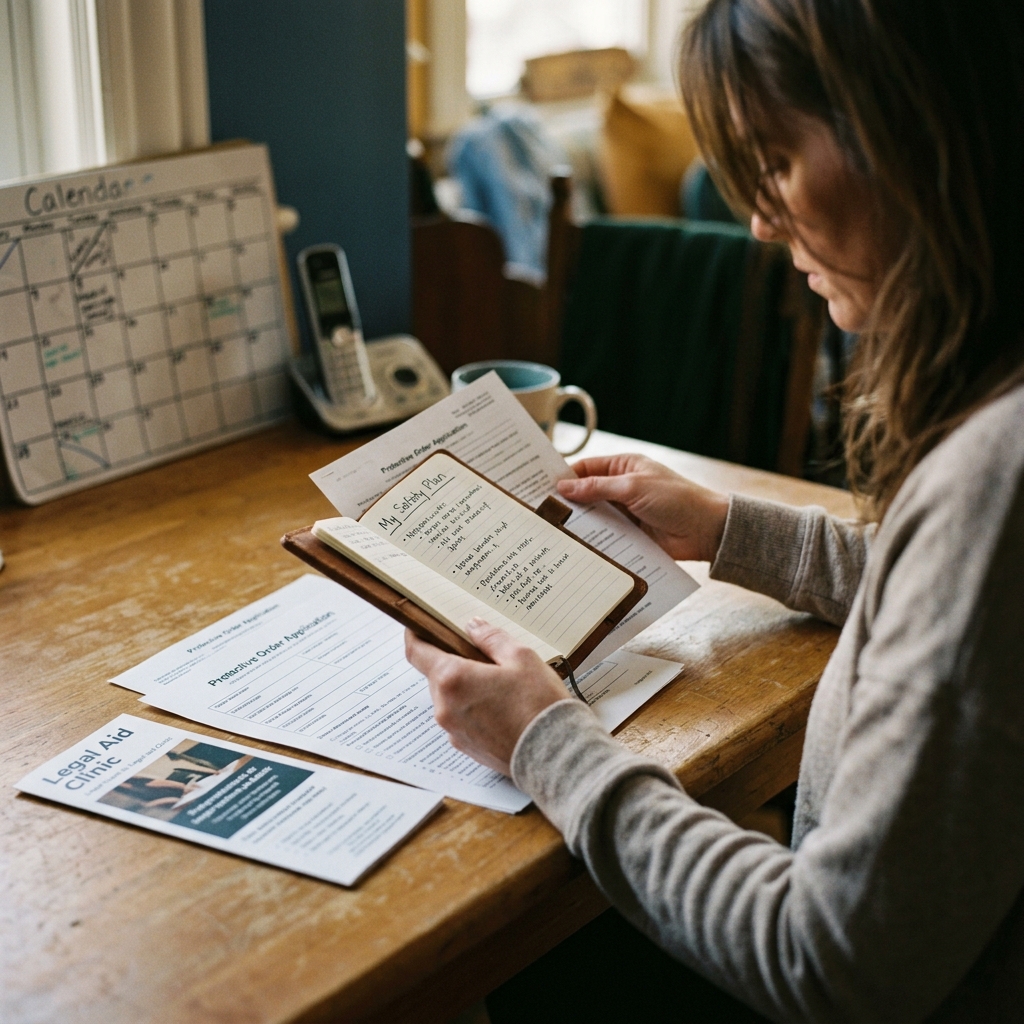
Domestic and family violence can affect anyone, regardless of age, gender, income, or background. Safety planning and understanding legal protections are two of the most important tools survivors can use to reduce risk, prepare for emergencies, and open pathways to long-term safety.
This guide explains what a safety plan is, how to create one that fits your circumstances, and which legal options may be available. It also highlights practical tips for staying safer at home, at work, and in public, along with answers to common legal questions.
Understanding Domestic Violence and Why Safety Planning Matters
Domestic violence (also called intimate partner violence or family violence) includes patterns of behavior used by one person to control another in an intimate or family relationship. It can be physical, emotional, psychological, sexual, financial, or digital abuse.
A safety plan is a personalized, practical plan that helps you identify ways to stay safer during an abusive incident, when preparing to leave, and after leaving the relationship. A good plan takes into account your living situation, children, health needs, financial circumstances, immigration or legal status, and technology use.
- Safety planning is proactive: it helps you think through dangerous situations before they happen.
- Safety planning is flexible: your plan can and should change as your circumstances change.
- Safety planning is confidential: it may be safer to keep it in your head or with a trusted person, not written down where the abuser can find it.
Core Components of a Personal Safety Plan
Although every plan is different, certain elements are common in most effective domestic violence safety plans.
| Safety Area | Key Planning Questions |
|---|---|
| Immediate physical safety | How will I reduce harm during an incident? Where can I go quickly? |
| Children and dependents | Where will they go? Who can help pick them up or shelter them? |
| Financial security | How can I access money, documents, and basic needs if I must leave suddenly? |
| Legal protections | Do I need a protective order, custody orders, or other court orders? |
| Technology & privacy | How do I reduce stalking or surveillance through phones, apps, or social media? |
| Support network | Who can I safely tell? Who can I call, stay with, or list as an emergency contact? |
Questions to Ask Yourself When Building a Plan
- What usually happens right before the abuse escalates?
- Which rooms in my home are safer and have exits (and fewer potential weapons)?
- Which neighbors, friends, or relatives could help in an emergency?
- Where could I go at any hour if I had to leave immediately?
- What documents and medications would I need if I could not return for a while?
- How could the abuser track or monitor me (phone, GPS, car, apps, social media)?
Staying Safer During a Violent Incident
If you are in immediate danger, your safety is the first priority. Nothing in a safety plan can guarantee you will not be harmed, but certain strategies can reduce risk.
Practical Strategies in the Home
- Move toward exits: if you sense an argument escalating, try to move to a room with a door that opens to the outside or a hallway, rather than rooms without exits.
- Avoid dangerous rooms when possible: kitchens, bathrooms, and garages often contain objects that can be used as weapons.
- Identify a safer spot: plan ahead where you and any children can go in an emergency (a neighbor’s home, a specific room, or a nearby public place).
- Teach children how to get help: if age-appropriate, they can learn to call emergency services, give their address, and use a code word that signals danger.
- Keep a phone accessible: try to have a charged phone with emergency numbers pre-programmed or easily accessible.
If you can safely call emergency services, provide your location and any information about weapons, injuries, or children present. When law enforcement responds, asking for the officers’ names and badge numbers can help your attorney or advocate later if you seek legal protection.
Planning to Leave an Abusive Relationship
Leaving an abusive partner can be one of the most dangerous times, as research shows the risk of severe violence often increases when a survivor attempts to separate. Careful planning, support from advocates, and legal protections can help reduce this risk.
Steps to Prepare for Leaving
- Do not announce your plans: many advocates recommend not telling the abuser you are planning to leave, as this can escalate danger.
- Gather essential documents: if safe, assemble or photocopy items such as identification, birth certificates, Social Security or national ID numbers, immigration documents, health insurance information, financial records, and any court papers.
- Prepare a quick-exit bag: keep a hidden bag or store it with a trusted person. Include clothing, medications, keys, important documents, emergency cash, and essential items for children.
- Identify safe destinations: contact a domestic violence shelter, hotline, or local advocacy organization to explore shelter, hotel vouchers, or safe homes.
- Set up transportation: think about how you will physically leave—car, public transport, ride share, or a friend. Keep the vehicle fueled if you have one.
- Develop a code word: choose a word or phrase you can say to family, friends, or neighbors that means you need immediate help or they should call the police.
Financial Safety Planning
Financial abuse is extremely common in domestic violence and can make it harder to leave. Survivors may be denied access to accounts, prevented from working, or forced to turn over paychecks.
- Save small amounts if safe: putting aside even small amounts of cash in a secure, private location can help with transport, food, or temporary shelter.
- Open a separate account: if it can be done safely, open an account in your own name at a different bank and consider paperless statements.
- Plan for joint funds: if you leave, advocates sometimes suggest taking a fair share of joint funds, especially if you are leaving with children, then documenting how you spend it for later legal processes.
- Protect your credit and identity: after leaving, you may need to change PINs, close joint accounts, and monitor credit reports for unauthorized debts.
Legal Protections: Orders of Protection and Beyond
Most regions offer legal tools such as protection orders (often called restraining orders, protective orders, or peace orders) designed to limit contact and increase accountability for abusers.
What a Protection Order Can Do
Exact details vary by jurisdiction, but civil or criminal protection orders may:
- Order the abuser not to contact, harass, threaten, or abuse you or your children.
- Require the abuser to stay a specified distance away from your home, workplace, or school.
- Grant temporary possession of the home to you (exclusive use and occupancy).
- Set temporary child custody or parenting time arrangements.
- Require the abuser to surrender firearms, depending on local law.
- Provide for law enforcement enforcement of the order if it is violated.
Courts may issue temporary (emergency or ex parte) orders quickly, often the same day, followed by a longer hearing where both parties can appear. Local legal aid organizations or domestic violence advocates can explain processes in your area.
Working With Lawyers and Legal Advocates
Legal professionals can support your safety planning and help you navigate courts for protection orders, divorce, custody, child support, and immigration relief if applicable.
- Safety in court: advocates may arrange separate waiting areas, security escorts, or staggered arrival and departure times so you are not alone with the abuser.
- Documentation: keeping a written record of incidents, police reports, medical records, and photographs can strengthen legal cases.
- Emergency relief: in some jurisdictions, courts can issue immediate temporary orders if you are in danger.
Staying Safer After Leaving
Leaving an abusive relationship is a major step, but safety planning should continue after separation. Many abusers continue to stalk, threaten, or attempt to regain control after the survivor leaves.
Home and Neighborhood Safety
- Change locks and secure entry points: if you have legal authority to do so, change locks, add deadbolts, and consider window locks or security devices.
- Notify neighbors and building staff: when safe, tell trusted neighbors, landlords, or building managers that the abuser no longer lives with you and should not be allowed in.
- Update children’s school information: provide schools and childcare providers with copies of any court orders and written instructions about who may pick up your children.
- Vary routines: change your commute, grocery store, or places you visit frequently when possible.
Technology and Online Safety
Technology can be used for both support and abuse. Abusers may track location, read messages, or impersonate survivors online.
- Change passwords: update passwords and PINs for email, banking, social media, and cloud accounts. Choose strong, unique passwords that the abuser cannot guess.
- Check devices for spyware or tracking apps: consider having phones or computers reviewed by a knowledgeable professional or advocate if you suspect monitoring.
- Watch location sharing: turn off shared locations in apps, social media check-ins, and photo geotagging.
- Be cautious on social media: limit posts that show your location, work, school, or new home; consider tightening privacy settings or temporarily restricting access.
Caring for Children in the Context of Abuse
Children are often deeply affected by domestic violence, whether they are directly harmed or “only” witnessing it. Safety planning should consider their physical safety and emotional well-being.
- Explain safety steps in age-appropriate language: help children understand when to call for help, where to go in an emergency, and that the abuse is never their fault.
- Coordinate with schools: provide school staff with relevant court orders and let them know who has permission to pick up your child.
- Consider supervised contact: in some cases, courts may order supervised visitation if unsupervised contact is unsafe.
- Seek counseling or support services: many communities offer trauma-informed therapy or group programs for children exposed to violence.
Support Networks and Professional Resources
You do not have to face domestic violence alone. Community organizations, hotlines, shelters, medical providers, and legal advocates can offer confidential support, information, and practical help.
Key Types of Support
- Domestic violence hotlines: national and local hotlines typically provide 24/7 confidential support, safety planning, and referrals to shelters and legal resources.
- Shelters and safe homes: shelters may offer emergency housing, supportive counseling, legal advocacy, and help with basic needs.
- Legal aid and pro bono attorneys: free or low-cost legal services can help with protective orders, family law, and immigration relief.
- Medical providers: doctors and nurses can treat injuries, document abuse, and sometimes connect you with advocates or social workers.
- Financial and housing programs: some regions offer emergency funds, rental assistance, or priority housing for survivors.
Frequently Asked Questions (FAQs)
Is a safety plan only for people who are ready to leave?
No. Safety planning is useful whether you are staying, unsure, planning to leave in the future, or have already left. Advocates often stress that you are the expert in your own situation, and a plan should reflect what feels safest for you right now.
Will getting a protection order stop the abuse?
A protection order is a legal tool, not a physical barrier. For some survivors, it reduces harassment and violence because the abuser fears legal consequences. For others, it may not deter abuse. It is important to combine legal protections with practical safety strategies and support from advocates.
Can I include my children in my protection order?
In many jurisdictions, children can be included as protected persons in an order, especially if they have been threatened, harmed, or used as a means of control. Local legal aid or a domestic violence attorney can explain the options where you live.
Should I move to another city or state to be safe?
Relocating can sometimes increase safety but also creates significant challenges, especially with custody, work, and support networks. Before moving, talk to a legal advocate about how relocation might affect custody, school enrollment, and enforcement of any protection orders.
What if I am worried about immigration or residency status?
Immigrant survivors may have access to specific protections, such as visas or relief based on abuse, in some countries. Because these laws are complex and vary by region, speak with an immigration attorney or accredited representative who understands both domestic violence and immigration law.
How can I help a friend or family member who is being abused?
Listen without judgment, believe what they tell you, and respect their decisions, even if they are not ready to leave. Offer information about hotlines and local services, and ask what support would feel most helpful. It is usually safer not to confront the abuser directly.
Key Takeaways for Survivors
- You are not to blame for the abuse, and you deserve to be safe.
- A safety plan is a living document—review and adjust it as your situation changes.
- Legal options like protection orders, custody orders, and criminal charges can be powerful tools, especially when paired with safety planning.
- Finances, technology, and children’s needs should be part of your safety plan.
- Confidential support is available from hotlines, shelters, legal aid, and community organizations.
References
- Safety planning tips — Urban Resource Institute. 2020-05-01. https://urinyc.org/safety-tips/
- HELP Toolkit: Identifying and Responding to Family Violence — Department of Justice Canada. 2022-03-15. https://www.justice.gc.ca/eng/fl-df/help-aide/tab10-onglet10.html
- What Is a Safety Plan? A Guide for Victims of Domestic Abuse — Jeff Anderson & Associates. 2023-02-10. https://www.andersonadvocates.com/blog/what-is-a-safety-plan-a-guide-for-victims-of-domestic-abuse/
- Domestic Violence Safety Tips — Maryland People’s Law Library. 2021-09-20. https://www.peoples-law.org/domestic-violence-safety-tips
- Safety Planning for Legal Professionals and Clients — National Network to End Domestic Violence (via StopRelationshipAbuse.org). 2020-11-05. https://stoprelationshipabuse.org/help/develop-a-safety-plan/safety-planning-for-legal-professionals-and-clients/
- Financial Safety Planning — National Network to End Domestic Violence. 2022-06-01. https://nnedv.org/content/financial-safety-planning/
- Domestic Violence Support — National Domestic Violence Hotline. 2023-08-10. https://www.thehotline.org
- Safety Planning — WomensLaw.org. 2021-04-19. https://www.womenslaw.org/safety-planning
Similar Articles








Read full bio of Sneha Tete


