
How To Hire A Contractor: 8 Steps To Protect Your Home Safely
Practical steps to hire a dependable contractor, protect your home investment, and reduce the risk of legal disputes.
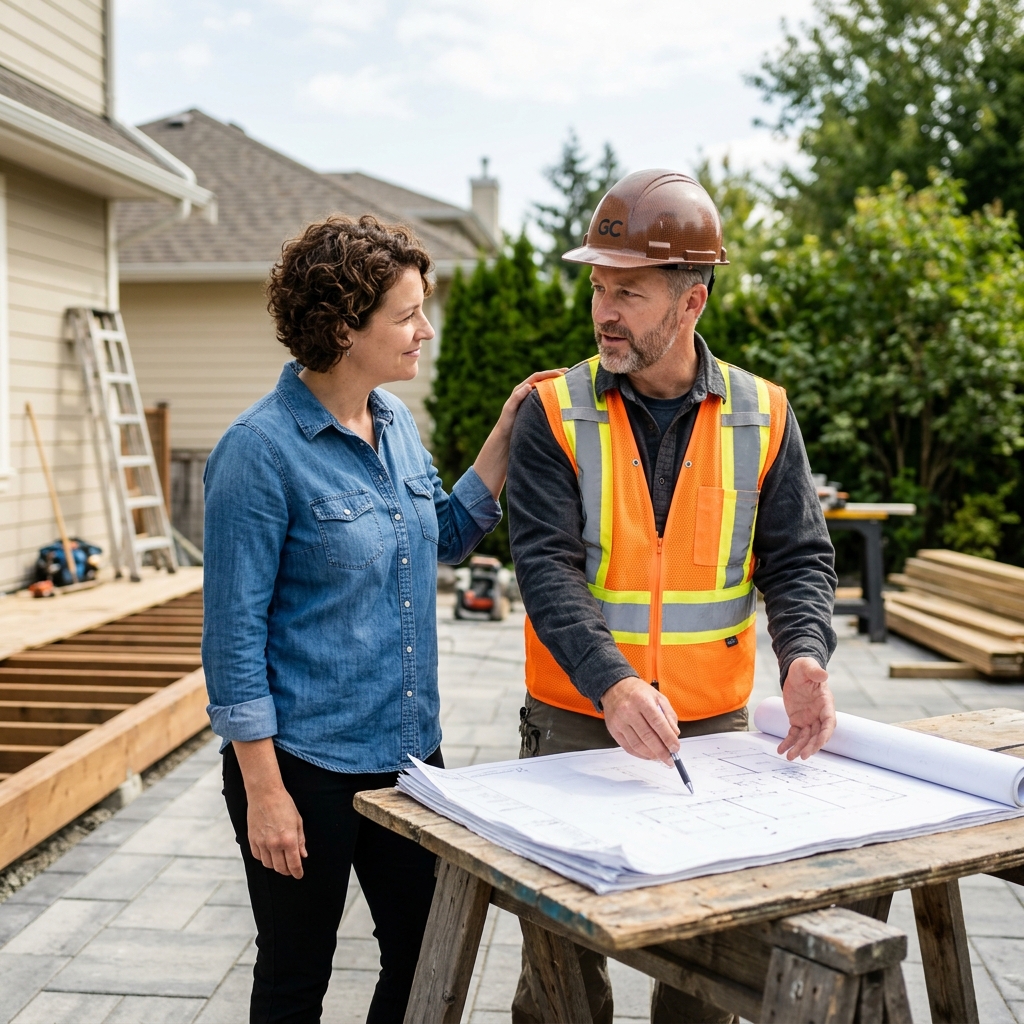
Hiring a contractor for a renovation, addition, or major repair is one of the largest financial and legal decisions many homeowners make. When it goes well, you gain value, comfort, and peace of mind. When it goes badly, you may face unfinished work, surprise costs, or even a lawsuit. This guide explains how to choose and manage a contractor you can trust, using practical steps that help you protect both your home and your legal rights.
Understanding the Risks of Hiring the Wrong Contractor
Before you start collecting bids, it helps to understand what can go wrong and why careful selection matters. Home improvement problems are among the top consumer complaint categories in many regions, often involving poor workmanship, delays, or payment disputes. When expectations are unclear or the contractor is unreliable, disagreements can escalate into legal conflict.
Common risks include:
- Unlicensed work that violates local law and may void insurance coverage.
- Inadequate insurance, leaving you exposed if workers are injured on your property.
- Substandard workmanship that is expensive to fix and may reduce your home’s value.
- Cost overruns caused by vague scopes of work or poor planning.
- Abandoned projects when the contractor mismanages finances or overbooks jobs.
These risks do not mean you should avoid contractors altogether. Instead, they highlight the need for structured research, written agreements, and ongoing oversight.
Step 1: Clarify Your Project Before You Call Anyone
The selection process starts with you. A clear project description makes it easier to compare bids and reduces misunderstandings later. Before contacting contractors, define the following:
- Scope of work: What areas of the home, what type of work, and what results you expect.
- Budget range: Your realistic spending limit, including a contingency for surprises.
- Timeline: Desired start date, target completion date, and any fixed deadlines (for example, events or seasonal constraints).
- Priorities: Whether quality, speed, or cost is most important if compromises are needed.
Having these basics written down helps you communicate consistently to every contractor you interview and discourages scope changes that later appear as unexpected charges.
Step 2: Build a Shortlist Using Trusted Sources
Once you understand your own project, focus on finding reputable candidates. Trusted referrals and reputable organizations are generally more reliable than random online ads.
Where to Look for Candidates
- Personal referrals: Ask friends, neighbors, and coworkers who recently completed similar work about their experiences.
- Professional associations: Look up members of recognized bodies such as home builders or remodeling associations, which often require adherence to industry standards.
- Better Business Bureau (BBB): Review ratings and complaint histories to see how companies respond when issues arise.
- Reputable directories: Research-focused platforms can provide reviews, but weigh patterns of feedback rather than single glowing or negative comments.
Gather at least three potential contractors so you can compare approaches, pricing, and professionalism side by side.
Step 3: Verify Licensing, Insurance, and Business Stability
Legal and financial safeguards are just as important as skill. Before you consider hiring anyone, confirm they are legally allowed to do the work and that they can manage the project responsibly.
| Item to Verify | Why It Matters | How to Check |
|---|---|---|
| License | Shows the contractor meets state or local requirements and is subject to regulatory oversight. | Contact your state licensing board or consumer protection agency; search by name or license number. |
| General liability insurance | Helps cover property damage caused during the project. | Request a current certificate of insurance directly from the contractor’s insurer. |
| Workers’ compensation | Protects you from liability if employees are hurt on your property. | Ask for proof of coverage and confirm with the insurance provider when possible. |
| Business location & history | Established businesses are more likely to honor warranties and follow through on commitments. | Check that they have a physical address, long-term phone number, and several years of operating history. |
Be cautious of contractors who refuse to provide documentation, pressure you to skip permits, or ask to work under someone else’s license. These are significant red flags.
Step 4: Review Previous Work and Talk to References
Past projects provide the clearest evidence of how a contractor performs in practice. Look beyond marketing brochures to see results, both completed and in progress.
How to Evaluate Past Work
- Ask for photos or videos of completed projects similar to yours.
- When feasible, visit a job site to observe cleanliness, safety, and organization.
- Look for consistency in materials and finishes, not just one impressive example.
Questions to Ask References
Ask each contractor for recent local clients and permission to contact them. When you do, consider asking:
- Did the project start and finish on time?
- Were costs close to the original estimate, and were changes explained clearly?
- How did the contractor handle problems or delays?
- Would you hire this contractor again?
If a contractor cannot or will not provide references, or if past clients report recurring issues, it is wise to move on.
Step 5: Conduct Structured Interviews and Compare Bids
With a shortlist and basic vetting complete, schedule interviews to discuss your project. Treat these conversations as professional meetings rather than informal chats.
Interview Topics to Cover
- Experience with similar projects: Ask specifically about work that resembles your design, age of home, and complexity.
- Team and subcontractors: Clarify who will be on site and how they are supervised.
- Project management: Learn how they schedule work, handle inspections, and communicate progress.
- Change process: Ask how they approve and price changes to the original plan.
Meanwhile, request written estimates from each contractor so you can compare on equal footing.
Understanding and Comparing Bids
- Check that each bid includes a clear description of work, materials, labor, permits, and cleanup.
- Be wary of unusually low bids, which may indicate missing elements or financial strain.
- Ask for clarification on any line items you do not understand before you sign.
The goal is not to choose the cheapest contractor, but the one who offers transparent, realistic pricing and has the infrastructure to deliver.
Step 6: Put Everything in a Detailed Written Contract
A well-drafted contract is your primary legal protection. It defines responsibilities, timelines, payment terms, and procedures if something goes wrong. Never rely solely on verbal assurances, even with someone who seems trustworthy.
Key Elements Your Contract Should Include
- Names and license numbers: Legal names of all parties, contractor’s license information, and contact details.
- Scope of work: Detailed description of tasks, materials, brands, and any drawings or specifications attached to the agreement.
- Schedule: Estimated start and completion dates, plus major milestones.
- Payment structure: Deposit amount, progress payments tied to milestones, and final payment due only after completion and inspections.
- Change orders: Written process for approving changes, including cost and time impact.
- Permits and inspections: Who is responsible for obtaining permits and scheduling inspections.
- Warranties: Any guarantees on workmanship or materials, and how warranty service is requested.
- Dispute resolution: Methods such as mediation or arbitration, and which laws apply if disputes arise.
Do not rush this stage. Read every clause and ask questions about anything that seems vague or one-sided. If the project is large or complex, consider having an attorney review the contract before you sign.
Step 7: Manage the Project to Prevent Problems
Hiring a good contractor is only half of the equation. Staying engaged during the project helps catch small issues before they become major disputes.
Good Practices During Construction
- Regular communication: Agree on how often you’ll receive updates (for example, weekly meetings or status emails).
- Written records: Keep copies of all change orders, emails, and texts related to the job.
- Site visits: Walk through the project periodically to compare progress with the contract and plans.
- Payment discipline: Pay only according to the agreed schedule and after verifying that milestones are met.
Before final payment, obtain receipts for materials and signed lien releases from subcontractors and the primary contractor when appropriate, which can reduce the risk of later claims on your property.
Step 8: Recognize Red Flags Early
Some warning signs appear before work begins; others emerge mid-project. Acting quickly when you see them may prevent financial loss or legal complications.
Pre-Hire Red Flags
- Reluctance to provide licenses, insurance documents, or references.
- Pressure to skip permits or work for cash to avoid taxes or regulations.
- Requests for very large upfront payments or full payment before work starts.
- Refusal to put key terms in writing.
During-Project Red Flags
- Repeated missed milestones with no explanation.
- Unapproved changes, such as swapping materials without discussion.
- Frequent requests for extra money unrelated to agreed change orders.
If you notice these patterns, document the issues and request a formal meeting to address them. If problems continue, consult your local consumer protection agency or a lawyer for guidance.
Frequently Asked Questions
How many contractors should I interview?
Most experts recommend interviewing and obtaining written bids from at least three contractors. This gives you enough data to compare prices, schedules, and professionalism without overwhelming yourself with options.
Is the lowest bid always a bad choice?
Not necessarily, but a significantly lower bid can mean the contractor omitted key tasks, is using inferior materials, or may struggle to pay subcontractors and suppliers. Carefully review low bids and ask for explanations; sometimes a lower price is justified, but sometimes it signals risk.
Do I really need a written contract for small projects?
Even if the project is modest, a simple written agreement that outlines scope, price, and timeline reduces misunderstandings. For larger or structural projects, a comprehensive contract is essential, both for financial clarity and legal protection.
What should I do if my contractor stops showing up?
First, document missed days and attempts to contact them. Then send a written request for an explanation and a plan to resume work. If there is still no response, review your contract’s termination and dispute clauses and seek legal or consumer protection advice before hiring someone else to finish the job.
How can I protect myself from mechanic’s liens?
Request itemized invoices, keep proof of payments, and obtain lien releases from the contractor and key subcontractors before final payment. This documentation helps show that you paid for the work and can reduce the risk that a subcontractor later claims non-payment.
Putting It All Together
Choosing a contractor you will not have to sue is about combining practical due diligence with legal awareness. Define your project, research candidates thoroughly, verify licenses and insurance, insist on a detailed written contract, and stay engaged from start to finish. While no process can eliminate risk entirely, these steps significantly reduce the chances of costly disputes, unfinished work, or legal battles. By approaching your project like both a homeowner and a careful consumer, you put yourself in a stronger position to achieve the results you want—without ending up in court.
References
- How to Find a Reliable Home Contractor — U.S. News & World Report. 2023-07-13. https://realestate.usnews.com/real-estate/articles/tips-for-finding-a-reliable-home-contractor
- How to hire a reliable and trustworthy general contractor — Better Business Bureau. 2023-03-01. https://www.bbb.org/all/home-improvement/how-to-hire-a-reliable-and-trustworthy-general-contractor
- 8 Pro Tips on How to Hire a Contractor — This Old House. 2024-02-10. https://www.thisoldhouse.com/home-finances/top-8-pro-tips-on-how-to-hire-a-contractor
- How to choose a contractor for your home renovation — Citizens Bank Learning Center. 2022-08-19. https://www.citizensbank.com/learning/steps-to-choose-a-contractor.aspx
- Checklist for Finding and Hiring a Builder or Remodeler — National Association of Home Builders. 2021-06-01. https://www.nahb.org/other/consumer-resources/checklist-for-finding-and-hiring-a-builder-or-remodeler
Similar Articles








Read full bio of medha deb


