
Can You Sue An Online Retailer: Jurisdiction, Liability In 2025
Understand where, when, and how a lawsuit against an online seller can be filed.
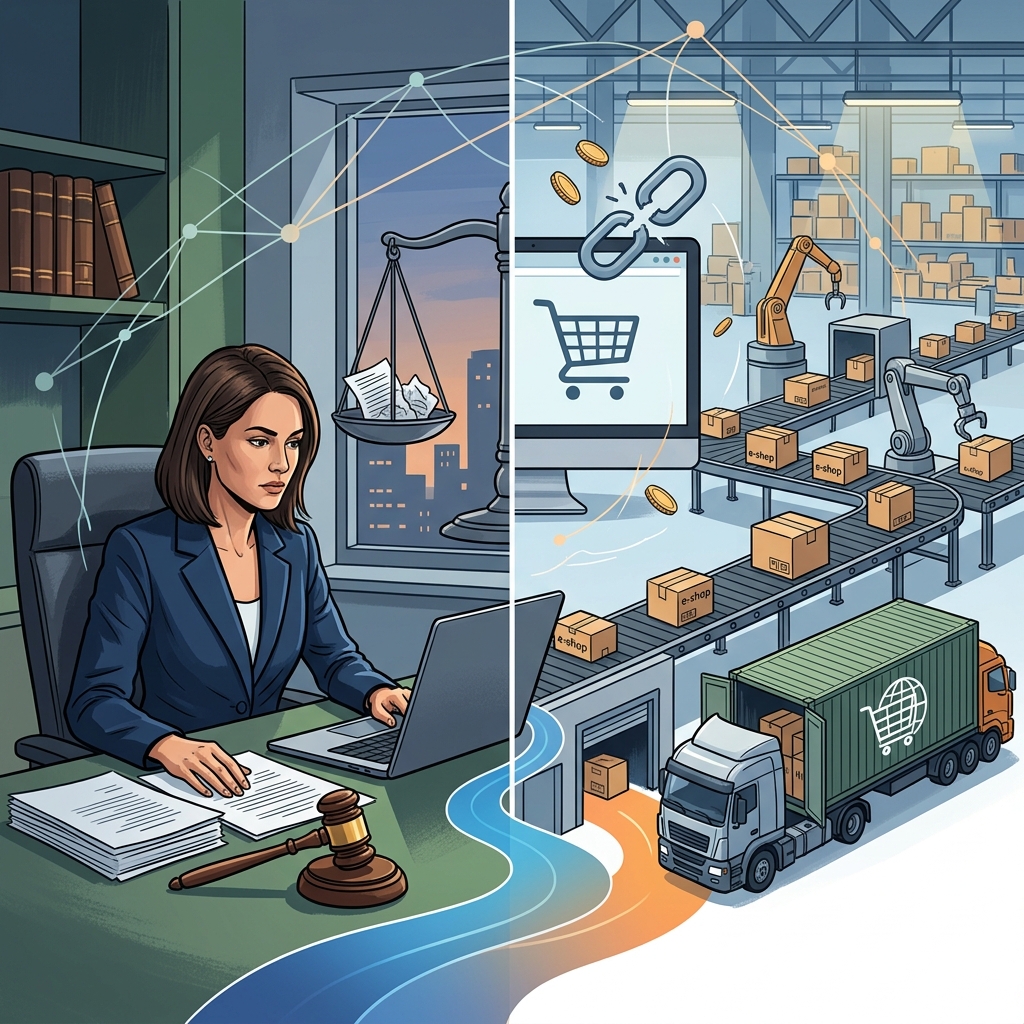
Can You Sue an Online Retailer?
Yes, it is often possible to sue an online retailer, but where and how you file the case can matter as much as the claim itself. Disputes involving e-commerce usually turn on jurisdiction, contract terms, the retailer’s role in the sale, and the type of harm involved. In some situations, a buyer may sue in their home state; in others, the case may need to be filed where the seller is based or where the retailer has meaningful business contacts.
That question becomes especially important when the retailer is not a traditional storefront but a company that sells through a website, a marketplace, or a third-party platform. The legal rules are not identical for every online seller, and the facts of the transaction can change the outcome significantly.
What Makes an Online Retailer Different
Online commerce creates distance between buyer and seller. That distance can complicate a lawsuit because courts do not automatically treat a website as if it were physically present everywhere its products are shipped. Instead, courts examine whether the seller has enough connection with a state to justify being sued there.
Some companies do business nationwide and clearly expect to serve customers in multiple states. Others take orders from a limited region or use an online marketplace without much direct involvement in delivery, customer service, or marketing. The more active and targeted the seller’s business is in a state, the stronger the case for suing there.
- Does the seller actively market to residents of the state?
- Does it ship products there on a regular basis?
- Does it have employees, offices, or warehouses there?
- Does it collect the buyer’s address and complete direct-to-consumer sales?
These facts can help show that the business is not a stranger to the forum state, even if it has no physical storefront there.
Jurisdiction Is Often the First Question
Before a court ever reaches the merits of a consumer’s claim, it must decide whether it has authority over the defendant. This is usually called personal jurisdiction. In plain terms, the court asks whether it is fair to require the retailer to defend the case in that location.
For online sellers, courts often focus on the seller’s contacts with the state where the lawsuit is filed. A company that regularly solicits customers, completes repeated sales, or otherwise does business with residents may be subject to suit there. By contrast, a seller that merely posted a product online and fulfilled an isolated order may have a stronger argument that the lawsuit belongs elsewhere.
| Issue | Why it matters |
|---|---|
| Business contacts | Frequent sales or targeted marketing can support jurisdiction. |
| Location of injury | The place where harm occurred may affect where a case can be filed. |
| Seller’s role | Marketplace operators, third-party sellers, and direct retailers may be treated differently. |
| Contract terms | Online terms may limit where disputes must be brought. |
Marketplace Sellers and Platform Operators Are Not Always the Same
Online retail often involves multiple businesses in the same transaction. A consumer may buy from a third-party seller on a larger platform, while the platform handles payment processing, warehousing, or shipping. In some disputes, the consumer may want to sue both the individual seller and the marketplace operator.
Whether that is possible depends on the platform’s legal role. A company that merely hosts listings may argue that it was not the seller. A platform that exercises more control over the sale, delivery, or product presentation may face greater exposure. Courts sometimes look closely at who profited from the sale, who controlled the transaction, and who placed the product into the stream of commerce.
This distinction matters because a consumer’s practical ability to recover damages may depend on which business can be held responsible and where that business can be sued.
Product Defects Can Create Stronger Claims
Many lawsuits against online retailers arise from defective products rather than ordinary consumer disappointment. If a product is unsafe, explodes, catches fire, causes injury, or fails in a way that leads to harm, the legal theory may involve product liability. That kind of case is often more serious than a simple complaint about shipping delays or poor service.
In product cases, plaintiffs may argue that the seller, distributor, marketplace, or other business in the supply chain should be responsible for the defect. The exact theory can vary by state, but the central issue is whether the defendant played a legally significant role in getting the product to the consumer.
- A manufacturing defect may involve a problem during production.
- A design defect may involve a dangerous product design itself.
- A warning defect may involve inadequate instructions or safety warnings.
Not every dispute over an online order is a product liability case. But when injury is involved, the legal stakes are much higher and the analysis becomes more complex.
Contract Terms Can Limit Your Options
Before filing suit, a consumer should check the website’s terms and conditions. Many online businesses include dispute-resolution provisions that affect how and where claims can be brought. These clauses may require arbitration, waive certain rights, or designate a particular court or state for litigation.
A forum-selection clause is especially important. It tells the parties that any lawsuit must be filed in a specific location. Courts often enforce these provisions if they are properly presented and not unconscionable under applicable law. That means a buyer may discover that even a local dispute must be brought far from home.
Arbitration clauses can also change the path of a case. Instead of a court trial, the dispute may have to be resolved in a private arbitration process. Consumers frequently overlook these provisions until a conflict arises, so reviewing the contract early is essential.
Where a Claim Might Be Filed
The best filing location depends on the facts, the amount in dispute, and the legal basis for the claim. A consumer may have several possible forums, but not all will be available in every case. Small claims court may be a practical choice for low-dollar disputes, while larger injury or defect claims may require a formal civil action.
When choosing a filing location, consumers and attorneys usually consider convenience, travel costs, available damages, local rules, and whether the retailer can challenge jurisdiction. A good forum is not just one that is geographically close; it is one that can lawfully hear the case and provide a realistic path to relief.
What Evidence Helps a Consumer Build the Case
As with any lawsuit, documentation matters. Online disputes often leave a digital trail, which can be useful in proving what happened and who was responsible.
- Order confirmations and invoices
- Copies of product listings and advertisements
- Emails or chat transcripts with customer service
- Photographs of the product or injury
- Return records, refund requests, and shipping labels
- Product packaging, manuals, and warning labels
Consumers should preserve the product itself whenever possible, especially if a defect caused injury or property damage. Altering or discarding the item may make it harder to prove the claim.
Defenses Online Retailers Commonly Raise
Retailers frequently challenge lawsuits by arguing that the court lacks jurisdiction, that the buyer agreed to a limiting contract term, or that the retailer did not actually cause the harm. They may also claim the product was modified, misused, or damaged by someone else after delivery.
In marketplace cases, the defendant may insist that another company in the supply chain is the proper target. In service-related disputes, the retailer may argue that the claim is really about a platform feature, shipping issue, or customer misunderstanding rather than a legal wrong. These defenses do not end every case, but they often shape strategy from the beginning.
When It Makes Sense to Speak With a Lawyer
Some online disputes are straightforward, but many are not. If the claim involves injury, a high-value purchase, a third-party marketplace seller, or a contract clause that limits your choices, legal advice can be useful before you file anything. An attorney can review the transaction, identify possible defendants, and determine whether a local court is likely to hear the case.
That guidance can also help a consumer avoid filing in the wrong place or missing a deadline. In some cases, the right move is to negotiate a refund or replacement. In others, the only effective path is a lawsuit.
Frequently Asked Questions
Can I sue an online store in my home state?
Sometimes. A court will usually look at whether the store has enough contacts with your state, whether it targeted customers there, and whether the dispute falls within any contract terms you agreed to.
What if the seller is on a large marketplace?
You may be able to sue the third-party seller, the marketplace operator, or both, depending on who actually sold the product and how much control each business had over the transaction.
Do I need to read the website’s terms before filing?
Yes. Terms and conditions may require arbitration, select a particular court, or otherwise affect your ability to sue where you live.
Is a defective product claim different from a refund dispute?
Yes. A refund dispute usually involves a commercial disagreement, while a defective product claim can involve injury, property damage, and product liability theories.
Can a small claim be filed against a big online retailer?
Often yes, but the retailer may still challenge the case based on jurisdiction or contract language. Small claims is usually best for simpler, lower-value disputes.
References
- Can I Sue an Online Retailer? — Avvo. 2025. https://www.avvo.com/legal-answers/can-i-sue-an-online-retailer–5449511.html
- Here’s How to Sue If You Were Injured by a Defective Product from a … — Enjuris. 2025. https://www.enjuris.com/blog/resources/sue-online-company/
- Online Purchases – Where Can You Sue? — Sherm Law. 2024. https://shermlaw.com/articles-by-ssjh-attorneys/online-purchases-where-can-you-sue
- Online Retail Laws and Third-party Sellers — CaseyGerry Trial Lawyers. 2024. https://caseygerry.com/blog/online-retail-laws-and-third-party-sellers/
- E-commerce Product Liability Isn’t Just for Amazon — Ayala Law P.A. 2024. https://www.lawayala.com/e-commerce-product-liability/
- Legal Issues to Consider Before Selling Products Online — Rincker Law. 2024. https://rinckerlaw.com/legal-issues-consider-selling-products-online/
Similar Articles








Read full bio of medha deb


