
Brushing Scams and Mystery Packages: A Consumer Guide
Learn why strange packages arrive at your door, how brushing scams work, and what steps protect your identity and accounts.
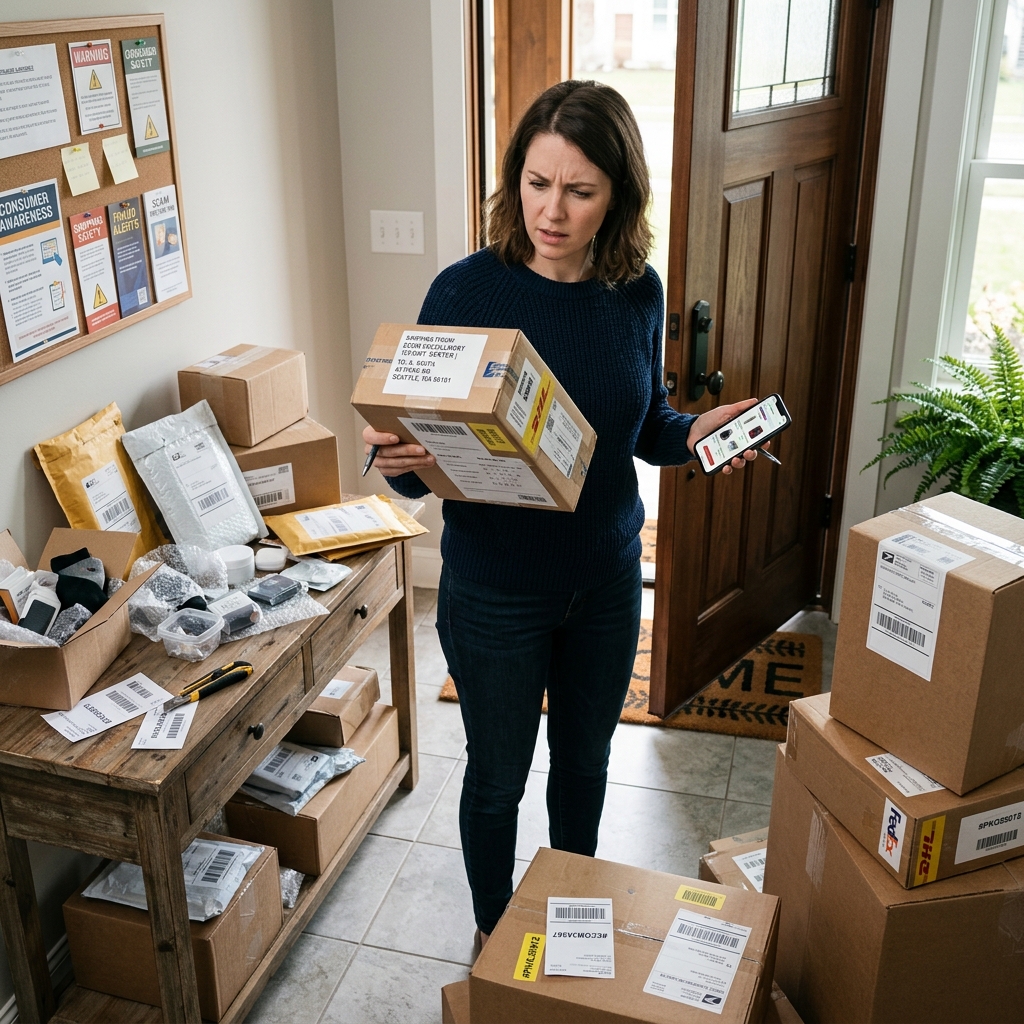
Millions of people have opened their front doors to find a package they never ordered. The box may contain cheap trinkets, household items, seeds, or even an empty envelope, often with an overseas return address or no meaningful sender information at all. If this has happened to you, you may be caught up in a brushing scam—a form of e-commerce fraud that uses your name and address to fake sales and reviews.
This guide explains what brushing scams are, why they exist, how they can affect you, and the practical steps you can take to protect your identity, your accounts, and your peace of mind. It is inspired by legal and consumer protection commentary but written in original language for general readers.
What Is a Brushing Scam?
A brushing scam occurs when a third-party seller or related fraudster sends merchandise to a person who never ordered it, then uses that delivery to pose as a verified buyer and post a fake positive review. The goal is not to charge you directly, but to make the seller’s products look popular and trustworthy on e-commerce platforms.
In practice, brushing scams typically involve:
- Unsolicited packages: Items show up at your address with your name on the label, even though you never placed an order.
- Low-value goods: Contents are usually inexpensive to buy and ship—small gadgets, plastic trinkets, seeds, socks, or similar items.
- Third-party sellers: The sender is frequently a marketplace seller, often international, trying to boost product rankings and visibility.
- Fake verified reviews: Scammers use your details to create or access accounts and then write glowing reviews that appear to come from actual customers.
According to the United States Postal Inspection Service (USPIS), this unsolicited merchandise is a sign that a seller is manipulating online reputation metrics while potentially misusing your personal information.
Why Do Scammers Send Free Stuff?
At first glance, it seems irrational to ship products to strangers for free. Yet the economics of modern e-commerce make brushing scams attractive to certain sellers. Here’s why.
Boosting Rankings and Sales
Online marketplaces often favor products with strong sales histories and numerous positive reviews. Being ranked higher or labeled as “top-rated” can dramatically increase visibility and revenue. Brushing scammers artificially create this appearance by:
- Generating fake orders that show up as completed transactions.
- Posting fabricated five-star reviews that appear “verified” because an item was shipped to a real address.
- Outperforming competitors who rely on genuine customer feedback.
Using Cheap Goods as Marketing Tools
Most brushed items are extremely low-cost and lightweight, making mass shipping relatively inexpensive compared to the potential profit from improved product visibility. A seller might view the cost of these items as a marketing expense to manipulate the platform’s algorithms.
Harvesting or Testing Personal Data
In some cases, scammers may use brushing as a way to confirm that your address and identity details are accurate and active. USPS cautions that these schemes can be linked to broader misuse of personal information, including identity theft and account compromise. Once validated, your data could be resold or reused for other frauds.
Where Does Your Information Come From?
People often worry that an unsolicited package means a direct hacking incident. That is sometimes true, but many brushing scams rely on widely available data rather than a fresh breach.
Common Data Sources
- Previous online orders: Some sellers or intermediaries misuse customer details obtained through legitimate purchases on marketplaces or international shopping sites.
- Data breaches: Large breaches can expose names, addresses, phone numbers, and email addresses, which are later traded on criminal markets.
- Public records: In some jurisdictions, voter rolls and other public lists display addresses that can be scraped and repurposed.
- Marketing databases: Third-party lead lists sometimes leak or are misused beyond their intended purposes.
The key point is that the package itself is usually a symptom of data being accessible or misused, not necessarily the original source of the exposure.
Is Brushing Illegal?
Brushing scams violate multiple legal norms and platform rules, even if recipients are not being charged for the goods.
| Jurisdiction / Context | Legal or Regulatory Issue |
|---|---|
| United States | Brushing is associated with potential mail fraud and deceptive business practices. USPIS classifies it as illegal and encourages reporting. |
| China | Chinese authorities have treated brushing as unlawful, particularly where firms fabricate orders and ratings on domestic and international platforms. |
| E-commerce platforms | Major marketplaces prohibit fake reviews, manipulated ratings, and fraudulent orders under their terms of service. |
Despite these rules, cross-border enforcement can be difficult. Sellers operating overseas may face limited consequences, leaving consumers and platforms to deal with the fallout.
How Dangerous Is a Brushing Scam for You?
On the surface, brushing scams may look harmless—after all, you are receiving goods without paying. Some consumer advocates note that many victims experience no direct financial loss from the packages themselves. However, important risks remain.
Identity and Data Risks
USPIS warns that if someone is sending items to your correct address, it could indicate that cybercriminals have access to at least some of your personal information. Possible consequences include:
- Opening accounts in your name using known identity details.
- Attempting unauthorized purchases using stored payment methods.
- Targeting you with more sophisticated phishing or social engineering attacks.
Account and Device Risks
Some packages may include QR codes, web addresses, or instructions asking you to verify a delivery or claim a prize. USPS and other consumer protection sources advise against scanning or following such prompts, as they can lead to malware or credential theft.
Product Safety Concerns
Authorities highlight additional caution when unsolicited items involve organic materials, chemicals, or unknown substances. Seeds, powders, liquids, or biological products may pose environmental or health risks, especially if their origin and regulatory compliance are unclear.
What Should You Do if You Receive a Package You Didn’t Order?
The right response depends on the nature of the package and your level of concern. Below are practical steps based on guidance from the United States Postal Inspection Service and consumer protection organizations.
1. Pause and Assess the Situation
- Verify that it isn’t a gift: Ask family or friends whether anyone sent you a surprise package. Legitimate gifts can resemble brushing shipments.
- Check the label: Note the sender information, shipping service, and any tracking numbers. Do not scan QR codes or visit unfamiliar URLs printed on the box.
2. Decide Whether to Keep, Return, or Discard
Under U.S. law, recipients generally are not obligated to pay for unsolicited merchandise and may keep it. However, you have several options:
- Keep the item: If the contents appear safe and useful, you can retain them without payment.
- Mark “Return to Sender”: If the package is unopened and has a valid return address, you can write “RETURN TO SENDER” and hand it back to USPS, which will process it at no cost.
- Dispose of it: If you distrust the contents or simply do not want the item, you may throw it away, provided it poses no safety hazard.
3. Protect Your Accounts and Identity
Because brushing may signal misuse of your data, it is prudent to strengthen your digital security:
- Change passwords: Update passwords for email, financial accounts, and major shopping sites. Avoid reusing the same password across services.
- Enable two-factor authentication (2FA): Add an extra verification step to key accounts to reduce the risk of unauthorized access.
- Review recent activity: Check bank statements, credit card transactions, and marketplace order histories for unfamiliar charges or orders.
- Monitor your credit: Consider credit monitoring, placing a fraud alert, or freezing your credit file if you suspect broader identity theft.
4. Report the Scam
Reporting brushing helps enforcement agencies and platforms identify patterns and target abusive sellers. Recommended actions include:
- Contact the retailer or marketplace: If the package appears associated with Amazon, eBay, or another platform, file a fraud report through their official website—not a phone number or link on the package.
- Request removal of fake reviews: Ask the platform to delete any reviews or account activity posted under your name in connection with the item.
- Notify postal authorities: USPIS encourages reporting brushing incidents involving the mail service so they can investigate potential mail fraud.
- Inform consumer protection agencies: In the United States, you can submit complaints to the Federal Trade Commission (FTC), which tracks deceptive business practices.
5. Treat Suspicious Contents Seriously
If the package contains organic materials (such as seeds or plants), unknown powders, liquids, or anything that appears hazardous, authorities advise contacting appropriate agencies instead of experimenting with or disposing of the contents yourself. Follow guidance on handling suspicious mail to protect yourself and others.
Recognizing Genuine Deliveries vs. Brushing
Not every unexpected package is a scam. Distinguishing between legitimate deliveries and brushing can reduce anxiety and help you respond appropriately.
Signs of a Possible Brushing Package
- You have no recollection of placing an order for the item.
- The item is extremely cheap or of no obvious use to you.
- The sender information is vague, foreign, or tied to an unfamiliar marketplace seller.
- You see no corresponding order in your major online shopping accounts.
- Packaging includes QR codes or URLs urging you to “confirm” or “claim” something.
Legitimate Reasons for Surprise Packages
- A gift from a friend or relative.
- A replacement or warranty shipment you forgot about.
- A subscription box arriving on schedule.
- A marketing sample from a company you previously interacted with.
When in doubt, avoid clicking or scanning anything related to the package, verify through known accounts, and contact the company using contact information from its official website.
Frequently Asked Questions About Brushing Scams
Do I have to pay for unsolicited merchandise?
In the United States, if you receive merchandise you did not order, you generally have no legal obligation to pay for it and may treat it as a gift. That said, you should still evaluate safety risks and consider reporting the incident.
Does receiving a brushed package mean my accounts were hacked?
Not necessarily. Your address and contact details could come from public records, marketing databases, or older data breaches rather than a direct compromise of your current accounts. However, it’s wise to update passwords and monitor activity as a precaution.
Is it safe to open the package?
Most brushing packages contain harmless low-value items, but there is no guarantee. If the contents look suspicious—especially seeds, powders, or unknown substances—authorities recommend contacting relevant agencies and following guidelines for suspicious mail rather than handling the items directly.
Should I contact the sender listed on the label?
Consumer protection guidance generally advises against engaging directly with the sender, as doing so may confirm the accuracy of your address or expose you to further scams. Instead, report the incident to the marketplace (through official channels) and to postal or consumer authorities.
Can brushing scams lead to identity theft?
Brushing scams often signal that some of your personal data is circulating among marketers or fraudsters. While the package itself does not constitute identity theft, the underlying data exposure raises the risk of misuse. That is why monitoring credit, securing accounts, and reporting suspicious activity are important steps.
Are brushing scams only from China?
China is frequently mentioned in media coverage because many cross-border sellers and early documented brushing schemes were linked to Chinese marketplaces. However, similar tactics can originate from sellers in various countries wherever online reviews and rankings affect sales.
Practical Checklist: If You Get a Package You Didn’t Order
- Confirm it is not a gift or expected shipment.
- Do not scan QR codes or follow unknown links on the packaging.
- Decide whether to keep, return, or safely discard the item.
- Change passwords on important accounts and enable 2FA.
- Review financial and shopping accounts for unfamiliar transactions.
- Monitor your credit and consider a fraud alert or credit freeze if concerned.
- Report the incident to the retailer, USPIS, and consumer protection agencies.
- Seek guidance if the contents appear hazardous or unusual.
References
- Shipping Scam From China — What Is “Brushing”? — FindLaw Consumer Protection Blog. 2019-07-15. https://www.findlaw.com/legalblogs/consumer-protection/shipping-scam-from-china-what-is-brushing/
- Brushing Scam — United States Postal Inspection Service. 2023-03-10. https://www.uspis.gov/news/scam-article/brushing-scam
- Did you get a package you didn’t order? — USPS Employee News. 2025-08-05. https://news.usps.com/2025/08/05/did-you-get-a-package-you-didnt-order/
- Brushing Scams: What to Do if You Get a Package You Didn’t Order — Maps Credit Union Blog. 2024-02-12. https://www.mapscu.com/blogs/brushing-scams/
- Hi all! It appears I’m victim to a brushing scam. How worried should I be? — Reddit r/Scams AutoModerator explanation citing Forbes. 2022-07-13. https://www.reddit.com/r/Scams/comments/vxhky0/hi_all_it_appears_im_victim_to_a_brushing_scam/
Similar Articles








Read full bio of medha deb


