
5 Hidden Dangers of Skipping Estate Planning
Understand the real-life risks of dying without a clear estate plan and how simple steps today can protect your family tomorrow.
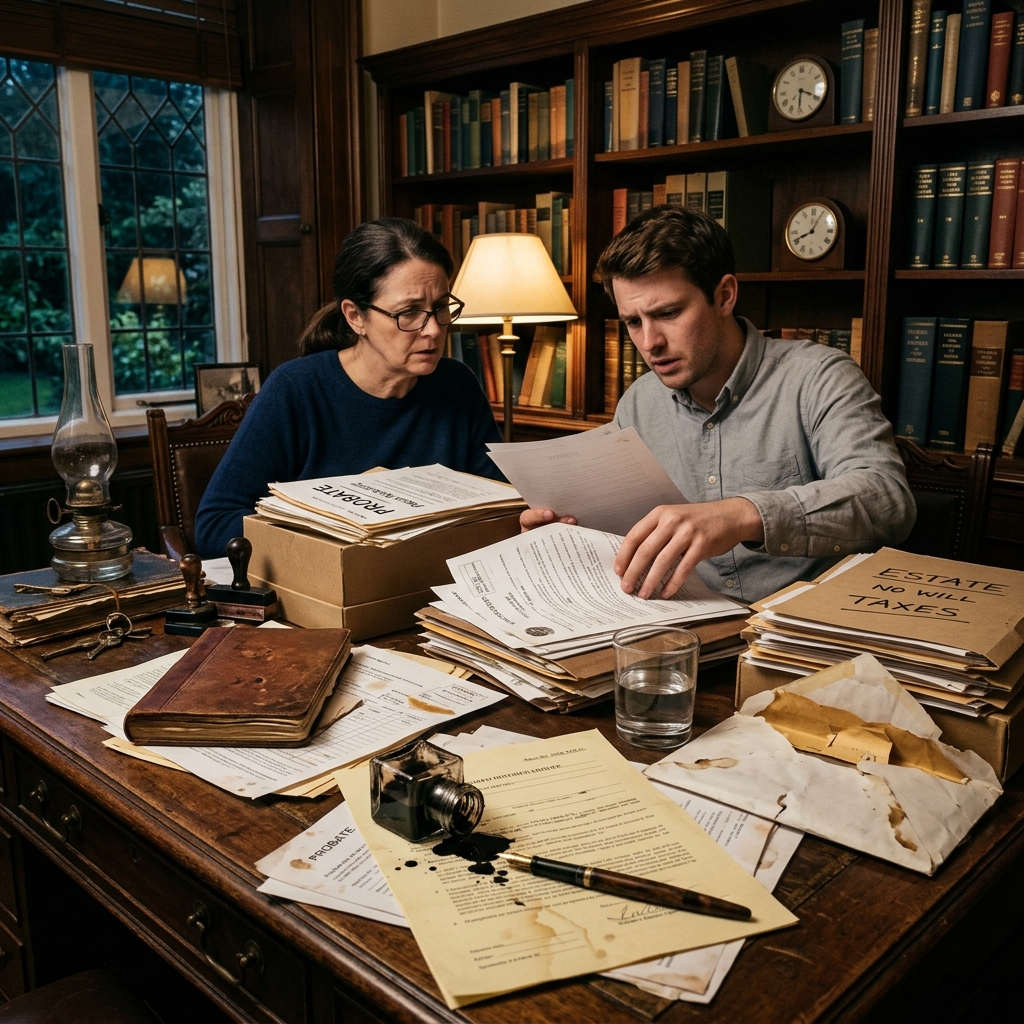
Many people assume estate planning is only for the wealthy or for those nearing retirement. In reality, almost every adult with any assets, children, or personal wishes about medical care can benefit from a basic estate plan. When you have no plan in place, courts and state law step in to make decisions for you, often in ways you would not have chosen.
According to wealth and financial planning professionals, failing to plan at all is consistently cited as the most common and serious estate planning mistake. Without clear instructions, your loved ones can be left to navigate complicated legal processes at the worst possible time—when they are grieving and emotionally overwhelmed.
This guide explores five major pitfalls of not planning your estate, and offers practical strategies to avoid them. It is inspired by common issues identified by financial institutions and legal experts, but presents original explanations and examples tailored to everyday families.
Why Estate Planning Matters Even If You’re Not Rich
Estate planning is not just about minimizing taxes or transferring large investments. A simple plan can:
- Specify who receives your money and property after you die.
- Appoint trusted people to manage finances and health decisions if you become incapacitated.
- Protect minor children and other dependents with guardianship instructions.
- Reduce the time, cost, and stress of court involvement.
Financial institutions describe estate planning as a comprehensive approach to organizing your assets and intentions for what happens at incapacity or death. Even a modest estate can trigger disputes or delays if there is no clear plan.
Overview: Common Mistakes When There Is No Plan
When someone dies or becomes incapacitated without a plan, several problems frequently appear:
| Pitfall | Primary Impact | Who Is Affected Most |
|---|---|---|
| Court-controlled distribution | State law, not personal wishes, determines who inherits. | Unmarried partners, blended families, estranged relatives. |
| Probate delays and extra costs | Assets are tied up in court, legal fees reduce what’s left. | Heirs who rely on your income or savings. |
| Family conflict and confusion | Arguments over property, caregiving, and decision-making. | Adult children, siblings, and step-relatives. |
| Unprotected minors and dependents | Court chooses guardians and manages money for children. | Minor children and vulnerable adults. |
| Tax and planning opportunities lost | No use of trusts or tools that could reduce taxes or preserve wealth. | Families with property, retirement accounts, or business interests. |
Pitfall 1: Letting State Law Decide Who Inherits
If you die without a will or other estate planning documents, your estate is distributed according to your state’s “intestate” laws, not your personal wishes. These laws follow fixed formulas that often prioritize spouses and blood relatives, and they may completely ignore:
- Unmarried partners or long-term companions.
- Stepchildren you helped raise but never adopted.
- Close friends or extended family you intended to benefit.
- Charitable causes you care about.
Legal and financial guides repeatedly warn that failing to have a plan means your state effectively creates one for you—and that plan may not match your values or the needs of your family. This can be particularly problematic for blended families, where children from previous relationships may be treated differently than you expected.
Real-World Consequences of Intestate Rules
When the law, rather than a personal plan, controls your estate:
- Partner displacement: A surviving partner may receive nothing if the law does not recognize the relationship.
- Uneven support: Children who need more financial help (for health or education) cannot be given priority.
- Unexpected heirs: Distant or estranged relatives might inherit simply because they are next in line under the statute.
- No charitable giving: Without instructions, courts generally cannot direct funds to charities or causes.
How to Avoid This Pitfall
- Create a valid will that specifies who should receive each major asset.
- Coordinate beneficiary designations on retirement accounts, life insurance, and payable-on-death accounts to match your will.
- Review and update your plan after major life events such as marriage, divorce, birth of a child, or the death of a close relative.
Pitfall 2: Long, Costly Probate and Administrative Delays
Probate is the court-supervised process of validating a will (if one exists) and overseeing the distribution of a deceased person’s property. When there is no plan—or when the plan is incomplete—probate can be slower, more complicated, and more expensive.
Financial institutions highlight probate delays and costs as key risks of poor estate planning, especially where trusts are not properly funded or essential documents are missing. In some cases, probate can last many months or even years, tying up property and preventing heirs from accessing what they need.
Typical Problems in Probate When There Is No Plan
- Higher legal and court fees: Unclear or contested estates require more work from attorneys and courts.
- Asset freeze: Bank accounts and investments may be unavailable until the court approves distributions.
- Business disruption: If you owned a business, operations can be affected while ownership and authority are clarified.
- Public disclosure: Probate proceedings are usually public, reducing privacy for you and your heirs.
Strategies to Reduce Probate Burdens
- Use revocable living trusts and ensure assets are correctly titled in the name of the trust, so they can pass outside probate.
- Maintain a complete inventory of your assets and debts, including digital accounts, to streamline administration.
- Consider transfer-on-death or payable-on-death designations where appropriate to bypass probate on specific accounts.
Pitfall 3: Family Conflict, Confusion, and Broken Relationships
Another major risk of not planning is the emotional fallout. Without clear written instructions, surviving relatives must guess what you would have wanted, which can lead to disputes and resentment. Legal and financial guides note that poor communication and missing documents frequently result in disagreements among heirs.
Common Sources of Estate-Related Conflict
- Different expectations: Family members may assume they will inherit specific items or amounts, only to be surprised by what the law provides.
- Caregiving disputes: Relatives may argue over who should care for children, elderly parents, or disabled dependents.
- Perceived favoritism: If distributions appear unequal or unfair, siblings and step-relatives may interpret them as a judgment of worth or love.
- Unclear decision-makers: Without appointed executors or agents, multiple people may try to take charge, causing friction.
Communication-Based Solutions
Experts recommend a combination of documentation and conversation to reduce conflict:
- Choose a trustworthy, neutral executor or trustee and inform them of your choice in advance.
- Hold family discussions about your general intentions, even if you do not share every detail, to set expectations.
- Include a letter of explanation with your will, especially if distributions are not equal, to clarify your reasoning and reduce misunderstanding.
Pitfall 4: Lack of Protection for Children and Other Dependents
Parents and caregivers have additional responsibilities when it comes to estate planning. Failing to plan can leave minors and vulnerable adults at risk. Legal guidance emphasizes that leaving assets outright to minors, or forgetting to name guardians, can create significant complications.
Risks for Minor Children
- Court-selected guardians: If you have not named guardians, a judge will decide who raises your children based on limited information.
- Restricted access to funds: Children cannot legally manage inheritances; the court must appoint someone to oversee the money.
- Lack of long-term planning: Without trusts or structured distributions, children may receive large sums at a young age, without guidance.
Risks for Other Dependents
- Disabled or medically fragile relatives may lose important benefits if inheritances are not coordinated with public assistance programs.
- Elderly family members who depend on your support could be left without clear financial arrangements.
Planning Tools to Protect Dependents
- Include guardianship nominations in your will for minor children.
- Use trusts to manage money for children or vulnerable adults, specifying how and when funds can be used.
- Coordinate with professionals to explore special needs planning if a beneficiary relies on public benefits.
Pitfall 5: Missed Tax and Financial Planning Opportunities
For families with property, investments, or retirement savings, not planning can lead to avoidable tax burdens and missed opportunities to preserve wealth. Several wealth management firms emphasize that estate planning is closely tied to tax planning and asset protection.
Examples of Missed Opportunities
- No use of tax-efficient structures: Trusts and other tools may reduce estate and income taxes for heirs when used appropriately.
- Poor beneficiary choices: Naming the wrong type of beneficiary for retirement accounts can accelerate taxes.
- Inefficient asset ownership: Titling property incorrectly may increase probate exposure and complicate transfers.
How Professional Advice Helps
Academic and professional sources highlight the importance of forming a team—typically including an attorney, tax advisor, and financial planner—to create a coordinated estate and succession strategy. Even if your estate is not subject to federal estate tax, state-level taxes or income taxes on inherited assets can matter.
- Review whether your state imposes estate or inheritance taxes and plan accordingly.
- Coordinate estate planning with retirement planning and business succession planning if you own a business.
Essential Documents in a Basic Estate Plan
You do not need an elaborate plan to make a meaningful difference. Financial planning resources suggest that most people benefit from a core set of documents.
- Last will and testament: States your wishes for asset distribution and guardianship.
- Durable financial power of attorney: Appoints someone to manage money and property if you cannot.
- Health care directive and medical power of attorney: Specifies your medical preferences and designates a decision-maker.
- Beneficiary designations: For life insurance, retirement accounts, and certain bank accounts.
- List of digital assets: Includes online accounts, domain names, cryptocurrencies, and access information.
Practical Steps to Start Your Estate Plan
If you currently have no estate plan, you can begin with a few practical steps:
- Make a list of all significant assets (home, savings, investments, business interests, insurance policies, retirement accounts).
- Identify the people or charities you want to benefit and in what way.
- Consider who you trust to act as executor, trustee, or agent for financial and medical decisions.
- Schedule a consultation with an estate planning attorney to translate your decisions into legally valid documents.
- Share the location and key details of your plan with those who will need them.
FAQs About Estate Planning Pitfalls
Do I really need an estate plan if I only own a home and a small savings account?
Yes. Even a single home can trigger probate and potential conflict if there is no plan in place. Courts will decide who inherits your property according to state law, which may not match your intentions. A basic will and updated beneficiary designations can significantly streamline this process.
At what age should I start thinking about estate planning?
Experts recommend starting as soon as you have assets, children, or strong preferences about medical care. Young adults often need at least powers of attorney and health care directives; parents of minor children should add wills and guardianship nominations.
Is a handwritten note enough to avoid these pitfalls?
In most cases, no. While some states recognize certain handwritten wills, they may be easier to challenge and may not cover all legal requirements. Professional sources strongly advise working with an attorney or using legally sound documentation to ensure your wishes are enforceable.
How often should I update my estate plan?
Legal and financial guidance suggests reviewing your plan every few years and whenever major life events occur, such as marriage, divorce, births, deaths, or significant changes in assets or tax law. Updates help keep your plan aligned with your current situation.
What happens if I create a trust but forget to move assets into it?
If you do not title assets in the name of your trust, those assets may still go through probate and may not be managed according to the trust’s terms. Several financial institutions highlight unfunded trusts as a common and costly mistake.
References
- 10 estate plan pitfalls to avoid — Fidelity Investments. 2023-06-15. https://www.fidelity.com/viewpoints/wealth-management/estate-planning-common-pitfalls
- 7 common estate planning mistakes to avoid — Mariner Wealth Advisors. 2025-07-05. https://www.marinerwealthadvisors.com/insights/7-common-estate-planning-mistakes-to-avoid/
- 10 Common Estate Planning Mistakes — TD Wealth. 2023-09-21. https://www.td.com/us/en/investing/learning-and-insights/10-common-estate-planning-mistakes
- Top Estate Planning Mistakes to Avoid in 2025 — Sallen Law Firm. 2025-02-10. https://www.sallenlawfirm.com/blogs/2025/february/top-estate-planning-mistakes-to-avoid-in-2025-a-/
- Top estate planning pitfalls and how to avoid them — TIAA. 2022-11-30. https://www.tiaa.org/public/invest/services/wealth-management/perspectives/estate-planning-pitfalls
- Avoid These 12 Common Estate Planning Mistakes — Kiplinger. 2024-03-18. https://www.kiplinger.com/retirement/estate-planning/common-estate-planning-mistakes
- Twelve Estate and Succession Planning Mistakes to Avoid — Center for Agricultural Law and Taxation, Iowa State University. 2022-09-09. https://www.calt.iastate.edu/post/twelve-estate-and-succession-planning-mistakes-avoid
Similar Articles








Read full bio of medha deb


