
When Youth Sports Turn Toxic: Lessons from a Little League Threat Case
A disturbing Little League death-threat case shows how parental rage can spill into crime and what leagues can do to stay safe.
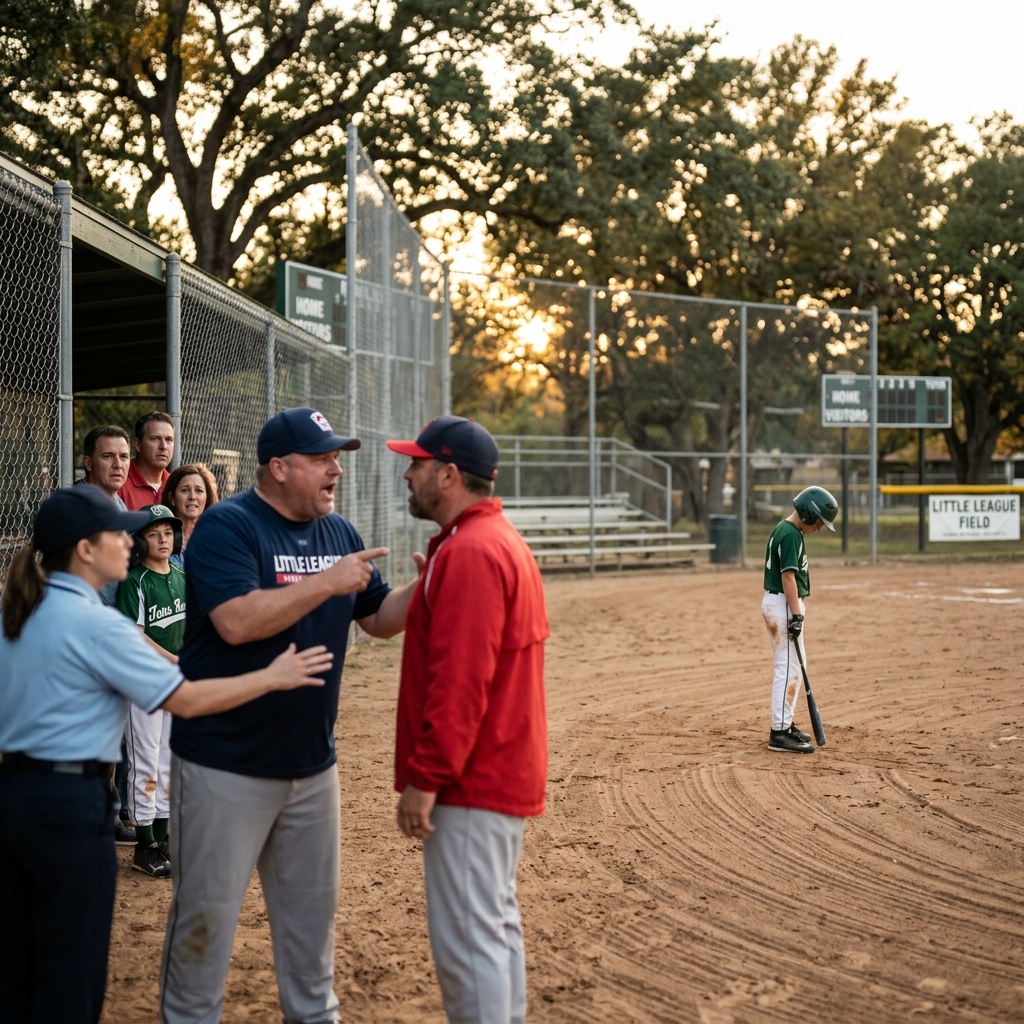
Youth sports are often promoted as a way to teach children teamwork, resilience, and respect. Yet, one high-profile case involving a New York Little League parent who allegedly sent death threats and stalked a coach after her son failed to make a travel team illustrates how quickly that positive environment can be poisoned by adult misconduct.
This article uses that case as a starting point to explore the legal consequences of threatening behavior, the impact on families and communities, and the safeguards that youth sports organizations can put in place to prevent similar incidents.
From Disappointment to Criminal Investigation
According to news reports, a Long Island mother became enraged when her child was cut from an East Meadow Little League travel team and allegedly embarked on a campaign of harassment against a league official and his family.
- Triggering event: The child did not make the travel team, a more competitive squad that usually requires tryouts and coach selection.
- Escalation: The mother allegedly sent multiple threatening letters, including statements implying that the coach and his family could be killed, and engaged in behavior that police classified as stalking.
- Arrest: Local law enforcement arrested her on charges related to threats and harassment following an investigation into the communications sent to the coach and his family.
While the emotional core of the case—parental frustration over a child’s exclusion—is common in youth sports, the response crossed the line from intense disappointment into alleged criminal conduct.
What Counts as a Criminal Threat or Stalking?
In the United States, threatening another person can move from rude or aggressive behavior into criminal territory when specific legal elements are met. Although statutes vary by state, several common themes appear across criminal codes.
Elements of Criminal Threats
Most jurisdictions punish serious threats when they include these features:
- Specificity: The threat clearly communicates an intention to cause serious harm or death.
- Credibility: A reasonable person would interpret the threat as genuine, not purely joking or hyperbolic.
- Target: The threat is directed at a particular individual or group, as was the case with the coach and his family.
- Medium: Threats can be delivered in person, in writing, via phone calls, emails, texts, or social media posts.
In the New York Little League incident, police and prosecutors evaluated the letters and alleged conduct and determined that the communications warranted criminal charges, indicating that they considered the threats serious and targeted.
Stalking and Harassment in Youth Sports Contexts
Stalking laws typically involve a pattern of unwanted contact or surveillance that causes fear or emotional distress for the victim. That pattern may include:
- Repeated phone calls or messages after being asked to stop.
- Showing up uninvited at a person’s home, workplace, or children’s activities.
- Following someone in public spaces.
- Monitoring online activity or using social media to intimidate.
News coverage of the Little League case describes conduct that reportedly went beyond isolated angry messages and entered into repeated, intimidating behavior, which law enforcement classified as stalking.
Legal Consequences for Parents Who Cross the Line
When parents’ actions move into criminal threats or stalking, they face potentially serious legal consequences. These penalties send a clear message: misconduct around children’s activities is not exempt simply because it stems from sports or school competition.
| Type of Conduct | Typical Legal Category | Potential Consequences |
|---|---|---|
| Death threats in letters, emails, or texts | Criminal threats, intimidation, or menacing | Criminal charges, possible jail or prison time, fines, protective orders |
| Pattern of unwanted contact or following | Stalking or harassment | Criminal charges, restraining orders, restrictions near victims or sports venues |
| Online campaigns of abuse against coaches or officials | Cyber harassment, cyberstalking | Charges under modern cybercrime statutes, removal from leagues or organizations |
| Violent outbursts at games | Assault, disorderly conduct | Arrest at the scene, league bans, potential civil liability for injuries |
Beyond criminal penalties, parents may face civil lawsuits from victims seeking compensation for emotional distress, security costs, or other damages. Youth sports organizations may also impose internal sanctions, including permanent bans from league activities.
The Human Cost: Impact on Families, Children, and Coaches
Cases involving threats and stalking in youth sports settings highlight the broader damage that adult misconduct can inflict on children and communities.
Effects on the Targeted Family
- Fear and anxiety: Knowing that a person has threatened harm can create ongoing fear, especially when children are involved.
- Disruption of daily life: Families may change routines, install security systems, or seek police protection.
- Social fallout: League officials and coaches may withdraw from volunteer roles or avoid public events.
Effects on Children in the League
- Children may witness police presence, media coverage, or adult conflict around something that is supposed to be fun.
- Some kids may quit sports due to fear or discomfort, losing opportunities for physical and social development.
- Trust in adults may erode, particularly when the conflict involves parents and coaches they once respected.
Psychological Stress on Coaches and Volunteers
- Coaches may feel unprotected or unsupported when disputes escalate, making them reluctant to enforce rules or make difficult roster decisions.
- Volunteer burnout can increase, reducing the availability of qualified adults to run programs.
- Fear of retaliation can influence coaching decisions, undermining fairness and transparency.
These consequences demonstrate why leagues must treat threatening behavior as a serious problem, not merely a personal dispute between parent and coach.
How Little League and Other Youth Sports Try to Prevent Abuse
Recognizing these risks, national organizations like Little League Baseball have developed formal child protection programs and conduct policies to safeguard players, volunteers, and families.
Core Principles of Child Protection Policies
Little League’s child protection guidance emphasizes the creation of a zero-tolerance culture for abuse and misconduct, including mental and emotional abuse.
- Mandatory reporting: Leagues are instructed to promptly report suspected child abuse, including emotional or physical abuse, to appropriate authorities.
- Screening and training: Volunteers undergo background checks and are encouraged to participate in training about recognizing and preventing abuse.
- Limiting one-on-one contact: Policies discourage situations where adults are alone with unrelated minors, reducing opportunities for misconduct.
- Suspension during investigations: Individuals accused of abusive behavior may be suspended from league activities while investigations are pending.
Although these policies focus heavily on protecting children from abuse by adults, they also provide a framework for dealing with threatening or aggressive behavior among parents and volunteers.
Managing Parent Misconduct and Threats
Child protection policies increasingly acknowledge that parents can be sources of emotional harm and intimidation, especially when they direct rage at coaches, officials, or other children.
- Behavior codes: Many leagues require parents to sign codes of conduct that prohibit abusive language, threats, or harassment.
- Clear sanctions: Leagues may publish specific consequences for violations, such as temporary suspensions or permanent bans from league activities.
- De-escalation guidance: Official resources encourage stressed individuals to remove themselves from the situation before conflicts escalate.
- Communication protocols: Volunteers are often instructed not to engage in direct electronic communication with players without another adult copied, reducing opportunities for misunderstanding or manipulation.
Cases like the New York mom’s alleged threat campaign illustrate why these safeguards must be taken seriously and consistently enforced.
Warning Signs: When Intense Involvement Becomes Dangerous
Most parents who are deeply invested in their children’s sports lives never cross legal lines. However, recognizing early warning signs of unhealthy behavior can help leagues and other parents intervene before a situation escalates.
Red Flags in Parent Behavior
- Persistent anger after decisions: Continuing to argue about team selection, playing time, or coaching choices long after explanations have been provided.
- Personal attacks: Moving from criticism of decisions to insults directed at the coach’s character, family, or personal life.
- Boundary violations: Showing up uninvited at a coach’s home or workplace, or contacting them at inappropriate times.
- Threatening tone: Using language that suggests harm, revenge, or violent outcomes if the parent’s demands are not met.
- Online escalation: Posting targeted, hostile messages about coaches or officials on social media, sometimes rallying others to join.
When these behaviors appear, leagues should record incidents, communicate clear boundaries, and consider involving law enforcement if threats or stalking emerge.
Practical Steps for Leagues to Protect Coaches and Families
Youth sports organizations can take proactive steps to reduce the risk of similar threat incidents and to respond effectively when they occur.
Policy and Training Measures
- Written conduct policies: Distribute clear rules about acceptable and unacceptable behavior for parents, players, and volunteers, including examples specific to threats and harassment.
- Preseason meetings: Explain selection processes, playing-time philosophies, and grievance procedures so parents know how decisions are made and how to raise concerns appropriately.
- Coach support: Train coaches on how to respond to hostile interactions, emphasizing documentation and referral to league leadership rather than personal confrontation.
- Incident reporting systems: Provide confidential ways for coaches, parents, and players to report concerning behavior, ensuring prompt review.
Coordination with Law Enforcement and Legal Counsel
- Consult legal counsel to design conduct policies that align with local laws on threats, harassment, and restraining orders.
- Establish relationships with local police so that serious incidents, such as explicit death threats, can be reported and investigated quickly.
- Design protocols for suspending or banning individuals who are under investigation for serious misconduct.
- Offer support and resources to targeted families, including guidance on seeking protective orders if necessary.
Guidance for Parents: Staying Supportive Without Crossing Lines
Parents can play a positive role in youth sports while avoiding the trap of overidentifying with their children’s accomplishments or reacting destructively to setbacks.
Healthy Ways to Handle Disappointment
- Separate identity from outcomes: Remind yourself that your child’s value is not defined by making a particular team or winning a game.
- Model resilience: Use roster decisions and losses as chances to teach coping skills, not to demonstrate rage.
- Ask for constructive feedback: If you have concerns, request a respectful conversation with the coach about your child’s strengths and areas for improvement.
- Avoid public confrontations: Do not challenge coaches during or immediately after games, when emotions are high.
- Seek alternative opportunities: Explore other teams, leagues, or sports if your child is deeply disappointed by one specific outcome.
Understanding Legal and Ethical Boundaries
- Recognize that threats, even delivered in anger, can lead directly to criminal investigations and arrests.
- Know that repeated unwanted contact can be classified as stalking, especially when it causes fear or distress.
- Respect privacy: avoid contacting coaches at home or outside official channels unless explicitly invited.
- Consider the impact on your child if you become known as a disruptive or threatening parent; they may suffer socially or lose opportunities.
Frequently Asked Questions (FAQs)
1. Can a parent be arrested for threatening a coach over team decisions?
Yes. If a threat is serious, specific, and credible—for example, expressing an intent to kill or seriously harm a coach—it can lead to criminal charges. The Little League case in New York shows that law enforcement may arrest parents who send death threats, even if the dispute began over sports.
2. Does it matter that the conflict happened in a youth sports league?
While the context helps explain why emotions are intense, it does not reduce the seriousness of the behavior. Threats and stalking are treated as potential crimes regardless of whether they occur at work, online, or around children’s activities.
3. What should a coach do if they receive a threatening message from a parent?
Coaches should preserve the evidence (letters, emails, texts), notify league leadership immediately, and consider contacting local police. League policies often call for prompt reporting of serious misconduct and may include suspending the parent from activities while the situation is reviewed.
4. How can leagues reduce the risk of these incidents?
Leagues can implement clear codes of conduct, offer preseason communication about policies, train volunteers in conflict management, and establish relationships with law enforcement and child protection resources.
5. Are online threats treated differently from in-person threats?
In many jurisdictions, online threats can be prosecuted under cyber harassment or cyberstalking laws. The key issue is the content and impact of the threat, not the medium used to deliver it.
References
- Long Island Mom Stalked, Threatened Little League Coach After Son Fails to Make Team — CBS New York. 2011-06-20. https://www.cbsnews.com/newyork/news/l-i-mom-allegedly-threatens-little-league-official-after-son-fails-to-make-team/
- N.Y. Little League Mother Arrested for Alleged Threats Because Son Failed to Make Team — ABC News. 2011-06-21. https://abcnews.go.com/US/ny-league-mother-arrested-alleged-threats-son-failed/story?id=13885751
- Mom Accused of Stalking Little League Coach Who Cut Son — Today / NBC News. 2011-06-22. https://www.today.com/parents/mom-accused-stalking-little-league-coach-who-cut-son-1c7398338
- Little League Child Protection Program — Little League International. 2024-01-01 (policy resource). https://www.littleleague.org/playing-rules/position-policy-statements/child-protection-program/
- NY Mom Sent Death Threats to Little League Coach — FindLaw Legal Blogs (Criminal Defense). 2011-06-23. https://archive.findlaw.com/legalblogs/criminal-defense/ny-mom-sent-death-threats-to-little-league-coach/
Similar Articles








Read full bio of Sneha Tete




