
Youth Mental Health Crisis Sparks Nationwide Legal Action
Failures in pediatric mental health are forcing parents into courtrooms.
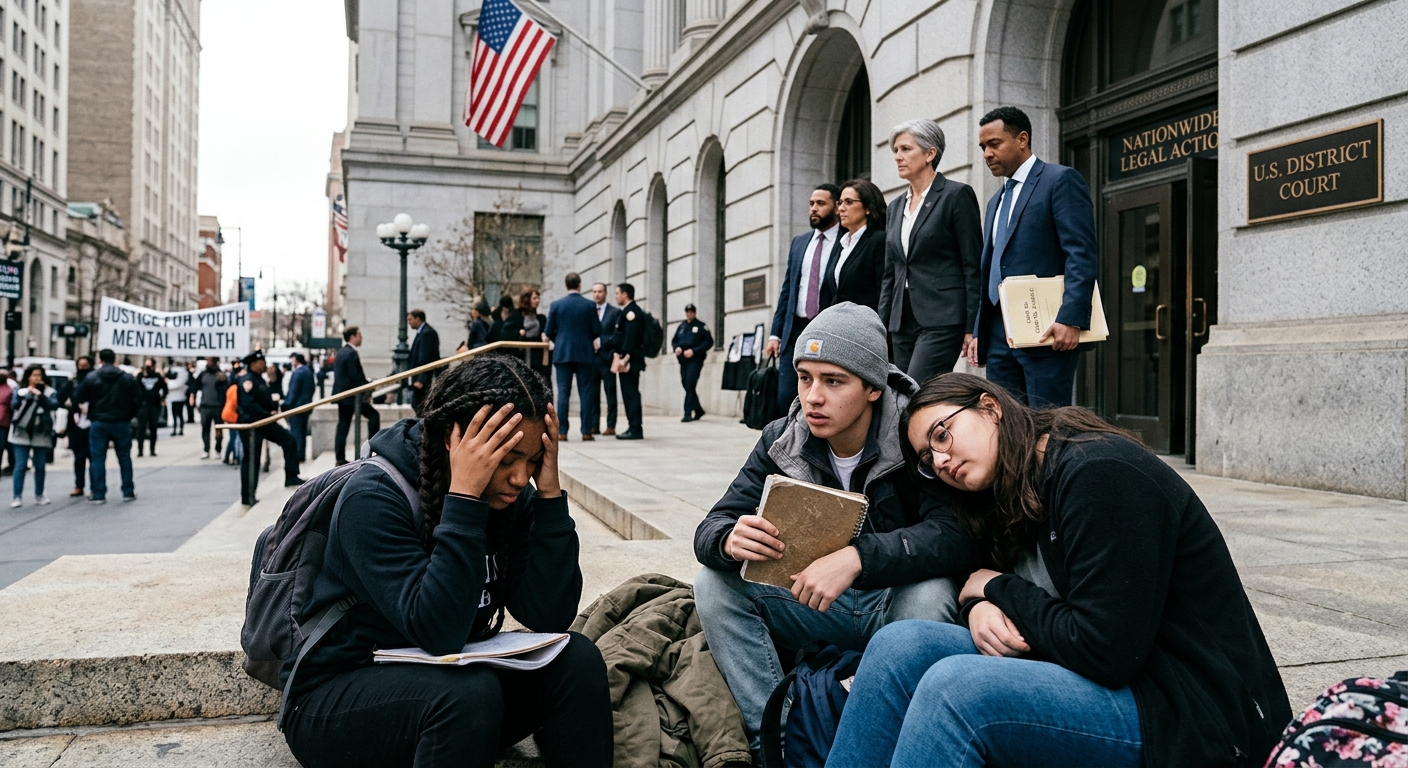
Across the United States, an unprecedented wave of mental health emergencies among adolescents and children is exposing the fragile state of public behavioral healthcare. As the demand for pediatric mental health services reaches record highs, state-run systems are buckling under the intense pressure. Families, left with nowhere else to turn during moments of profound crisis, often bring their children to emergency departments in a desperate plea for help. Yet, instead of receiving immediate psychiatric intervention and compassionate care, vulnerable children are frequently subjected to a practice known as “psychiatric boarding.” In these scenarios, they languish in general medical wards for weeks or even months without adequate therapeutic support.
When public systems persistently fail to provide legally mandated, community-based treatments, frustrated parents and civil rights organizations are increasingly turning to the judicial system. A recent, high-profile class-action lawsuit filed against the state of Rhode Island serves as a potent microcosm of this nationwide healthcare crisis. By examining the deep systemic failures that triggered this complex legal battle, policymakers, healthcare providers, and the general public can better understand the urgent need for structural reform in how America cares for its most fragile youth.
The Escalating Youth Behavioral Health Crisis
To fully comprehend why legal battles over mental healthcare are surging across the country, one must first recognize the staggering scale of the pediatric mental health crisis. According to the Centers for Disease Control and Prevention (CDC) and the Substance Abuse and Mental Health Services Administration (SAMHSA), the prevalence of youth experiencing debilitating behavioral health conditions has skyrocketed over the past decade . Anxiety disorders, major depressive episodes, and severe behavioral challenges are now among the most commonly diagnosed mental health conditions affecting children and adolescents in the United States.
While the global COVID-19 pandemic undoubtedly exacerbated these troubling trends by introducing widespread social isolation, educational disruptions, and family-level economic stress, the upward trajectory of youth mental health emergencies actually predates 2020. Suicidal ideation and self-harm incidents have prompted a dramatic increase in emergency department visits among teenagers year over year. Despite this rising tide of clinical need, the infrastructure required to support these children has severely lagged behind.
In many regions, there is a critical shortage of pediatric psychiatrists, specialized behavioral health nurses, and intensive community-based intervention programs. This mismatch between soaring demand and stagnant supply creates dangerous bottlenecks throughout the entire healthcare continuum. When early intervention fails in schools or is entirely unavailable in rural communities, a child’s mental health can deteriorate rapidly, culminating in a severe crisis that requires acute stabilization. However, when families arrive at hospitals seeking this stabilization, they frequently encounter an overwhelmed system fundamentally incapable of providing timely, appropriate care.
Understanding “Psychiatric Boarding”: The Invisible Waiting Room
One of the most tragic and visible consequences of the broken youth mental health system is the widespread practice of psychiatric boarding. When a child arrives at an emergency department experiencing a severe psychiatric episode—such as active suicidality, severe psychosis, or uncontrollable manic episodes—the hospital is legally and ethically obligated to keep them safe. However, if there are no available beds in a specialized psychiatric facility, the child is essentially “boarded” in a general medical emergency room or a pediatric medical floor.
SAMHSA’s National Guidelines for Child and Youth Behavioral Health Crisis Care explicitly highlight the detrimental impacts of emergency department boarding, noting that standard emergency department staff are rarely trained to manage severe pediatric psychiatric crises . During this boarding period, which can stretch from a few days to several weeks, children do not receive the active, specialized psychiatric treatment they desperately need. They are held in a stagnant holding pattern, often monitored by hospital security or floor nurses to prevent self-harm, but they remain isolated from therapeutic interventions, fresh air, educational instruction, and sometimes even their own families.
This environment is fundamentally anti-therapeutic and can be deeply traumatizing. For a child already experiencing a severe mental health crisis, being confined to a small, windowless emergency room, surrounded by the chaotic, loud, and high-stress environment of a hospital trauma center, frequently exacerbates their clinical symptoms. The practice of psychiatric boarding is not merely an administrative inconvenience; it is a profound failure of clinical care that actively compounds a child’s suffering. It is a stark indicator that the community-based safety net—which is designed to prevent crises from escalating to the point of hospitalization—has completely unraveled.
A Microcosm of Systemic Failure: The Landmark Rhode Island Lawsuit
The human cost of these systemic failures is vividly illustrated by recent legal actions, most notably a landmark class-action lawsuit filed in Rhode Island . In late 2024, the American Civil Liberties Union (ACLU) of Rhode Island, Disability Rights Rhode Island, and the national advocacy group Children’s Rights initiated sweeping legal action against the state, arguing that the government had consistently and knowingly failed to provide Medicaid-eligible children with appropriate behavioral healthcare .
The detailed legal complaint paints a harrowing picture of parents who have exhausted every conceivable avenue to secure treatment for their children, only to be met with insurmountable bureaucratic roadblocks and a fragmented, unresponsive state system. Plaintiffs in the case describe their agonizing experiences of crying out into a void, as their children are senselessly shuffled between overcrowded emergency departments, restrictive institutional settings, and out-of-state residential facilities. By sending children to out-of-state facilities due to local bed shortages, the state actively severs the children’s critical support connections to their families, home schools, and local communities.
The Rhode Island case is not an isolated local anomaly but a glaring reflection of a nationwide pattern of neglect. The lawsuit argues that the state’s heavy reliance on institutionalization and its abject failure to provide intensive, home-based services forces vulnerable youth into highly restrictive settings where they are at an elevated risk of abuse, neglect, and prolonged trauma. It highlights a critical, actionable grievance: instead of investing in proactive, community-based solutions, the state has allowed a damaging system of segregation and institutionalization to flourish unchecked.
The Legal Mandate for Community-Based Care
The core legal argument anchoring the Rhode Island lawsuit—and similar federal cases emerging across the country—is deeply rooted in established federal law and specific Medicaid mandates. Under the Early and Periodic Screening, Diagnostic and Treatment (EPSDT) mandate of the federal Medicaid act, states are legally obligated to provide comprehensive and preventive health care services to all children enrolled in Medicaid. This strict mandate explicitly includes the provision of behavioral health services necessary to correct or ameliorate mental health conditions.
Furthermore, sweeping civil rights laws, including the Americans with Disabilities Act (ADA) and the Supreme Court’s landmark 1999 Olmstead decision, dictate that individuals with mental health disabilities have the fundamental right to receive services in the most integrated setting appropriate to their specific needs. For developing children, this overwhelmingly means receiving robust care in their own homes and communities, rather than being locked away in segregated institutions or distant, out-of-state hospitals.
When state health agencies fail to aggressively build and appropriately fund networks of community-based providers—such as mobile crisis stabilization units, intensive in-home family therapists, and community mental health centers—they default on these critical legal obligations. Consequently, class-action lawsuits become the mechanism of last resort for desperate families who have been systematically denied the essential resources they are legally entitled to receive under federal law.
Pathways to Reform: How States Can Fix the Safety Net
Effectively addressing the youth mental health crisis requires significantly more than just judicial mandates; it necessitates a comprehensive, ground-up overhaul of how states fund, organize, and deliver pediatric behavioral healthcare. Experts in public health, pediatric psychiatry, and child welfare consistently advocate for a multi-tiered, proactive approach to rebuild the safety net.
- Expansion of Mobile Crisis Response Teams: When a child experiences a mental health emergency, the default societal response should not be armed law enforcement or a costly ambulance ride to a general hospital. Instead, specialized teams of highly trained mental health professionals should deploy directly to the home or school to clinically de-escalate the situation and connect the family with immediate, localized, and ongoing support.
- Investment in Intensive In-Home Services: States must heavily invest in in-home therapeutic services. By bringing rigorous treatment directly to the family environment, providers can accurately address the unique environmental and relational dynamics contributing to a child’s distress, thereby preventing the dangerous escalation of symptoms that inevitably lead to emergency department visits.
- Reforming Medicaid Reimbursement Rates: Structural changes to Medicaid reimbursement rates are absolutely necessary to build a sustainable and motivated workforce. The chronic national shortage of behavioral health professionals is largely driven by historically low compensation and high rates of clinical burnout. By drastically increasing reimbursement rates for community-based services, states can incentivize skilled providers to enter and remain in the demanding pediatric mental health field.
Conclusion
The escalating youth mental health crisis in the United States is a multifaceted, urgent emergency that demands immediate, coordinated action from lawmakers and healthcare administrators alike. As the recent legal battles in Rhode Island so clearly demonstrate, the chronic underfunding and systemic mismanagement of community-based behavioral health services have catastrophic real-world consequences for children and their families. The widespread practice of psychiatric boarding and the unnecessary, damaging institutionalization of youth are clear indicators of a healthcare system in profound distress. While lawsuits serve as a crucial tool for forcing accountability and prompting systemic disruption, the ultimate goal must be the creation of a proactive, compassionate, and legally compliant healthcare infrastructure. By shifting the overarching focus—and the associated funding—from institutional segregation to intensive, community-based care, states can finally fulfill their legal obligations and provide America’s youth with the vital therapeutic support they desperately need.
Frequently Asked Questions (FAQs)
What exactly is psychiatric boarding?
Psychiatric boarding occurs when a patient, often a child or adolescent experiencing a severe crisis, is kept in a general hospital emergency room or standard medical ward because there are no available beds in a specialized psychiatric facility. During this holding period, they typically do not receive the specialized mental health treatment they require.
Why are families and organizations suing state governments over mental health?
Families and civil rights organizations are taking legal action because they allege states are failing to meet their strict federal obligations under Medicaid and the Americans with Disabilities Act. These federal laws require states to provide timely, appropriate, and community-based mental health services to eligible children, which prevents unnecessary segregation and institutionalization.
What are community-based mental health services?
Community-based services refer to clinical treatments and supports provided directly in a child’s home, school, or local neighborhood clinic, rather than in a hospital or distant residential institution. Key examples include intensive in-home family therapy, mobile crisis response units, and local peer support programs.
What is the significance of the Olmstead decision?
The 1999 Supreme Court ruling in Olmstead v. L.C. established that the unjustified segregation of individuals with disabilities constitutes discrimination under the Americans with Disabilities Act. It legally mandates that public entities provide community-based services to persons with disabilities when such services are appropriate.
How did the pandemic affect the youth mental health crisis?
While youth mental health issues were already rising sharply prior to 2020, the COVID-19 pandemic significantly worsened the crisis due to prolonged social isolation, the sudden disruption of school-based support systems, and increased economic and emotional stress within family units.
References
- Data and Statistics on Children’s Mental Health — Centers for Disease Control and Prevention (CDC). 2025-06-05. https://www.cdc.gov/childrensmentalhealth/data.html
- National Guidelines for Child and Youth Behavioral Health Crisis Care — Substance Abuse and Mental Health Services Administration (SAMHSA). 2022-11-11. https://store.samhsa.gov/sites/default/files/pep22-01-02-001.pdf
- Advocates Sue the State of Rhode Island Over Failure to Provide Mental Health Care for Medicaid-Eligible Children — American Civil Liberties Union of Rhode Island. 2024-11-12. https://www.riaclu.org/en/press-releases/advocates-sue-state-rhode-island-over-failure-provide-mental-health-care-medicaid
Similar Articles








Read full bio of medha deb


