
Wrongful Arrest: Key Rights, Risks, and Legal Options
A practical, rights-focused guide to understanding wrongful arrests, their impact, and the legal paths available to challenge unlawful police actions.
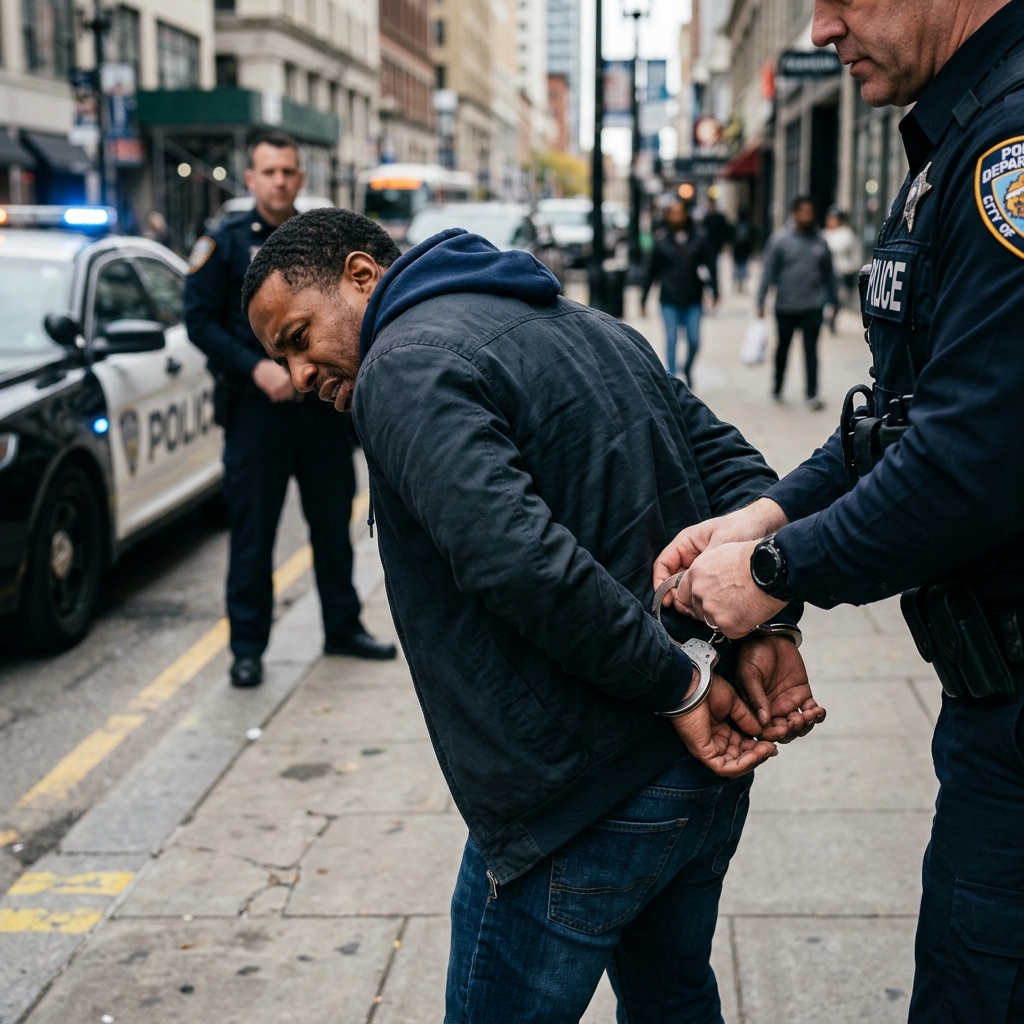
Being placed in handcuffs, taken into custody, and treated as a criminal when you have done nothing wrong is one of the most frightening experiences a person can endure. A wrongful arrest or false arrest is not only humiliating and traumatic, it can also violate core constitutional rights and have long-lasting effects on work, family, and reputation. Understanding when an arrest crosses the line from lawful police conduct to an unlawful deprivation of liberty is essential if you or someone you love has been targeted.
This article explains what wrongful arrest is, how constitutional protections apply, the real-world harm these arrests cause, and the legal strategies and remedies available. It is inspired by legal commentary on the arrest of a Black physician, but it is written to help anyone facing similar circumstances and does not discuss that case directly.
What Counts as a Wrongful or False Arrest?
In everyday speech, people often use terms like wrongful arrest, false arrest, or unlawful arrest interchangeably. Legally, the core idea is the same: an arrest becomes wrongful when an officer restrains a person’s freedom without lawful justification.
Core Legal Definition
Under U.S. law, a false arrest generally means that someone was detained or restrained under the color of legal authority without either:
- Probable cause to believe they committed a crime; or
- A valid arrest warrant issued by a court.
Legal sources describe false arrest as the unlawful restraint or detention of a person’s freedom of movement under an asserted legal authority. Many criminal defense and civil rights lawyers similarly define wrongful arrest as a detention made without proper legal authority or probable cause.
Probable Cause: The Threshold for Arrest
In most situations, officers must have probable cause before they make an arrest. Probable cause is a relatively low standard, but it still requires more than a hunch. It is typically defined as a reasonable belief, based on facts and circumstances known to the officer, that a person has committed, is committing, or is about to commit a crime.
An arrest may be wrongful when:
- The officer relies entirely on stereotypes or bias instead of facts.
- The officer misreads the situation and ignores exculpatory evidence.
- The arrest is based on information the officer knows or should know is unreliable.
- There is no legal basis for the offense charged under the circumstances.
However, if officers have enough evidence to meet the low threshold of probable cause—even if the person is in fact innocent—the arrest may be considered legally valid.
Constitutional Protections Against Wrongful Arrest
Wrongful arrests implicate several constitutional rights. At the federal level, the key protections are the Fourth Amendment and the Fifth Amendment.
Fourth Amendment: Freedom from Unreasonable Seizures
The Fourth Amendment protects against unreasonable searches and seizures, which includes the right to be free from unjustified arrest. Courts treat an arrest as a seizure of the person. For the seizure to be reasonable, officers must:
- Hold a valid warrant; or
- Have probable cause for a warrantless arrest under recognized legal standards.
When an officer arrests someone without probable cause or a proper warrant, they may violate the Fourth Amendment, opening the door to a civil rights claim under federal law, such as 42 U.S.C. § 1983.
Fifth Amendment: Due Process and Self-Incrimination
The Fifth Amendment protects against self-incrimination and guarantees due process. For wrongful arrest cases, two aspects are especially important:
- Due process: Arbitrary or unjustified detention infringes on the right not to be deprived of liberty without fair legal procedures.
- Right to remain silent: An individual is not required to answer questions that may be used against them; exercising this right is particularly important when an arrest appears unlawful.
Some wrongful arrest cases also raise issues under the Fourteenth Amendment (equal protection and due process), especially when racial profiling or discriminatory enforcement is alleged.
Distinguishing Lawful Arrest from Wrongful Arrest
It is possible for an arrest to be upsetting, mistaken, or unfair in practical terms yet still be lawful under the Constitution. The line between the two depends on whether officers had adequate legal justification.
| Feature | Lawful Arrest | Wrongful / False Arrest |
|---|---|---|
| Legal basis | Probable cause or valid warrant exists when arrest is made. | No probable cause and no valid warrant, or arrest exceeds legal authority. |
| Officer’s authority | Officer acts within scope of lawful power and procedure. | Officer acts outside legal powers or disregards constitutional limits. |
| Outcome of criminal case | Charges may be dropped or result in acquittal, but arrest can still be lawful. | Criminal case may never proceed or may be dismissed because the arrest itself was unlawful. |
| Civil remedies | Limited; lawful arrest usually does not support a civil rights claim. | May support claims for damages under constitutional and state law, if elements are proved. |
The Human and Practical Impact of Wrongful Arrest
Wrongful arrests are not minor procedural errors. They harm people in ways that can last long after the handcuffs come off.
Immediate Consequences
- Physical detention: Being jailed, even for a short time, disrupts work, childcare, and medical care.
- Emotional distress: Fear, anger, humiliation, and anxiety are common responses to being treated as a criminal without cause.
- Loss of privacy: Booking procedures, searches, and questioning can feel invasive and degrading.
Long-Term Harm
- Reputational damage: Colleagues, employers, and community members may learn of the arrest and draw unfair conclusions.
- Employment issues: Some people lose jobs or professional opportunities; others face licensing or credential problems.
- Financial strain: Legal fees, lost wages, and costs associated with clearing one’s name can be substantial.
- Psychological trauma: Some experience ongoing depression, PTSD symptoms, or fear of future encounters with law enforcement.
For Black professionals and other marginalized groups, wrongful arrests also intersect with broader histories of discrimination and unequal treatment in the justice system, compounding the emotional and social impact.
What to Do During and Immediately After a Wrongful Arrest
In the moment, your safety and future legal position matter more than anything else. Even if the arrest feels blatantly unjust, certain steps can help protect your rights.
During the Encounter
- Stay as calm as you reasonably can. Emotions are natural, but escalating the situation may lead to additional charges or force.
- Do not physically resist. Resisting arrest—even an unlawful one—can expose you to new charges and complicate later legal claims.
- Assert your right to remain silent. You have the right not to answer questions, and anything you say may be used against you.
- Ask clearly for an attorney. State that you want a lawyer and do not wish to answer questions without counsel present.
Right After Release or Once You Are Safe
- Write down everything you remember: officer names, badge numbers, patrol car numbers, time, place, what was said, and how events unfolded.
- Identify witnesses: Note names and contact information of anyone who saw the encounter or can corroborate your account.
- Preserve evidence: Save texts, photos, or video recordings. Your attorney can later seek surveillance, dashcam, or body-camera footage.
- Seek medical attention if injured: Document injuries and keep medical records and bills.
- Consult a qualified civil rights or criminal defense lawyer promptly: Early legal advice is crucial to protect your case and meet deadlines.
Building a Legal Case: Elements and Strategy
Challenging a wrongful arrest usually involves two tracks: dealing with the criminal case (if any) and pursuing civil remedies. Civil claims often focus on false arrest or unlawful detention under constitutional and state law.
Typical Elements of a False Arrest Claim
Specific requirements vary by jurisdiction, but one example from Colorado illustrates common elements:
- The defendant was a peace officer or someone acting under legal authority.
- The defendant arrested or detained the plaintiff.
- At the time of the arrest, the defendant did not have a valid warrant.
- The arrest was unsupported by probable cause.
In addition, when suing under federal civil rights laws, plaintiffs often must overcome doctrines such as qualified immunity, which can shield officers unless they violated a clearly established constitutional right.
Role of a Civil Rights Attorney
A skilled lawyer can be critical in wrongful arrest cases.
- Case evaluation: Determine whether the facts satisfy legal standards for false arrest or related claims.
- Evidence gathering: Obtain police reports, body-camera footage, dispatch records, and witness statements.
- Legal filing: Bring claims in state and/or federal court, including under 42 U.S.C. § 1983 and relevant state laws.
- Negotiation and litigation: Seek settlements or, if needed, take the case to trial.
- Protection from retaliation: Advise on steps if you fear ongoing harassment or further rights violations.
Possible Remedies and Compensation
When a wrongful arrest violates constitutional rights, victims may be able to recover damages for both economic and non-economic harm.
Types of Damages
- Economic losses:
- Lost wages and income from missed work.
- Medical expenses for physical or psychological injuries.
- Legal fees associated with defending against charges and pursuing civil claims.
- Non-economic harm:
- Emotional distress and psychological suffering.
- Damage to reputation and community standing.
- Loss of enjoyment of life or ongoing fear of law enforcement encounters.
- Punitive damages in some cases, where the conduct was particularly egregious and courts allow extra damages to deter future misconduct.
The specific remedies available depend on state law and the nature of the claim. Some jurisdictions have shorter deadlines and special procedural rules for suing government entities, making early legal advice especially important.
Practical Steps After a Suspected Wrongful Arrest
If you believe your arrest lacked legal justification, you can take structured steps to pursue justice and protect your future.
- File a detailed complaint with the law enforcement agency, including all relevant facts and evidence.
- Keep thorough records of all communications, documents, and court dates related to the arrest.
- Engage a civil rights lawyer to review the case and advise on possible claims under federal and state law.
- Explore support from advocacy organizations, such as local civil rights groups, especially if race or discrimination is involved.
- Care for mental health by seeking counseling or professional support to cope with trauma.
Frequently Asked Questions About Wrongful Arrest
Is every mistaken arrest considered wrongful?
No. If police have sufficient probable cause at the time of the arrest, it can be legally valid even if charges are later dismissed or the person is acquitted. A wrongful arrest generally requires a lack of probable cause or other legal authority.
Can I sue for lost wages and other financial losses?
In many civil rights cases, victims may seek damages for losses that were proximately caused by the unconstitutional arrest, which can include lost wages, medical bills, and other economic harm, depending on the facts and jurisdiction. A lawyer can assess which damages are reasonably recoverable.
Do I have to talk to police if I believe the arrest is unlawful?
No. You have the right to remain silent and to avoid self-incrimination. Politely asserting this right and requesting an attorney is often the safest course, regardless of whether the arrest is lawful or unlawful.
Is it ever wise to resist an unlawful arrest physically?
Generally, no. Legal guidance consistently warns that physical resistance can result in additional charges and safety risks, even when the underlying arrest is unlawfully motivated. Courts and attorneys typically prefer that individuals challenge arrests later through legal channels.
How long do I have to bring a civil rights claim?
Deadlines vary by state and type of claim. For example, some states apply a two-year statute of limitations for certain civil rights suits, running from the date of the incident. Because these limits can be strict, contacting an attorney as soon as possible is crucial.
References
- false arrest | Wex | US Law — Legal Information Institute (Cornell Law School). 2023-05-01. https://www.law.cornell.edu/wex/false_arrest
- If you have been Wrongfully Arrested in South Carolina — Floyd Law Firm. 2022-06-15. https://www.floydlaw.com/information/if-you-have-been-wrongfully-arrested-in-south-carolina/
- Wrongful Arrest: What to Do and How to Protect Your Rights — DiDonato & Burke Law Firm. 2021-11-10. https://burkecriminallaw.com/blog/wrongful-arrest-what-to-do-and-how-to-protect-your-rights/
- Wrongful Arrest in California: Protecting Your Civil Rights — Contreras Law Firm. 2023-02-20. https://contreras-law.com/articles/wrongful-arrest-in-california-protecting-your-civil-rights
- False Arrest or Unlawful Arrest in Colorado — Rights & Liberties Law Firm. 2022-09-01. https://rightsandlibertieslawfirm.com/false-arrest/
- Unlawful Detention and False Arrest — MacDonald Hoague & Bayless. 2021-08-30. https://www.mhb.com/news/unlawful-detention-and-false-arrest
- Wrongful Arrest Compensation: Your Path to Justice, Freedom — Ben Crump Law. 2023-03-05. https://bencrump.com/wrongful-arrest-compensation-your-path-to-justice-freedom/
Similar Articles








Read full bio of medha deb




