
World Cup Marketing: Trademark Rules for Small Businesses
Learn how small businesses can tap into World Cup excitement without infringing FIFA trademarks or risking costly legal disputes.
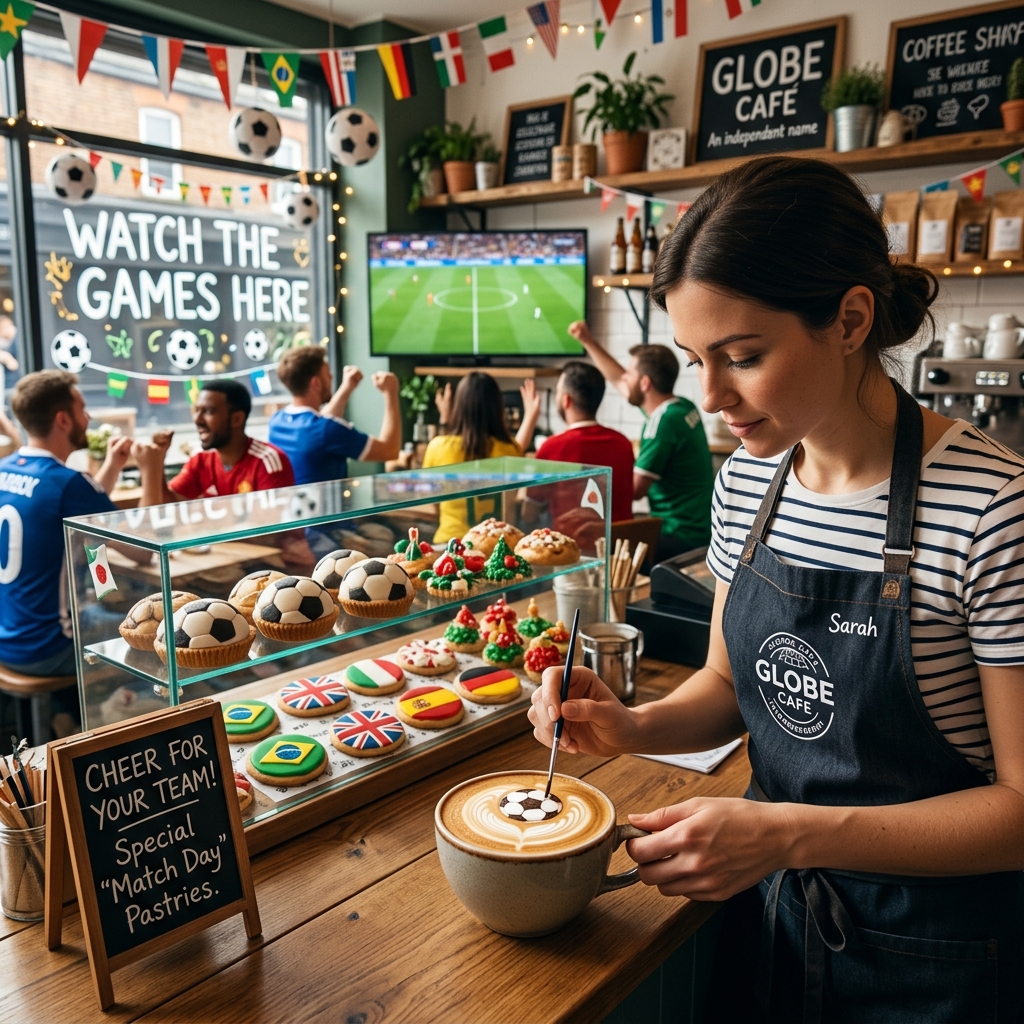
The FIFA World Cup is one of the most watched sporting events on the planet, and the energy it creates is incredibly valuable for businesses trying to attract customers. However, that excitement comes with legal boundaries. FIFA and its partners invest heavily in the tournament and enforce strict trademark and sponsorship rules to protect those investments. Understanding these rules is essential if you want to benefit from World Cup buzz without risking a cease-and-desist letter or more serious legal consequences.
This article explains how small businesses can legally reference the World Cup in advertising and social media, what types of uses are likely to be problematic, and practical strategies to stay on the right side of trademark and sponsorship law while still engaging fans.
Why World Cup Marketing Is Legally Sensitive
The World Cup is not just a sporting event; it is a global commercial product supported by official sponsors who pay substantial amounts for exclusive marketing rights. To protect those rights, FIFA registers and enforces a wide portfolio of trademarks and related intellectual property connected to the tournament. That means a casual promotional post or themed campaign can have legal implications if it uses protected marks or suggests an official affiliation when none exists.
FIFA’s Control Over Official Marks
FIFA owns trademarks for a range of terms and symbols associated with the World Cup. These official marks typically include:
- The phrase “FIFA World Cup” and combinations with a year or host country name
- Official tournament logos and emblems
- The official slogan chosen for a particular tournament
- Images and stylized depictions of the World Cup trophy
FIFA publishes guidelines before each tournament explaining how these marks may and may not be used, particularly for advertising and commercial purposes. If your business uses these marks in a way that suggests sponsorship, partnership, or endorsement without authorization, you could face enforcement action.
Why Non-Sponsors Face Higher Risk
Only official partners and sponsors have the right to integrate World Cup marks into commercial campaigns. Non-sponsor businesses generally cannot promote themselves as connected to the tournament in an official way, even if they sell relevant products or host viewing events. Enforcement can be especially strict around so-called ambush marketing, which refers to attempts to piggyback on the event’s visibility without paying sponsorship fees.
Small businesses are not exempt from these rules. A single social media post or ad suggesting official World Cup status can draw attention and lead to demands to remove the content or, in more serious cases, claims of trademark infringement.
What You Can Usually Do Legally
Despite these restrictions, you are not completely barred from mentioning the World Cup. Trademark law does not give the owner total control over every mention of the protected term. Certain uses, particularly descriptive or informational references, can be permissible provided they do not imply sponsorship or use official marks as branding.
Descriptive, Non-Branded References
In many cases, a business may refer to the event in a descriptive or editorial manner, especially when the communication is primarily informational rather than promotional.
- Discussing game results or notable plays in a neutral, news-style social media post
- Letting customers know that you will be showing a specific match, described in generic terms
- Commenting on the tournament as a fan, without combining your brand with World Cup marks
These kinds of references tend to focus on the event itself rather than using the World Cup as a marketing hook for your products or services. The risk grows when the purpose of the content is clearly promotional or when official logos, slogans, or graphics appear alongside your branding.
Focusing on Generic Soccer Themes
One practical way to minimize legal risk is to frame your campaign around general soccer or football themes rather than the World Cup specifically. For example, instead of advertising an “Official World Cup Party,” you might promote a “Big International Soccer Watch Night.”
- Use generic phrases such as “international football,” “global soccer tournament,” or “summer of football”
- Design graphics with soccer balls, stadium imagery, or national colors that are not copied from official tournament designs
- Create original slogans that reference excitement, teamwork, and competition without naming the World Cup
This approach lets you tap into the broader enthusiasm around international football while keeping a clear distance from protected official marks.
High-Risk Uses to Avoid
To keep your business safe, it helps to recognize specific types of marketing that typically raise intellectual property concerns in the World Cup context.
Using Official Logos and Tournament Artwork
For non-sponsors, incorporating official logos, tournament emblems, or stylized trophy images into ads or social content is usually prohibited. These elements are central to FIFA’s trademark portfolio and licensing strategy. Common risky actions include:
- Placing the official tournament logo on posters, flyers, or digital ads
- Using the World Cup trophy image as part of your event branding or product packaging
- Embedding official graphic elements into social media banners or profile pictures
Even when you purchased the image from a stock library, it may still infringe FIFA’s protected marks if it closely resembles official designs. Always verify license terms and avoid tournament-specific symbols.
Implying Sponsorship or Partnership
Another high-risk area is any marketing that suggests an official relationship with the tournament when none exists. Customers could reasonably believe your business is an authorized sponsor if you use language or visuals that resemble official campaigns.
- Describing your business as a “World Cup Official Partner” or similar
- Combining your logo with tournament marks in a way that looks like co-branding
- Running promotions that imply endorsement, such as “sponsored by the World Cup” or “FIFA-approved deal”
Trademark owners often act aggressively against these types of claims because they can dilute the value of genuine sponsorship packages and confuse consumers.
Contests, Giveaways, and Themed Promotions
Contests and giveaways tied to major events can be effective, but they also carry additional legal risk. Problems often arise when promotional materials use protected marks, or when the contest structure implies an official connection.
- Offering prizes branded with World Cup logos without authorization
- Advertising a giveaway as if it were part of the official tournament program
- Creating limited-edition merchandise that uses tournament names, emblems, or slogans
Instead, structure promotions around generic soccer themes or your own branding, and avoid any suggestion that the tournament organizers are involved.
Practical Strategies for Safe World Cup-Themed Campaigns
Even within these constraints, small businesses can still benefit from the tournament’s visibility by adopting a thoughtful approach to creative and legal review.
Center Your Brand, Not the Tournament
The safest strategy is to make your products, services, and customer experience the main focus of any campaign. Use the World Cup primarily as context rather than as the core marketing message.
- Highlight your food, drinks, or merchandise as the primary draw
- Position the World Cup as an occasion—such as a time when people gather—rather than a brand you are promoting
- Frame messaging around fan culture, community, and shared viewing experiences
By keeping the emphasis on your own brand, you reduce the chance that trademark owners will view your campaign as unauthorized co-branding.
Use Editorial-Style Social Media Content
Another practical tactic is to separate editorial content from clear advertising. For example, you might comment on notable goals, matchups, or storylines in a fan-like tone without attaching promotions or discounts to those posts.
- Share general reactions to matches without including prices or offers
- Use neutral phrasing that reports or comments on events rather than selling around them
- Reserve promotional language for posts that focus on your business and avoid heavy use of tournament-related terms
While this does not eliminate legal risk entirely, it often reduces the commercial nature of the content in the eyes of trademark enforcement teams.
Train Staff and Review Materials in Advance
Employees and external marketing partners may not be familiar with trademark restrictions, especially in the context of global events. A short training session or checklist can prevent most inadvertent misuse of official marks.
- Explain which logos, phrases, and images are off-limits for commercial use
- Require a quick legal or management review for any World Cup-themed campaign
- Encourage staff to ask questions before posting or printing promotional materials
For higher-risk campaigns, consider having a legal professional review the materials, particularly if you are unsure whether a design or slogan might be seen as infringing.
Decision Checklist: Is Your Campaign Safe?
If you are preparing a World Cup-themed promotion, use the following checklist as a simple risk filter before launch.
- Are you using official tournament names? If you rely on “FIFA World Cup” or similar phrases in a promotional headline, reconsider and explore generic alternatives.
- Do any visuals resemble official logos or emblems? Compare your graphics to official artwork; if they look similar, redesign using neutral soccer imagery.
- Could a customer reasonably think you are an official sponsor? If the overall look and language imply a formal connection, adjust the campaign until that impression is clearly removed.
- Is the primary message about your business or the tournament? Refocus on your brand and offerings rather than the event itself.
- Have you sought legal guidance for complex promotions? For contests, co-branded merchandise, or large campaigns, professional review is strongly recommended.
Illustrative Comparison: Safer vs. Riskier Approaches
The table below contrasts typical safer strategies with riskier ones for a small business planning World Cup-related marketing:
| Safer Approach | Riskier Approach |
|---|---|
| Promotes a “big soccer watch night” using generic imagery | Advertises an “Official World Cup Party” with tournament logos |
| Mentions that international football games will be shown on TV | Uses “FIFA World Cup” plus year or host country in ad copy |
| Runs a discount on food and drinks during match times | Offers “World Cup merchandise” with trophy images and slogans |
| Shares neutral social posts recapping scores | Posts promotions that combine brand logo with official tournament graphics |
FAQs: Common Questions from Small Businesses
Can I mention the words “World Cup” in a social media post?
In many situations, simply mentioning the name in an informational or editorial context is permissible, especially if you are not using official logos or implying sponsorship. The risk increases if the post is clearly promotional and uses protected marks as part of your branding.
Is it legal to host a World Cup viewing party and advertise it?
You may host a viewing event, and you can generally tell customers that you will show international soccer matches. The key is to avoid representing your party as an official World Cup event or using official tournament logos in the advertising. Describe the occasion in descriptive, generic terms and focus on the experience your business offers.
Can I create custom merchandise with World Cup images?
Producing merchandise that uses official tournament logos, emblems, or slogans without authorization is typically prohibited and can be treated as trademark infringement. If you want to sell themed items, design them around generic soccer imagery and your own brand rather than copying event-specific marks.
How do I know if my campaign suggests sponsorship?
Ask whether an average customer viewing your campaign would reasonably think your business is formally connected to the World Cup. Phrases such as “official partner” or “sponsored by” and heavy use of official logos are strong indicators of implied sponsorship. If the answer is yes, modify the campaign until that impression disappears.
Do I need a lawyer for small social media campaigns?
For simple, low-risk posts that avoid official marks and sponsorship language, you may only need internal review guided by basic best practices. However, for contests, large paid campaigns, or any promotion that uses event-related imagery extensively, consulting a legal professional is recommended.
References
- A Legal Primer on Using “World Cup” in Ads and Social Media Posts — FindLaw. 2022-11-16. https://www.findlaw.com/legalblogs/small-business/legal-to-use-world-cup-in-ads-social-media-posts/
- Can Your Business Use “World Cup” in Marketing? — Rocket Lawyer. 2022-11-18. https://www.rocketlawyer.com/the-briefing-room/can-my-business-use-an-event-name-in-my-marketing
- Can My Business Use “World Cup” in Ads? A Practical IP Guide — Trademarkia. 2022-11-21. https://www.trademarkia.com/news/legal-info/can-businesses-use-world-cup-ads
- Advertising for the World Cup – What is acceptable? — CMS.law. 2022-10-27. https://cms.law/en/deu/legal-updates/advertising-for-the-world-cup-what-is-acceptable
- How Small Businesses Use the World Cup to Compete Like Big Brands — NetChoice. 2022-11-20. https://netchoice.org/how-small-businesses-use-the-world-cup-to-compete-like-big-brands/
Similar Articles








Read full bio of medha deb




