Crafting Effective Workplace Music Guidelines
Essential strategies for implementing music policies that enhance productivity, ensure safety, and promote inclusivity in modern workplaces.
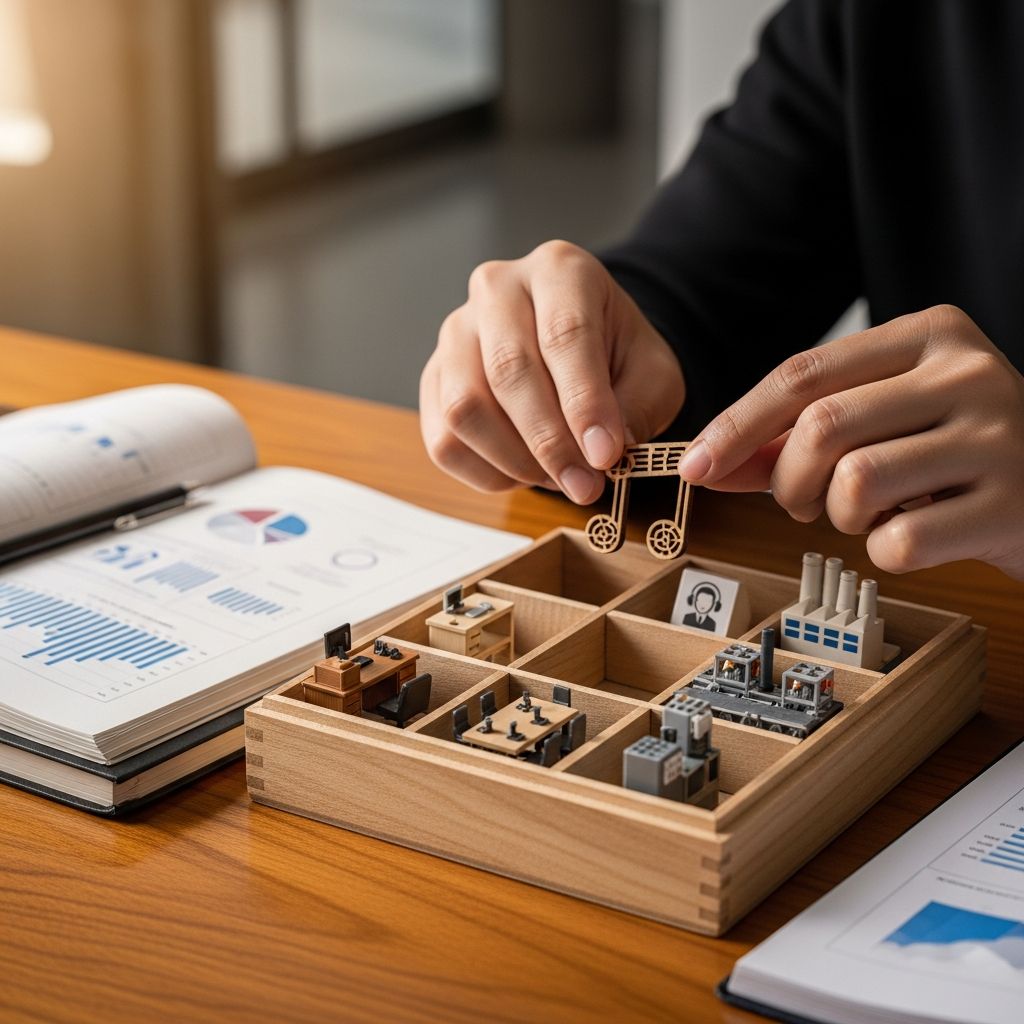
Music can transform office environments by elevating mood, sharpening focus, and strengthening team dynamics. However, without structured guidelines, it risks creating distractions, safety concerns, or even legal challenges. This article explores proven approaches to integrating music thoughtfully, drawing on research and regulatory standards to help HR leaders create policies that maximize benefits while minimizing drawbacks.
Understanding the Impact of Music on Performance
Research consistently shows music influences cognitive function and emotional states at work. For instance, rhythmic tracks suit repetitive tasks, aiding endurance, while ambient sounds support concentration in analytical roles. A 2025 study highlighted how shared musical experiences enhance collaboration, with 22% of workers reporting stronger connections through common tastes.
Yet, effects vary by individual. Introverts may prefer silence for deep work, whereas extroverts thrive with background beats. Factors like task complexity matter: high-cognitive-demand activities benefit from instrumentals, avoiding lyrical interference. Employers must assess these dynamics to tailor implementations.
Navigating Safety and Regulatory Requirements
Safety remains paramount, especially in industrial or high-risk settings. Loud music can mask alarms or machinery noises, endangering workers. The Occupational Safety and Health Administration (OSHA) mandates hearing conservation programs for noise averaging 85 dBA over eight hours, requiring controls or protective gear above 90 dBA.
Personal devices like earbuds amplify risks by reducing environmental awareness. Studies link headphone use to accidents in hazardous zones, prompting bans in such areas. Effective policies designate music-free zones near equipment and enforce volume caps, ensuring audibility of critical signals.
| Work Environment | Recommended Music Type | Safety Considerations |
|---|---|---|
| Collaborative Offices | Neutral acoustic or jazz | Low volume to preserve conversations |
| Repetitive Factory Tasks | Upbeat instrumental | Geofencing to pause near machinery |
| High-Alert Areas | None | Strict prohibition; audible alarms priority |
| Break Rooms | Diverse genres | Employee-voted playlists |
This table outlines tailored approaches, aligning music with environments while prioritizing compliance.
Promoting Inclusivity and Avoiding Offense
Diverse workforces demand sensitivity to musical preferences. Polarizing genres or explicit lyrics can alienate groups, fostering discomfort. A court case illustrated how pervasive vulgar music created a hostile environment, actionable under discrimination laws even if not targeted. Both genders found it offensive, yet liability persisted, underscoring ‘equal opportunity’ harassment risks.
Policies should ban offensive content and encourage variety. Rotating playlists prevent dominance by individuals—33% of workers resent single-controller selections. Multilingual options and genre votes ensure broad appeal, building unity without exclusion.
Legal Frameworks and Compliance Strategies
Beyond harassment, music implicates copyright if streamed commercially. Public performance licenses from organizations like ASCAP or BMI are essential for businesses. HR must verify compliance to evade fines.
Anti-discrimination laws like Title VII extend to ambient elements. Policies exceeding legal minima—such as zero-tolerance for derogatory lyrics—proactively shield employers. Training managers on conduct standards prevents oversights, positioning them as frontline defenders.
- Conduct regular audits of played content.
- Track complaints to spot patterns, reviewing multiples within 12 months.
- Integrate music queries into satisfaction surveys for proactive insights.
Technology Solutions for Controlled Audio
Advanced systems enable precise management. WiFi multi-zone setups deliver customized soundscapes, with directional speakers curbing bleed. Features like volume limits, headphone mandates, and geofences auto-pause music in sensitive areas.
These tools support admins in site-level controls, balancing freedom with oversight. Routine equipment checks ensure standards alignment, enhancing both safety and satisfaction.
Employee Involvement for Buy-In
Empowerment boosts adherence. Solicit playlist contributions or genre polls, fostering ownership. Avoid unilateral control to sidestep resentment. Designated break-area music with employee input relaxes teams effectively.
Match selections to tasks: upbeat for routines, mellow for wind-downs. This personalization elevates morale without chaos.
Measuring Success and Iterating Policies
Policies thrive on feedback. Surveys and meetings gauge impacts on productivity, mood, and safety. Adjust based on data—e.g., tweak volumes if communication suffers (51% report hindrance from loud music).
SciELO Brazil’s 2025 findings stress ongoing evaluation for sustained gains. Evolving guidelines reflect workforce shifts, maintaining relevance.
Real-World Implementations and Lessons
Brands like Chipotle curate employee playlists akin to customer ones, signaling care for well-being. Factories use geofenced systems for task-specific audio, unlocking focus and reducing monotony.
Common pitfalls include ignoring complaints or uniform approaches. Success stories emphasize customization, training, and adaptability.
Frequently Asked Questions
What genres work best for different tasks?
Upbeat rhythms for repetitive work; instrumentals for focus-intensive roles. Tailor to team input and environment.
Does OSHA regulate workplace music directly?
No, but noise standards apply: conservation at 85 dBA average, controls at 90 dBA.
How can music lead to lawsuits?
Offensive content may create hostile environments under Title VII, even ambiently.
Should employees control music?
Yes, via votes or rotations for inclusivity, but with guidelines.
What tech helps manage music safely?
Multi-zone systems with volume caps, geofencing, and admin controls.
Building a Comprehensive Policy Framework
A robust policy document outlines zones, volumes, content rules, and feedback mechanisms. Train all levels, enforce consistently, and review annually. This framework turns music into a productivity asset.
Integrate with broader wellness initiatives—pair with ergonomics for holistic gains. Forward-thinking leaders view audio as vital as lighting or air quality.
References
- Music in the Workplace – Productivity, Morale, and Safety — Mighty Line Tape. 2025. https://mightylinetape.com/a/blog/music-in-the-workplace-boosting-productivity-morale-and-safety
- 4 ways to ensure workplace music won’t land your company in court — HR Executive. 2023. https://hrexecutive.com/4-ways-to-ensure-workplace-music-wont-land-your-company-in-court/
- 6 Major Benefits of Music in the Workplace — Weavix. 2024. https://weavix.com/blogs/6-major-benefits-of-music-at-work/
- Music in the Workplace: Tune In or Tune Out? — Paychex. 2023. https://www.paychex.com/articles/human-resources/music-in-the-workplace-tune-in-tune-out
Similar Articles







Read full bio of Sneha Tete