
Workers’ Rights in the Age of Automated Workplaces
How automation, AI, and digital monitoring are reshaping workplace rights—and what employees need to know to stay protected.
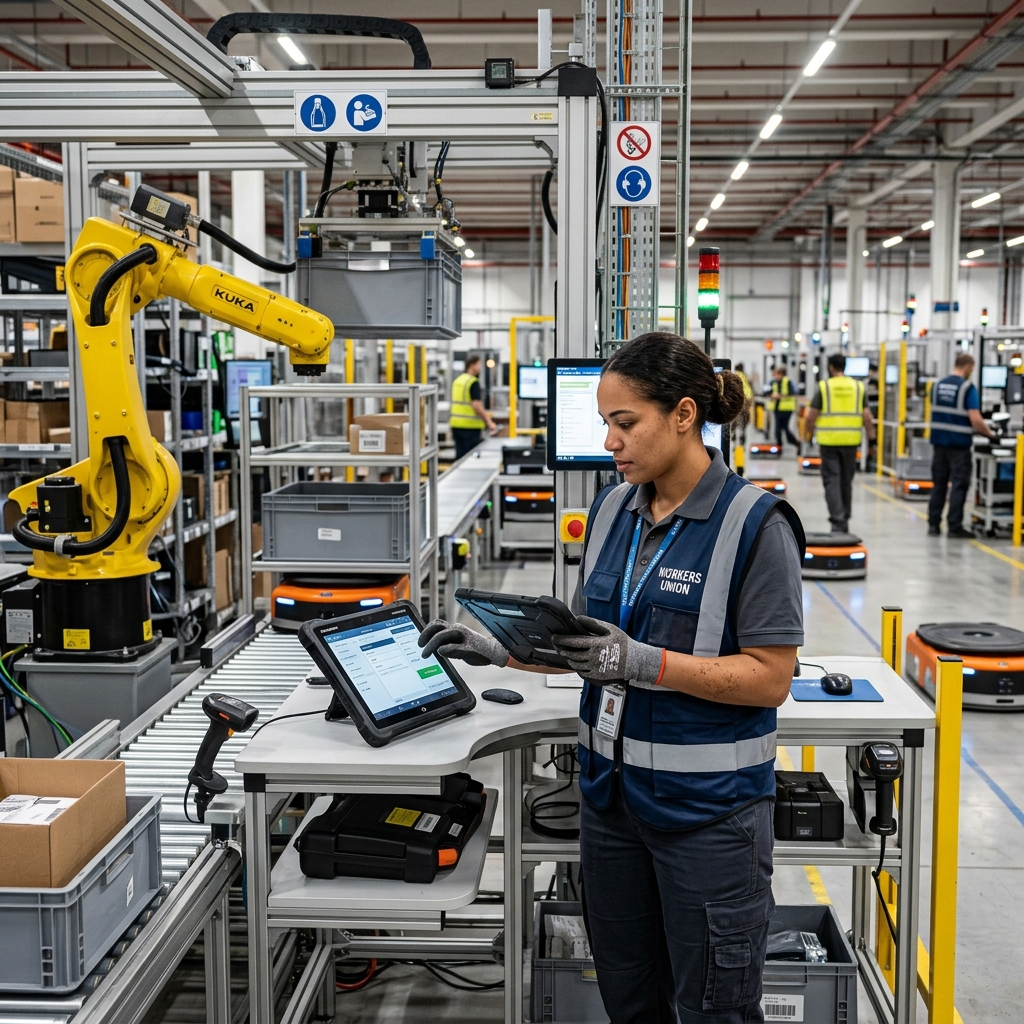
Automation and artificial intelligence (AI) are changing how work is organized, supervised, and evaluated. From automated hiring platforms and algorithmic scheduling to AI-driven productivity trackers, many decisions that used to be made by supervisors are now delegated to software. These technologies can increase efficiency, but they also create new risks for wage theft, discrimination, and invasion of privacy if left unchecked.
This article explains how automated systems affect workers’ rights, the legal protections that still apply, and practical steps employees can take to protect themselves in increasingly automated workplaces.
1. What Is an Automated Workspace?
An automated workspace is a workplace where digital tools, AI systems, and algorithms are deeply involved in core employment functions, such as:
- Screening job applications and resumes
- Scheduling shifts and allocating tasks
- Tracking performance, productivity, or time on task
- Setting or adjusting pay rates and bonuses
- Approving time off, accommodations, or leave
- Triggering discipline or termination
These systems can include traditional software, machine-learning models, facial recognition tools, keystroke recorders, location tracking, or camera-based monitoring tools, sometimes referred to as “bossware.” Even when decisions are “only” supported by AI, the impact on workers can be identical to a fully automated decision.
2. Core Employment Rights Still Apply in Automated Settings
There is currently no broad federal law in the United States that regulates all uses of AI in the workplace. However, existing labor and employment laws still apply, regardless of whether a manager or an algorithm is making the decision.
| Area of Protection | Key Rights in Automated Workplaces |
|---|---|
| Wages and Hours | Right to minimum wage, overtime, and accurate time records, even when systems auto-track or auto-deduct time. |
| Anti-Discrimination | Protection against discrimination based on race, sex, disability, age, and other protected traits, including where decisions are made by AI tools. |
| Health and Safety | Right to safe working conditions and reasonable workloads, even when algorithms set quotas or pace of work. |
| Privacy and Data Use | Protection from excessive surveillance and certain uses of sensitive or biometric data, depending on state law. |
| Collective Activity | Right to organize, form unions, and engage in protected concerted activity without interference or surveillance. |
Regulators have emphasized that employers cannot use automated tools to sidestep their obligations. For example, the U.S. Department of Labor has stressed that employers relying on automated systems must maintain “responsible human oversight” when tools affect wages, hours, or other protected rights.
3. AI in Hiring and Promotion: Bias, Transparency, and Fairness
Automated hiring platforms, resume screeners, and virtual interviews are now common. While they can process large volumes of applications quickly, they can also replicate or amplify bias if they are trained on skewed data or use flawed criteria.
3.1 Legal protections in algorithmic hiring
Several legal frameworks apply to AI-driven hiring and promotion:
- Anti-discrimination laws: Under Title VII of the Civil Rights Act and similar state laws, employers may not use tools that intentionally discriminate or that have a disparate impact on protected groups, even if the bias originates in the software rather than a human manager.
- Disability rights: The Americans with Disabilities Act (ADA) can require employers to offer alternative assessments and reasonable accommodations if AI-based tests disadvantage applicants with disabilities.
- Recordkeeping obligations: Some jurisdictions require employers to keep records of automated decisions and their justification, which can be critical evidence if workers challenge discriminatory outcomes.
3.2 Warning signs for workers
From a worker’s perspective, the following may signal problematic use of automation in hiring or promotion:
- Rejection without clear explanation after an automated test or assessment
- Systems that score personality, emotions, or facial expressions with no obvious link to job duties
- Impossibility of requesting an alternative screening method when you disclose a disability
- Outcomes that seem systematically skewed against a particular group
In many states and cities, policymakers are considering or have adopted rules requiring employers to conduct bias audits or impact assessments of hiring AI, and to give notice when such tools are used.
4. Algorithmic Management, Scheduling, and Productivity Tracking
Employers increasingly use software to assign shifts, optimize routes, set quotas, and track productivity in real time. These tools can dramatically shape a worker’s schedule, workload, and income.
4.1 Timekeeping and pay risks
Automated systems may record start and end times, breaks, and even micro-pauses between tasks. The U.S. Department of Labor has warned that employers cannot rely on these tools to justify shortchanging workers on required pay.
- “Auto-deduct” systems that subtract meal or rest breaks may violate wage laws if workers continue to work during those periods and are not paid.
- Automated rounding or time-capping practices can be unlawful if they consistently deprive workers of compensation for all hours worked.
- Systems that automatically flag overtime as “unauthorized” do not eliminate the obligation to pay for all time actually worked.
4.2 Productivity surveillance and health and safety
So-called “bossware” can monitor keystrokes, screen activity, GPS location, and more. The National Employment Law Project has documented that excessive digital surveillance can create intense pressure, increase stress and injury risk, and deter workers from exercising their rights.
- Algorithmic quotas may push workers to skip breaks or ignore safety protocols.
- Constant monitoring can chill workers’ willingness to talk about unionizing or raising concerns.
- Tracking that extends beyond work hours or into private spaces can infringe privacy and, in some cases, violate state laws.
Workers have a right to a safe workplace and may be able to file complaints if algorithmic scheduling or monitoring practices create hazardous conditions.
5. Privacy, Data Protection, and Biometric Information
Automated workspaces depend on data—often very personal data. This can include biometrics (like fingerprints or facial scans), health information, geolocation data, and highly detailed behavior logs.
5.1 Data collection limits and consent
While U.S. federal privacy law is fragmented, several state and local laws set limits on what data employers can collect and how they can use it. Common requirements include:
- Collecting only data necessary for a clearly defined purpose (data minimization)
- Providing notice to workers about what information is collected and why
- Obtaining informed consent before collecting certain biometric or highly sensitive data
- Deleting data when it is no longer needed for the stated purpose
- Restricting the sale, licensing, or sharing of worker data with third parties, especially sensitive or biometric data
Some emerging policies also give workers the right to access their own data, request corrections, or limit certain uses, especially when data drives decisions about performance or discipline.
5.2 Data security and breach risks
As employers store more worker information, they assume responsibility for keeping it secure. Breaches of biometric or sensitive personal data can have lasting impacts on workers. Depending on the jurisdiction, employers may need to:
- Implement reasonable security safeguards and access controls
- Notify workers promptly in the event of a data breach
- Refrain from training commercial AI models on workers’ likeness, voice, or creative work without explicit consent
6. Protecting Organizing and Collective Rights in Automated Workplaces
Collective bargaining and concerted activity remain key tools for workers facing powerful technological systems. Legal experts have highlighted that AI can be used in ways that interfere with workers’ ability to organize—for example, by monitoring chats, tracking activity in real time, or identifying potential organizers.
Under U.S. labor law, workers generally have the right to:
- Discuss wages and working conditions with co-workers
- Form, join, or assist a union
- Act together to improve workplace conditions, even without a formal union
Regulators and scholars argue that cities and states can and should regulate workplace AI to protect these rights, including by ensuring secure channels of communication and limiting surveillance practices that could chill organizing.
7. Emerging Laws, Impact Assessments, and AI “Bills of Rights”
Because technology is evolving rapidly, many policymakers are turning to impact assessments and general principles to govern the use of AI in the workplace.
7.1 Impact assessments and audits
Impact assessments typically require employers to evaluate and document how an automated system affects workers before deploying it. These assessments may include:
- The purpose of the system and decisions it influences
- What data is collected, how it is processed, and how long it is stored
- Testing for discriminatory effects on protected groups
- Mechanisms for human review and correction of erroneous outcomes
Some proposals call for independent third parties to conduct such assessments and for employers to share results with workers or their unions.
7.2 AI principles and bills of rights
The White House Office of Science and Technology Policy has outlined a Blueprint for an AI Bill of Rights, which sets out principles to guide the design and use of automated systems, including in workplaces. Although not binding law, it emphasizes:
- Safe and effective systems
- Protection from algorithmic discrimination
- Data privacy and limits on abusive data practices
- Notice, explanation, and human alternatives for automated decisions
State and local initiatives often draw on these principles when crafting AI and employment legislation.
8. Practical Steps Workers Can Take
Employees are not powerless in automated workplaces. While the law is still catching up, there are concrete steps workers can take to protect their rights.
8.1 Information to request from your employer
Where safe to do so, workers may consider asking:
- What automated tools or AI systems are used in hiring, scheduling, evaluation, or discipline
- What data is collected (and from which devices or systems)
- How long the data is kept and who has access to it
- Whether any independent audits or impact assessments have been conducted
- How to request human review or correction of an automated decision
8.2 Documenting issues and seeking help
If you suspect an automated tool has harmed you, it can be helpful to:
- Keep copies of emails, screenshots, or notices referencing automated systems
- Document dates, times, and details of any unusual decisions or pay discrepancies
- Compare experiences with co-workers to identify patterns
- Consult a union representative, legal aid organization, or employment attorney
- File complaints with relevant agencies (e.g., labor departments or civil rights agencies) when appropriate
Workers may also consider collective actions, such as negotiating technology-related protections through a union, or supporting legislation that requires greater transparency and accountability for workplace AI.
9. Frequently Asked Questions
9.1 Can my employer rely entirely on AI to fire me?
Employers may use automated tools to recommend or trigger termination decisions, but they remain responsible for complying with labor, anti-discrimination, and contract laws. The U.S. Department of Labor has explicitly warned that automated systems cannot be allowed to violate wage and hour protections, and similar principles apply in discrimination and retaliation cases. In many jurisdictions, regulations and policy guidance emphasize the need for meaningful human oversight of consequential decisions.
9.2 Do I have a right to know when AI is used in decisions about me?
There is no single federal rule that always guarantees this right, but a growing number of state and local policies require employers to give notice when they use AI or automated decision tools in hiring or employment decisions. Even where it is not legally mandated, many regulators and advocacy groups recommend transparency as a best practice, and workers can advocate for notice and explanation through workplace policies or union contracts.
9.3 Can AI-based hiring tests discriminate even if they don’t ask about protected traits?
Yes. Under anti-discrimination laws, employers can be liable for using tests or automated decision systems that disproportionately disadvantage protected groups, even if the system never directly asks about race, gender, or disability. For example, an algorithm trained on past hiring data that under-represents certain groups can replicate that bias. This is why bias audits, validation studies, and careful design are increasingly emphasized in policy debates.
9.4 Are employers allowed to monitor my computer or phone at work?
Most U.S. states allow employers to monitor activity on employer-owned devices, but there are limits. Employers generally should not monitor in places where workers have a strong expectation of privacy, such as restrooms or locker rooms, and some state laws restrict or regulate electronic monitoring practices. Tracking off-duty activity or using surveillance to punish workers for organizing can also raise legal concerns under labor and civil rights laws.
9.5 What should I do if an automated timekeeping system shortchanges my pay?
You can start by documenting the discrepancy: keep your own records of hours worked, note when the automated system failed to capture time, and save any pay stubs or screenshots. Then raise the issue with your employer in writing, explaining the problem and requesting a correction. If the problem persists, you may consider contacting your state labor department, the U.S. Department of Labor’s Wage and Hour Division, or an employment lawyer, especially since regulators have emphasized that employers cannot hide behind automated systems to avoid wage obligations.
References
- A Guide to Key Laws, Bills, and Concepts — UC Berkeley Labor Center. 2023-10-01. https://laborcenter.berkeley.edu/tech-and-work-policy-guide/
- New Report Details Employers’ Harmful Use of Digital Surveillance and Automated Decision Systems — National Employment Law Project. 2024-01-18. https://www.nelp.org/new-report-details-employers-harmful-use-of-digital-surveillance-and-automated-decision-systems-highlights-urgent-need-for-policy-action/
- Regulating AI in the Workplace — Harvard Law School, Center for Labor and a Just Economy. 2023-09-01. https://clje.law.harvard.edu/publication/building-worker-power-in-cities-states/regulating-ai-in-the-workplace/
- U.S. Department of Labor Issues Helpful Guidance on Employers’ Use of AI and Automated Systems — Mitchell Silberberg & Knupp LLP (summarizing DOL FAB No. 2024-1). 2024-04-29. https://www.msk.com/newsroom-alerts-dol-ai-guidance
- How Is AI Changing Workplace Compliance & Employment Law? — Workwise Compliance. 2025-02-11. https://www.workwisecompliance.com/blog/how-is-ai-changing-workplace-compliance–employment-law.html
- Automated-Decision System Regulations — Proposed Text — California Civil Rights Department. 2024-05-17. https://calcivilrights.ca.gov/wp-content/uploads/sites/32/2024/05/Automated-Decision-System-Regulations-Proposed-Text.pdf
Similar Articles








Read full bio of medha deb




