
Workers’ Comp for Heat Stroke: Eligibility Guide
Discover if heat stroke qualifies for workers' compensation, key steps to file claims, and employer duties in hot work environments.
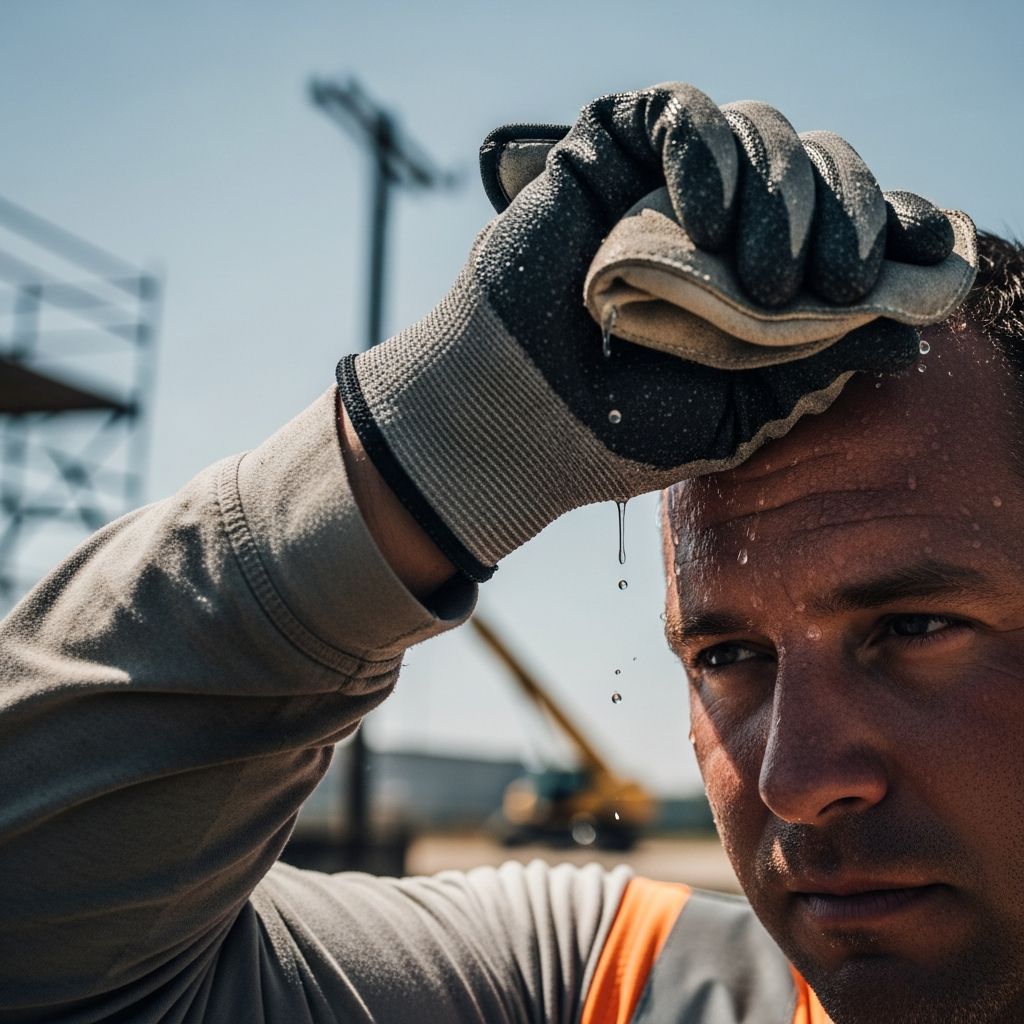
Heat stroke represents a severe occupational hazard, particularly for those laboring in high-temperature settings, and affected workers often qualify for workers’ compensation benefits to address medical needs and income loss. This guide outlines eligibility criteria, claim processes, and protective measures grounded in established legal frameworks.
Understanding Heat Stroke in Occupational Contexts
Heat stroke occurs when the body’s core temperature surges beyond 104°F (40°C), impairing its cooling mechanisms and potentially leading to organ failure or death if untreated. Workers in construction, agriculture, landscaping, and manufacturing face elevated risks during prolonged exposure to heat combined with physical exertion.
Distinguishing heat stroke from milder conditions like heat exhaustion is crucial. While exhaustion involves heavy sweating, fatigue, and dizziness, stroke manifests with neurological symptoms such as confusion, seizures, or unconsciousness, demanding immediate intervention.
Does Workers’ Compensation Cover Heat-Related Incidents?
Yes, workers’ compensation generally covers heat stroke as a work-related injury across most U.S. states, provided it arises directly from job duties. This no-fault system compensates for medical treatments, temporary or permanent disability, and wage replacement without proving employer negligence.
Coverage extends to full-time, part-time, and seasonal employees but typically excludes independent contractors. Benefits may include hospital stays, rehabilitation, and up to two-thirds of average weekly wages during recovery. State-specific nuances apply, such as California’s heat illness prevention standards mandating shade, water, and rest.
High-Risk Occupations and Seasonal Vulnerabilities
Outdoor roles dominate heat illness claims, with 90% occurring above 80°F and over half exceeding 90°F. Construction workers report the highest incidence, followed by agriculture and utilities, where humidity amplifies heat index dangers.
- Construction and Roofing: Direct sun exposure without adequate breaks.
- Agriculture and Farming: Extended fieldwork in peak summer heat.
- Landscaping and Groundskeeping: Physical labor under intense sunlight.
- Manufacturing and Warehouses: Poorly ventilated indoor spaces.
- Delivery and Transportation: Vehicle cabins turning into ovens.
Climate trends exacerbate these risks, with rising global temperatures increasing claim frequency in workers’ comp systems.
Proving Your Heat Stroke Qualifies as Work-Related
To secure benefits, demonstrate the incident stemmed from work conditions rather than personal factors. Key evidence includes:
- Medical documentation linking symptoms to heat exposure timing.
- Witness statements from coworkers confirming environmental conditions.
- Weather reports showing high heat index on the incident date.
- Work logs detailing strenuous activities without sufficient hydration or shade.
Seek emergency care promptly; physicians’ notes provide vital proof. For instance, a landscaper collapsing after hours in the sun strengthens causation over someone dehydrated from pre-work exercise in an office. Avoid delays, as statutes of limitations—often 30 days to one year—apply.
Employer Responsibilities Under Safety Regulations
Federal OSHA mandates a hazard-free workplace, including heat mitigation via water access, shaded rest areas, and acclimatization schedules. States like Oregon, Washington, and Minnesota enforce specific heat rules, such as mandatory breaks above 90°F.
Even without negligence, workers’ comp applies, but violations (e.g., ignoring heat alerts) may support additional claims. Employers must train staff on symptoms and train the ‘buddy system’ for monitoring.
| Heat Index (°F) | Required Employer Actions |
|---|---|
| 80-90 | Encourage hydration, monitor workers |
| 91-103 | Provide shade, rest breaks every hour |
| 103-115 | Cancel heavy work, implement emergency plans |
| Over 115 | Suspend outdoor activities |
This table summarizes progressive protections based on federal guidelines.
Navigating the Claims Process Step-by-Step
Filing requires precision to avoid denials:
- Report Immediately: Notify your supervisor verbally and in writing within 24-72 hours, depending on state rules.
- Document Everything: Photos of the site, equipment, and thermometer readings; note symptoms onset.
- Obtain Medical Care: Use employer-approved providers; request heat-related diagnosis.
- Submit Form: Complete your state’s workers’ comp form (e.g., DWC-1 in California) with employer sign-off.
- Follow Up: Attend independent medical exams; appeal denials via state boards.
Insurers may contest ‘idiopathic’ causes, but strong evidence prevails. Legal aid accelerates approvals and maximizes settlements.
Potential Benefits and Compensation Types
Approved claims yield:
- Medical Coverage: 100% of ER visits, ICU stays, and therapies.
- Temporary Disability: 66-75% of wages while unable to work.
- Permanent Disability: Lump sums for lasting impairments like cognitive deficits.
- Vocational Rehab: Retraining if unfit for prior role.
- Death Benefits: For fatalities, supporting dependents.
Average payouts vary; heat claims often exceed $20,000 due to severity.
Common Challenges and How to Overcome Them
Denials arise from delayed reporting, pre-existing conditions, or disputed work nexus. Counter with:
- Expert testimony from occupational health specialists.
- Comparative weather data excluding non-work contributions.
- Union or attorney representation for hearings.
Part-time or gig workers face eligibility hurdles; verify coverage status upfront.
Prevention Strategies for Employers and Workers
Proactive steps reduce incidents:
For Employers: Implement heat plans per OSHA, supply cooling vests, rotate shifts, and conduct drills.
For Workers: Hydrate preemptively (quart/hour), wear light clothing, report early symptoms, and know limits during acclimatization (7-14 days).
Frequently Asked Questions
Can I get fired for filing a heat stroke workers’ comp claim?
No, retaliation is illegal under federal law; document any adverse actions for wrongful termination suits.
What if heat stroke happens during unpaid lunch in hot conditions?
Possibly covered if on premises and tied to work exposure; consult state laws.
Do independent contractors qualify for heat illness benefits?
Generally no; they lack employee status but may pursue negligence lawsuits.
How long after heat stroke can I file a claim?
Typically 30 days to 2 years; check your state’s workers’ comp board immediately.
Are there federal benefits beyond state workers’ comp?
OSHA enforces safety but doesn’t pay claims; FECA covers federal employees separately.
State Variations in Heat Protection Laws
While uniform in comp coverage, prevention mandates differ. California, Colorado, and others lead with enforceable standards; others rely on general OSHA duties. Workers in Florida or Texas should reference local guidelines amid humid climates.
Stay informed via state labor departments for updates, as climate-driven legislation evolves.
References
- Can I Get Workers’ Comp For Heat Stroke? — Adams Kutner. 2023. https://www.askadamskutner.com/workers-compensation/workers-comp-for-heat-stroke/
- Am I Eligible for Workers’ Compensation After a Heat Stroke? — Trial Law 1. 2023. https://www.triallaw1.com/am-i-eligible-for-workers-compensation-after-a-heat-stroke/
- Workers’ Compensation for Heat-Related Injuries — Hoffman Law Firm. 2023. https://www.hoffmanlawfirm.com/blog/workers-compensation-for-heat-related-injuries
- Can I Get Workers’ Compensation For Heat-Related Illnesses? — Hornsby Law Group. 2023. https://www.hornsbylawgroup.com/can-i-get-workers-compensation-for-heat-related-illnesses/
- Heat Is Increasingly a Cause for Concern in Workers’ Comp Cases — American Academy of Actuaries. 2023. https://actuary.org/publication-issue/heat-is-increasingly-a-cause-for-concern-in-workers-comp-cases/
- Heat Related Illness and Injury in Workers’ Compensation — O’Connor Law. 2023. https://www.oconnorlaw.com/practice-areas/workers-compensation/heat-related-illness-and-injury-in-workers-compensation/
- Workers’ comp report digs into heat-related illness claims — Safety+Health Magazine. 2023. https://www.safetyandhealthmagazine.com/26321-workers-comp-report-digs-into-heat-related-illness-claims/
Similar Articles








Read full bio of medha deb




