
Women Behind Bars: Rights, Health, and Paths to Reform
Exploring the unique challenges, rights violations, and reform opportunities facing women incarcerated in jails and prisons today.
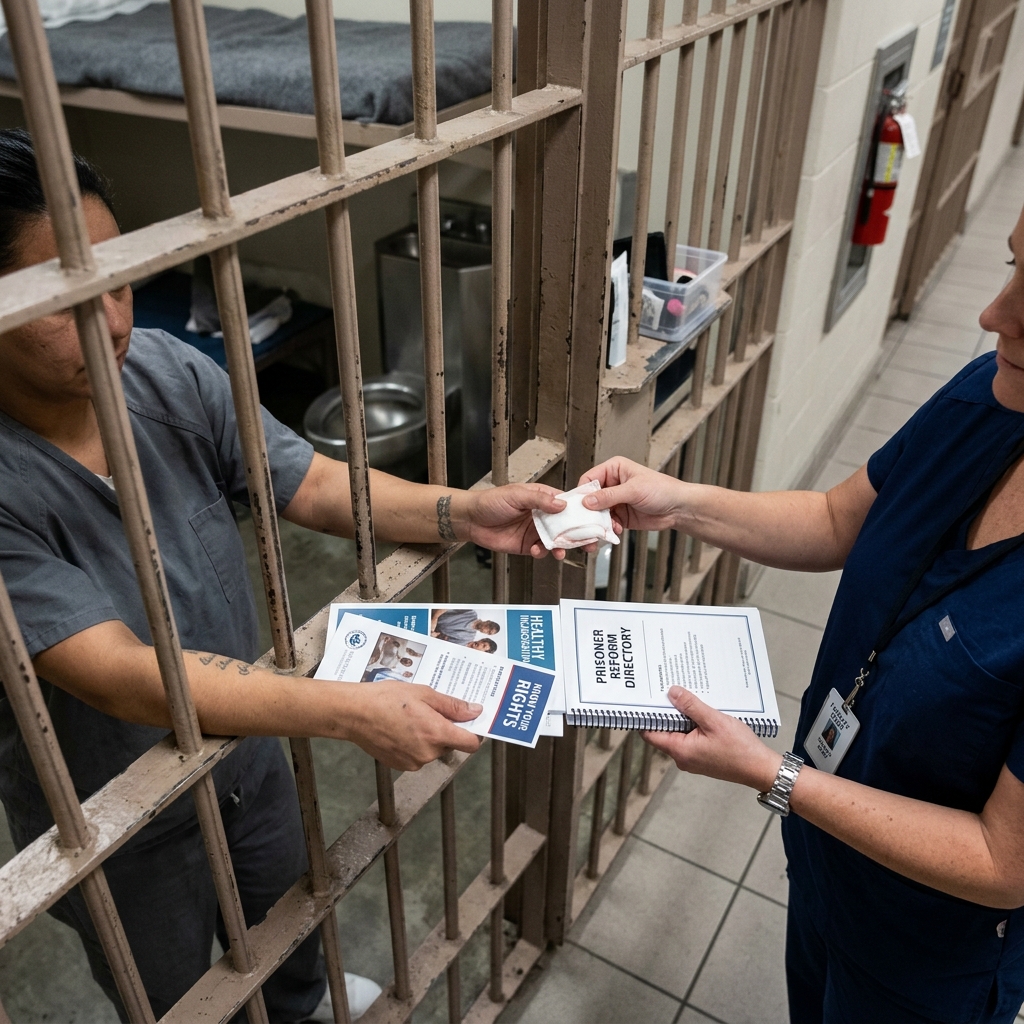
Women are a relatively small share of the incarcerated population, yet their numbers and the severity of their experiences have grown dramatically over the past few decades. Systems originally designed for men have failed to account for women’s distinct health needs, life circumstances, and pathways into custody, resulting in serious rights violations and long-term harm for women, their children, and communities.
The Rise of Women’s Incarceration
Over the last generation, women’s involvement in the criminal legal system has expanded at a striking pace. Between 1980 and 2023, the number of incarcerated women in the United States increased by more than 600%, rising from 26,326 to 186,244 women behind bars. Though men still outnumber women in prisons and jails, female imprisonment has grown at roughly twice the rate of male imprisonment over the same period.
Several forces have driven this surge:
- Expansive policing and prosecution of low-level offenses, particularly drug-related and property crimes.
- Harsher sentencing laws, including mandatory minimums, that limit judges’ discretion and fuel longer sentences.
- Economic and social marginalization, such as poverty, unemployment, and unstable housing, which increases contact with law enforcement.
- Post-conviction barriers that make reentry difficult and can lead to repeated involvement with the justice system, especially for women.
Women in jails have seen particularly dramatic growth: the number of women detained in local jails increased from under 8,000 in 1970 to nearly 110,000 in 2014, making them the fastest growing correctional population in the country.
Who Are the Women in Jails and Prisons?
Women behind bars are not a random cross-section of society. Research consistently shows they are disproportionately affected by trauma, economic hardship, and health issues compared with both men in custody and women in the general population.
Offense Types and Sentencing Patterns
Women are more likely than men to be incarcerated for nonviolent offenses, especially drug and property crimes.
| Offense Category | Women in Prison | Men in Prison |
|---|---|---|
| Drug offenses | 26% of women in prison | 12% of men in prison |
| Violent offenses | Lower share relative to men | Higher share relative to women |
Many women enter the criminal justice system as a result of coping strategies linked to poverty, domestic violence, substance use, or mental health struggles, rather than serious violent behavior.
Trauma, Mental Health, and Substance Use
Histories of trauma are nearly universal among incarcerated women. One major study of women in jails found that roughly 86% reported experiencing sexual violence in their lifetime, with many also having survived intimate partner abuse and childhood physical abuse.
These experiences link closely to mental health and substance use:
- Approximately 73% of women in the criminal justice system have a mental health issue, a significantly higher rate than men.
- In the year before entering prison, about 58% of women met criteria for a substance use disorder, and over three-quarters had a co-occurring mental health condition.
Despite this burden of trauma and psychiatric need, services inside facilities are often limited, fragmented, or focused narrowly on medication rather than comprehensive therapy.
Family Ties and Caregiving Responsibilities
Incarceration of women reverberates powerfully through families. More than 60% of women in state prisons have at least one child under age 18. For women in jails, estimates suggest that at least three out of four are mothers.
When mothers are incarcerated, children can experience:
- Placement with relatives or into foster care, sometimes permanently.
- Instability in schooling and housing.
- Emotional distress, including anxiety, depression, and stigma.
Women are frequently held in facilities far from home, making visits costly and difficult for children and caregivers. Strict visitation rules, limited phone or video contact, and high communication fees further strain family bonds.
Reentry and Parenting After Prison
Upon release, mothers face layered challenges in reunifying with their children while managing basic survival needs. Research highlights common obstacles:
- Difficulty securing safe, affordable housing that meets child welfare requirements.
- Limited access to living-wage employment due to criminal records.
- Complex child protection and family court processes.
- Ongoing trauma and mental health symptoms without stable treatment.
Without coordinated reentry support that integrates parenting, trauma care, substance use treatment, and economic assistance, women’s chances of successful reunification and long-term stability are significantly reduced.
Conditions of Confinement: Systems Built for Men
Jails and prisons in the United States were largely designed around male populations. As a result, women housed in these facilities must navigate rules, architecture, and programming that do not reflect their realities or needs.
Discipline and Misconduct
Studies show that women are disciplined at higher rates than men, often for minor infractions such as “disrespect” or “disobedience.” These rules can be applied subjectively, and women report that trauma responses, mental health symptoms, or attempts to advocate for themselves are sometimes misinterpreted as misconduct.
Frequent disciplinary actions can lead to:
- Loss of visitation, phone, or commissary privileges.
- Placement in restrictive housing or solitary confinement.
- Reduced access to rehabilitative programs.
Safety and Sexual Victimization
Safety is a central prisoners’ rights issue for women. National surveys show that while incarcerated, women are three times as likely as men to be sexually victimized by staff in prisons or jails. Many also report harassment, invasive searches, and retaliation when they attempt to complain.
This facility-based abuse compounds preexisting trauma and can worsen mental health conditions, undermining the rehabilitative goals of incarceration.
Health Care Behind Bars: Gaps and Neglect
Health care is one of the most critical areas where women’s rights are at risk. Incarcerated women have higher rates of chronic illness, infectious disease, mental health disorders, and substance use challenges than the general population, yet correctional health systems frequently fail to provide adequate care.
Reproductive and Sexual Health
Women’s reproductive health needs are often neglected or treated as secondary concerns in custody.
- Menstrual health: Many women report insufficient access to menstrual products, clean clothing, and bedding needed to manage heavy bleeding.
- Prenatal and postpartum care: Pregnant women may not receive timely obstetric care, adequate nutrition, or safe labor and delivery arrangements.
- Menopause: Hot flashes and other symptoms are regularly dismissed, and women struggle to access information or treatment options.
When reproductive health care is delayed or denied, the consequences include increased pain, infections, complications in pregnancy, and long-term health damage.
Mental Health and Substance Use Treatment
Given the high prevalence of trauma and co-occurring disorders, mental health and substance use treatment are crucial services in women’s facilities. However, care inside institutions often focuses on medication management rather than comprehensive therapy, peer support, or trauma-informed programming.
Barriers include:
- Limited staffing and specialist availability, especially in smaller or rural jails.
- Short jail stays that make continuity of care difficult.
- Stigma and fear of punitive responses for seeking help.
- Lack of integration between correctional and community health providers.
Programs, Education, and Economic Futures
Educational and vocational programs are essential for successful reentry and economic independence, but women often have less access to such opportunities or are relegated to stereotypically “female” training tracks.
Common gaps include:
- Few advanced education options, such as college-level courses.
- Limited job training in high-demand fields.
- Insufficient parenting, financial literacy, and life skills programs tailored to women.
When women leave custody without marketable skills or credentials, they face steep odds in securing stable employment, which can perpetuate cycles of poverty and re-incarceration.
Pathways to Reform: Rights-Based and Gender-Responsive Approaches
Transforming conditions for women in prison and jail requires a rights-based, gender-responsive framework grounded in evidence and lived experience.
Core Principles for Policy Change
- Recognize incarceration as a last resort, especially for low-level, nonviolent offenses linked to poverty, trauma, or substance use.
- Design policies around women’s realities, including caregiving roles, trauma histories, and health needs.
- Ensure access to comprehensive health care, including reproductive, mental, and substance use treatment that meets community standards.
- Protect safety and dignity through strong enforcement of standards against sexual abuse, harassment, and retaliation.
- Invest in reentry support that integrates housing, employment, parenting, and ongoing treatment.
Promising Practices
Research and practice suggest several promising directions for reform:
- Expanding diversion programs that connect women to community-based treatment instead of jail or prison time.
- Creating gender-responsive units with trauma-informed staff training and policies that minimize retraumatization.
- Providing free or low-cost sanitary products, reproductive health services, and menopause care as a standard.
- Integrating community providers into facilities to ensure continuity of care before and after release.
- Supporting family contact through child-friendly visits, reduced communication costs, and parenting programs.
Frequently Asked Questions (FAQ)
Why has the number of incarcerated women grown so quickly?
The growth stems from expanded law enforcement and prosecution of low-level offenses, harsher drug sentencing laws, and systemic barriers that make it difficult for women to stabilize their lives after a conviction. Broader social issues such as poverty, gender-based violence, and lack of accessible treatment also play a major role.
How does incarceration affect children of incarcerated women?
Most incarcerated women are mothers of minor children, and their imprisonment can lead to family separation, foster care placements, instability in housing and education, and emotional distress for children. Reunification after release can be complicated by legal, economic, and housing obstacles.
What specific health rights do women have in jail or prison?
Women in custody retain the right to adequate medical care under the U.S. Constitution, which includes treatment for chronic conditions, mental health and substance use disorders, and reproductive health needs such as prenatal care and menstrual management. Failure to provide such care can constitute cruel and unusual punishment under established legal standards.
Are women more likely to experience sexual abuse while incarcerated?
Yes. National data indicate that women in prisons and jails are about three times more likely than men to report sexual victimization by staff while incarcerated. This occurs against a backdrop of extremely high rates of pre-incarceration sexual violence among women in the justice system.
What does a gender-responsive approach to criminal justice look like?
A gender-responsive approach acknowledges women’s distinct pathways into the justice system, their caregiving roles, trauma histories, and health needs. It prioritizes community-based alternatives to incarceration, trauma-informed practices, comprehensive health care, and robust support for family connections and reentry.
References
- Incarcerated Women and Girls — The Sentencing Project. 2024-02-01. https://www.sentencingproject.org/fact-sheet/incarcerated-women-and-girls/
- Women’s Mass Incarceration: The Whole Pie 2024 — Prison Policy Initiative. 2024-03-14. https://www.prisonpolicy.org/reports/pie2024women.html
- Overlooked: Women and Jails in an Era of Reform — Vera Institute of Justice. 2016-08-01. https://www.vera.org/publications/overlooked-women-and-jails-report
- A Preliminary Assessment of Women in the Criminal Justice System — Council on Criminal Justice. 2022-12-15. https://counciloncj.org/womens-justice-a-preliminary-assessment-of-women-in-the-criminal-justice-system/
- Conditions and Rights for Women in Jails — National Conference of State Legislatures. 2020-09-15. https://www.ncsl.org/civil-and-criminal-justice/conditions-and-rights-for-women-in-jails
- Inadequate Health Care: A Significant Problem Affecting Incarcerated Women — University of Michigan School of Public Health. 2019-04-10. https://sph.umich.edu/pursuit/2019posts/inadequate-healthcare-a-significant-problem-affecting-incarcerated-women.html
- The Situation of Incarcerated Women — Harvard Kennedy School. 2014-11-01. https://www.hks.harvard.edu/centers/carr-ryan/our-work/carr-ryan-commentary/situation-incarcerated-women
Similar Articles








Read full bio of Sneha Tete




