Wisconsin Workplace Drug Testing Laws: 5 Key Employer Rules
Navigate Wisconsin's rules on employer drug testing, from private sector freedoms to public project mandates and employee protections.
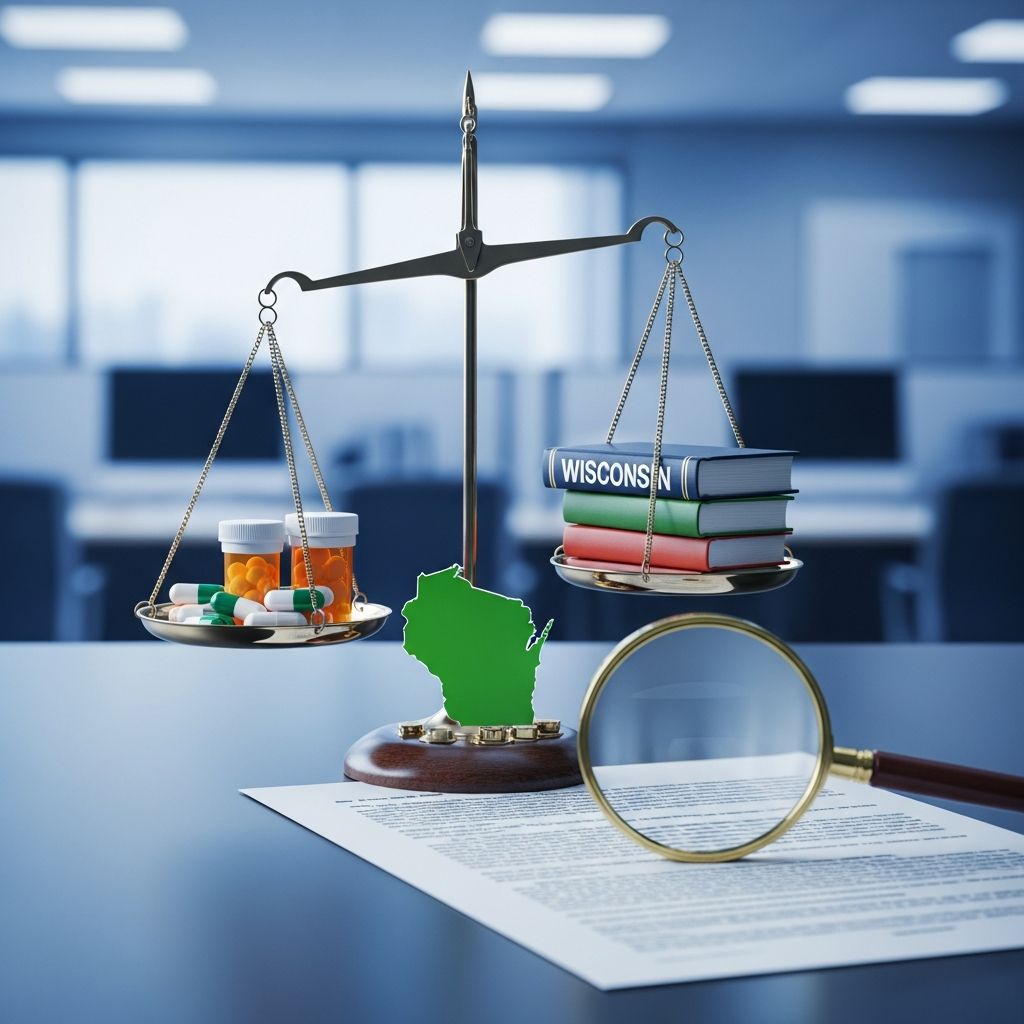
Wisconsin Workplace Drug Testing Laws
Wisconsin grants private employers significant freedom to implement drug testing programs without state-level restrictions, allowing tests in various scenarios like pre-employment screening and random checks. This flexibility supports safety-focused workplaces, though public sector and contract-specific rules add layers of compliance.
Overview of Drug Testing Authority in Wisconsin
Private businesses in Wisconsin operate in an environment where no comprehensive state statute limits or mandates drug testing for their workforce. Employers can establish policies tailored to their needs, focusing on maintaining productivity and safety. This absence of regulation contrasts with states that impose notice requirements or testing limits, giving Wisconsin companies broad discretion.
For instance, employers may require tests before hiring, after incidents, or based on suspicion of impairment. Such practices align with the state’s at-will employment doctrine, where policy violations can lead to termination. Public employers and those bidding on state projects face distinct obligations under Wisconsin Statute §103.535, mandating structured substance prevention programs.
Types of Drug Tests Employers Can Conduct
Companies frequently use multiple testing methods to detect substance use. Common approaches include:
- Pre-employment testing: Applicants must often pass a drug screen as a job offer condition, with written notice of procedures recommended to prevent disputes.
- Random testing: Permitted without advance warning, particularly for roles involving machinery or driving, using impartial selection methods to avoid bias claims.
- Post-accident testing: Conducted immediately after workplace injuries to assess if substances contributed, helping with workers’ compensation claims.
- Reasonable suspicion testing: Triggered by observed behaviors like slurred speech or odor, documented by supervisors.
- Return-to-duty or follow-up testing: Applied after rehabilitation to ensure ongoing compliance.
These tests typically analyze urine, though hair, blood, or saliva samples are options. Hair tests detect long-term use but face scrutiny in unemployment appeals.
Legal Requirements for Public Works and Contractors
While private sector testing remains unregulated, state law imposes duties on contractors involved in public works projects valued over $10,000. Wisconsin Statute §16.856 requires a written substance abuse prevention program, including testing protocols for employees on-site. Failure to comply can disqualify bids or lead to penalties.
Recent legislative activity, such as 2025 Senate Bill 486, proposed easing these mandates by repealing certain program requirements, signaling potential shifts toward voluntary measures. Employers on federal contracts exceeding $100,000 must also adhere to the Drug-Free Workplace Act, incorporating testing as needed.
Employee Rights and Discrimination Protections
Workers retain protections under the Wisconsin Fair Employment Act (WFEA), which prohibits discrimination based on lawful product use outside work hours. This creates challenges with cannabis-related positives, as standard tests cannot distinguish hemp-derived CBD (legal under federal Farm Bill) from THC in marijuana.
| Scenario | Potential Issue | WFEA Protection |
|---|---|---|
| Positive THC from CBD gummy | Termination for policy violation | May claim lawful product use if not impaired at work |
| Random test after off-duty hemp use | No impairment shown | Protected unless special circumstances like intoxication apply |
| Hair test positive for past use | Unemployment denial attempt | Agency may disregard hair results for benefits |
Employees should notify employers preemptively about legal supplements to mitigate risks. Impairment at work voids protections, allowing discipline.
Consequences of Failing a Drug Test
A positive result often results in immediate termination, especially in safety-sensitive positions, as Wisconsin’s at-will status permits swift action. Pre-employment failures typically rescind offers without recourse. Some policies offer second chances via retesting or rehab for first offenses, but this varies by company.
Unemployment eligibility persists if termination lacks misconduct evidence; hair-only positives may not disqualify benefits. Federal roles or DOT positions enforce stricter protocols, potentially barring rehire.
Best Practices for Employers Developing Policies
To minimize liability, employers should:
- Draft clear, written policies distributed via handbooks, detailing triggers, methods, and outcomes.
- Ensure random selections are neutral to evade discrimination suits.
- Train supervisors on suspicion documentation.
- Use certified labs for chain-of-custody and confirmation testing.
- Accommodate medical marijuana indirectly via ADA if applicable, though Wisconsin lacks legalization.
Consulting legal experts ensures alignment with evolving laws, like potential 2026 changes in safety-sensitive designations.[10]
Recent Developments and Future Trends
As of 2026, workplace testing evolves with legalization debates elsewhere, but Wisconsin upholds strict standards. Proposed bills aim to refine public contractor rules, reducing administrative burdens. Advances in testing technology may better differentiate substances, addressing WFEA ambiguities.
Employers must monitor federal updates, such as DOT expansions, while private firms retain policy autonomy.
Frequently Asked Questions
Can my Wisconsin employer require a drug test without notice?
Yes, private employers can conduct random or post-accident tests without prior warning, provided company policy outlines the process.
Is marijuana legal for employment purposes in Wisconsin?
No, it’s not legalized, and positives can justify termination regardless of off-duty use, unless WFEA lawful product defenses apply.
What if I test positive from legal CBD?
You may challenge under WFEA if proving non-impairment and lawful source; notify employer beforehand to strengthen your case.
Do I get unemployment after a failed drug test?
Possibly, especially if only hair tests confirm use, as agencies may overlook them; depends on circumstances.
Must public contractors drug test employees?
Yes, via written programs per state statute for qualifying projects.
Navigating Disputes and Seeking Help
If facing adverse actions from a test, review policy compliance and gather evidence like receipts for legal products. Contact the Wisconsin Department of Workforce Development’s Equal Rights Division for discrimination claims or employment attorneys for personalized advice. Documentation is crucial in challenging results or terminations.
(Word count: 1678)
References
- Employer Required Drug Testing — Employee Advocates. 2023. https://employee-advocates.com/employer-required-drug-testing/
- Employment Termination with a Drug-free Workplace Policy — Axley Brynelson, LLP. 2023-10-01. https://www.axley.com/publication_article/employment-termination-drug-free/
- Quick and Easy Guide to Labor & Employment Law: Wisconsin — Baker Donelson. 2024. https://www.bakerdonelson.com/easy-guide-wisconsin
- Workplace Drug Testing in Wisconsin — Nolo. 2024. https://www.nolo.com/legal-encyclopedia/workplace-drug-testing-wisconsin.html
- CBD, THC, and the Wisconsin Fair Employment Act — State Bar of Wisconsin. 2019-01-15. https://www.wisbar.org/NewsPublications/InsideTrack/Pages/Article.aspx?Volume=17&Issue=1&ArticleID=30790
- 2025 SENATE BILL 486 — Wisconsin Legislative Documents. 2025. https://docs.legis.wisconsin.gov/document/proposaltext/2025/REG/SB486.pdf
Similar Articles








Read full bio of Sneha Tete