
Winter Holiday Road Safety: Essential Guide For Drivers
Master essential strategies for safe winter holiday driving to protect yourself and loved ones on icy roads and busy highways.
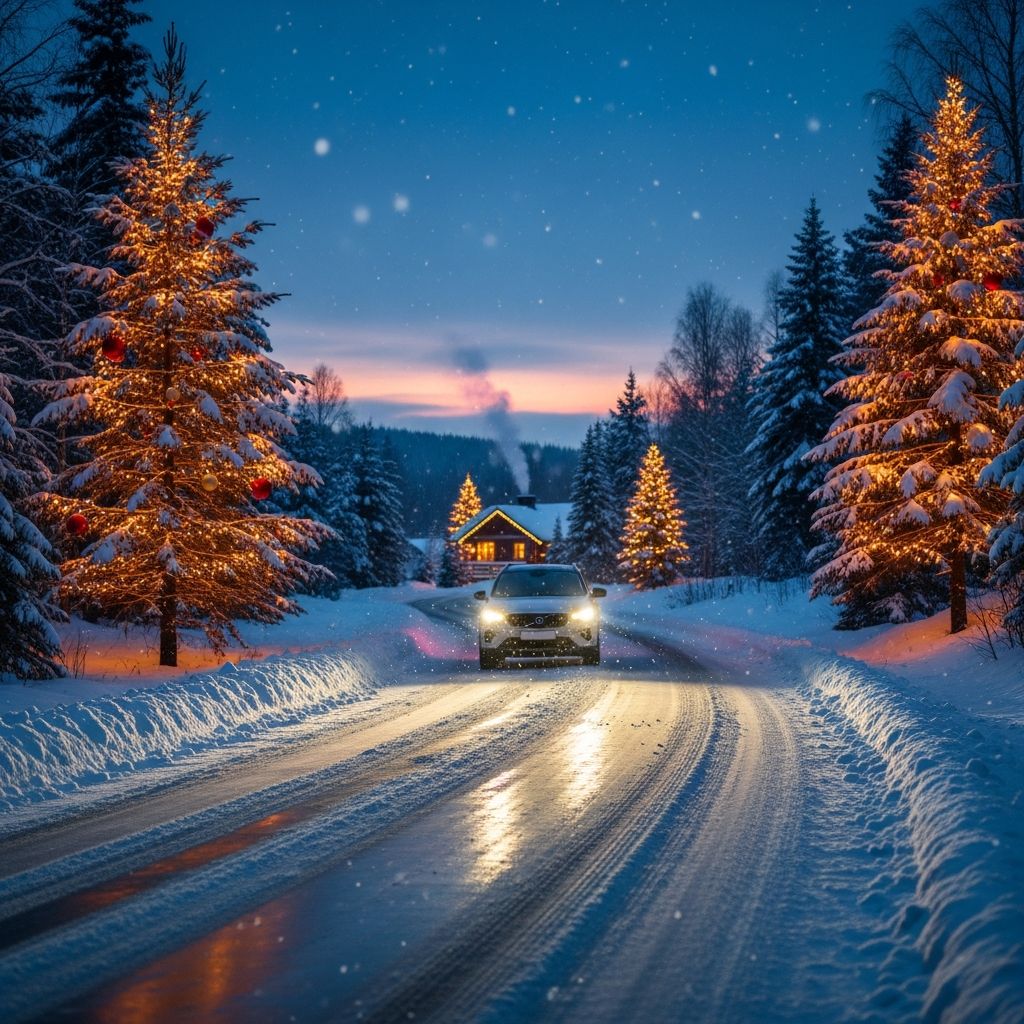
Traveling during winter holidays combines festive excitement with heightened risks from snow, ice, and heavy traffic. Proper preparation transforms potential hazards into manageable challenges, ensuring journeys end safely at destinations.
Pre-Trip Vehicle Inspection Essentials
Begin every winter trip by thoroughly inspecting your vehicle to prevent mechanical failures amid cold weather demands. Cold temperatures strain batteries, thicken fluids, and harden tires, amplifying breakdown risks on remote roads.
- Battery Check: Test battery health as power output declines in freezing conditions, often leading to starting failures. Replace if over three years old.
- Tire Assessment: Verify tread depth exceeds 2/32 inch using the penny test—Lincoln’s head should be obscured. Maintain 35-45 PSI cold pressure for optimal traction.
- Fluid Levels: Top off antifreeze, windshield washer fluid, and engine oil. Ensure brakes respond crisply without pulling.
- Lights and Wipers: Confirm all headlights, taillights, and signals function; replace worn wiper blades for clear visibility in storms.
Schedule professional service if unsure, as NHTSA emphasizes vehicle readiness reduces winter crash involvement significantly.
Assembling Your Winter Emergency Kit
An onboard emergency kit bridges the gap between minor issues and crises, providing tools for self-rescue or awaiting help. Customize based on trip length and passenger needs.
| Item | Purpose |
|---|---|
| Blankets and sleeping bags | Warmth if stranded overnight |
| Flashlight with extra batteries | Visibility for repairs or signaling |
| Reflective triangles or flares | Alert other drivers to your position |
| Snacks, water, and first-aid kit | Sustain energy and treat injuries |
| Shovel, ice scraper, and tow rope | Free vehicle from snow or ice |
| Phone charger and portable radio | Communication and weather updates |
California’s Office of Traffic Safety recommends such kits for all winter outings, noting they enable safe waiting in vehicles during blizzards. Keep tank at least half full to prevent fuel line freezes and provide idling options.
Mastering Adverse Weather Driving Techniques
Winter elements like snow, ice, and rain demand adjusted driving habits. National Safety Council data shows crashes surge when speeds exceed conditions, underscoring the need for deliberate control.
- Slow and Steady: Reduce speed by 20-30% on slick surfaces; stopping distances double on ice. Avoid cruise control entirely.
- Increased Following Distance: Adopt 8-10 second gaps versus standard 3 seconds, allowing ample reaction time.
- Skid Recovery: Ease off accelerator, steer into skid direction until traction returns, then gently straighten. Pump brakes lightly if no ABS.
- Hill Tactics: Gain momentum before uphill climbs without stopping; descend in low gear using engine braking.
For rain, stay central in lanes to dodge pooled water and quadruple following distances. Never ford moving water—vehicles can be swept away even in shallow depths.
Route Planning and Timing Strategies
Strategic planning minimizes exposure to peak hazards. Monitor forecasts via apps for real-time alerts, selecting off-peak hours like early mornings or late evenings when roads are clearer.
- Share itinerary with contacts, including expected arrival.
- Prioritize main highways over shortcuts prone to unplowed drifts.
- Build buffer time for delays, reducing rush-induced speeding.
Allstate reports holiday speeding rises, correlating with accidents; leaving early counters this impulse. If storms intensify, delay departure—patience prevents peril.
Combating Fatigue and Distractions
Long hauls breed drowsiness, while holidays amplify diversions from passengers and devices. Rotate drivers hourly on teams, taking 15-minute stretch breaks.
- Phone Discipline: Silence notifications; use hands-free only for emergencies.
- Passenger Management: Pull over before addressing children or pets.
- Rest Protocol: Sleep 7-8 hours pre-trip; consume caffeine strategically.
America’s Road Team stresses breaks refresh focus, vital as fatigue mimics impairment.
Navigating Around Large Vehicles and Hazards
Trucks proliferate during holidays, their size creating blind spots. Pass leftward swiftly, avoiding right-side lingers. Watch for erratic behaviors signaling impairment—weaving, wide turns—and report to 911 after safe pull-over.
Defensive driving anticipates deer crossings, black ice on bridges, and sudden stops. Sokolove Law advocates scanning ahead, maintaining control, and early braking.
Impairment Avoidance Imperative
Holidays tempt indulgence, but NHTSA logs thousands of alcohol-related winter crashes annually. Designate sober drivers or use rideshares; even one drink impairs ice judgment.
Post-Incident Response Protocols
If stranded, stay buckled inside with hazards flashing unless immediate fire risk. Activate kit, call for aid, and run engine periodically for heat with ventilation. For collisions, exchange info, document via photos, and seek medical checks even sans visible injury.
Frequently Asked Questions
What should I do if my car skids on ice?
Ease off gas, steer toward skid direction to regain traction, then correct gently. Avoid slamming brakes.
How full should my gas tank be for winter trips?
At least half full to aid traction, prevent freezes, and enable idling.
Is all-wheel drive sufficient for winter safety?
No— it aids acceleration but not stopping. Proper tires and techniques are crucial.
Can I use cruise control in light snow?
Never; it heightens skid risk on slippery surfaces.
What if visibility drops to zero in a whiteout?
Pull fully off roadway to safe spot, wait out conditions without shoulder parking.
This guide equips drivers for confident winter holiday travels, blending preparation with proactive habits. Safe journeys await the vigilant.
References
- Winter Driving — National Safety Council. 2024. https://www.nsc.org/community-safety/safety-topics/seasonal-safety/winter-safety/driving
- Winter Weather Driving Tips: Prepare Your Vehicle — National Highway Traffic Safety Administration (NHTSA). 2024. https://www.nhtsa.gov/winter-driving-tips
- Common Sense Safety Tips for Winter Travel — California Office of Traffic Safety. 2024. https://www.ots.ca.gov/ots-and-traffic-safety/traffic-safety-tips/winter-driving-tips/
- America’s Road Team Provides Holiday Safety Tips for Winter Conditions — American Trucking Associations. 2023-12-20. https://www.trucking.org/news-insights/americas-road-team-provides-holiday-safety-tips-winter-conditions
- Essential winter & holiday driving tips — KUTV / Allstate. 2024. https://kutv.com/features/fresh-living/essential-winter-holiday-driving-tips
Similar Articles








Read full bio of medha deb


