
How To Fight A Traffic Ticket: A Step-By-Step Court Guide 2025
Practical, step‑by‑step guidance to challenge traffic tickets effectively and improve your chances of a favorable outcome in court.
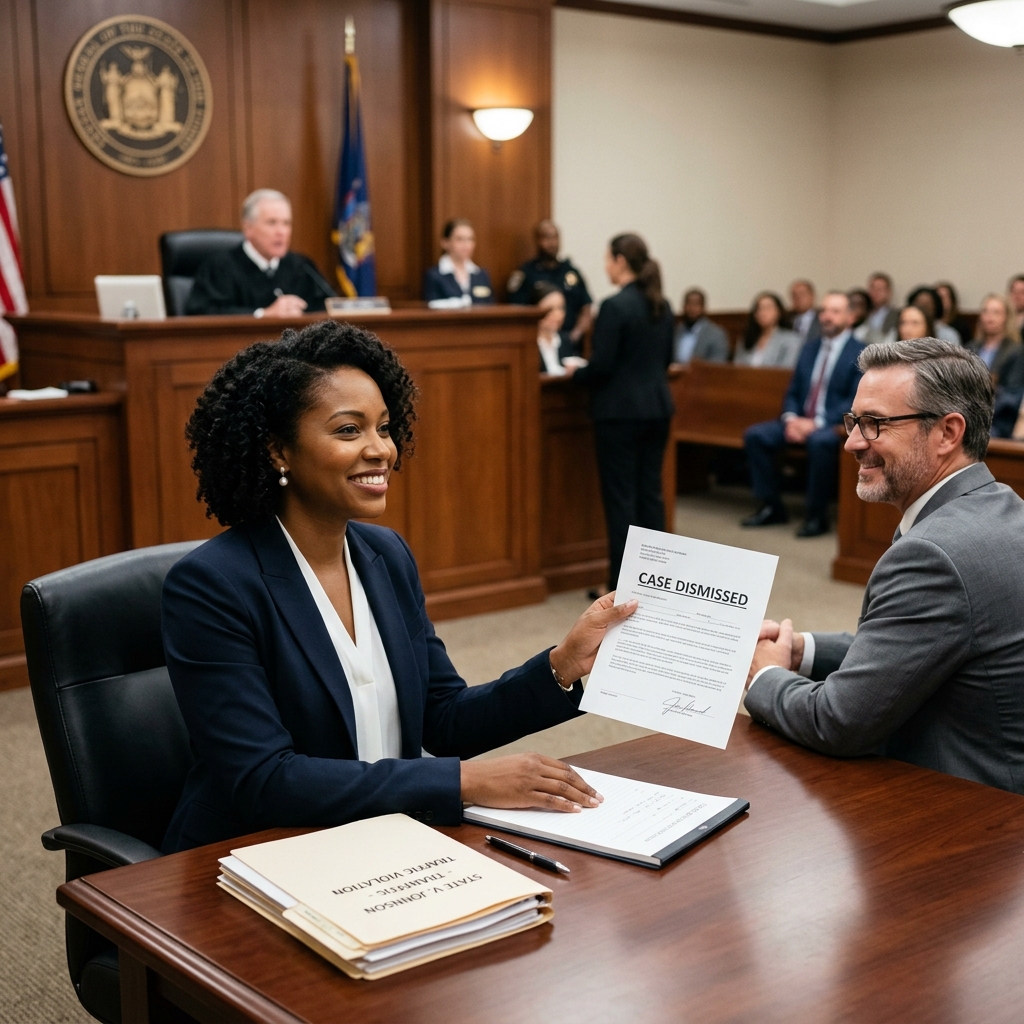
Traffic tickets may seem minor, but they can carry serious consequences: higher insurance premiums, points on your license, and in some cases, license suspension. Challenging a traffic violation in court is often possible, and with good preparation you may reduce the penalties or even have the ticket dismissed. This guide explains how traffic tickets work, how to decide whether to fight them, and the key steps to present a strong case in court.
Understanding What Your Traffic Ticket Really Means
Before you decide what to do, you need to understand exactly what you have been accused of. Your ticket is a formal notice that alleges you violated a specific traffic law, often identified by a statute or code section. Reading this carefully is essential to planning your defense.
- Violation name and code: The ticket will list the alleged offense, such as speeding, running a red light, or failing to yield, along with a legal citation (for example, a state statute number).
- Date, time, and location: These details show where and when the officer claims the violation occurred. Any inaccuracies can sometimes support your defense.
- Instructions and deadlines: Tickets usually specify by when you must respond or pay, and how to request a hearing. Missing these deadlines can limit your options or result in additional penalties.
Take a few minutes to compare the ticket to what you remember. Write down your recollection of the events while they are still fresh, including traffic, weather conditions, visibility, and any unusual circumstances.
Should You Fight the Ticket or Pay It?
Not every ticket is worth contesting, but in many situations challenging the citation can be beneficial. Consider the following factors before making a choice:
| Factor | Reasons to Fight the Ticket | Reasons to Consider Paying |
|---|---|---|
| Severity of violation | Serious violations may lead to substantial fines, points, or suspension, making a defense more valuable. | Minor non-moving violations may have minimal consequences. |
| Driving record | If your record already has points, another ticket could trigger higher insurance costs or administrative action. | A clean record and a modest fine may make payment more practical. |
| Quality of evidence | Weak officer observations, obscured signs, or faulty equipment can form strong defenses. | If evidence appears strong and there are no obvious defenses, negotiating or paying may be more efficient. |
| Time and cost | Particularly for larger penalties, investing time to appear in court may be worthwhile. | Work, travel, and preparation time can outweigh the benefit of contesting a small fine. |
Even if you ultimately decide to pay, some jurisdictions allow you to seek a reduced offense or alternative disposition, such as traffic school, that can lessen the long-term impact.
First Steps: Responding Correctly and On Time
The earliest decisions you make often have the greatest impact on your case. Courts generally require you to respond to a traffic ticket by either pleading guilty (and paying) or pleading not guilty and requesting a hearing within a specified timeframe. Failing to respond can result in default judgments, added fines, or license sanctions.
- Check your deadline immediately: Look for the response deadline printed on the ticket or on any mailed notice of violation.
- Follow the specified procedure: Some courts allow online or mail responses, while others require an in-person appearance or formal hearing request.
- Keep proof of your response: If you respond by mail or online, preserve confirmation pages, receipts, or certified mail records in case of future disputes.
Once you have entered a not-guilty plea or requested a hearing, most courts will schedule a trial or hearing date and inform you of the time and place.
Learning the Law: Researching Your Specific Violation
Knowing the legal elements of the violation can help you identify weaknesses in the case against you. Many official court and government websites provide self-help resources explaining traffic offenses and procedures.
- Locate the statute or ordinance: Use your state’s legislative website or official court resources to look up the code section listed on your ticket.
- Identify required elements: Traffic laws typically define specific elements the government must prove, such as speed limit, location, or signage requirements.
- Compare elements to facts: If the evidence does not clearly establish one of the required elements (for example, the posted speed limit or visibility of signs), you may have a legal defense.
Writing down the elements and how they relate to your situation will help you organize your arguments and stay focused when presenting your case.
Building Your Defense Strategy
A strong defense is built on clear arguments supported by credible evidence. Courts commonly see several types of defenses in traffic cases, and understanding these can help you decide which approach fits your situation.
Challenging Officer Observations and Opinions
Many traffic tickets rely entirely on what the officer reports having seen. If those observations were limited or mistaken, you may be able to cast doubt on the reliability of the citation.
- Line of sight problems: Buildings, trees, parked vehicles, or weather conditions may have interfered with the officer’s ability to see your vehicle accurately.
- Distance and angle: The farther away the officer was, or the more oblique their vantage point, the more difficult it may have been to judge your speed, lane position, or compliance with traffic controls.
- Complex situations: Heavy traffic or sudden events can make observations less reliable, especially when multiple vehicles are involved.
Pointing Out Mistakes of Fact
Sometimes drivers act reasonably based on information they see, but later learn the information was wrong. Courts sometimes treat these scenarios as “mistakes of fact,” which can support a defense.
Examples include:
- Driving the wrong way on a street because the sign was missing or obscured.
- Entering an intersection you believed was controlled by a green light due to a malfunctioning signal or misleading signage.
Photographs, videos, and witness testimony can be particularly useful to demonstrate that a reasonable person could have made the same mistake.
Showing Your Driving Was Justified or Necessary
In limited situations, you may admit that you technically violated the law but argue that circumstances justified your conduct or made it necessary to prevent harm.
- Emergency situations: Swerving or temporarily speeding to avoid a collision or other immediate danger.
- Medical necessity: Transporting someone with urgent medical needs where delay would present significant risk.
- Reasonableness under conditions: Adjusting your driving behavior to match weather, road surface, or visibility circumstances, even if this arguably conflicted with a posted rule.
Courts apply these defenses narrowly, so be prepared with detailed facts and evidence if you rely on them.
Gathering Evidence: Turning Your Story into Proof
Your recollection alone is rarely enough to win in traffic court. Judges tend to favor concrete, corroborating evidence that supports your version of events. Start collecting evidence as soon as possible.
Common Types of Helpful Evidence
- Photographs: Take clear photos of the scene, including signage, visibility, road markings, and any obstacles. These can show obscured signs, damaged signals, or confusing layouts.
- Diagrams and maps: Draw simple diagrams or print maps that show where your vehicle, the officer’s vehicle, and key features (lights, stop signs, lanes) were at the time of the alleged violation.
- Eyewitness statements: Passengers, nearby drivers, or pedestrians may be able to confirm details such as your speed, the color of the light, or the behavior of other vehicles.
- Vehicle records: Maintenance receipts or calibration certificates for your speedometer, if relevant, may help counter claims that you were traveling at a particular speed.
- Official records: Where available, obtain records related to traffic signals or speed monitoring devices, such as maintenance logs or calibration certificates.
Organize your evidence in a folder and label each item. Prepare copies to provide to the court and, if required, to the prosecutor.
Preparing for Your Court Appearance
The way you present yourself and your case can make a significant difference in how your arguments are received. Official court guides emphasize following procedures and being organized.
- Know the process: Review your court’s instructions on traffic hearings, including check-in procedures, rules about electronic devices, and how evidence is presented.
- Arrive early: Plan to arrive ahead of time to find parking, locate the courtroom, and collect your thoughts.
- Dress professionally: Clean, conservative clothing shows respect for the court and may influence how your credibility is perceived.
- Organize documents: Arrange your ticket, notes, statutes, and evidence in a logical order so you can quickly find materials when the judge asks questions.
Practice briefly explaining your main points. Focus on facts and law rather than emotion, and be prepared to answer questions directly.
What Happens During a Traffic Court Hearing?
Although procedures vary, many traffic hearings follow a similar pattern. Understanding what to expect can reduce anxiety and help you stay focused.
- Check-in: You will usually check in with court staff and wait until your case is called.
- Calling the case: The judge or court clerk will announce your case and ask you to come forward.
- Government’s presentation: The officer or prosecutor may testify first, describing what they observed and presenting any documents or records.
- Your opportunity to respond: Once the government’s case is presented, you may question the officer (if permitted) and then present your own testimony and evidence.
- Judge’s questions: The judge may ask clarifying questions to better understand the facts and your arguments.
- Decision: In many traffic cases, the judge will issue a decision at the end of the hearing, either upholding the ticket, modifying it, or dismissing it.
Remain courteous throughout, even if you disagree with the officer’s testimony. Interrupting or arguing with the judge will not help your case.
Avoiding Common Mistakes When Contesting a Ticket
Many drivers harm their own chances in traffic court by making avoidable errors. Legal practitioners regularly highlight several pitfalls to watch for.
- Missing deadlines: Ignoring the response deadline or failing to attend your hearing can lead to unfavorable default judgments.
- Arriving unprepared: Going to court without a clear theory of your case or without organized evidence makes it difficult to respond effectively to the officer’s testimony.
- Relying only on excuses: Courts give more weight to legal and factual defenses than to general complaints about fines or enforcement policies.
- Disrespectful behavior: Showing frustration or disrespect to court staff, officers, or the judge may undermine your credibility.
- Ignoring alternative options: Some drivers contest tickets without first exploring potential plea negotiations, reduced charges, or diversion programs that could provide a better outcome.
Taking a professional, organized approach increases your chances of a favorable result, even if the ticket is not fully dismissed.
Appeals and Next Steps If You Lose
If the court finds you guilty, you may still have options. Many jurisdictions offer limited appeal rights or administrative procedures to challenge a decision.
- Notice of appeal: Courts usually require you to file a written notice of appeal within a short timeframe—sometimes 30 days or less.
- Record of proceedings: An appeal typically relies on a record of what occurred at the hearing, such as an electronic recording or transcript, rather than new evidence.
- Alternative resolutions: Where appeals are not practical, you may seek payment plans or explore whether any programs can reduce the impact of the conviction.
Appeals can be more complex than initial hearings. If you are considering an appeal, consulting an attorney who handles traffic matters may help you assess whether an appeal is likely to be worthwhile.
Working With a Traffic Attorney
While many drivers handle minor tickets on their own, legal assistance can be useful in more serious cases. Lawyers familiar with traffic law know how to scrutinize officer testimony, equipment calibration records, and legal elements, and can advise on negotiation strategies.
- When counsel may be helpful: Tickets involving substantial fines, commercial licenses, or risk of suspension or revocation often justify consulting an attorney.
- What attorneys do: They review your ticket, examine evidence, identify defenses, and may negotiate on your behalf or represent you at the hearing.
- Cost-benefit analysis: Compare the attorney’s fees against potential long-term costs, such as insurance increases or lost work due to license restrictions.
Even a brief consultation may clarify your options and help you decide whether to fight the ticket, negotiate, or accept a modified resolution.
Frequently Asked Questions About Challenging Traffic Tickets
Do I always need to appear in person to contest a traffic ticket?
No. In many states, you can contest certain traffic tickets by mail or through written statements, though more serious allegations often require an in-person hearing. Check the instructions on your ticket and your court’s official website to see which options are available.
What if the officer does not show up in court?
If the officer fails to appear, some courts may dismiss the ticket or find there is insufficient evidence to prove the violation. However, policies vary by jurisdiction, and judges may still rely on written reports or other records. You should still be prepared to present your case.
Can I negotiate a reduced charge instead of going to trial?
Often, yes. Many traffic prosecutors are willing to discuss plea options, such as reducing a charge to a non-moving violation or recommending traffic school in exchange for a guilty plea on a lesser offense. Negotiation outcomes depend on your history and the nature of the violation.
Will fighting a ticket always keep it off my record?
No. Contesting a ticket gives you the opportunity to avoid or reduce consequences, but there is no guarantee. The judge may uphold the ticket, modify it, or dismiss it depending on the evidence and applicable law.
Is appealing a traffic court decision worth the effort?
Appeals can be worthwhile when there were significant legal errors or when the consequences are severe. However, appeal procedures are more formal, and success usually depends on showing that the trial court misapplied the law rather than simply rearguing the facts. Seeking legal advice can help you decide whether to pursue an appeal.
References
- Appeal a Traffic Ticket Decision — California Courts, Self-Help Guide. 2023-08-01. https://selfhelp.courts.ca.gov/traffic/appeal
- Fight a Traffic Ticket: 5 Strategies That Work — FindLaw. 2024-02-15. https://www.findlaw.com/traffic/traffic-tickets/how-to-fight-traffic-tickets-five-strategies-that-work.html
- Common Mistakes to Avoid When Contesting a Traffic Ticket — Super Lawyers. 2023-06-10. https://www.superlawyers.com/resources/traffic-violations/common-mistakes-to-avoid-when-contesting-a-traffic-ticket/
- How to Fight a Speeding Ticket — Fienman Defense. 2022-11-05. https://www.philadelphiacriminalattorney.com/speeding-tickets-citations/how-to-fight-speeding-ticket/
- PAePay Traffic Tickets or Court Costs — Pennsylvania Unified Judicial System. 2023-01-20. https://ujswebportalhelp.pacourts.us/A_Topics/E_PayOnline/B_PAePay%20TTCC.htm
- Pay a Traffic Ticket — City of Philadelphia. 2024-03-01. https://www.phila.gov/services/cars-parking-transportation/pay-or-dispute-a-ticket/pay-a-traffic-ticket/
Similar Articles








Read full bio of Sneha Tete


