
Will My Personal Injury Case Go to Trial?
Understand how often personal injury cases go to trial, what influences that decision, and what to expect if your claim reaches the courtroom.
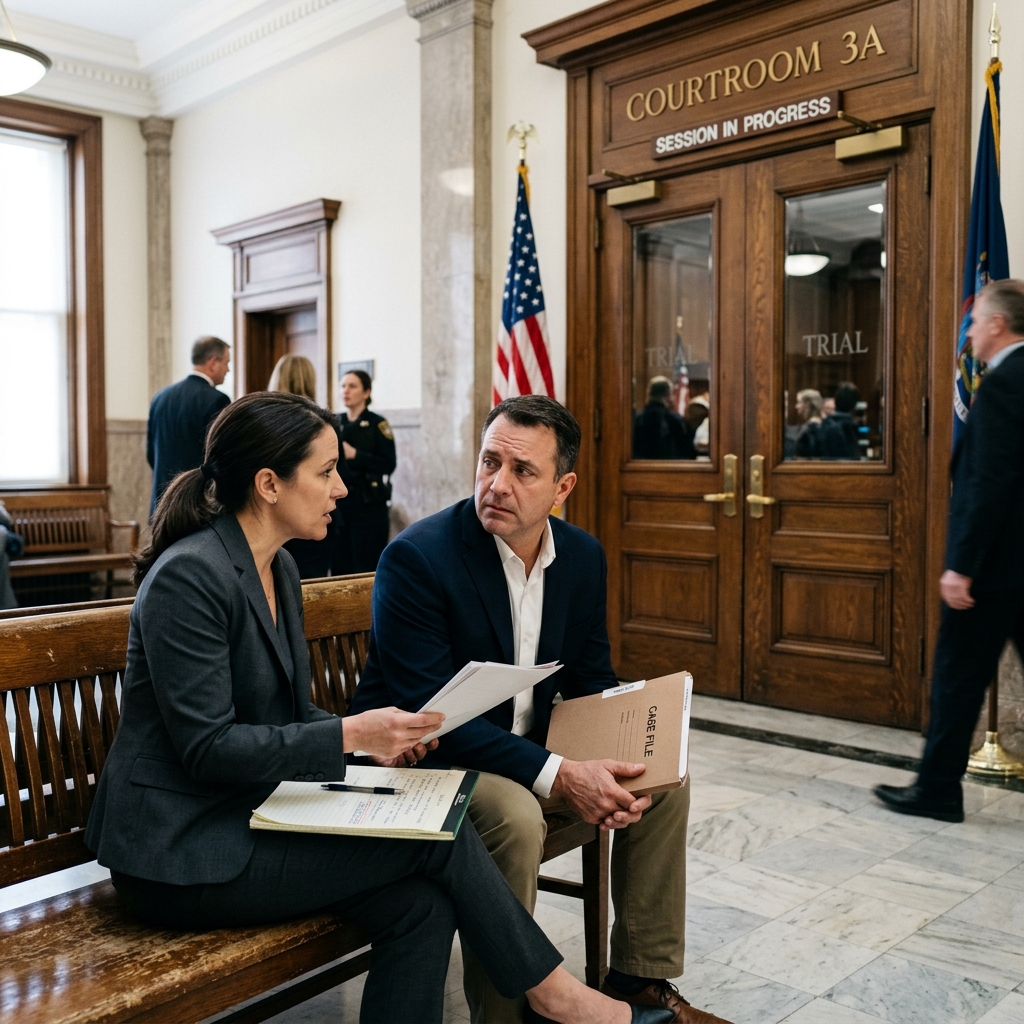
When you are hurt in an accident and thinking about bringing a personal injury claim, one of the first questions that often comes to mind is: Will my case end up in court? The idea of testifying in front of a judge or jury can be intimidating, and it is natural to worry about the time, expense, and stress of a trial. In reality, only a small share of personal injury lawsuits ever reach a full trial, and most are resolved through settlement negotiations long before a courtroom verdict is necessary.
This article explains how often personal injury cases go to trial, why most cases settle, what factors increase the chances of a trial, and what you can expect if your case does proceed to court. It is designed to serve as an educational overview, not legal advice for your specific situation.
How Often Do Personal Injury Cases Go to Trial?
Statistics from court systems and legal studies show that trials are the exception, not the rule, in personal injury litigation. According to reports relying on data from the U.S. Department of Justice and state courts, roughly:
- About 90–95% of personal injury cases settle before trial.
- Only around 3–10% go all the way to trial, with many estimates clustering at roughly 3–5%.
- Plaintiffs (injured people bringing the claim) win about half of the personal injury trials that do occur.
These numbers can vary by region, type of case, and court, but the overall pattern is consistent: most personal injury disputes are resolved by agreement rather than a judge or jury verdict.
Why So Many Personal Injury Cases Settle
If trials provide a formal decision, why do the vast majority of claims settle? Settlements offer several practical advantages for both injured people and defendants (often insurance companies):
1. Predictability and Control
A trial verdict is ultimately in the hands of a judge or jury. Even with strong evidence, neither side can fully predict the outcome. By settling, both parties:
- Gain more control over the final result.
- Can tailor the settlement to address unique needs, such as structured payments or protection of certain interests.
- Avoid the risk of a complete loss at trial.
2. Time and Cost Savings
Taking a case through discovery, pre-trial motions, and a full trial is time-consuming and expensive. Research based on national data indicates that personal injury cases that go to trial often take about two years or more from filing to resolution. Cases that settle earlier typically resolve faster, which may be critical for injured people facing ongoing medical bills and lost income.
3. Emotional and Practical Burdens
Litigation can be emotionally draining. Preparing for trial often requires:
- Reliving the accident during testimony.
- Undergoing questioning in depositions.
- Delays and uncertainty about the outcome.
Settlements help many people avoid the stress of a public, adversarial court process and allow them to move on with their lives sooner.
4. Incentives for Insurance Companies
Insurance companies and defense lawyers also have reasons to prefer settlement in most cases:
- Trials are expensive and tie up resources.
- Unpredictable jury verdicts could be larger than a negotiated settlement.
- A track record of reasonable settlements can improve efficiency and reduce long-term litigation risk.
At the same time, insurers may hold out or offer low settlements if they think the injured person is unlikely or unable to pursue a trial, which is where experienced legal representation can matter.
Key Factors That Influence Whether a Case Goes to Trial
Although most personal injury claims settle, some do go to trial. Several recurring factors increase the likelihood that settlement negotiations will break down.
Disagreement About Who Was at Fault
One of the most common reasons cases proceed to trial is a dispute over liability—who is legally responsible for the accident. Examples include:
- The defendant claims the injured person caused or contributed to the accident.
- Multiple parties blame each other, such as drivers in a multi-car crash.
- The facts are unclear, and each side’s version of events differs.
In states with comparative fault rules, even partial responsibility can reduce the injured person’s recovery, leading to strong disagreements over how blame should be allocated. When neither side is willing to compromise on fault, trial may become the only way to obtain a binding decision.
Dispute Over the Value of the Claim
Even when fault is clear, the parties may disagree about how much compensation is fair. Arguments often arise over:
- The reasonableness of medical treatment and bills.
- Whether injuries are permanent or will fully heal.
- The amount of lost wages and future loss of earning capacity.
- How to value pain, suffering, and reduced quality of life.
Insurance companies may challenge the severity or cause of injuries, especially if there are pre-existing conditions or gaps in treatment. If negotiations reach a point where the best offer is far below what the injured person and their lawyer believe a jury could award, they may choose to proceed toward trial.
Strength of the Evidence
The quality and clarity of evidence has a direct influence on settlement discussions and trial prospects. Strong evidence makes it easier for a lawyer to present a compelling case and can encourage the other side to settle rather than risk a loss in court. Key evidence may include:
- Accident reports and photographs.
- Medical records that consistently document injuries and treatment.
- Witness statements supporting the injured person’s account.
- Expert testimony, such as accident reconstruction or medical opinions.
When evidence is weak or conflicting, insurers may be more inclined to force the case to trial or offer less attractive settlements.
Complex or High-Value Cases
Claims involving very serious injuries, large potential damage awards, or complicated facts are more likely to go to trial. Examples include:
- Medical malpractice claims.
- Product liability cases involving defective products.
- Catastrophic injuries such as spinal cord damage or traumatic brain injuries.
Because so much money may be at stake, defendants and insurers sometimes prefer to have a court decide rather than pay what they view as an unreasonably high settlement demand.
Litigation Strategy and Lawyer Experience
Experienced trial lawyers prepare every case as if it could go to court. Ironically, this approach often helps cases settle because insurers recognize that the injured person is ready and able to try the case if necessary. On the other hand, if the defense believes the plaintiff’s side is unwilling or unprepared for trial, they may offer less, which can prolong the case.
Stages of a Personal Injury Case Before Trial
Understanding the typical steps in a personal injury case can make the prospect of litigation feel less overwhelming. While procedures differ among states, many cases follow a similar pattern.
Initial Medical Treatment and Investigation
Immediately after an accident, the priority is medical care. At the same time, evidence should be preserved when possible:
- Seek prompt medical evaluation and follow your doctor’s recommendations.
- Document your symptoms, limitations, and how the injury affects your daily life.
- Gather photos, witness information, and any incident reports.
These early steps help your legal team later evaluate how strong your claim is and what compensation may be appropriate.
Hiring a Lawyer and Pre-Lawsuit Negotiations
In many personal injury matters, an attorney begins by communicating with the at-fault party’s insurer. They may:
- Collect medical records and bills.
- Calculate lost income and other damages.
- Prepare a detailed demand letter explaining liability and damages.
- Attempt to reach a settlement without filing a lawsuit.
Many claims settle in this phase, particularly when liability is straightforward and injuries are well-documented.
Filing the Lawsuit
If negotiations fail or the statute of limitations is approaching, your lawyer may file a civil complaint in court against the at-fault party. The defendant then responds, often through their insurance-appointed attorney. Filing a lawsuit does not guarantee a trial; it simply moves the case into a formal litigation track.
Discovery
The discovery phase is the information-gathering stage of litigation. Each side may use:
- Interrogatories: written questions that must be answered under oath.
- Requests for documents: seeking records, photographs, and other evidence.
- Depositions: in-person or remote sworn testimony from parties, witnesses, and experts.
Discovery can be lengthy, particularly in complex cases. Many personal injury claims settle during or shortly after discovery, when both sides have a clearer picture of the evidence and risks.
Pre-Trial Motions and Settlement Talks
Before a trial date, the lawyers may file motions asking the judge to decide legal issues or even dismiss certain claims. The court may also encourage settlement by:
- Scheduling settlement conferences.
- Ordering mediation with a neutral third party.
- Setting firm deadlines that increase pressure to resolve the case.
Only if these efforts fail will the case proceed to a full trial.
What Happens If Your Case Goes to Trial?
If your personal injury lawsuit does go to trial, the experience will differ somewhat depending on whether your state uses primarily jury trials or bench trials (trials decided by a judge). Nonetheless, the core steps are similar.
| Feature | Bench Trial (Judge) | Jury Trial |
|---|---|---|
| Decision-maker | Judge decides both law and facts. | Judge rules on law; jury decides facts and verdict. |
| Speed | Typically quicker and more streamlined. | Often longer due to jury selection and instructions. |
| Formality | Still formal but usually less theatrical. | More formal and structured; presentation is tailored to jurors. |
| Use of technical evidence | Judges are used to complex legal and technical issues. | Lawyers must explain complex topics in everyday language. |
Typical Stages of a Personal Injury Trial
- Jury selection (if applicable): The lawyers question potential jurors to identify bias and select a fair panel.
- Opening statements: Each side outlines what they believe the evidence will show.
- Presentation of evidence: Witnesses, including you, may testify, and documents, photos, and expert reports are introduced.
- Cross-examination: Each side challenges the other’s witnesses and experts.
- Closing arguments: Lawyers summarize how they think the evidence supports their side.
- Deliberation and verdict: The judge or jury decides liability and, if applicable, the amount of damages.
Trials themselves often last from a few days to a couple of weeks, although the case may have taken months or years to reach that point. Even after a verdict, either side may have limited rights to appeal.
Pros and Cons: Settling vs. Going to Trial
Choosing whether to accept a settlement or proceed to trial is highly personal and depends on your goals, risk tolerance, and the advice of your attorney. The following table highlights general advantages and disadvantages of each path.
| Aspect | Settlement | Trial |
|---|---|---|
| Time to Resolution | Usually faster; may resolve in months. | Often longer; can take years to reach verdict. |
| Risk | More predictable; both sides know the outcome. | Uncertain; possibility of higher award or nothing. |
| Cost | Lower legal and court costs overall. | Higher costs due to extensive preparation and trial time. |
| Emotional Impact | Less stressful; avoids public testimony. | Can be stressful and emotionally draining. |
| Privacy | Terms may be confidential. | Proceedings and verdict are generally public. |
| Potential Recovery | Often lower than a strong trial verdict but guaranteed. | Potentially higher recovery but with significant risk. |
Practical Steps to Improve Your Case, Whether It Settles or Goes to Trial
You cannot control every aspect of litigation, but you can take steps that strengthen your position during settlement talks and at trial.
- Get prompt and consistent medical care: Gaps in treatment can be used to argue that injuries are minor or unrelated.
- Follow medical advice: Ignoring recommendations may reduce your recovery or suggest your injuries are less serious.
- Preserve evidence early: Keep photos, names of witnesses, damaged property, and any communications with insurers.
- Be honest and consistent: Inaccurate or inconsistent statements can hurt credibility with both adjusters and juries.
- Consult an experienced lawyer: Legal advice can explain your options, evaluate settlement offers, and prepare for trial if necessary.
Frequently Asked Questions
What percentage of personal injury cases go to trial?
Most analyses of court and settlement data indicate that only 3–10% of personal injury cases reach trial, with many estimates closer to 3–5%. The rest resolve through settlements, dismissals, or other pre-trial resolutions.
How long does a personal injury case take if it goes to trial?
There is no universal timeline, but nationwide data suggest that the median time from filing to disposition for personal injury cases that go to trial is around two years, and sometimes longer. Cases that settle earlier typically resolve faster.
Do plaintiffs usually win personal injury trials?
Studies and legal guides show that plaintiffs win roughly about 50% of personal injury trials, although win rates vary by case type and jurisdiction. Outcomes depend heavily on the strength of the evidence and specifics of the case.
Can my case settle after a trial has already started?
Yes. Settlement can occur at almost any stage of litigation, including during trial, before the judge or jury reaches a verdict. Sometimes the pressure of trial itself encourages last-minute negotiations.
Do I have to accept a settlement offer?
No. The decision to accept or reject a settlement belongs to you. Your attorney can advise you on whether an offer is reasonable compared to likely trial outcomes, but you choose whether to settle or proceed to court.
Will I have to testify if my case goes to trial?
In most personal injury trials, the injured person testifies about the accident, their injuries, and the impact on their life. Your attorney will help you prepare so you understand the process, the questions you may be asked, and how to present your story clearly and truthfully.
References
- What Percentage Of Personal Injury Cases Go To Trial? — The Wilson PC. 2024-01-10. https://www.thewilsonpc.com/blog/what-percentage-of-personal-injury-cases-go-to-trial/
- Why Only Some Personal Injury Cases Go to Trial — Spiros Law. 2023-08-14. https://www.spiroslaw.com/blog/why-only-some-personal-injury-cases-go-to-trial/
- What Happens If My Personal Injury Case Goes to Trial — Ramos Law. 2023-11-02. https://www.ramoslaw.com/what-happens-if-my-personal-injury-case-goes-to-trial/
- Chances of Winning a Personal Injury Lawsuit — Siegal & Richardson. 2023-06-20. https://siegalrichardsonlaw.com/chances-of-winning-a-personal-injury-lawsuit/
- How Hard Is It to Win a Personal Injury Lawsuit (2026 Guide) — John M. Bales. 2026-01-05. https://calljmb.com/blog/how-hard-is-it-to-win-a-personal-injury-lawsuit/
Similar Articles








Read full bio of medha deb


