
How To Write A Will: 5 Essential Steps To Protect Loved Ones Today
A clear, up-to-date will protects your loved ones, avoids disputes, and ensures your legacy is handled exactly the way you intend.
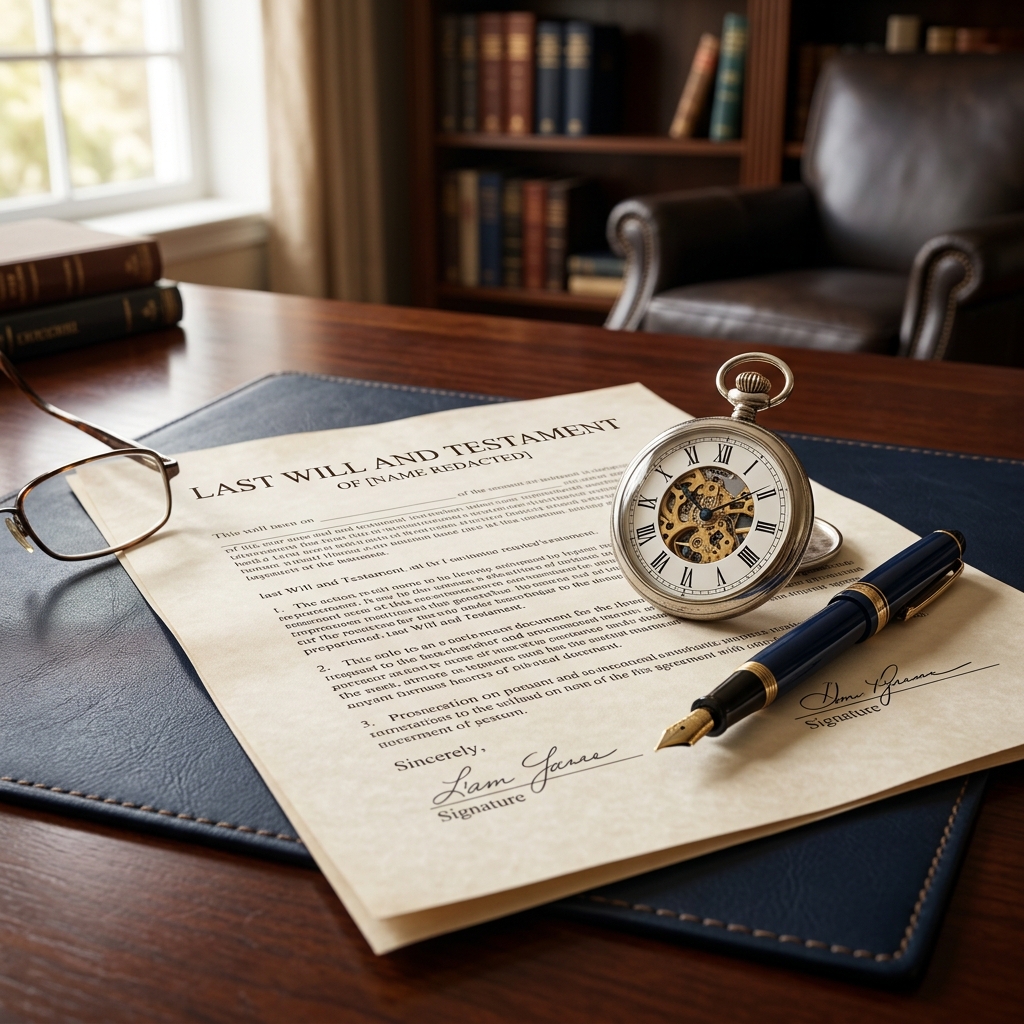
Putting off writing a will is extremely common, yet it can leave your loved ones facing confusion, delays, and avoidable conflict at one of the hardest moments of their lives. A will is not just a legal formality—it is a practical tool for protecting the people and causes that matter most to you.
This guide explains what a will does, what happens if you die without one, and the key decisions involved in creating a clear, valid document. It is inspired by general legal commentary on wills and estate planning, but the structure and wording here are entirely original and designed for readers who may be creating a will for the first time.
Understanding What a Will Really Is
A will, often called a last will and testament, is a legal document that states how you want your money, property, and personal belongings to be handled after your death. It can also name the individual who will manage your estate and, when relevant, the person who will care for your minor children.
Core Functions of a Will
- Distribute your assets: Specify who should receive your home, savings, investments, personal items, and other property.
- Appoint an executor: Choose someone you trust to carry out your instructions, pay debts and taxes, and interface with the court during probate.
- Designate guardians: Nominate caregivers for children under 18, or for dependents who cannot manage their own affairs.
- Support charities or causes: Direct part of your estate to charitable organizations you wish to benefit.
- Provide clarity and reduce disputes: Clearly state your intentions so family members do not have to guess what you wanted.
In simple terms, a will is your written voice at a time when you are no longer able to speak for yourself. Without it, decisions are made according to state law rather than your personal priorities.
What Happens If You Die Without a Will?
When someone dies without a valid will, they are said to die intestate. In that situation, the distribution of their estate is controlled entirely by the law of the state or country where they lived.
Intestate Succession: The Default Roadmap
Every jurisdiction has rules that determine who inherits when there is no will. Typically, these rules prioritize close relatives in a fixed order. While the exact details vary by location, they often follow patterns like:
| Family Situation | Typical Intestate Outcome (Example Only) |
|---|---|
| Spouse, no children | Spouse usually receives most or all of the estate. |
| Spouse and children | Estate split between spouse and children according to statute. |
| Children, no spouse | Children share the estate equally. |
| No spouse, no children | Parents, siblings, or more distant relatives may inherit. |
These default rules do not consider your personal relationships, promises, or informal understandings. The court and the law treat everyone according to the statutory framework, even if that leads to outcomes you would never have chosen.
Practical Problems When There Is No Will
- No say over who receives key assets: Sentimental items or family heirlooms may go to someone who does not value them, simply because the law requires it.
- Unclear responsibility for children: If you did not name guardians, courts must decide who will care for your minor children.
- Greater potential for disputes: Relatives may disagree over what you would have wanted, which can lead to prolonged conflict and litigation.
- More stress for grieving families: Loved ones must navigate the legal system without guidance from you, often at significant emotional and financial cost.
In effect, dying without a will means the state is stepping into your role, deciding who will administer your estate and how property will be divided. Writing a will allows you to reclaim that control.
Why Writing a Will Matters at Every Stage of Life
Many people associate wills with older age or serious illness, but legal and financial experts consistently emphasize that most adults benefit from having a will, especially if they own property or have dependents.
Key Reasons to Make a Will Now
- Protect your spouse or partner: Ensure a surviving partner is adequately provided for and not left battling relatives over assets.
- Safeguard children and dependents: Name guardians and set up financial arrangements for school, health care, and basic needs.
- Reduce family conflict: Detailed instructions limit the room for misunderstanding and reduce the chances of disputes.
- Support vulnerable family members: You can leave specific instructions or trusts for relatives who are disabled or financially inexperienced.
- Align your legacy with your values: Direct gifts to charities, community groups, or causes that reflect what you care about.
Writing a will is not about anticipating your death; it is about extending your care and responsibility into the future, in a way that law and courts can recognize and enforce.
Essential Elements of a Legally Valid Will
While the technical requirements vary by jurisdiction, there are common components that most legal systems expect in order for a will to be recognized as valid.
Typical Legal Requirements
- Age and capacity: The person making the will is generally required to be an adult (often 18 or older) and of sound mind.
- Voluntary creation: The will must be made freely, without coercion or undue pressure from others.
- Written document: The will is usually required to be in writing, rather than purely oral, so it can be accurately interpreted later.
- Proper signing: The will is signed by the person making it, often in the presence of two witnesses, who then sign in that person’s presence.
Some places recognize different formats, such as notarized wills, handwritten (holographic) wills, or wills signed before witnesses, each with specific rules. Because these rules are local, consulting a qualified legal adviser in your area is often the safest way to ensure validity.
Information Your Will Should Clearly Cover
- Who your beneficiaries are: Identify the individuals or organizations that should receive your assets.
- What each beneficiary receives: Describe gifts precisely, especially for real estate, investments, and valuable personal property.
- Executor details: Name one or more executors, and consider whether to designate alternates in case your first choice cannot serve.
- Guardianship plans: Specify who should care for children under 18 or other dependents, and whether any conditions apply.
- Contingency plans: Indicate what happens if a beneficiary dies before you or declines an inheritance.
The more thoroughly you describe your wishes, the less room there is for confusion when the will is read and carried out.
Step-by-Step: Preparing to Write Your Will
Creating a will becomes much easier when you break the process into manageable steps. Thinking through these topics before you meet with a lawyer or start drafting the document can save time and reduce costs.
1. List Your Assets and Debts
- Real estate, including your home and any investment properties.
- Bank accounts, savings, stocks, bonds, and retirement funds.
- Personal property, such as vehicles, jewelry, artwork, and family heirlooms.
- Business interests or intellectual property.
- Outstanding mortgages, loans, or other significant debts.
Having an overview of your estate helps you decide how to divide it and ensures your executor can identify and manage everything efficiently.
2. Decide Who Should Benefit
- Immediate family, such as a spouse, children, or parents.
- Extended family or close friends.
- Charities or religious organizations you support.
Consider both financial and emotional aspects: who relies on you financially, who you want to recognize, and which causes reflect your values.
3. Choose Your Executor
Your executor (sometimes called a personal representative) is the person or institution that will manage the practical side of your estate: filing paperwork, paying bills, and distributing assets according to your will.
- Pick someone trustworthy, organized, and willing to take on the role.
- Confirm that they understand your wishes and are comfortable fulfilling them.
- Consider naming an alternate executor in case your first choice is unable to serve.
4. Identify Guardians for Children or Dependents
If you have minor children or other dependents who require care, your will is an opportunity to nominate the people you trust most to look after them.
- Think about values, stability, and location when choosing guardians.
- Discuss your plans with the people you wish to name, so they are prepared.
- Consider whether you want one person to manage both daily care and finances, or separate roles.
5. Meet Legal and Formal Requirements
Once you have made these decisions, you can work with a solicitor, attorney, or qualified professional to draft the document, then sign it in accordance with local law.
- Ensure that you understand the document before signing.
- Follow local rules for witnesses and signatures precisely.
- Store the final signed copy in a safe but accessible place, and let your executor know where it is kept.
Keeping Your Will Up to Date
A will is not a one-time project. As your life changes, your estate plan should change with it. Many legal advice organizations recommend revisiting your will after major events such as marriage, divorce, the birth of children, or significant changes in assets.
Events That Should Prompt a Review
- Marriage, civil partnership, or separation.
- Divorce or dissolution of a partnership.
- Birth or adoption of children or grandchildren.
- Death of a beneficiary, executor, or guardian named in your will.
- Buying or selling a home, business, or major asset.
In many cases, the simplest approach is to create a new will rather than attempting to amend the old one, especially if your circumstances have changed significantly. New wills often include language explicitly revoking earlier documents so there is no doubt about which version controls.
Common Myths and Misconceptions About Wills
Misunderstandings about wills prevent people from taking action. Clearing up these myths can make it easier to start the process.
- “I’m too young to need a will.” Even young adults with modest assets can benefit from naming an executor and specifying who should inherit, especially if they have children or own property.
- “My family knows what I want.” Without written instructions, family members may have different memories or interpretations of your wishes, leading to conflict.
- “Only wealthy people need wills.” Any estate, large or small, needs to be legally closed and distributed. A will makes this process more straightforward, even for modest assets.
- “Wills are too complicated.” While complex estates require specialist advice, many people can establish a basic, valid will with professional guidance and a clear plan.
FAQs About Writing a Will
Do I really need a lawyer to write a will?
In some jurisdictions, individuals are allowed to write their own wills, including using standardized forms or handwritten documents. However, working with a qualified legal professional can reduce the risk of errors, especially if your situation involves significant assets, multiple beneficiaries, or complicated family relationships.
How often should I update my will?
There is no strict schedule, but many experts suggest reviewing your will every few years or whenever a major life event occurs, such as marriage, divorce, the birth of a child, or a substantial change in assets. If your wishes change materially, creating a new will is usually the clearest solution.
What is an executor, and can a family member serve in this role?
An executor is the person responsible for carrying out the instructions in your will, managing your estate, and working with the probate court. Family members commonly serve as executors, provided they are willing and able to manage the responsibilities. In more complex estates, some people choose to appoint a professional or institution instead.
What if I own property in more than one country?
International assets can complicate estate planning. If your permanent home or significant property is outside your usual jurisdiction, legal organizations often recommend seeking specialist advice to ensure your will is effective in all relevant locations. Multiple wills or additional documents may be needed.
Is a will enough, or do I need other estate planning documents?
A will is the foundation of most estate plans, but it may be complemented by other tools such as trusts, powers of attorney, and health care directives, depending on your goals and local law. A legal or financial adviser can help you determine the right combination for your situation.
References
- Making a will — Citizens Advice. 2024-02-01. https://www.citizensadvice.org.uk/family/death-and-wills/wills/
- The importance of writing a will — Legal & General. 2023-08-10. https://www.legalandgeneral.com/insurance/over-50-life-insurance/wills/writing-a-will/
- The Importance of a Will — Wilmington Trust. 2022-11-15. https://www.wilmingtontrust.com/library/article/the-importance-of-a-will
- The Importance of Having a Will — FINRED, U.S. Department of Defense. 2021-09-30. https://finred.usalearning.gov/Planning/ImportanceofHavingaWill
- How to Write a Will That Makes Your Intentions Clear — AARP. 2023-05-19. https://www.aarp.org/money/personal-finance/how-to-write-a-will/
- Why Writing a Will Is So Important — Mount Royal Cemetery. 2023-03-07. https://mountroyalcem.com/why-writing-a-will-is-so-important/
Similar Articles








Read full bio of Sneha Tete


