
Why Tenants Lose Security Deposits (And How To Avoid It)
Understand the most common reasons landlords keep security deposits and learn practical steps to protect your money when you move out.
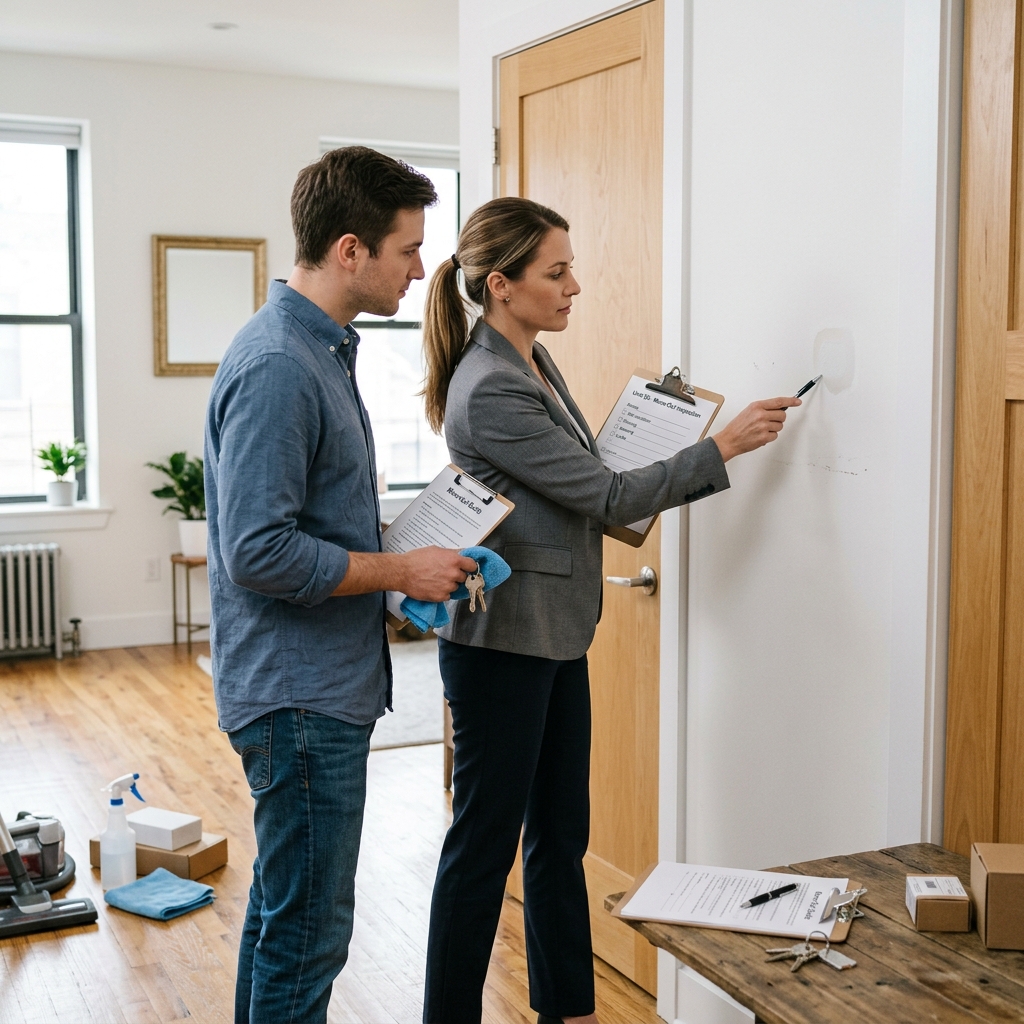
Security deposits are meant to protect landlords from financial loss, but for many tenants they feel like money that is almost impossible to get back. In reality, most deposit disputes come down to a few predictable issues: unpaid bills, property damage, poor communication, and missed legal deadlines. Understanding how security deposits work, and why landlords are allowed to keep them, gives you a much better chance of walking away with your money when you move out.
This guide explains the most common reasons tenants do not receive their security deposit back, clarifies what landlords can and cannot deduct, and offers practical steps to protect yourself before, during, and after your tenancy.
What A Security Deposit Is (And Is Not)
A security deposit is money paid by a tenant at the start of a lease to guarantee that rent will be paid and the property will be returned in good condition. It is not an extra month of rent unless the lease expressly says so, and it is not a fee that the landlord automatically earns by the end of the tenancy.
In many U.S. states, laws limit the amount of a security deposit and require landlords to return it within a set number of days after the tenant moves out, minus lawful deductions for unpaid obligations or damage beyond normal wear and tear.
- Held for protection: The deposit protects the landlord against financial loss if the tenant fails to pay or damages the property.
- Separate from rent: Unless the lease says otherwise, it must be treated separately from monthly rent.
- Subject to legal rules: Many states require itemized statements of deductions and impose deadlines for returning deposits.
Top Reasons Tenants Do Not Get Deposits Back
While every situation is unique, most disputes fall into recurring categories. Knowing them helps you avoid preventable mistakes.
| Reason | Typical Landlord Justification | Can the Deposit Be Kept? |
|---|---|---|
| Unpaid rent | Tenant moved out owing rent or fees | Often yes, up to the amount owed |
| Unpaid utilities owed to landlord | Landlord had to pay utility bills tied to the unit | Often yes where allowed by law |
| Damage beyond normal wear and tear | Costs to repair damage caused by tenant or guests | Yes, but only up to repair cost |
| Insufficient cleaning | Extra cleaning needed to restore original condition | Sometimes, but not for routine wear |
| Failure to provide forwarding address or notice | Landlord claims they could not send the deposit | May weaken tenant’s legal claim in some states |
Unpaid Rent And Charges: The Most Straightforward Deductions
Unpaid obligations are one of the clearest legal grounds for keeping a deposit. In several states, landlords are allowed to use the deposit to cover rent and certain other charges that the tenant legally owes.
- Past-due rent: If you move out while still owing rent, the landlord can generally apply your deposit toward that balance.
- Utilities billed through the landlord: When utilities are the landlord’s responsibility until they are transferred or shut off for the new tenant, any unpaid amounts can sometimes be deducted from the deposit.
- Other lease-based charges: Storage fees, late fees, or similar lease-authorized charges may be deducted where state law allows.
To avoid these deductions, tenants should:
- Confirm final rent and fees in writing before moving out.
- Pay any outstanding amounts and keep proof (receipts, bank records).
- Review the lease for any charges that can legitimately be taken from the deposit.
Damage vs. Normal Wear and Tear
Many disputes turn on the distinction between normal wear and tear and damage. Landlords are generally allowed to deduct for damage but not for ordinary aging of the property.
What Counts As Normal Wear and Tear?
Normal wear and tear is the gradual deterioration that occurs in any lived-in property, even when tenants are careful. Many legal guides describe examples like light scuff marks on walls, minor carpet wear, and routine repainting or cleaning.
- Faded paint or wallpaper over time.
- Minor wear on flooring or carpet from regular use.
- Routine cleaning or lock changes that come with turnover of tenants.
These costs are part of doing business as a landlord and generally cannot be deducted from a security deposit.
Examples of Damage Beyond Wear and Tear
Damage beyond wear and tear is harm caused by negligence, misuse, or intentional acts. Landlords can usually deduct from deposits to cover reasonable repair costs.
- Large holes or deep gouges in walls.
- Broken doors, windows, appliances, or fixtures.
- Stains, burns, or pet damage that require replacement of carpet.
- Extensive filth that requires more than normal cleaning.
In many states, landlords may only keep as much of the deposit as they need to fix the damage and must return any remaining amount to the tenant.
Cleaning Issues: When Can Landlords Charge You?
Cleaning is a frequent source of disagreement. Lawful deductions often depend on whether the property is left in a substantially similar condition to when you moved in, not whether it looks brand-new.
- Permitted deductions: Extra cleaning needed to restore the property to the level of cleanliness at move-in can sometimes be deducted.
- Not permitted: Routine painting, normal carpet wear, or cleaning that would be expected between any two tenancies is often considered normal wear and tear.
The best way to avoid cleaning-related deductions is to thoroughly clean before moving out and to document the condition with photos or video. Many legal guides advise taking pictures and having witnesses when you leave so you can show that the unit was in good condition.
Documentation: Protecting Yourself Before Move-Out
Written and photographic documentation is a key tool for tenants who want their deposit back. Several official and nonprofit legal resources emphasize the importance of keeping records.
At Move-In
- Complete a move-in inspection checklist if provided.
- Take photographs of any existing damage and share them with the landlord.
- Keep copies of the signed lease and any condition reports.
During the Tenancy
- Report repairs in writing and keep copies of all communications.
- Save receipts showing that you paid rent and any other amounts owed.
- Keep records of agreements about alterations or improvements you make.
At Move-Out
- Take dated photos or videos of each room after cleaning.
- Consider having a friend or neutral person walk through the unit with you.
- Ask for a move-out inspection with the landlord where possible and request a copy of any report.
The Importance of Forwarding Address and Written Notice
In some states, tenants must give landlords a forwarding address in writing to trigger legal deadlines for deposit returns. Without this information, landlords may claim they could not send the deposit or the itemized list of deductions.
Legal guides from multiple jurisdictions recommend sending your new address in writing, ideally by certified mail with return receipt, just before or when you move.
- Provide a reliable address where you can receive mail, even if it belongs to a friend or relative.
- Keep copies of any letter you send and postal receipts as proof.
- If giving the address in person, have a witness present and consider a simple written note acknowledging receipt.
Deadlines For Landlords To Return Deposits
Every state sets its own timeline for deposit returns, but many require action within a period ranging from about two to six weeks. If a landlord misses these deadlines, they can lose the right to keep part of the deposit or face penalties.
Examples from official and nonprofit legal sources include:
- Some states require return of the deposit or an itemized list within 21 days after move-out.
- Others require action within 30 days of the lease ending or the tenant vacating the unit.
- Certain jurisdictions require the deposit and an itemized statement within 14 days for more recent leases.
If the landlord fails to provide an itemized statement or to return the deposit within the required time, tenants may be able to sue, and in some states can seek additional penalties or double damages.
Itemized Statements: Why They Matter
Many states require landlords to give tenants a written, itemized list of any deductions made from the security deposit. The statement should explain each deduction and its cost.
If the landlord keeps any part of the deposit, tenants should expect to receive:
- A list of each claimed damage or unpaid amount.
- The specific dollar amount deducted for each item.
- Any remainder of the deposit that is being returned.
Where required by law, failure to provide this statement on time can mean the landlord loses the right to keep any part of the deposit and may owe penalties.
What To Do If Your Deposit Is Not Returned
If you believe your deposit has been wrongfully withheld, you do not have to simply accept the loss. Official court and legal aid resources outline a typical escalation process for tenants.
Step 1: Write a Formal Demand Letter
- Politely request return of the deposit or a detailed explanation of deductions.
- Refer to relevant state laws or lease provisions if you know them.
- Set a reasonable deadline for a response and keep a copy of the letter.
Step 2: Negotiate If Possible
Sometimes, disputes can be resolved informally if you offer evidence (photos, receipts, inspection reports) showing the property’s condition and payment history. Document any agreement in writing.
Step 3: Consider Small Claims or Civil Court
When negotiations fail, tenants may be able to file a case in small claims court or a similar civil court to recover a wrongfully withheld deposit.
- Courts often allow tenants to sue for the deposit amount and, in some states, additional damages if the landlord acted in bad faith.
- Some jurisdictions permit tenants to seek up to double the deposit plus costs and fees where specific security deposit laws were violated.
- Legal aid organizations often provide guidance on how to gather evidence and present a case.
Practical Tips To Maximize Your Chances Of Getting Your Deposit Back
Although laws vary by state, the core strategies that help tenants are fairly consistent.
- Read your lease carefully so you understand cleaning expectations, repair responsibilities, and allowable deductions.
- Keep the unit in good condition and address issues early instead of letting damage accumulate.
- Pay all rent and agreed fees and save proof of payment.
- Document move-in and move-out with photos, videos, and written notes.
- Provide your forwarding address in writing before or when you move.
- Respond promptly if you receive a notice of claimed damages or deductions, when state law gives you a deadline to dispute them.
- Seek legal advice from local legal aid or government resources if your deposit is withheld without proper explanation.
Frequently Asked Questions About Security Deposits
Can a landlord keep my deposit for normal wear and tear?
No. Normal wear and tear, such as minor carpet wear or routine repainting, is not usually a valid reason to keep your deposit. Landlords may only deduct for damage beyond ordinary use or for unpaid obligations.
Do I have a right to an itemized list of deductions?
In many states, yes. Landlords must provide a written, itemized statement explaining each deduction and return any remaining deposit within a set deadline. If they fail to do so, you may have legal grounds to challenge the withholding.
What if my landlord never sends anything after I move out?
If a landlord does not return the deposit or send an itemized list within the time required by law, tenants can often demand the full deposit back and may be able to sue, sometimes for additional penalties. The exact remedies depend on state law.
Is it worth going to small claims court over a deposit?
For many tenants, yes. Official court and legal aid resources note that small claims actions are a common and relatively accessible way to recover wrongfully withheld security deposits, especially when the amount is within local court limits and the law offers potential extra damages for violations.
Where can I find trustworthy information about my rights?
Reliable information can be found on state court self-help sites, legal aid organizations, and state attorney general or housing agency websites. These sources provide state-specific rules on deposit limits, deadlines, and tenant remedies.
References
- Your Security Deposit: What It Is and How To Get It Back — Michigan Legal Help. 2023-05-01. https://michiganlegalhelp.org/resources/housing/your-security-deposit-what-it-and-how-get-it-back
- Security Deposits — PALawHELP.org. 2022-08-10. https://www.palawhelp.org/resource/security-deposits-4
- Guide to Security Deposits in California — Judicial Council of California, Self-Help Guide. 2023-04-15. https://selfhelp.courts.ca.gov/guide-security-deposits-california
- Security Deposits — Legal Assistance of Western New York, Inc. 2021-11-30. https://www.lawny.org/node/72/security-deposits
- How Does the Return of a Security Deposit Work in New Jersey? — Volunteer Lawyers for Justice (NJ). 2022-06-20. https://www.vljnj.org/pro-bono-blog/security-deposit-return
- Recovering Rent Security Deposits and Interest — New York Attorney General. 2023-02-14. https://ag.ny.gov/resources/individuals/tenants-homeowners/tenants/recovering-rent-security-deposits-and-interest
- Getting Your Security Deposit Back — Massachusetts Legal Help. 2020-09-01. https://www.masslegalhelp.org/housing-apartments-shelter/security-deposits/getting-your-security-deposit-back
Similar Articles








Read full bio of medha deb


