
Who Pays for a Rental Car After an Auto Accident?
Learn how fault, insurance coverage, and claim procedures determine who pays for your rental car after a crash.
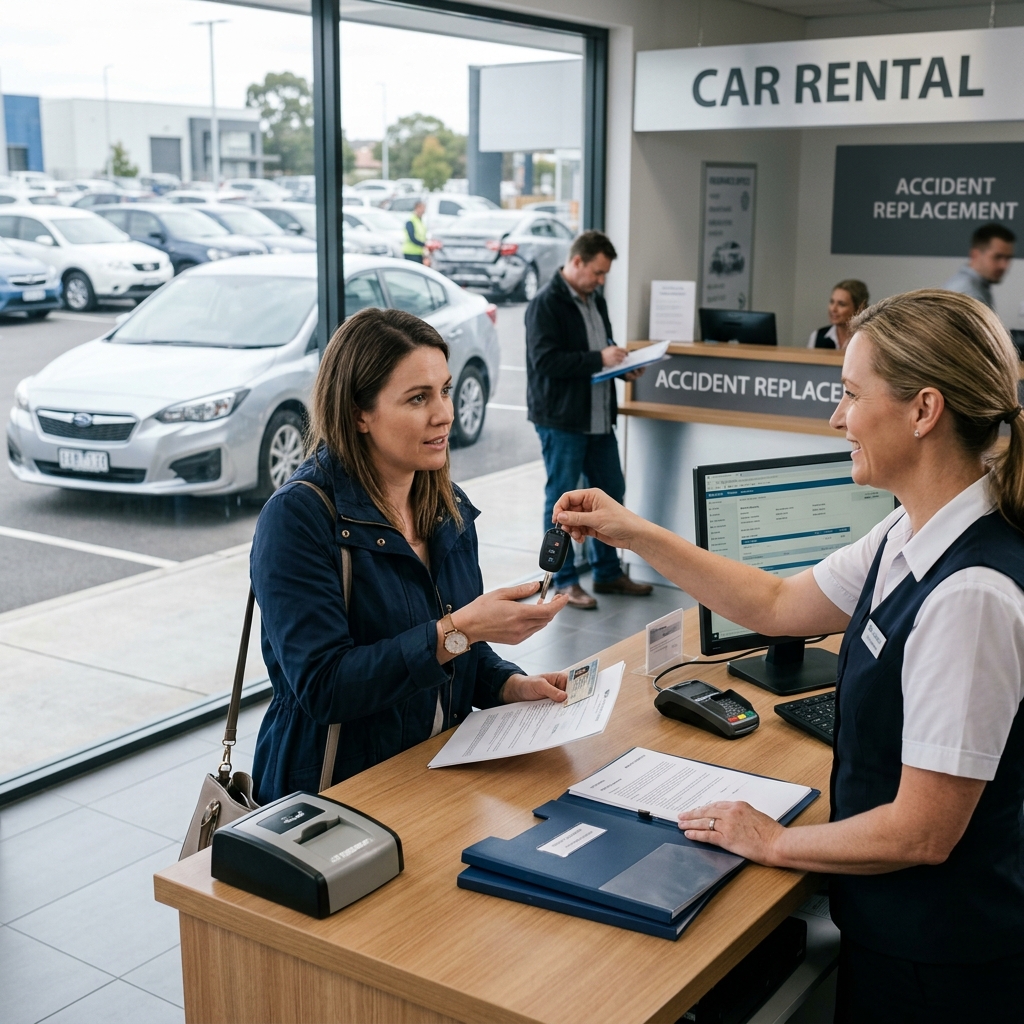
When your car is damaged in a crash and you suddenly need another vehicle to get to work, school, or medical appointments, the question becomes urgent: who pays for the rental car after an accident? The answer depends on several factors, including who caused the collision, the type of insurance coverage you and the other driver carry, and how quickly liability is established by the insurers.
This guide explains how payment responsibility is typically determined, what rental reimbursement coverage does, and the practical steps you can take to secure a rental vehicle without paying more out of pocket than necessary. It also addresses common problem scenarios, like disputed fault and totaled vehicles, and concludes with frequently asked questions for quick reference.
Core Principle: Fault and Insurance Coverage
In most accident cases, the starting point is the concept of fault. The insurance company for the driver who is legally responsible for causing the crash is usually required to pay for the other driver’s damages, which can include the loss of use of a vehicle—that is, the cost of a rental car while the damaged vehicle is being repaired or replaced.
- If the other driver is at fault: Their liability insurance often pays for your rental car, either directly to the rental company or by reimbursing you after you submit receipts.
- If you are at fault: You may need rental reimbursement coverage on your own policy, or you will pay out of pocket unless your insurer offers other benefits.
- If fault is disputed or unclear: You might temporarily rely on your own insurance coverage, then your insurer can pursue reimbursement from the other driver’s insurer later (subrogation).
However, the details of each policy matter. Liability coverage pays for losses you cause to others, while rental reimbursement coverage is an optional add-on that helps pay for your own replacement vehicle after a covered loss.
Understanding Rental Reimbursement Coverage
Many drivers only learn about rental reimbursement coverage after an accident. This optional coverage is added to your auto policy and can help pay for a rental car if your vehicle is damaged in a covered incident and cannot be driven safely.
Typical features of rental reimbursement coverage include:
- Daily dollar limit: Insurers often cap the amount they will pay per day for a rental car (for example, a fixed dollar amount per day).
- Total duration limit: Coverage may apply for a set number of days or until repairs are completed or the claim is settled, whichever occurs first.
- Covered incidents only: The damage must arise from a covered loss, such as a collision or comprehensive event, depending on your policy.
Rental reimbursement coverage typically does not apply before a loss (such as routine travel) and may not apply if your car was already in poor condition or undrivable for unrelated reasons. It is designed specifically to bridge the gap while you wait for repairs or a total-loss settlement.
Who Pays in Common Accident Scenarios?
The person or insurer responsible for your rental costs can change depending on the circumstances of the crash and the policies involved. The following table summarizes the typical outcomes in several common situations.
| Scenario | Who Usually Pays for the Rental? | Key Considerations |
|---|---|---|
| Other driver clearly at fault | At-fault driver’s liability insurer | Insurer may pay directly to the rental company or reimburse you; coverage may not start until they accept liability. |
| You are at fault and have rental reimbursement | Your own insurer under rental reimbursement coverage | Subject to daily and total limits; deductible may apply depending on policy details. |
| You are at fault and do not have rental reimbursement | You personally (out of pocket) | Your insurer generally will not pay for your rental; alternative transportation or personal payment is required. |
| Fault is disputed or under investigation | Your insurer first; at-fault insurer may reimburse later | Claims adjustment process can delay payment; documentation is crucial for reimbursement and loss-of-use claims. |
| Your vehicle is declared a total loss | Typically the at-fault insurer or your insurer (depending on coverage) | Rental coverage often lasts until the total-loss payment is finalized or a set end date; some insurers may offer a cash-out option for rental benefits. |
Steps to Take Immediately After the Accident
Your actions immediately after the collision can strongly influence how quickly you secure a rental car and who pays for it. Consider the following practical steps:
- Report the accident promptly: Notify your own insurer as soon as possible. Timely reporting is often required under policy conditions, and delays can complicate claims or coverage determinations.
- Check your policy: Review your declarations page or speak with your agent to confirm whether you have rental reimbursement or other transportation benefits, and to learn any limits or exclusions.
- Confirm liability status: If the other driver appears at fault, ask their insurer whether they accept responsibility and whether they will arrange a rental directly or require you to pay and then seek reimbursement.
- Use an approved rental provider, if required: Many insurance companies have preferred rental partners; using one can simplify billing and may allow direct payment from the insurer to the rental company.
- Keep all receipts and documents: Retain proof of rental dates, costs, and payment methods to support reimbursement and any later dispute or legal claim.
Careful documentation and early communication with insurers help ensure you do not miss out on benefits or inadvertently assume costs that should be covered by another party.
When the At-Fault Driver’s Insurer Denies or Delays Coverage
Even when fault appears clear, the at-fault driver’s insurance company may delay acceptance of responsibility, dispute key facts, or partially deny your claim. Until liability is formally accepted, many insurers are reluctant to pay for a rental car, leaving you in a temporary gap where you may need to rely on your own coverage or personal funds.
If this occurs, you have several options:
- Use your own rental reimbursement coverage: If available, this is often the fastest way to secure a vehicle. Your insurer can later pursue the other insurer to recover what it paid, including your deductible (subrogation).
- Pay out of pocket temporarily: You may choose to cover the rental cost yourself while liability is being investigated, then seek reimbursement once responsibility is established.
- Request a cash-out for loss-of-use: In some cases, you might negotiate with the insurer for a lump-sum payment representing what they would have paid for a rental car, allowing you to choose different transportation options.
- Seek legal assistance: If the insurer unreasonably denies or underpays your rental costs, consulting a lawyer experienced in motor vehicle accident claims can help enforce your rights and pursue fair compensation.
During any dispute, it is important to keep records of communications with insurers, including dates of phone calls, names of representatives, and any written correspondence or claim decisions. These records can be critical if you later challenge an insurer’s denial or reduction of benefits.
How Long Will Insurance Pay for a Rental Car?
There is no universal standard for how long insurance will pay for a rental car after an accident, but most insurers aim to cover a reasonable period while your vehicle is being repaired or a total-loss settlement is finalized.
Typical limitations include:
- Repair-based duration: Coverage often continues until your vehicle is repaired and ready for pick-up. If repairs are delayed beyond what the insurer considers reasonable, they may cut off rental payments.
- Total-loss duration: When a vehicle is declared a total loss, insurers commonly pay for a rental car until they issue a settlement check or for a limited period after you receive the offer.
- Policy limits: Rental reimbursement endorsements frequently state maximum days (for example, up to a set number of days per incident), regardless of how long repairs or negotiations actually take.
Once the coverage period ends, any additional rental costs are usually your responsibility. Understanding these limits ahead of time allows you to plan alternative transportation if repairs or settlement negotiations drag on.
What If You Don’t Have Rental Coverage?
Drivers without rental reimbursement coverage are not necessarily without options, but they may face more out-of-pocket costs and must pay closer attention to liability issues. If you lack rental coverage and are at fault, your insurer generally will not pay for your replacement vehicle; in that case, you must decide whether to rent a car yourself or use other means of transportation.
If the other driver is at fault and you do not have rental coverage, you may still obtain payment for a rental vehicle through their liability insurance once liability is accepted. However, until their insurer agrees to pay, you might have to cover the rental cost yourself and later request reimbursement.
To reduce the risk of significant out-of-pocket expenses, consider:
- Reviewing and updating your policy: Adding rental reimbursement coverage before an accident occurs can be relatively affordable compared with the cost of renting a vehicle for multiple weeks.
- Exploring alternative transportation: Using public transit, rideshare services, or borrowing a vehicle may sometimes be more cost-effective than a prolonged rental, especially if your insurer’s daily limits are low.
- Documenting necessity: If you later pursue a loss-of-use claim, evidence that a rental was necessary for work, medical appointments, or essential daily activities can strengthen your case.
Loss of Use and Legal Claims
The law in many jurisdictions recognizes a damaged vehicle owner’s right to compensation for loss of use when the car is undrivable after an accident caused by another party’s negligence. This concept covers not only direct rental costs but also, in some cases, the monetary value of being deprived of the use of your car, even if you did not actually rent a replacement.
To pursue loss-of-use damages effectively, consider:
- Maintaining repair records: These show how long your vehicle was out of service and establish the time period for which loss-of-use compensation may apply.
- Keeping rental documentation: Receipts and contracts provide concrete evidence of your actual costs.
- Consulting legal counsel: An attorney can advise whether you are entitled to additional loss-of-use damages beyond rental fees, especially in serious accidents or complex liability situations.
Not every accident will justify substantial loss-of-use compensation, but understanding that rental costs are part of a broader category of damages can help you present a more complete claim.
Frequently Asked Questions
1. Do I always get a rental car if the other driver is at fault?
Not automatically. The other driver’s insurer generally pays for your rental only after it accepts liability for the accident, and practical issues such as policy limits and coverage terms still apply. In the interim, you may need to rely on your own rental reimbursement coverage or pay out of pocket and seek reimbursement later.
2. Can I choose any rental car I want?
Insurers typically only pay for a reasonably comparable vehicle to the one damaged, up to a daily dollar amount and total limit specified in the policy. If you select a more expensive car than the insurer’s guidelines allow, you will usually be responsible for the difference.
3. What happens if my car is totaled?
If your vehicle is declared a total loss, rental coverage often continues until the insurer issues your settlement payment or until a set number of days has passed. Some insurers may offer a lump-sum payment to cover loss of use instead of arranging an ongoing rental once it becomes clear the car will not be repaired.
4. Will my insurance cover a rental if I caused the accident?
Your liability coverage does not pay for your own rental vehicle if you are at fault. To have your insurer pay for a rental in that situation, you generally need rental reimbursement coverage on your policy. Without it, you are usually responsible for your own rental expenses.
5. What if I do not rent a car but still need transportation?
In some cases, you may be able to claim loss-of-use damages even if you did not rent a vehicle, especially when the at-fault party’s negligence left your car undrivable and significantly disrupted your daily life. However, proving those damages is more complex than submitting rental receipts, and legal advice may be helpful.
References
- Rental Car Reimbursement Coverage — Progressive. 2023-06-01. https://www.progressive.com/answers/rental-car-reimbursement-coverage/
- Who Pays for Rental Car After Accident? — Goings Law Firm. 2022-08-15. https://www.goingslawfirm.com/blog/who-pays-for-rental-car-after-accident/
- Rental Car Cost Coverage After an Accident in Washington Explained — Tamaki Law. 2023-03-10. https://tamakilaw.com/news/who-pays-for-rental-car-after-accident/
- Who Pays for My Rental Car After an Accident? — Bogin, Munns & Munns. 2021-11-05. https://www.boginmunns.com/faqs/who-pays-for-my-rental-car-after-an-accident/
- Who Pays for My Rental Car After a California Traffic Accident? — The Vance Law Firm. 2022-02-20. https://www.victimslawyer.com/faq/car-accidents-faqs/who-pays-for-my-rental-car-after-a-california-traffic-accident/
- Who is Responsible for Providing Me With a Rental Car While My Vehicle is Being Repaired? — Lamber Goodnow. 2023-04-18. https://lambergoodnow.com/hub/who-is-responsible-for-providing-me-with-a-rental-car-while-my-vehicle-is-being-repaired/
- Rent a Car After an Accident — Enterprise. 2023-01-12. https://www.enterprise.com/en/car-rental/rent-a-car-after-an-accident.html
Similar Articles








Read full bio of medha deb




