
Who Pays for Nursing Home Care When Medicaid Falls Short?
Understand how nursing home costs are covered when Medicaid doesn’t pay everything, and how families can plan ahead to protect assets.
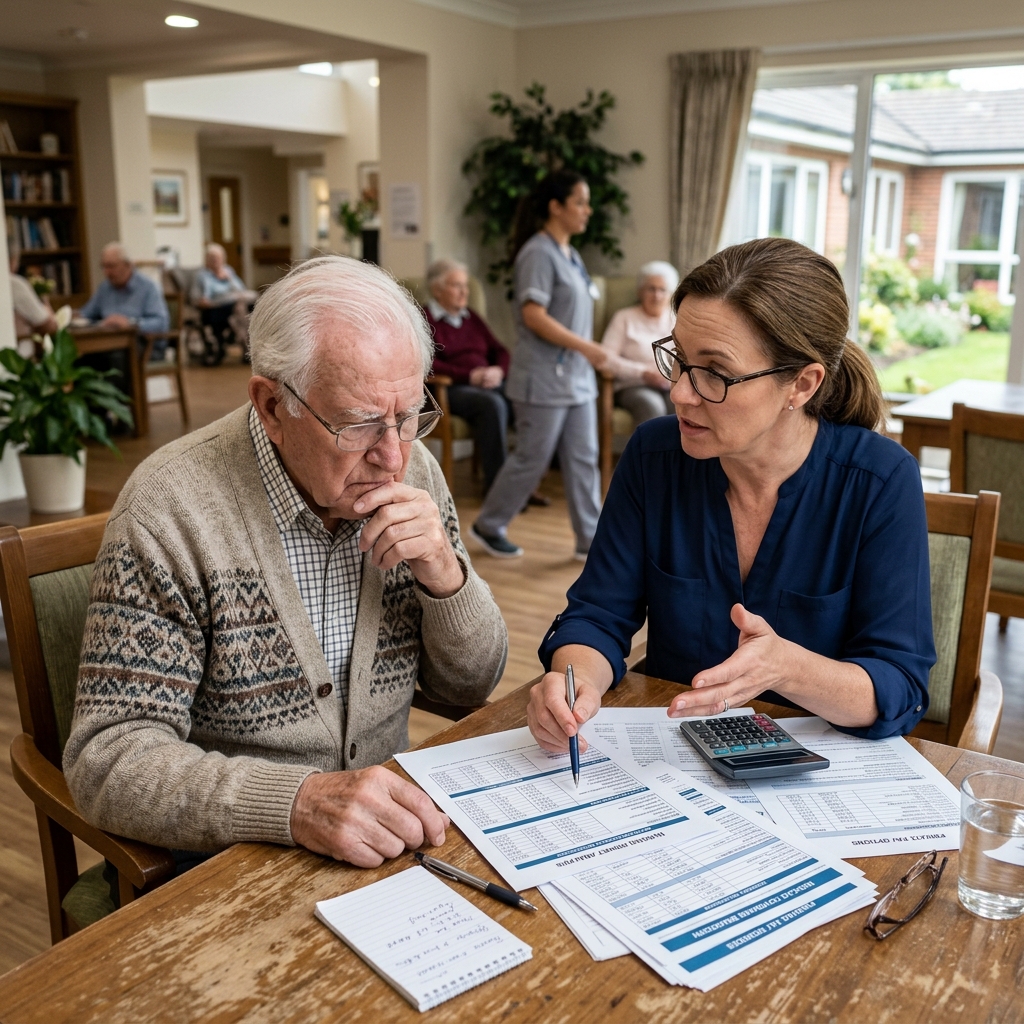
Nursing home care can easily exceed $100,000 per year in the United States, and families often assume Medicaid will take care of the entire bill. When Medicaid will not cover the stay, or does not cover the full amount, the question becomes urgent: who is legally responsible for what remains?
This article explains how nursing home costs are paid when Medicaid does not fully step in, with a particular emphasis on Montana rules as an example, while highlighting general principles that apply across many states. It covers Medicare and Medicaid basics, private pay obligations, spousal and family liability concerns, and the legal planning tools that can help protect assets.
Understanding the Real Cost of Nursing Home Care
Before looking at who pays, it is important to understand how expensive nursing home care has become. According to recent cost surveys, the nationwide average annual cost for a semi‑private nursing home room is around $119,340. In Montana, recent statewide figures show median annual costs above $108,000 for a semi‑private room, with private rooms even higher.
- Daily cost, nationwide (shared room): about $327 per day.
- Annual cost, nationwide (shared room): about $119,340.
- Annual cost, Montana (semi‑private room): roughly $108,770.
These figures matter because Medicaid reimbursement rates to facilities are often significantly lower than what private pay residents are charged. One recent estimate suggests Medicaid pays only around 70% of private‑pay rates on average. This gap contributes to financial stress on nursing homes and shapes the contracts they offer families.
Medicare vs. Medicaid: Two Very Different Programs
Many families confuse Medicare and Medicaid, but the two programs serve different purposes. Understanding those differences is critical to knowing when public insurance will help with nursing home bills.
Medicare: Limited, Short-Term Nursing Home Coverage
Medicare is federal health insurance for people 65+ and certain younger individuals with disabilities. For nursing home care, Medicare Part A offers short‑term coverage in a skilled nursing facility (SNF) after a qualifying hospital stay, but it does not pay for long‑term custodial care.
| Medicare SNF Coverage Period | What Medicare Pays | What the Resident Pays |
|---|---|---|
| Days 1–20 (after qualifying hospital stay) | 100% of covered SNF costs. | $0 copay. |
| Days 21–100 | Partial coverage; Medicare pays most of the daily rate. | Daily coinsurance (about $217/day in 2026). |
| After day 100 | No coverage for ongoing nursing home care. | Resident or other payer must cover full cost. |
Once Medicare coverage ends—often at or before day 100—families must turn to other payers, such as Medicaid, private pay, or long‑term care insurance.
Medicaid: Primary Payer for Long-Term Nursing Home Care
Medicaid is a joint federal‑state program intended to help people with limited income and assets. Unlike Medicare, Medicaid is the primary public payer for long‑term nursing home care in the United States.
For individuals who meet both financial and medical criteria, Medicaid generally pays 100% of covered nursing home costs in a Medicaid‑certified facility. However, the resident is usually required to contribute almost all of their monthly income toward the cost of care, keeping only a small personal needs allowance.
- Medical/functional criteria: The person must need a Nursing Facility Level of Care, meaning they require the kind of ongoing nursing and assistance typically provided in an institution.
- Financial criteria: The person must have limited income and assets, subject to state‑specific limits and rules.
States, including Montana, use different models to assess financial eligibility, sometimes involving “medically needy” or share‑of‑cost frameworks that require applicants to spend down income on medical expenses before qualifying.
When Medicaid Will Not Pay: Common Situations
Medicaid is not automatic, and even when someone is eventually eligible, there may be gaps in coverage or periods when Medicaid does not pay. Some common scenarios include:
- Not yet eligible: The individual has too much income or too many countable assets to qualify under state Medicaid rules.
- Penalty periods: Transfers of assets for less than fair market value within the look‑back period can cause a temporary denial of Medicaid coverage.
- Facility choice: The nursing home is not Medicaid‑certified, or has limited Medicaid beds, meaning Medicaid cannot pay for that stay.
- Incomplete application or documentation: Delays in processing can create months where the facility must be paid privately.
In all of these cases, the default payer becomes the resident, using personal funds, long‑term care insurance benefits, or other resources until Medicaid eligibility is granted or another solution is found.
Private Pay Obligations and Facility Contracts
When Medicaid coverage is not available or does not fully cover the cost, nursing homes typically look to “private pay” sources. These include:
- Resident’s income and savings.
- Liquidation of investment accounts.
- Proceeds from selling real estate or other valuable property.
- Long‑term care insurance benefits, if available.
Nursing homes use admission agreements to spell out who is responsible for payment. One crucial legal point is that federal law prohibits facilities from requiring a third‑party guarantee of payment as a condition of admission. However, facilities may still ask a relative to sign in another capacity, such as:
- Agent under power of attorney: Agreeing to use the resident’s funds to pay the bill.
- Representative payee: Managing Social Security or pension income for the resident.
- Responsible party: With obligations defined in the contract.
Careful review of these agreements is essential. Signing as a “responsible party” without legal advice may expose a family member to claims that they mishandled the resident’s funds or assumed personal liability under state contract law.
Spousal Liability and Asset Protection
Married couples face unique challenges when one spouse enters a nursing home and relies on Medicaid. Federal law provides important protections for the spouse who remains in the community, often called the community spouse.
Community Spouse Resource Allowance (CSRA)
Under Medicaid rules, the community spouse is allowed to keep a significant portion of the couple’s combined assets. In Montana, for example, when one spouse applies for Nursing Home Medicaid and the other remains at home, the applicant may be limited to about $2,000 in countable assets, but the community spouse can retain up to $162,660 in 2026.
These figures change over time and vary by state, but the core idea is consistent: Medicaid is designed so that the community spouse is not impoverished by the institutional spouse’s care needs.
Income Rules for Spouses
When both spouses are in nursing homes and receiving Medicaid, almost all of their monthly income must go toward the cost of care, subject to small personal needs allowances and certain deductions for medical premiums.
When only one spouse is in a facility, Medicaid rules allow the community spouse to receive a portion of the institutionalized spouse’s income to maintain a minimum standard of living. This is sometimes called the Minimum Monthly Maintenance Needs Allowance (MMMNA). Exact amounts depend on state law and federal guidelines.
Are Children or Other Relatives Personally Liable?
Most of the time, adult children are not automatically responsible for a parent’s nursing home bills. The resident is the primary debtor, and Medicaid or private pay sources are used first.
However, liability can arise in a few ways:
- Signing the contract: If a child signs a nursing home admission agreement as guarantor or co‑obligor, they may become contractually liable.
- Misuse of the resident’s funds: If an agent under power of attorney diverts the resident’s money instead of paying the facility, the nursing home may pursue that agent.
- State filial responsibility laws: Some states have laws that, in theory, allow facilities to sue adult children for support of indigent parents. Enforcement varies widely and is often limited.
Because these risks are highly state‑specific, families should consult an elder law attorney before signing any documents or making large transfers of a parent’s property.
How Montana’s Medicaid Rules Illustrate Broader Principles
Montana offers a useful case study in how Medicaid pays for nursing home care and when families must step in. The state’s Medicaid program pays for nursing‑facility care for people who meet both financial and level‑of‑care criteria.
Recent policy documents describe the process this way:
- Level of care review: Applicants must be assessed as needing an institutional level of care based on medical, social, and psychological needs.
- Financial eligibility: Applicants must fit income and asset limits for specific Medicaid categories, such as Aged, Blind, and Disabled (ABD) or nursing‑home Medicaid.
- Share‑of‑cost model: Montana uses a medically needy approach in certain cases, requiring applicants to apply income toward medical expenses before Medicaid coverage begins.
Like other states, Montana also uses waivers to provide services at home or in community settings when possible, in order to delay or avoid institutional placement and associated costs. When waiver services are not sufficient and nursing home care is needed, Medicaid becomes the primary payer once eligibility is established.
Planning Strategies to Reduce Financial Risk
Families have more options if they begin planning before a crisis. Estate planning and elder law attorneys regularly use a mix of legal strategies to help clients manage potential nursing home costs while staying within the bounds of Medicaid rules.
Common Planning Tools
- Durable powers of attorney: Authorize a trusted person to manage finances and apply for Medicaid if needed.
- Revocable living trusts: Organize assets for efficient management and probate avoidance, though they generally do not shield assets from Medicaid.
- Irrevocable trusts (long‑term planning): In some cases, used to reposition assets more than five years before a potential nursing home stay, mindful of Medicaid’s look‑back rules.
- Long‑term care insurance: Provides a private funding source that can reduce reliance on Medicaid and protect assets.
- Spousal resource planning: Ensures the community spouse has adequate income and assets under Medicaid’s spousal protections.
These strategies must be customized to local law. Actions that are allowed in one state may be ineffective or even harmful in another, particularly where transfers and trust funding interact with Medicaid eligibility.
Practical Steps When a Loved One Needs Nursing Home Care
When a family member suddenly needs nursing home care, decisions must be made quickly. The following practical steps can help reduce financial surprises:
- Clarify the payer from day one: Ask whether the initial stay is being covered by Medicare, and for how long, and what the daily coinsurance will be after day 20.
- Request a plain‑language explanation of the admission contract: Identify who is legally bound to pay and in what capacity.
- Start the Medicaid evaluation early: Gather income statements, asset records, deeds, and insurance policies as soon as possible.
- Consult an elder law attorney: Especially before signing as a “responsible party” or transferring significant assets.
- Consider facility choice: Verify that the nursing home is Medicaid‑certified and ask about their policies on residents transitioning from private pay to Medicaid.
Frequently Asked Questions
Does Medicaid always pay 100% of nursing home costs?
For eligible beneficiaries in Medicaid‑certified facilities, Medicaid typically covers 100% of approved nursing home costs, but the resident must contribute most of their income toward the cost of care. Coverage can be delayed or limited if financial or medical criteria are not met, or if penalty periods apply.
How much income and assets can I have and still qualify for Nursing Home Medicaid?
Income and asset limits vary by state. As an example, a single applicant for nursing home coverage in Montana may be limited to $2,000 in countable assets, and their income cannot exceed the cost of nursing home care, although nearly all income will be applied to the monthly bill. Other states have similar but not identical thresholds.
Will my spouse be left with nothing if I go into a nursing home?
No. Medicaid incorporates spousal protections that allow the community spouse to retain a significant portion of the couple’s assets and sometimes receive a share of the institutionalized spouse’s income. The exact allowances depend on state law and federal guidelines.
Can a nursing home force my adult children to pay my bill?
Generally, nursing homes cannot require children to personally guarantee payment as a condition of admission. However, if a child voluntarily signs a contract as guarantor or misuses the resident’s funds, they may become liable under contract or tort law. A few states have filial responsibility statutes that can create additional risk, so legal advice is important.
What happens if I transfer my house to my children before applying for Medicaid?
Transfers of property within Medicaid’s look‑back period (often five years) can trigger penalty periods during which Medicaid will not pay for nursing home care. The length and impact of the penalty depend on the value of the transfer and state rules. Do not make major transfers without consulting an elder law attorney familiar with local Medicaid policies.
References
- Nursing Homes in Montana: Cost & Medicaid (2026) — Brevy Care, summarizing Genworth/CareScout cost survey and Montana Medicaid rules. 2026-06-02. https://brevy.com/care-types/montana/nursing-homes
- Montana Medicaid Long Term Care Programs — MedicaidLongTermCare.org. 2026-01-01. https://www.medicaidlongtermcare.org/eligibility/montana/
- Does Medicaid Pay for Nursing Homes? A Comprehensive Guide — National Council on Aging. 2024-03-21. https://www.ncoa.org/article/does-medicaid-pay-for-nursing-homes-a-comprehensive-guide/
- 2026 Nursing Home Costs by State and Region — Medicaid Planning Assistance. 2026-01-10. https://www.medicaidplanningassistance.org/nursing-home-costs/
- Nursing Facility – Medicaid Provider Manual — Montana Department of Public Health and Human Services (DPHHS). 2025-07-01. https://medicaidprovider.mt.gov/26
- HJR 50: Senior and Long-Term Care – Medicaid Eligibility and Levels of Care — Montana Legislative Services Division. 2019-11-01. https://archive.legmt.gov/content/Committees/Interim/2019-2020/Children-Family/Committee-Topics/hjr50/nov2019-medicaid-eligibility-levels-of-care.pdf
Similar Articles








Read full bio of medha deb


