
Who Keeps The Pet In Divorce: Expert Tips, Legal Steps In 2025
Understand how courts treat pets in divorce, and how to protect your dog or cat when your relationship ends.
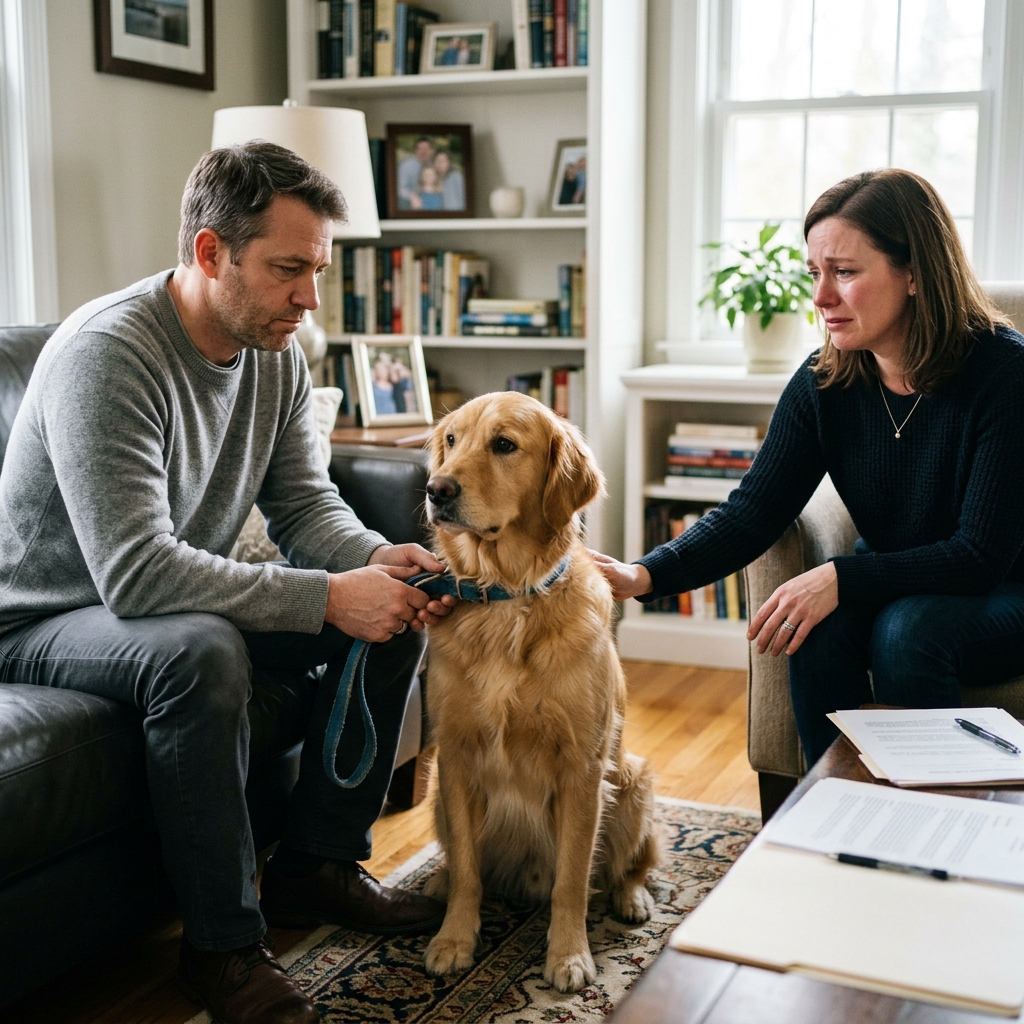
For many couples, the most emotionally difficult part of a divorce is not just dividing money or deciding parenting schedules, but answering a painful question: who keeps the family dog or cat when the relationship ends? Pets feel like family members, yet most legal systems still treat them as property, which creates a unique tension between the law and people’s lived experience.
This article explains how courts typically handle pets in divorce, how different states are beginning to change their approach, and what you can do to protect your animal’s wellbeing and your own peace of mind.
How the Law Generally Sees Pets in Divorce
Although many owners call their pets their “fur babies,” the law in most U.S. jurisdictions classifies dogs, cats, and other companion animals as personal property, similar to furniture or vehicles. That means pet disputes are usually resolved under property division rules, not child custody statutes.
Pets as Marital vs. Separate Property
When a couple divorces, the first legal question is whether the pet is part of the marital estate or belongs solely to one spouse.
- Separate property pets: If one partner owned the pet before the marriage, received the animal as an individual gift, or inherited the pet, it is often treated as that person’s separate property and usually awarded to them.
- Marital or community property pets: If the couple acquired the pet during the marriage—paid an adoption fee together, bought the dog jointly, or both are listed on registration documents—the animal is usually considered marital or community property that must be allocated in the divorce.
Which category your pet falls into matters because it shapes whether a judge has discretion to divide ownership or must simply assign the animal to the spouse who can prove separate ownership.
Equitable Distribution vs. Community Property
States follow different approaches for dividing marital assets, and these rules indirectly affect what happens to pets:
- Equitable distribution states: Courts aim for a division that is fair, though not necessarily equal, considering the contributions and circumstances of each spouse. Pets may be awarded to one spouse, with the other receiving other property or financial compensation to balance the allocation.
- Community property states: Marital property (including pets acquired during marriage) is generally split equally, but equal value can be achieved by giving the pet to one spouse while offsetting with other property to the other.
In both systems, judges rarely create detailed pet visitation schedules. Instead, they typically decide ownership and leave future cooperation to the parties.
Emerging Pet Custody Laws: Shifting Toward Animal Wellbeing
While most courts still treat pets as property, a small but growing number of states have started to incorporate the wellbeing of the animal into divorce decisions, especially for companion animals like dogs and cats.
Example: Considering Pet Wellbeing in Statute
Some jurisdictions now allow judges to explicitly consider factors similar to those used in child custody cases, such as who is the primary caregiver and which home is best suited to the pet’s needs. Under these modern laws, courts may:
- Assess which spouse routinely feeds, walks, and provides veterinary care for the pet.
- Evaluate living environments, including yard access, time at home, and stability.
- Consider any history of neglect or abuse toward the animal.
In those states, judges sometimes have authority to issue temporary orders about pet care while the divorce is pending, and may even award sole or joint ownership based on the animal’s best interests.
Traditional Approach: Pets as Property Only
In many states, however, courts continue to treat pets strictly as property, meaning they do not create “custody” or visitation frameworks for animals. Judges in these jurisdictions will usually:
- Determine who legally owns the pet, based on purchase records, registrations, and licensing documents.
- Include the pet in the overall property division, assigning it to one spouse and perhaps compensating the other with additional assets.
- Decline requests to enforce shared custody or visitation, leaving such informal arrangements to private agreements between the parties.
Even where the law treats pets as property, some judges acknowledge that animals have special emotional value and may weigh caregiving history and the bond between owner and pet when deciding who should keep the animal.
Key Factors Courts Often Consider
Regardless of the specific legal framework, several recurring factors influence who ends up with the family pet when spouses cannot reach agreement.
Caregiving and Daily Responsibility
Courts frequently look at who has been the pet’s primary caregiver. Evidence might include:
- Vet records showing who brought the pet to appointments or paid the bills.
- Receipts for food, medication, grooming, and boarding.
- Testimony about who handles feeding, walking, litter box cleaning, training, and everyday decisions.
The spouse who can demonstrate consistent, hands-on responsibility often has a stronger claim to keeping the animal, especially in states that consider pet wellbeing.
Financial Responsibility for the Pet
In property-focused jurisdictions, financial involvement can weigh heavily. Judges may consider:
- Who paid the adoption fee or purchase price.
- Who covers most of the ongoing costs: food, toys, grooming, and routine care.
- Who pays for major expenses like surgeries, specialized treatments, or insurance.
While money is not the only factor, it helps judges determine both ownership and any need to compensate the non-owning spouse.
Attachment and Bond with the Pet
In more progressive pet custody frameworks, the emotional relationship between each spouse and the animal may be part of the analysis. Courts may look at:
- Which person the pet seeks out for comfort and routine.
- How the pet behaves in each home—calm and relaxed vs. anxious or withdrawn.
- Whether the pet has a strong bond with children who will primarily live with one parent.
Although measuring emotional bonds is difficult, judges sometimes rely on testimony and behavioral evidence to decide which placement best serves the animal.
Living Situation and Future Stability
Courts typically want pets to live in a stable, safe environment. They may consider:
- Each spouse’s work schedule and time at home, especially for dogs who need regular exercise and companionship.
- Whether the new residence allows pets and has adequate space or outdoor access.
- Any planned relocation that could disrupt the animal’s routines or medical care.
In practice, the spouse whose future housing and lifestyle are more compatible with the pet’s needs may be favored.
Options Beyond Court: Agreements the Couple Can Create
Because many judges are constrained by property rules and limited time, couples who care deeply about their animals often prefer to resolve pet issues themselves rather than litigating. There are several ways to do that.
Negotiated Pet Ownership Arrangements
Spouses can negotiate and include detailed terms about the pet’s future in their divorce settlement. Common approaches include:
- One-home ownership: One spouse becomes the sole owner and primary caregiver. The other may agree to occasional visits or accept that the relationship with the pet will end, in exchange for other compensations.
- Shared ownership with informal visitation: The pet primarily lives with one person, but the other can spend time with the animal during agreed visits, without a rigid schedule.
- Structured shared custody: The pet alternates between homes on a clear schedule—weekly, biweekly, or aligned with the children’s parenting time.
In states that treat pets strictly as property, courts may not supervise or enforce detailed visitation, but parties can still incorporate these agreements into their divorce decree or a separate contract.
Pet Provisions in Prenuptial and Postnuptial Agreements
Couples who already share pets—or anticipate adopting animals together—can proactively address pet issues in prenuptial or postnuptial agreements. These contracts can specify, for example:
- Who will keep a particular pet if the relationship ends.
- Whether any shared custody or financial support arrangements will apply.
- How decisions about future pets will be managed.
Courts usually respect such agreements as long as they comply with general contract and family law requirements.
Shared Custody of Pets: Benefits and Risks
Many people initially assume that if they share children, they should also share the dog or cat. While joint arrangements can work, they are not suitable for every animal or family situation.
Potential Advantages
- Both spouses maintain a meaningful relationship with the pet.
- Children can continue enjoying time with the animal in both homes, which may provide emotional comfort during the transition.
- Financial costs can be shared, making expensive care more manageable.
Possible Drawbacks
- Some pets become stressed or anxious when frequently moving between households, particularly dogs who rely heavily on routine.
- Shared arrangements require ongoing communication between ex-partners, which can prolong conflict if the relationship is high stress.
- Disputes over expenses, emergency care, or future moves can be difficult to resolve without clear agreements.
Mediators who specialize in pet disputes often recommend a trial period for shared custody—such as six months—while closely observing the animal’s behavior and wellbeing. If the pet appears distressed, transitioning to a single-home arrangement may be kinder.
Practical Steps to Strengthen Your Claim to the Pet
If you hope to keep your dog, cat, or other companion animal after divorce, preparation and documentation can make a significant difference, especially in contested cases.
Gather Evidence of Ownership and Care
- Collect adoption papers, purchase receipts, and registration documents showing your name.
- Compile veterinary records that list you as owner or primary contact.
- Keep receipts for food, medications, and other pet-related expenses.
- Document daily routines and responsibilities—such as walking schedules, training classes, or grooming habits.
Show That Your Home Is Best Suited to the Pet
- Be ready to describe your living situation, work schedule, and capacity to provide consistent care.
- Explain how the pet will fit into your household, especially if children or other animals are involved.
- If you are moving, choose accommodation that welcomes pets and supports their physical and emotional needs.
Consider Mediation or Pet-Specific Support
Many couples find that working with a neutral mediator—or even a pet custody specialist—helps them focus on the animal’s wellbeing rather than winning a dispute. In mediation, you can:
- Explore creative solutions tailored to your pet’s temperament and health.
- Negotiate clear expense-sharing agreements to prevent future conflict.
- Develop detailed hand-off protocols that minimize stress for pets and children.
Illustrative Comparison: Traditional vs. Pet-Focused Approaches
| Aspect | Traditional Property View | Pet Wellbeing View |
|---|---|---|
| Legal status of pets | Personal property like other household items. | Property, but with explicit consideration of animal care and wellbeing. |
| Main decision focus | Ownership, financial contribution, and asset division. | Primary caregiving, emotional bond, and best environment for the pet. |
| Shared custody orders | Rare; courts usually avoid formal visitation schedules. | Sometimes permitted, especially where statutes allow judges to consider pet wellbeing. |
| Role of agreements | Important for clarifying which spouse gets the animal and any informal visitation. | Crucial for detailed shared custody, expense sharing, and long-term planning. |
FAQs About Pets and Divorce
Do courts treat pets like children in custody cases?
In most states, no. Pets are treated as property, not as children, so family courts generally do not apply child custody statutes to animal disputes. A minority of jurisdictions, however, have begun allowing judges to consider the animal’s wellbeing when deciding which spouse keeps the pet.
Can I ask for shared custody of my dog or cat?
You can request shared arrangements, and you and your spouse may agree to them voluntarily. Some courts in pet-focused jurisdictions may even order joint ownership or shared care. But in traditional property-only states, judges are unlikely to create ongoing visitation schedules and may simply award the pet to one person.
What happens if my ex and I cannot agree about the pet?
If you cannot reach agreement, a judge will decide based on state property rules, evidence of ownership, and sometimes caregiving and wellbeing factors. The outcome could be that one spouse keeps the pet while the other receives other property or financial value in return.
Should I include my pet in a prenuptial or postnuptial agreement?
Yes, it can be wise. Written agreements that address who will keep the pet, whether shared arrangements are allowed, and how expenses are handled provide clarity and reduce conflict if the relationship ends.
Is shared custody always good for pets?
Not necessarily. Some animals adapt well to moving between homes, while others show signs of anxiety or stress with frequent transitions. Specialists often recommend observing the pet carefully during any trial shared arrangement and prioritizing the animal’s wellbeing over the human desire to maintain contact.
References
- Who Gets Custody of the Dog in California Divorce? — Covina Divorce Lawyers. 2025-08-01. https://www.covinadivorcelawyers.com/blog/2025/august/who-gets-the-dog-in-a-california-divorce/
- Who Gets Custody of a Pet After a Divorce in Pennsylvania? — Bunde & Roberts, P.C. 2021-06-10. https://www.pittsburghfamilylawfirm.com/gets-custody-family-pet-divorce/
- Pet Custody in a Massachusetts Divorce — Miller Law Group, P.C. 2024-08-15. https://www.apmillerlawgroup.com/blog/2024/august/who-gets-the-dog-determining-pet-custody-in-a-ma/
- Pets in Family Law Cases — TexasLawHelp.org. 2023-03-20. https://texaslawhelp.org/article/pets-in-family-law-cases
- Pet Custody During Divorce: Putting Pets and Kids First — OurFamilyWizard. 2022-07-12. https://www.ourfamilywizard.com/blog/pet-custody-during-divorce-putting-pets-and-kids-first
- Who Keeps the Dog? Divorce Advice from a Pet Custody Expert — IAABC Foundation Journal. 2021-11-01. https://journal.iaabcfoundation.org/who-keeps-the-dog-divorce-advice-from-a-pet-custody-expert/
- Who Keeps the Dog (or Cat) in a NJ Divorce? The Rules Every Pet Owner Needs to Know — Weinberger Law Group. 2023-02-14. https://www.weinbergerlawgroup.com/blog/divorce-family-law/who-keeps-the-dog-cat-pet-in-nj-divorce/
Similar Articles








Read full bio of medha deb


