Disagreements about the thermostat are one of the most common sources of tension between landlords and tenants. Some renters assume that paying rent automatically gives them full control over the temperature, while many landlords worry about skyrocketing utility bills and damage to the property if the heat or air conditioning is misused. The real answer to who controls the thermostat is more complex: it depends on a combination of state and local housing laws, the written lease agreement, and basic rules about safe, habitable housing.
Big Picture: How Thermostat Control Is Decided
In most residential rentals, thermostat control is shaped by three layers of rules that work together:
- Habitability and housing codes that require a landlord to provide safe indoor temperatures, especially in cold climates or regions with extreme heat.
- The lease agreement, which can assign thermostat access or temperature limits to either party, as long as it does not violate housing laws.
- Practical arrangements such as who pays the utility bills, how the heating and cooling system is set up, and whether the thermostat is in a common area or a private unit.
Understanding how these pieces fit together helps both landlords and tenants avoid surprises and handle temperature disputes more effectively.
Habitability: The Legal Baseline for Temperature
Every state in the United States recognizes some form of an implied warranty of habitability, which means a rental must be safe and fit for people to live in. Courts and regulators typically interpret habitability to include adequate heating, and in increasingly hot regions, safe cooling as well.
What habitability usually requires
While exact requirements vary by state and city, many housing codes adopt temperature targets such as:
- A minimum indoor temperature of about 68°F (around 20°C) during heating season.
- Heat available during certain months (for example, fall through spring) or whenever outdoor temperatures drop below a set level.
- A requirement that heating equipment and thermostats be functional and maintained.
Some jurisdictions and health-focused guidance consider indoor temperatures below roughly 19°C (about 66°F) to increase health risks, especially for older adults and people with medical conditions.
Heat versus thermostat access
Importantly, habitability rules usually guarantee a minimum livable temperature, not the tenant’s right to directly control the thermostat. In other words:
- The landlord must make sure the home can reach and maintain a safe temperature.
- The law does not always require the landlord to hand the thermostat over to the tenant, as long as the legal minimum temperature is met.
However, when a landlord chooses to keep control, they also take on the obligation to respond promptly when tenants complain that the home is too cold or dangerously hot.
How the Lease Agreement Shifts Thermostat Control
Once the habitability baseline is met, the next question is what the lease says. A well-drafted lease will explain who can adjust the thermostat and who pays for utility usage.
Key lease terms that affect control
Common lease provisions that influence thermostat control include:
- Who pays for utilities (heat, electricity, gas, oil, or other fuel).
- Access to the thermostat (for example, whether it is in the tenant’s unit or locked in a separate area).
- Temperature ranges or usage rules, such as a minimum and maximum setting or restrictions on constant high heat or low cooling.
- Landlord maintenance duties, including how quickly they must respond to reports of no heat or broken equipment.
General patterns by who pays the bill
| Who Pays Heating/Cooling Bills? | Typical Thermostat Control | Common Issues |
|---|---|---|
| Tenant pays utilities directly | Tenant usually controls thermostat inside their rental, subject to basic safety rules. | Overuse raising tenant’s own bill, disputes if landlord tries to restrict usage. |
| Landlord pays utilities (bills included in rent) | Landlord often retains more control or sets limits, but still must keep unit habitable. | Tenant feels too cold or hot, landlord worries about excessive energy costs. |
| Shared or central system for multiple units | Control may be in a common area or mechanical room; landlord typically sets baseline temperature. | One setting may not suit everyone; complaints from units far from the thermostat. |
Even in situations where the landlord legally can limit access, many housing providers choose to give tenants some control for comfort and to reduce conflict, especially when the tenant is responsible for the utility bill.
Can a Landlord Lock or Limit the Thermostat?
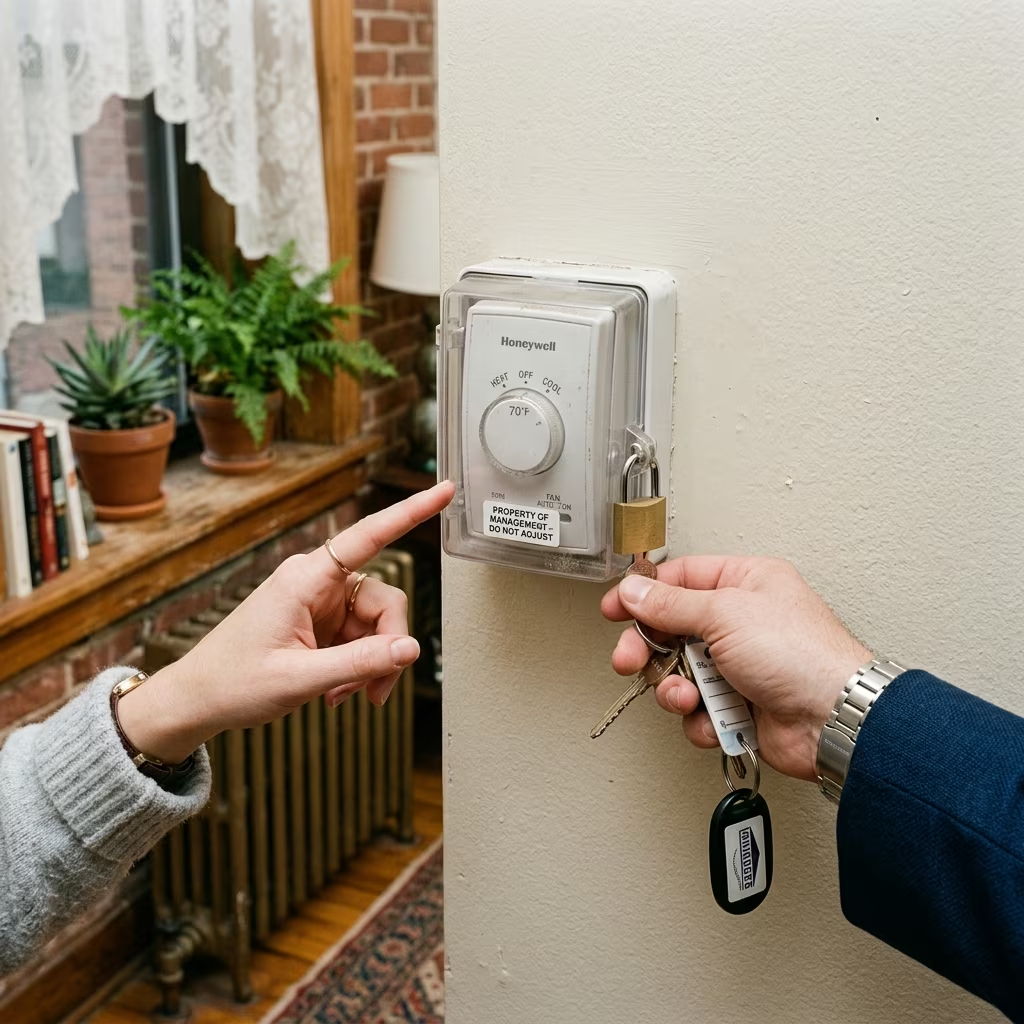
It is increasingly common to see thermostats in rentals protected by covers, remote controls, or software limits. In many places, this is legal if:
- The lease clearly explains that the landlord sets or limits the temperature.
- The property still meets habitability standards and heating or cooling codes.
- The landlord responds quickly when a tenant reports a temperature that is too low or unsafe.
Examples of lawful restrictions
Examples of restrictions that are often allowed when properly disclosed in the lease include:
- Locking a thermostat cover but agreeing to maintain at least a specified minimum temperature (e.g., 68°F) during winter.
- Using a smart thermostat that allows tenants to adjust settings only within a certain range, such as 68–74°F for heating or 72–78°F for cooling.
- Setting usage rules for heated floors or electric space heaters to reduce fire risk and protect wiring.
However, a landlord generally cannot use these tools to keep a unit permanently below safe temperatures or ignore requests for reasonable adjustments.
When restrictions may be illegal
Landlord control turns into a legal problem when it crosses the line into unsafe conditions or violates housing standards. Red flags include:
- Refusing to raise the heat even when indoor temperatures fall below local code requirements.
- Turning off or dramatically lowering heat as a way to pressure tenants to move out or as retaliation for complaints.
- Neglecting repairs so that the thermostat or heating equipment regularly fails.
In these situations, tenants may have legal remedies such as reporting code violations, seeking emergency orders for heat to be restored, or, in some states, withholding rent or repairing and deducting costs, subject to local law.
Special Situations: Extreme Climates and Shared Systems
Some parts of the country require extra attention to heating and cooling because of extreme climate conditions. In very cold states, detailed winter heating requirements are common, while hot-climate states increasingly address cooling due to heat-related health risks.
Extreme heat and cooling expectations
While traditional habitability laws focused on heating, public health agencies and housing regulators now highlight the dangers of prolonged high indoor temperatures, particularly during heat waves. Even where cooling is not strictly required by law, landlords that provide air conditioning may be required to maintain it in working order once it is part of the leased premises.
Shared systems and multi-unit buildings
In buildings with a central boiler, furnace, or chiller that serves multiple apartments, no single tenant may have a thermostat in their unit. In these cases:
- The landlord or property manager usually controls the central settings.
- Tenants can still request adjustments if their unit is noticeably colder or hotter than others.
- Housing inspectors may evaluate temperatures in multiple locations to determine compliance with codes.
Landlords in these buildings often rely on temperature sensors or smart controls to balance comfort and cost.
Best Practices for Landlords
Landlords who handle thermostat issues thoughtfully can reduce complaints, protect their property, and improve tenant satisfaction.
Drafting clear lease language
To avoid confusion, landlords should consider including the following details in the lease:
- Who controls the thermostat (tenant, landlord, or both).
- Required minimum indoor temperature the property will maintain in cold weather.
- Any maximum or minimum thermostat settings permitted for heating and cooling.
- Whether there are smart thermostats or remote controls and how tenants can request changes.
- Responsibilities for reporting and repairing heating or cooling problems.
Communication and maintenance
Beyond the lease text, successful landlords often:
- Explain heating and cooling systems at move-in, including where the thermostat is and how it works.
- Schedule regular maintenance on furnaces, boilers, heat pumps, and thermostats to prevent failure in extreme weather.
- Respond quickly when tenants report low or no heat, especially in cold climates where inadequate heat can lead to frozen pipes and property damage.
- Monitor weather forecasts if they retain control of central or locked thermostats, adjusting settings ahead of severe cold or heat.
Best Practices for Tenants
Tenants can also take steps to protect their comfort and legal rights regarding temperature.
Before signing a lease
- Ask who controls the thermostat and where it is located.
- Confirm who pays for utilities and whether any temperature limits apply.
- Request that any promises about thermostat access or minimum temperatures be added to the lease in writing.
When the home is too cold or too hot
If your rental is uncomfortably cold or hot:
- Document the temperature with a thermometer and note the date and time.
- Notify the landlord in writing (email, text, or letter) explaining the conditions and asking for repairs or adjustments.
- Allow reasonable time for the landlord to respond, unless the situation is an emergency (for example, freezing temperatures with no heat).
- If there is no response and conditions are unsafe, consult local housing authorities, legal aid, or a lawyer about possible next steps under your state law.
Technology: Smart Thermostats and Remote Control
Modern rentals increasingly use smart thermostats that can be controlled by phone or computer, and in some cases, by both landlord and tenant. These devices can help balance comfort, energy efficiency, and legal obligations.
Benefits of smart thermostats in rentals
- Programmable schedules to maintain safe temperatures when tenants are home and reduce waste when they are away.
- Remote monitoring so landlords can ensure temperatures do not fall below safe levels in vacant units, reducing the risk of frozen pipes.
- Limited ranges that allow tenants some control without permitting extreme settings that could drive up costs unnecessarily.
Transparency and privacy
If a landlord uses smart thermostats, it is wise to disclose:
- What data is collected and who can see it.
- Whether the landlord can change settings remotely.
- Any policies about temperature histories or monitoring patterns of usage.
Clear communication can prevent misunderstandings and reassure tenants that technology is being used to protect comfort and safety, not to intrude on their daily lives.
Frequently Asked Questions
Does a tenant always have the right to control the thermostat?
No. Tenants usually have the right to a safe and habitable temperature, but not necessarily to direct thermostat control. Whether a tenant can personally adjust the thermostat depends on the lease, local laws, and how the heating system is configured.
Can a landlord set a maximum or minimum temperature?
Often yes, as long as the settings comply with housing codes and the lease. For example, a landlord might limit heating to a range like 68–72°F while still meeting legal requirements. However, a landlord generally cannot enforce a maximum that results in unsafe indoor temperatures.
What happens if there is no heat in winter?
If the heat fails during winter, most states treat it as an urgent habitability problem. Landlords are typically required to repair heating systems promptly, and tenants may be able to seek help from housing inspectors or pursue legal remedies if repairs are not made within a reasonable time.
Is it legal for a landlord to turn the heat way down to save money?
A landlord may manage energy costs, but they cannot lower the temperature below legal minimums or create unsafe living conditions. Doing so can violate habitability laws and may expose the landlord to code enforcement or tenant claims for damages.
What should go in a lease about the thermostat?
A strong lease will clarify who can use the thermostat, any temperature limits, who pays utility bills, how to report heating or cooling problems, and the landlord’s commitment to maintain at least the minimum temperature required by law.
References
- Who Controls the Thermostat — Landlord or Tenant? — Rocket Lawyer. 2023-10-01. https://www.rocketlawyer.com/real-estate/landlords/property-management/legal-guide/who-controls-the-thermostat-landlord-or-tenant
- Who Controls the Thermostat in a Rented Property? — Elliot Oliver Lettings. 2022-01-15. https://elliotoliver.co.uk/who-controls-the-thermostat-in-a-rented-property/
- The Rental Thermostat: The Effect on Your Property — CCT, Inc. 2021-06-10. https://landlordthermostats.com/the-rental-thermostat-affect-on-your-property/
- Can You Legally Control Your Tenant’s Heat? — TurboTenant. 2023-11-20. https://www.turbotenant.com/property-management/can-you-legally-control-your-tenants-heat/