
Whiplash Injuries: Understanding Causes, Symptoms & Recovery
Complete guide to whiplash injuries: recognize symptoms early and explore effective treatment options.
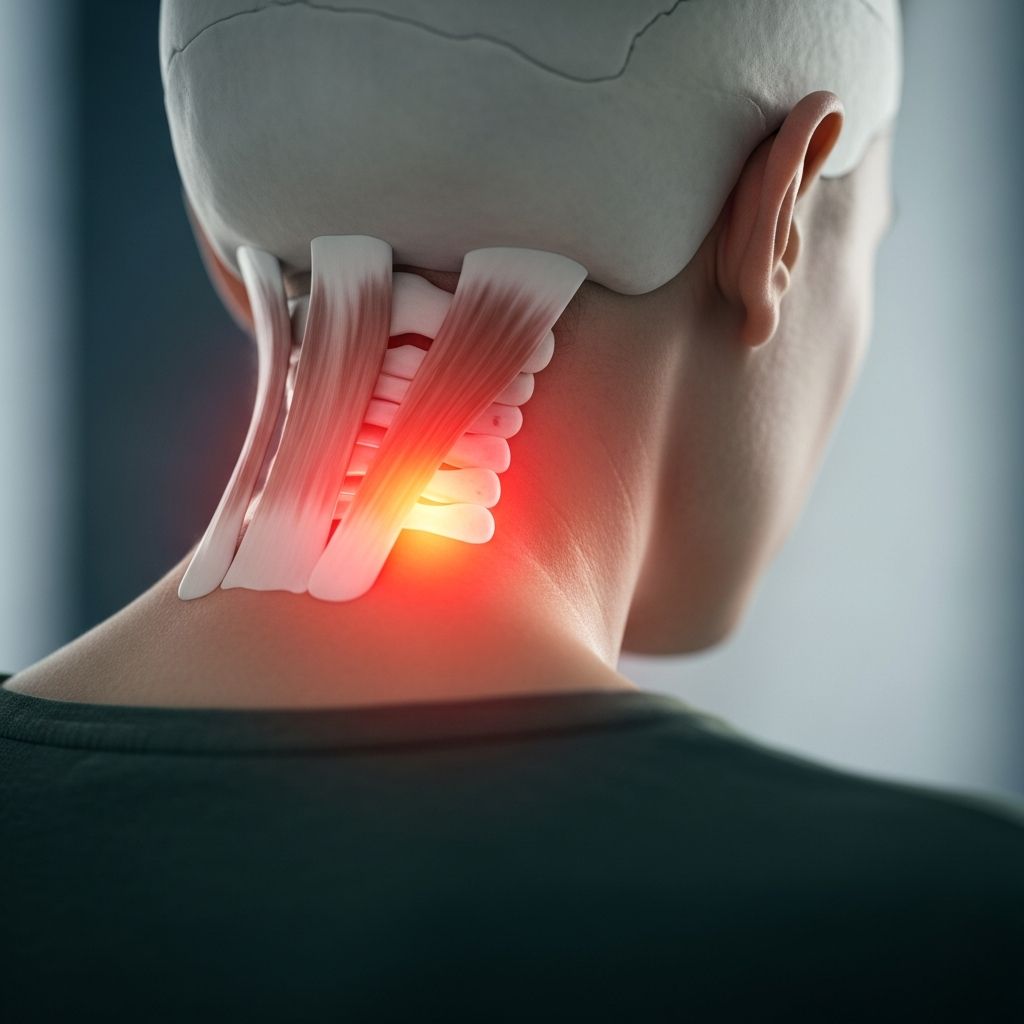
Understanding Whiplash: A Comprehensive Medical Overview
Whiplash represents a significant soft tissue injury affecting the cervical spine and surrounding structures. This condition develops when sudden acceleration or deceleration forces strain the neck beyond its normal range of motion, causing damage to muscles, ligaments, nerves, and potentially bone tissue. The mechanism of injury typically occurs during high-impact events where the head moves rapidly backward and then forward, creating a characteristic whipping motion that gives the condition its descriptive name.
The injury affects multiple physiological systems simultaneously. Beyond immediate musculoskeletal damage, whiplash frequently disrupts neurological function, triggering a cascade of interconnected symptoms that may persist long after the initial trauma. Understanding this complex injury pattern is essential for patients, healthcare providers, and anyone seeking to navigate recovery effectively.
Common Circumstances Leading to Whiplash Injuries
While motor vehicle accidents represent the most frequently documented cause of whiplash, this injury pattern emerges from various traumatic events. Understanding the typical scenarios that produce whiplash helps individuals recognize their vulnerability and take appropriate preventive measures.
- Vehicle collisions: Rear-end impacts create the classic whiplash mechanism, where the occupant’s body moves forward while inertia causes the head to lag behind temporarily before snapping forward.
- Sports-related trauma: Contact sports, particularly football, rugby, and martial arts, frequently produce whiplash injuries through direct impacts or falls.
- Motorcycle accidents: The exposed nature of motorcycle operation places riders at heightened risk for whiplash during collisions or sudden stops.
- Workplace incidents: Heavy machinery accidents, falls from heights, or being struck by objects can generate sufficient force to cause whiplash.
- Assault-related injuries: Direct blows to the head or neck region during violent encounters can produce whiplash patterns of damage.
- Falls and slips: Sudden falls, particularly backward falls or those involving rapid directional changes, may cause whiplash-type injuries.
The Timeline of Symptom Development
A distinctive characteristic of whiplash distinguishes it from many other injuries: symptoms frequently develop with a delayed onset. While some individuals experience immediate pain and stiffness, others may feel relatively normal initially, only to experience progressive symptom emergence over subsequent hours or days. This delayed presentation creates diagnostic challenges and underscores the importance of medical evaluation even when initial symptoms appear minimal.
The inflammation process underlying whiplash develops gradually as injured tissues respond to trauma through increased fluid accumulation and chemical inflammatory mediators. This physiological cascade explains why symptoms intensify over the first 24 to 72 hours following injury. Some individuals experience symptom emergence extending several weeks post-injury, particularly in cases involving substantial tissue damage.
Recognizing Whiplash Symptoms Across Body Systems
Whiplash symptoms manifest across multiple anatomical regions and functional categories, reflecting the widespread nature of soft tissue trauma and neurological irritation. Symptoms vary considerably between individuals based on injury severity, pre-existing conditions, and individual physiological responses to trauma.
Cervical and Upper Body Manifestations
- Neck pain and stiffness, particularly with lateral movement or rotation
- Tenderness and muscle spasms in the shoulder region and upper back musculature
- Reduced range of motion in the cervical spine
- Pain that worsens with certain movement patterns or prolonged positioning
- Numbness, tingling, or weakness sensations radiating into the arms and hands
- Jaw pain or difficulty with mastication
Neurological and Systemic Symptoms
- Headaches originating at the skull’s base and radiating forward
- Dizziness or vertigo sensations affecting balance and spatial orientation
- Tinnitus or ringing sensations within the ears
- Visual disturbances including blurred or double vision
- Difficulty concentrating or maintaining cognitive focus
- Memory lapses or difficulty with information retention
- Sleep disturbances or insomnia
- Fatigue disproportionate to activity levels
- Nausea or vomiting in more severe presentations
Psychological and Emotional Components
- Irritability or mood fluctuations
- Anxiety regarding ongoing symptoms or potential complications
- Depression, particularly when symptoms persist beyond expected recovery periods
- Post-traumatic stress responses in cases involving severe accidents
When Immediate Medical Evaluation Becomes Critical
While many whiplash cases respond favorably to conservative management, certain symptom patterns warrant urgent medical assessment. Recognizing red flags that indicate potentially serious underlying injury is essential for preventing complications and ensuring appropriate intervention.
Seek immediate emergency medical care when experiencing severe or progressively worsening neck pain, as this may indicate significant structural damage or internal bleeding. Neurological symptoms demand urgent evaluation, particularly numbness, tingling, or weakness affecting the arms, hands, legs, or trunk regions, which may suggest spinal cord compression or nerve root damage. Additionally, symptoms such as severe headaches, vision changes, difficulty swallowing, or cognitive difficulties should trigger prompt medical assessment, as these may indicate injuries beyond simple soft tissue strain.
Persistent symptoms extending beyond several weeks despite initial conservative treatment warrant further diagnostic investigation. In such cases, underlying structural damage, nerve compression, or other complications may require advanced imaging or specialized intervention to prevent chronic pain development.
Diagnostic Approaches to Whiplash Assessment
Medical evaluation of whiplash begins with a comprehensive history detailing the mechanism of injury, symptom onset patterns, and functional limitations. Physical examination assesses cervical range of motion, palpates for areas of tenderness, and evaluates neurological function through strength, sensation, and reflex testing.
Imaging studies may include X-ray imaging to exclude fractures or significant structural misalignment. More advanced imaging such as magnetic resonance imaging (MRI) or computed tomography (CT) scans provides detailed visualization of soft tissue structures including muscles, ligaments, and potential nerve involvement. However, many whiplash cases produce negative imaging findings despite significant clinical symptoms, as functional soft tissue injuries may not appear on standard imaging modalities.
Conservative Treatment Strategies: Foundation of Recovery
The majority of whiplash injuries resolve through conservative management approaches focused on controlling inflammation, managing pain, and gradually restoring normal function. Most patients achieve satisfactory recovery within several weeks to three months with appropriate treatment.
Immediate Post-Injury Care
The initial phase of whiplash management emphasizes pain control and inflammation reduction. Ice application during the first 7 to 10 days after injury effectively decreases swelling and inflammatory response. Applying cold packs for 15-minute intervals every three hours provides optimal benefit. Rest during this acute phase allows damaged tissues to begin healing processes without additional stress from movement or activity.
Over-the-counter nonsteroidal anti-inflammatory medications such as ibuprofen or naproxen effectively manage mild to moderate pain while reducing inflammatory processes. These medications work optimally when initiated promptly after injury. Acetaminophen offers an alternative for individuals unable to tolerate NSAIDs due to contraindications or sensitivities.
Transitioning to Active Recovery
After the initial acute phase, therapeutic heat application improves blood flow to injured tissues, facilitating nutrient delivery and waste product removal that supports healing. Heat therapy also reduces muscle tension and spasms while improving flexibility. A typical progression involves ice application during the first week, followed by graduated introduction of gentle heat during subsequent weeks as acute inflammation resolves.
Cervical collars or soft neck supports may provide temporary benefit by limiting painful movements and reducing stress on healing tissues. However, prolonged immobilization should be avoided, as excessive rest delays healing and promotes muscle weakness and stiffness. Healthcare providers typically recommend wearing support collars for short-term use only, gradually transitioning to active movement as tolerated.
Physical Rehabilitation and Exercise Protocols
Physical therapy represents a cornerstone of whiplash recovery, particularly for cases with persistent symptoms or significant functional limitations. Licensed physical therapists develop individualized exercise programs designed to address specific impairments and functional deficits.
Therapeutic exercises progress gradually from gentle range-of-motion activities to strengthening exercises targeting cervical and shoulder musculature. These exercises restore normal movement patterns while rebuilding muscle endurance and strength. Postural training addresses movement compensations that develop during the acute phase and may perpetuate pain if left unaddressed. Core stabilization exercises provide foundational support for cervical spine function.
Manual therapy techniques including soft tissue mobilization, joint mobilization, and stretching complement exercise programs. These interventions improve tissue mobility, reduce muscle tension, and facilitate neuromuscular retraining necessary for complete functional recovery.
Pharmacological Interventions Beyond Over-the-Counter Options
When conservative approaches provide inadequate symptom relief, healthcare providers may recommend prescription medications. Muscle relaxants reduce involuntary muscle spasms that often accompany whiplash, promoting comfort and facilitating participation in physical therapy. These medications are typically prescribed for short-term use to avoid dependence concerns.
Prescription pain medications, ranging from mild analgesics to opioid-based options, address moderate to severe pain when simpler approaches prove insufficient. However, opioid medications carry risks including dependence, should be used judiciously, and are generally reserved for short-term acute pain management rather than chronic symptom management.
Advanced Treatment Modalities for Persistent Symptoms
Patients experiencing persistent symptoms despite adequate conservative treatment may benefit from advanced interventional approaches. Corticosteroid injections administered directly to areas of inflammation or tissue damage can provide significant pain relief and reduce inflammation. These injections are typically performed under ultrasound or fluoroscopic guidance to ensure accurate medication placement while avoiding damage to nerves, blood vessels, and surrounding structures.
Transcutaneous electrical nerve stimulation (TENS) applies mild electrical current to the skin overlying affected areas, potentially interrupting pain signals and improving muscle strength through stimulation. Research regarding TENS effectiveness remains mixed, but certain patients report meaningful symptom improvement.
Regenerative medicine approaches including platelet-rich plasma injections, prolotherapy, and mesenchymal stem cell treatments represent emerging options for select patients with chronic whiplash-related symptoms. These treatments aim to stimulate the body’s natural healing responses and reduce chronic inflammation, though research regarding their efficacy continues to develop.
Complementary and Alternative Treatment Approaches
Many whiplash patients incorporate complementary therapies alongside conventional medical treatment. Acupuncture, practiced within traditional Chinese medicine frameworks, may provide pain relief for some individuals through mechanisms not fully understood by conventional medical science. Chiropractic care, including spinal manipulation and mobilization techniques, benefits certain patients, though treatment should be approached cautiously in acute injury phases and coordinated with primary medical providers.
Massage therapy addresses muscle tension and spasms through various soft tissue techniques. Mind-body practices including yoga and tai chi combine movement, breathing, and mindfulness elements that may reduce pain perception and improve functional outcomes through multiple mechanisms.
Expected Recovery Timelines and Long-Term Outcomes
Most whiplash injuries demonstrate favorable recovery trajectories, with the majority of patients achieving significant symptom improvement within two to four weeks of injury. Complete resolution occurs in many cases within three months as tissues heal and inflammatory processes resolve.
However, a subset of patients experience persistent symptoms extending months or years beyond initial injury. Factors influencing recovery duration include injury severity, age, pre-existing cervical spine conditions, psychological stress levels, and treatment initiation timing. Earlier intervention generally correlates with improved outcomes, underscoring the importance of prompt medical evaluation.
Individuals with untreated or inadequately treated whiplash demonstrate increased vulnerability to future neck injuries, as healing often produces scar tissue with reduced mechanical strength compared to original tissue. This vulnerability necessitates strength building and proper ergonomic practices in recovering individuals.
Psychological and Emotional Recovery Dimensions
Whiplash injury recovery extends beyond physical healing to encompass psychological and emotional adjustment. Individuals experiencing persistent symptoms may develop anxiety regarding underlying injury severity or long-term consequences. Symptom-related activity limitations can trigger depression, particularly when recovery extends beyond anticipated timelines.
Some individuals develop post-traumatic stress responses, especially following severe motor vehicle accidents or violent assaults. Addressing psychological dimensions through counseling, cognitive-behavioral therapy, or psychiatric consultation when indicated supports comprehensive recovery and prevents secondary psychological complications.
Common Questions About Whiplash Injuries
Q: How quickly do whiplash symptoms appear?
A: Symptoms may develop immediately after injury or emerge gradually over hours, days, or even weeks. This variable presentation necessitates medical evaluation even when initial symptoms seem minor.
Q: Can whiplash cause permanent damage?
A: Most whiplash injuries resolve completely with appropriate treatment. However, some individuals experience chronic symptoms extending beyond typical recovery periods. Early intervention and comprehensive rehabilitation minimize this risk.
Q: Should I wear a cervical collar after whiplash?
A: Cervical collars provide temporary support during the acute injury phase but should not be worn long-term, as excessive immobilization delays healing and promotes stiffness. Use brief support collars as recommended by healthcare providers, then gradually transition to active movement.
Q: How long does whiplash recovery typically take?
A: Most patients experience significant improvement within 2-4 weeks and complete recovery within 3 months. Severity, age, and treatment timing influence individual recovery trajectories.
Q: Can physical therapy help with chronic whiplash pain?
A: Yes, structured physical therapy programs designed for chronic whiplash address muscle weakness, postural dysfunction, and movement compensations that perpetuate symptoms. Specialized rehabilitation significantly improves outcomes in resistant cases.
Q: Are there legal considerations related to whiplash injuries?
A: In cases involving negligence or third-party responsibility, individuals may pursue liability claims for medical expenses, lost wages, and pain and suffering. Consulting with legal professionals experienced in personal injury law helps protect individual rights and secure appropriate compensation.
References
- Whiplash (Neck Strain): What It Is, Symptoms & Treatment — Cleveland Clinic. 2024. https://my.clevelandclinic.org/health/diseases/11982-whiplash
- Whiplash – Diagnosis and Treatment — Mayo Clinic. 2024. https://www.mayoclinic.org/diseases-conditions/whiplash/diagnosis-treatment/drc-20378926
- Whiplash Relief and Recovery — Mayo Clinic Health System. 2024. https://sncs-prod-external.mayo.edu/hometown-health/speaking-of-health/understanding-whiplash
- Whiplash – Symptoms, Causes, Treatments and Complications — HealthDirect. 2024. https://www.healthdirect.gov.au/whiplash
- Whiplash – NHS — National Health Service. 2024. https://www.nhs.uk/conditions/whiplash/
- Whiplash Injury: Causes, Symptoms, & Treatment — Hoag Orthopedic Institute. 2024. https://www.hoagorthopedicinstitute.com/care-services/clinical-specialties/spine/conditions/whiplash/
Similar Articles








Read full bio of medha deb


