
When You Need a Lawyer in Small Claims Court
Understand when you can represent yourself in small claims court, when hiring a lawyer makes sense, and how to prepare a strong case either way.
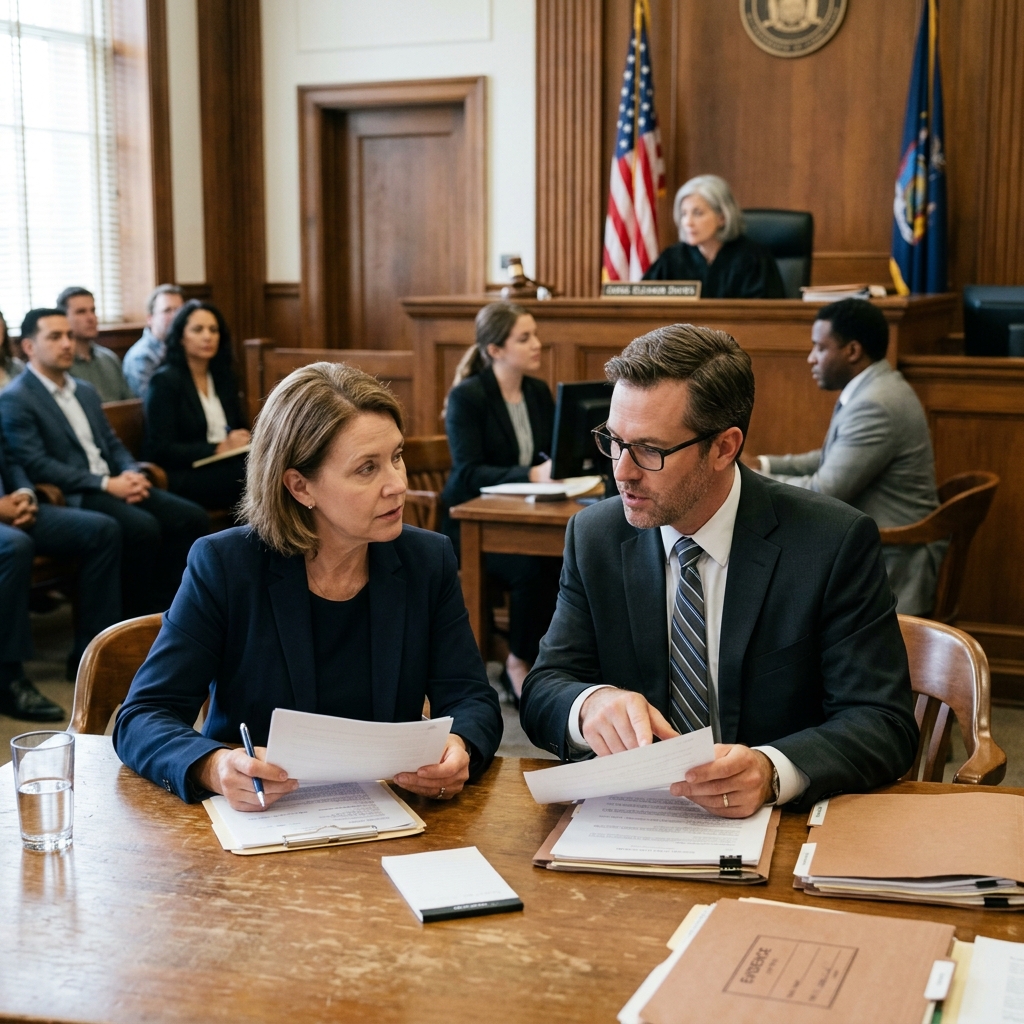
Small claims court exists to give people a fast and relatively low-cost way to resolve money disputes without navigating the full complexity of civil litigation. Because of this design, most people handle small claims cases on their own, but there are important moments when getting legal help is smart or even necessary.
Understanding What Small Claims Court Can and Cannot Do
Before deciding whether to bring in a lawyer, it helps to understand what small claims courts are meant to handle and their limitations.
Typical Purpose of Small Claims Court
- Small claims courts handle relatively low-value civil disputes, usually under a monetary cap set by each state, often around $5,000–$10,000 or slightly more.
- They focus on straightforward money claims, such as unpaid loans, security deposits, minor property damage, or simple contract disputes.
- Procedures are streamlined so non-lawyers can present their side directly to the judge.
What Small Claims Courts Do Not Cover
Small claims courts typically cannot issue orders requiring someone to perform or stop an action (known as injunctive relief), and they generally do not handle complex or high-dollar cases.
- No orders to make someone do something or stop doing something; only money judgments.
- No criminal charges or family law matters like divorce or custody.
- Limited ability to deal with highly technical legal issues or large collections of evidence.
Can You Have a Lawyer in Small Claims Court?
Whether you may or should have a lawyer depends on local rules and the specifics of your case.
Rules on Attorney Representation
Many states design small claims courts around self-representation, which affects how attorneys can participate.
- In a number of states, attorneys are restricted from formally representing individuals in small claims court, or their role is limited.
- Businesses, especially corporations, are more likely to be allowed attorney representation due to legal requirements for appearing in court.
- Even where lawyers cannot appear as your advocate, you are generally free to consult with one beforehand or for behind-the-scenes advice.
| Aspect | Self-Representation | Lawyer Involvement |
|---|---|---|
| Cost | Low; mainly filing and service fees | Higher; consultation or representation fees if allowed |
| Complexity | Requires you to learn basic rules and prepare evidence | Lawyer may manage legal strategy and paperwork |
| Control | You directly tell your story and respond to questions | Lawyer may speak for you where permitted |
| Availability | Always allowed | May be limited or prohibited for individuals in some states |
When Representing Yourself Makes Sense
In many situations, handling a small claims case on your own is not only possible but practical and cost-effective.
Common Scenarios Where Self-Representation Works
- The amount at stake is modest, and paying a lawyer would significantly reduce the benefit of winning.
- The facts are relatively simple (a single contract, one damaged item, a clear unpaid invoice).
- You have clear, organized documentation such as receipts, emails, text messages, photographs, or written agreements.
- There are only a few witnesses, and they can explain what happened in a straightforward way.
Advantages of Handling the Case Yourself
- Lower overall cost: You avoid attorney fees and pay only court-related costs.
- Direct communication: You speak directly to the judge and explain events in your own words.
- Faster process: Small claims procedures are designed to reduce formalities, which can shorten the path to a hearing.
- Practical legal experience: You gain familiarity with the court system and basic legal processes.
When Consulting or Hiring a Lawyer Is Smart
Even though small claims court is built for self-representation, there are circumstances where legal help can significantly impact your outcome.
Situations That Call for Legal Advice
- Unclear legal rights: If you are unsure whether you have a valid claim or defense, a lawyer can help interpret the law and the strength of your position.
- Multiple parties or overlapping disputes: Cases involving several defendants, counterclaims, or related lawsuits may require legal strategy.
- Technical subject matter: Disputes involving specialized areas (construction defects, complex insurance issues, or business regulations) may benefit from expert legal analysis.
- Consequences beyond money: If the small claims case could affect your credit, business reputation, or other legal matters, professional guidance is valuable.
Being Sued for Consumer or Debt Claims
Individuals sued in small claims court for alleged debts sometimes need help understanding their rights and options.
- Legal aid organizations often advise that you do not need a lawyer in small claims, but you may choose to get one if you are unsure how to respond.
- A lawyer or legal aid clinic can help you analyze whether the claimed debt is valid, time-barred, or improperly documented.
- They may assist in preparing defenses, negotiating settlements, or identifying errors in the plaintiff’s paperwork.
Appeals and Post-Judgment Issues
Winning or losing in small claims court is not always the end of the story.
- If you plan to appeal a decision, the process may require written briefs, transcripts, and strict deadlines, where legal representation is often helpful.
- Enforcing a favorable judgment can involve tools like wage garnishment or liens, which may require guidance to use correctly.
- Conversely, if you lose, a lawyer can explain your obligations and possible options to negotiate or restructure payment.
Preparing Your Case: Step-by-Step Guide
Whether you use a lawyer or represent yourself, preparation is central to success in small claims court.
1. Confirm Your Claim Belongs in Small Claims Court
- Verify that the amount you seek is within your state’s small claims limit and that your dispute is eligible for this court.
- Check whether you are suing for money only, not for orders forcing a specific action, as those are generally outside small claims jurisdiction.
2. Try to Resolve the Dispute First
Courts often expect that you made a reasonable effort to settle the matter before filing a claim.
- Attempt direct communication by phone, email, or letter to explain the problem and propose solutions.
- Consider sending a written demand letter summarizing the dispute, the amount you seek, and a deadline for response.
- Keep copies of all correspondence as evidence of your efforts to resolve the conflict.
3. File the Necessary Court Forms
Each state has its own forms and instructions, but some common steps appear across jurisdictions.
- Complete the plaintiff’s claim or complaint form with your name, the defendant’s name, the amount claimed, and a brief explanation of the dispute.
- Submit the form to the correct court location and pay the filing fee; fee waivers may be available for low-income litigants.
- Arrange for proper service of the claim on the defendant, often through certified mail, a process server, constable, or other authorized person.
4. Organize Evidence and Witnesses
Judges rely heavily on clear, well-organized evidence and credible testimony.
- Collect documents such as contracts, invoices, receipts, photographs, text messages, and emails that support your version of events.
- Make at least two sets of copies: one for the judge and one for the other side, in addition to your original set.
- Check local rules about submitting evidence ahead of the hearing; some courts require delivery to the court and the opposing party a certain number of days before the hearing.
- Identify witnesses who can describe what they saw, heard, or did, and confirm their availability for the hearing.
5. Plan Your Presentation to the Judge
Hearings in small claims court are usually brief, so you need a concise and logical way to tell your story.
- Prepare a simple timeline of events that explains what happened, when, and how you were harmed.
- Practice summarizing your case in a few minutes, focusing on key facts and evidence rather than emotions.
- Think through questions the judge might ask and how you will answer them clearly.
6. Courtroom Conduct and Respect
Your behavior in court influences how your case is perceived.
- Arrive early, dress neatly, and be polite to court staff and opposing parties.
- Address the judge as “Your Honor,” speak clearly, and avoid interrupting.
- Stick to the facts, avoid personal attacks, and answer questions directly.
Cost-Benefit Analysis: Is a Lawyer Worth It?
One of the central questions in small claims court is whether the potential benefit of legal representation justifies the cost.
Factors to Consider
- Amount in dispute: If the value of your claim is only slightly more than what a lawyer would charge, self-representation or brief consultation may be more reasonable.
- Complexity of the law: Technical legal issues may warrant professional help even for smaller amounts, especially if future rights are affected.
- Your comfort level: If public speaking or organizing legal documents is particularly stressful, paying for guidance could improve both your performance and peace of mind.
- Availability of free or low-cost help: Legal aid societies and pro bono clinics may provide advice at low or no cost, changing the calculus.
Alternatives to Hiring a Private Lawyer
Legal assistance does not always mean retaining a private attorney for full representation.
Legal Aid and Pro Bono Services
- Nonprofit legal aid organizations frequently offer free or low-cost advice, particularly for consumer debt and housing disputes.
- Some courts partner with community groups to provide small claims help lines or in-person clinics that walk you through procedures.
Limited-Scope Services and Consultations
- Many lawyers offer one-time or limited consultations to review your case, explain your options, or help you draft documents, without appearing in court.
- Such targeted assistance can improve your preparation at a fraction of the cost of full representation.
Court Self-Help Resources
- Official court websites often publish guides, step-by-step instructions, and sample forms tailored to small claims courts.
- These resources are specifically designed so that non-lawyers can follow them and understand basic requirements.
Frequently Asked Questions (FAQs)
Do I need a lawyer to file a small claims case?
In most places, you do not need a lawyer, and small claims procedures are built so you can file and present your case on your own. You may choose to consult a lawyer if you want help understanding your rights or preparing documents.
Can a lawyer represent me at the hearing?
Rules vary by state. Some jurisdictions limit or forbid lawyers from appearing on behalf of individuals in small claims court, while others allow it, especially for business entities. Check your local court’s rules to see what is allowed.
What if I am being sued and feel overwhelmed?
If you are a defendant and are unsure how to respond, reaching out to a legal aid organization, consumer law clinic, or private lawyer for advice is wise. They can help you evaluate the claim and prepare a defense.
Is it worth paying a lawyer for a small amount of money?
That depends on the complexity of the dispute, your comfort with self-representation, and whether low-cost legal help is available. For straightforward, lower-value cases, many people choose to represent themselves; for more complex or high-stakes matters, legal advice can be a good investment.
What happens after the judge makes a decision?
After judgment, you may need to take steps to collect money you are awarded, such as garnishing wages or placing a lien on property. If you lose, you may consider whether an appeal is possible and whether you need help managing the judgment.
References
- Understanding small claims court — National Center for State Courts. 2023-01-01. https://www.ncsc.org/resources-courts/understanding-small-claims-court
- Small Claims Court & Legal Requirements — Justia. 2022-06-01. https://www.justia.com/trials-litigation/lawsuits-and-the-court-process/small-claims-court/
- What Can I Sue for in Small Claims Court? — FindLaw. 2021-10-15. https://www.findlaw.com/litigation/going-to-court/small-claims-cases.html
- What You Need to Know About Small Claims Court — Legal Aid Society of New York City. 2023-03-10. https://legalaidnyc.org/get-help/consumer-debt-taxes/what-you-need-to-know-about-small-claims-court/
- Small Claims Court: DIY Justice, Representing Yourself Effectively — Arizona State University / YouTube transcript. 2022-09-01. https://www.youtube.com/watch?v=3BintccT9gg
- How to Sue in Small Claims Court — Los Angeles County Department of Consumer and Business Affairs. 2022-11-20. https://dcba.lacounty.gov/portfolio/how-to-sue-in-small-claims-court/
- Small Claims Court: 5 Steps to File a Claim — LegalShield. 2021-08-30. https://www.legalshield.com/blog/taking-collections-small-claims-court
Similar Articles








Read full bio of Sneha Tete


