
When To Update Your Will: 5 Key Triggers To Check Right Now.
A practical guide to knowing when your will needs an update and why delay can create avoidable problems.
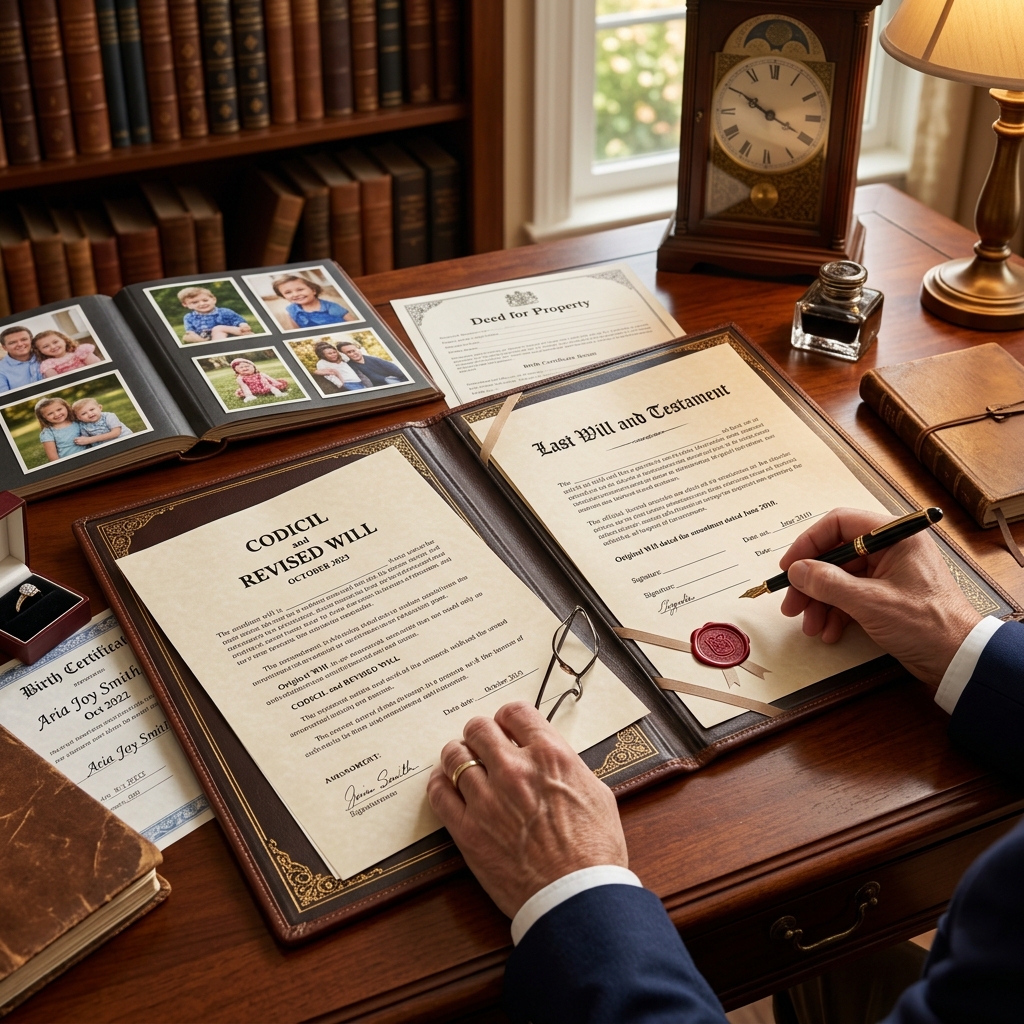
A will should not be treated as a document you sign once and never touch again. Life changes, family relationships evolve, laws shift, and property holdings can grow or shrink in ways that make an old will less useful than it once was. Estate planning attorneys and consumer guidance sources consistently recommend reviewing a will after major life events and every few years even if nothing dramatic has happened.
The goal is simple: keep your wishes clear, legally effective, and aligned with your current situation. If your will no longer reflects your family, your assets, or the rules in your state, it can create confusion for loved ones and increase the chance of disputes during probate.
Why a Will Should Be Revisited Periodically
Many people think of a will as a permanent statement of intent, but it is better understood as a living part of a larger estate plan. A good plan adapts as your life changes. Even when there are no obvious turning points, it is wise to review the document every three to five years to confirm that names, gifts, fiduciaries, and distribution choices still make sense.
Periodic review also helps you catch smaller issues that can matter a great deal later. A beneficiary may have passed away. A chosen executor may no longer be the right person. A new asset may not be addressed. Or a move to another state may expose differences in local probate rules and formal requirements.
| Review trigger | Why it matters |
|---|---|
| Marriage or divorce | Changes who may inherit and who should act for your estate. |
| Birth or adoption | May require new guardianship and inheritance planning. |
| Death of a beneficiary or executor | Names in the will may no longer be valid or practical. |
| Major asset change | Business ownership, real estate, or an inheritance may need new instructions. |
| Relocation | Different state law can affect validity and administration. |
Family Changes That Often Call for an Update
Family changes are among the strongest reasons to revisit a will. Marriage may create a new spouse you want to provide for, while divorce may require removing someone who was previously central to your plan. If you have children, a change in family structure can also affect guardianship preferences, trust terms, and the timing of distributions.
The birth or adoption of a child is especially important. A new child may not be automatically included in an older will, and the document may not name a guardian or trustee with that child in mind. The same is true for grandchildren if you want to leave assets to them directly or through a trust. A will that does not reflect your current family structure can unintentionally leave out someone you intended to protect.
It is also important to account for family members whose circumstances have changed. A beneficiary may have developed financial problems, substance abuse concerns, disability-related needs, or divorce-related issues that make a direct inheritance less suitable. In those situations, revising the estate plan can help you preserve the benefit while reducing risk.
When Beneficiaries or Fiduciaries Change
Beneficiaries are not the only people whose status matters. The executor named in a will plays a critical role in gathering assets, paying debts, and distributing property. If that person has died, moved away, become incapacitated, or is simply no longer the person you trust most, the document should be updated.
The same applies to any alternate executor, guardian, or trustee you have selected. Over time, the best candidate may change because of age, health, financial stability, or family dynamics. Updating these appointments helps avoid unnecessary court involvement and ensures that a person you trust is available to carry out your wishes.
If a beneficiary experiences a major life event, your own plan may need adjustment as well. Marriage, divorce, death, bankruptcy, or a significant change in financial circumstances can all alter whether a gift should remain the same, be redirected, or be handled through a trust instead of outright ownership.
Asset Growth, Loss, and Shifts in Property
A will should match the property you actually own. If you acquire substantial new assets, start a business, purchase real estate, or receive an inheritance, your original plan may no longer be comprehensive enough. On the other hand, if you sell an asset that was specifically mentioned in the will, that gift may become outdated or impossible to carry out as written.
Significant growth in wealth can also change the planning strategy. Larger estates may benefit from more detailed instructions, specific bequests, tax-aware planning, or a trust structure that better protects young beneficiaries. Even smaller estates deserve review, but a major increase in value is a strong signal that a more careful look is needed.
If you own property in more than one state, or if you have moved from one state to another, asset location becomes especially important. State rules can differ on witnessing, probate procedures, and the treatment of certain provisions, so the will should be checked for compliance and clarity after a move.
Legal and Tax Changes Can Also Matter
Estate planning is shaped not only by family and property, but also by law. Changes in estate, probate, or tax rules can affect whether a provision still functions as intended. A clause that once made sense may become inefficient, confusing, or out of step with current law.
Because laws can shift without much public notice, periodic review helps catch issues before they matter in court. For example, if a change in local law affects how a will must be signed or witnessed, an outdated document may face avoidable challenges. That is one reason practitioners often recommend a comprehensive estate-plan review after major legal changes as well as after major personal events.
How to Change a Will the Right Way
Once you decide an update is necessary, the next step is choosing the correct method. In many jurisdictions, there are two common ways to revise a will: a codicil or a new will. A codicil is a separate document that changes a specific provision while leaving the rest of the will intact. It can be useful when the update is narrow and straightforward.
For more substantial changes, a new will is often the better choice. That approach reduces the risk of inconsistency between old and new language, especially if multiple codicils have accumulated over the years. A clean rewrite is often easier for family members and the court to interpret later.
Whatever method you choose, the update must satisfy the same formalities required for a valid will in your state. A revision that is not executed properly may create uncertainty or fail altogether. For that reason, it is usually wise to have an estate planning attorney review the changes before they are signed.
Practical Habits That Keep an Estate Plan Current
The easiest way to avoid an outdated will is to build review into your routine. A simple check every few years can catch problems before they become costly. It is also smart to revisit the plan whenever you experience a major milestone, such as marriage, divorce, birth, adoption, relocation, retirement, or a major change in financial status.
- Keep a current list of beneficiaries, executors, guardians, and trustees.
- Review retirement accounts and insurance beneficiary forms at the same time as the will.
- Store the latest signed version in a secure place and make sure a trusted person knows where it is.
- Check whether other estate documents, such as powers of attorney and health directives, still match your wishes.
- Ask whether a codicil or a full rewrite is the cleaner choice for the changes you want.
Consistency across documents matters. A will that says one thing while a beneficiary form says another can create conflict and defeat your broader intentions. Reviewing everything together is often the most efficient way to reduce that risk.
Common Questions About Updating a Will
How often should I review my will?
Most guidance suggests reviewing your will every three to five years, even if your life has been stable. If something meaningful changes before then, review it sooner.
Do I need to update my will after moving?
Yes, moving to a different state is a common reason to review your will because state law can change the rules for validity and probate administration.
Can I just handwrite a quick change on my existing will?
Not safely. A will revision generally needs to follow the legal formalities that apply in your state, and an informal change may not be enforceable.
Is a codicil better than a new will?
A codicil can work for small, simple edits, but a new will is often better when the changes are significant or multiple updates have already been made.
What if I forgot to update a beneficiary form?
That is a red flag. Beneficiary designations on retirement or insurance accounts can operate separately from a will, so they should be reviewed alongside the rest of the estate plan.
FAQs
What are the biggest signs that my will is outdated?
The biggest signs are changes in family status, the death of a named person, new children, major asset changes, relocation, and legal developments that affect estate administration.
Can an outdated will cause family conflict?
Yes. Ambiguous or obsolete terms can lead to disputes, delays, and court involvement, especially if the will no longer reflects the family structure or property the person had when they died.
Should I review other estate documents too?
Yes. Wills should be reviewed together with powers of attorney, health care directives, trust documents, and beneficiary designations so the estate plan works as one system.
Keeping a will current is less about paperwork and more about precision. The document should reflect the people you want to protect, the property you actually own, and the laws that will govern the transfer of your estate. A regular review schedule and timely updates can make the difference between a smooth inheritance process and a confusing legal problem for your family.
References
- How to Update Your Will After Major Life Changes in Texas — Carroll, Logan, and Gonzalez. n.d. https://carroll-lg.com/how-to-update-your-will-after-major-life-changes-in-texas/
- 6 Times You Should Update Your Will — AARP. n.d. https://www.aarp.org/money/personal-finance/times-to-update-your-will/
- When Is the Best Time to Update a Will? — Drazen Law. n.d. https://www.drazenlaw.com/blog/when-is-the-best-time-to-update-a-will
- Updating Your Will – 7 Reasons It’s Time — Waypoint Legal. n.d. https://www.jerseyelderlawyers.com/updating-your-will-7-reasons-its-time/
- Time to Update Your Will? 5 Reasons Why You Should — LegalShield. n.d. https://www.legalshield.com/blog/10-reasons-you-may-need-update-your-will
- When to Update a Will in Ohio — Hallett Legal Group, LLC. n.d. https://hallettlegalgroup.com/blog/how-often-should-you-modify-your-will-in-ohio-2/
Similar Articles








Read full bio of medha deb


