
When Legal Help Is Essential for Property Damage Claims
Discover critical moments to engage a property damage attorney for maximum compensation and smooth claim resolution.
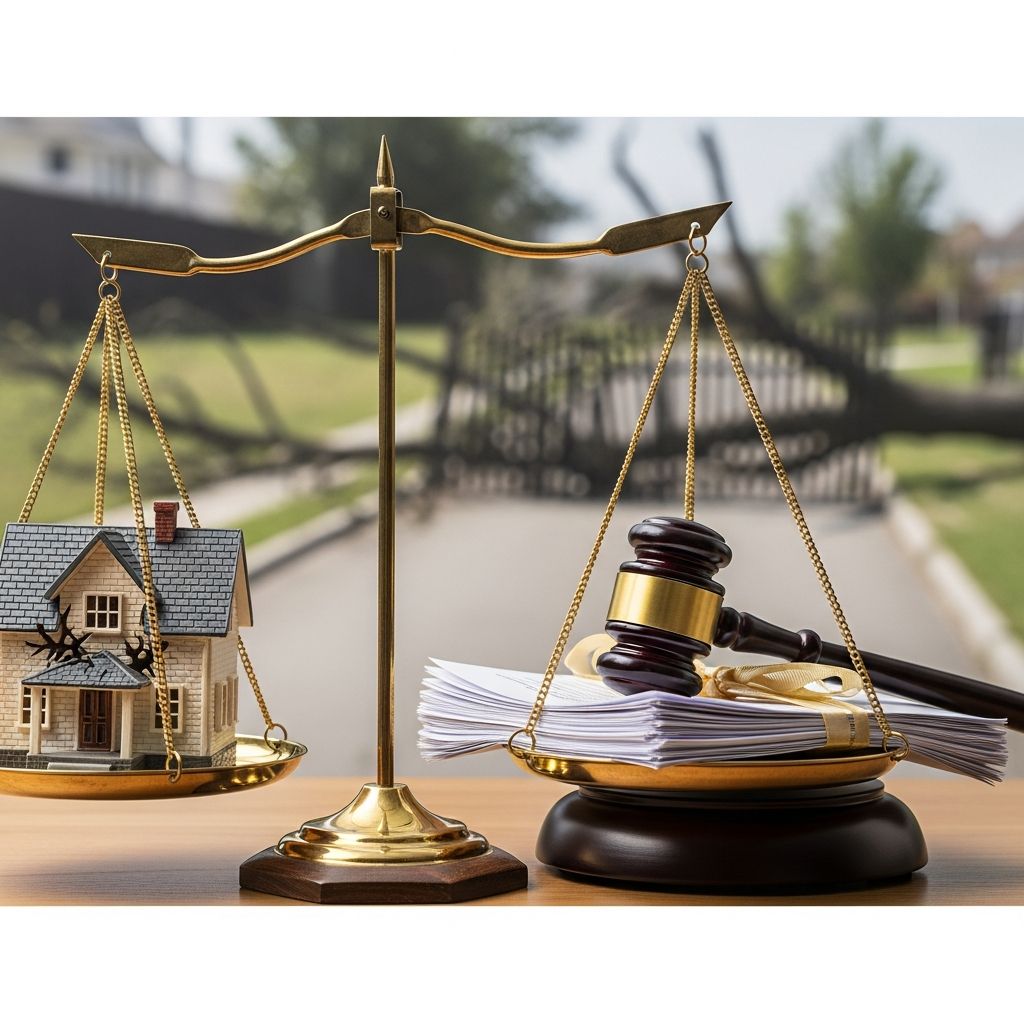
Property damage can strike unexpectedly, leaving homeowners and business owners facing repair costs, insurance battles, and potential financial ruin. While minor incidents might resolve through direct insurer communication, many situations demand professional legal intervention to protect your rights and maximize recovery. This guide explores pivotal scenarios where consulting a property damage attorney becomes crucial, drawing from established legal practices to empower you with informed decisions.
Understanding Property Damage and Initial Response Steps
Property damage encompasses a broad range of incidents affecting homes, vehicles, or commercial spaces, often resulting from storms, accidents, fires, or negligence. Immediately after an event, document everything: take photos, note witnesses, and notify your insurer promptly. Timely reporting adheres to policy timelines, such as the 15 business days insurers have to acknowledge claims in many states. Delays can jeopardize your position, especially with strict statutes of limitations—like Texas’s two-year window for filing suits.
However, initial steps alone often fall short against sophisticated insurance tactics. Insurers prioritize profits, sometimes undervaluing claims or disputing coverage. Here, early legal counsel provides strategic advantages, ensuring your proof-of-loss forms are accurate and comprehensive.
Critical Triggers for Involving a Property Damage Attorney
Not every claim requires a lawyer, but specific red flags signal the need for expertise. Recognizing these early prevents undervaluation or outright denial.
- Significant Financial Discrepancies: If repair estimates exceed insurer offers by substantial amounts—such as over $25,000—legal review is advisable to bridge the gap.
- Claim Denials Without Clear Justification: Unexplained rejections demand scrutiny, as they may stem from misapplied policy terms.
- Prolonged Delays in Processing: Insurers must decide within 15 business days post-proof-of-loss; excessive waits indicate potential stalling.
- Inadequate Settlement Proposals: Lowball offers ignoring full repair costs or lost use warrant negotiation support.
- Policy Cancellation or Unreasonable Demands: Sudden terminations or excessive proof requests violate fair practices.
Proactive hiring at these junctures transforms a contentious process into a structured pursuit of justice. Attorneys familiar with local regulations can preempt insurer defenses, often leading to faster, fuller payouts.
Common Causes of Property Damage Requiring Legal Expertise
Diverse events trigger claims, each with unique challenges. Legal help shines in complex cases where liability or coverage is contested.
| Damage Type | Typical Causes | Why Hire a Lawyer? |
|---|---|---|
| Storm-Related | Hurricanes, tornadoes, wind, flooding | Disputes over ‘act of God’ exclusions vs. negligence; high-value claims |
| Fire and Smoke | Electrical faults, arson, accidents | Proving origin and extent; bad faith denials common |
| Water Intrusion | Leaks, bursts, foundation shifts | Gradual vs. sudden damage debates; mold complications |
| Vandalism/Theft | Criminal acts | Coordinating with police; underinsured at-fault parties |
| Construction Defects | Poor workmanship, subsidence | Third-party liability suits; warranty claims |
These scenarios frequently involve third-party negligence, expanding recovery options beyond insurance. A lawyer assesses multi-party fault, pursues subrogation, or files against at-fault entities.
Navigating Insurance Bad Faith: A Core Reason for Legal Action
Insurers owe a duty of good faith, yet violations like unreasonable delays, misrepresentations, or baseless denials occur routinely. Bad faith claims unlock enhanced remedies, including emotional distress compensation, punitive awards, and attorney fees. Proving this requires demonstrating the insurer’s knowledge of invalidity in their actions—precisely why specialized attorneys excel.
Early attorney involvement signals seriousness to insurers, streamlining processes. They handle communications, preventing damaging statements, and compile irrefutable evidence packages. Without this, policyholders risk settling for fractions of deserved amounts.
Strategic Advantages of Early Attorney Engagement
Timing is paramount: engage counsel immediately post-damage for optimal outcomes. Benefits include:
- Policy Mastery: Thorough review uncovers overlooked coverages.
- Evidence Preservation: Secures photos, expert inspections before mitigation.
- Negotiation Leverage: Credible threats of litigation yield better offers.
- Stress Reduction: Delegates paperwork, calls, and deadlines, allowing focus on recovery.
- Trial Readiness: Prepares for litigation if settlements fail.
Many firms offer free consultations and contingency fees—no upfront costs, payment only upon success. This accessibility makes early action low-risk, high-reward.
Selecting the Right Property Damage Attorney
Choose based on experience in insurance disputes, not general practice. Verify:
- Track record with similar claims (e.g., storm, fire).
- Local knowledge of statutes and insurer tactics.
- Client testimonials and bar certifications.
- Clear fee structures.
Even for seemingly minor cases, a quick review ensures no oversights. If damages seem low, attorneys may advise self-handling or public adjusters.
Frequently Asked Questions
How soon after damage should I contact a lawyer?
Immediately, to guide documentation and filing, avoiding procedural pitfalls.
What if my claim is denied?
Appeal with legal aid; denials often reverse under scrutiny.
Can I sue for bad faith?
Yes, recovering extras like punitive damages if proven.
Are consultations free?
Typically yes, with contingency arrangements common.
What’s the statute of limitations?
Varie by state; e.g., 2 years in Texas—act fast.
Do I need a lawyer for small claims?
Not always; consider if disputes exceed $25K or involve bad faith.
Steps to Take Before and After Hiring an Attorney
Pre-hire: Secure property, document, file claim. Post-hire: Provide all records, authorize insurer contact. Expect policy analysis, adjuster challenges, and settlement pushes. If litigating, timelines extend but yields can multiply.
In summary, while DIY works for trivial matters, complexity demands pros. Empower yourself against insurer gamesmanship.
References
- When to Hire an Attorney For a Property Damage Claim — Storm Lex. Accessed 2026. https://www.stormlex.com/when-to-hire-an-attorney-for-a-property-damage-claim/
- When Should I Get a Lawyer for My Home Property? — For The People. 2025-03-17. https://www.forthepeople.com/blog/when-should-i-get-lawyer-my-home-property/
- How To Choose the Right Property Damage Claim Attorney — Merlin Law Group. Accessed 2026. https://www.merlinlawgroup.com/how-to-choose-a-property-damage-claim-attorney/
- Signs You Need a Property Damage Lawyer — ESS Law Partners. Accessed 2026. https://esslawpartners.com/benefits-of-hiring-a-property-damage-lawyer/
- Property Damage — Singleton Schreiber. Accessed 2026. https://www.singletonschreiber.com/practices/personal-injury/property-damage-attorney
- Hire the Best Houston Property Damage Attorneys — Attorney at Law Magazine. Accessed 2026. https://attorneyatlawmagazine.com/best-attorneys/property-damage/texas/houston-attorney
- Houston Insurance and Property Damage Dispute Lawyer — Zehl Law. Accessed 2026. https://www.zehllaw.com/practice-areas/disputes/insurance-disputes/
Similar Articles








Read full bio of medha deb




