
When Teachers Connect With Students Online
Exploring the legal, ethical and professional risks when teachers interact with students on social media beyond the classroom.
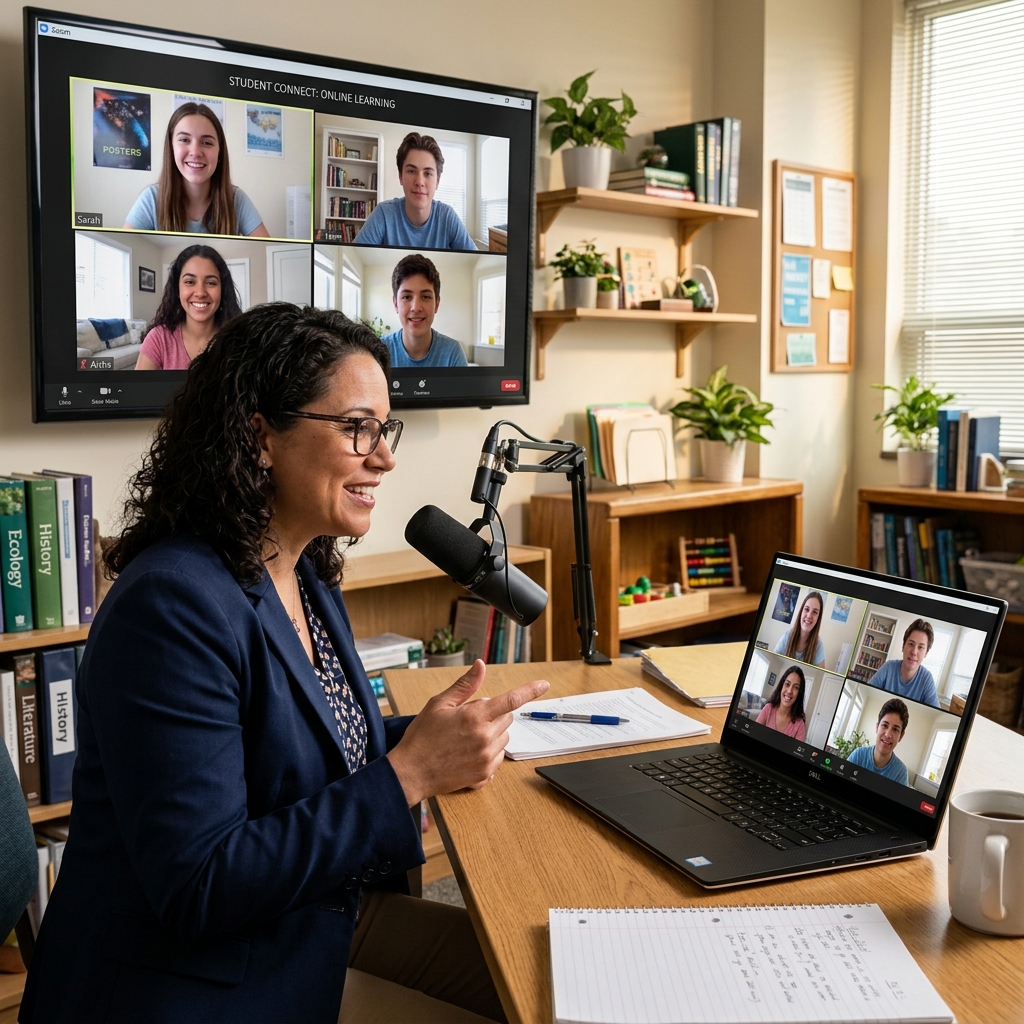
Social media has transformed how teachers and students communicate, blurring the boundaries between classroom and private life. A growing number of school districts now treat online contact as part of the professional environment, and in some cases, a teacher’s online interactions have resulted in discipline or termination.
This article examines why connecting with students online can be risky, how schools regulate digital communication, and what legal and ethical issues arise when teachers are fired or otherwise punished for their activity on platforms like Facebook, Instagram, or TikTok.
From Chalkboards to Newsfeeds: A New Communication Landscape
Traditionally, teacher–student interaction occurred in clearly defined spaces: classrooms, hallways, school-sponsored activities, and scheduled meetings with parents. Social media has introduced additional channels where:
- Teachers and students can communicate instantly, at any time of day.
- Personal information, photos, and opinions are shared widely and archived indefinitely.
- Professional and private identities can overlap in ways that are difficult to control.
When a teacher “friends” or follows a student using a personal account, the relationship can appear more informal and less supervised, raising concerns about privacy, favoritism, and appropriate boundaries.
Why Teachers Are Fired Over Social Media Activity
Cases in which teachers lose their jobs due to online conduct often share certain themes. According to legal and ethics analyses of educator social media use, schools may discipline teachers for online behavior when it is viewed as unprofessional or damaging to the school community.
Common Grounds for Discipline or Termination
- Violation of school policy — Many districts have explicit rules restricting or banning personal social media contact with students.
- Inappropriate or suggestive messages — Flirtatious comments or private conversations can be interpreted as crossing professional boundaries.
- Publicly disparaging students or parents — Posting insults or negative stereotypes about students or families can be treated as misconduct.
- Sharing confidential or sensitive information — Discussing student performance or discipline online may breach privacy protections.
- Posting content inconsistent with professional standards — Photos or comments perceived as vulgar, discriminatory, or hostile can trigger action.
In many cases, the key issue is not whether the content is illegal, but whether it violates the professional expectations set by the employer and the policies adopted by the school or district.
Legal Background: Free Speech Versus School Authority
Teachers, as public employees, retain certain free speech rights, but these rights are not unlimited. Courts often apply a balancing test: the teacher’s right to speak on matters of public concern versus the school’s interest in maintaining order, reputation, and effective operations.
| Aspect | Teacher Rights | School Authority |
|---|---|---|
| Speech about public issues | May be protected if expressed as a citizen, not as an employee. | Can act if speech disrupts operations or undermines trust. |
| Comments about students or administrators | Limited protection when speech relates directly to job duties. | Broad ability to enforce professionalism and policy compliance. |
| Union activity and working conditions | Often strongly protected when addressing workplace issues. | Must tolerate some criticism, but can regulate harmful conduct. |
Legal commentary on educator speech emphasizes that most personal social media activity — especially posts about students, coworkers, or administrators — falls closer to employment-related expression than to citizen speech about broad public concerns.
Privacy Laws and Student Protection
In addition to free speech considerations, teachers must navigate student privacy obligations. In the United States, federal law restricts disclosure of personally identifiable student information contained in education records, and many states add further protections. Posting identifiable information about a student’s performance, discipline, or health can therefore raise legal and ethical issues.
While not every social media post implicates formal privacy law, districts often adopt stricter policies to avoid the risk that online content might expose confidential information or contribute to harassment or discrimination.
School and District Policies on Online Interaction
Because social media usage evolves rapidly, many districts have created detailed policies describing acceptable and unacceptable online conduct. Legal guidance and ethics frameworks for educators recommend that these policies address both professional and personal accounts.
Typical Features of Social Media Policies
- Clear rules on whether teachers may “friend” or follow students on personal accounts.
- Guidance on using school-sanctioned platforms for class communication.
- Prohibitions on posting student photos or names without consent.
- Standards for tone and content when discussing school-related topics.
- Procedures for reporting and investigating possible misconduct.
Some districts draw a bright line, banning personal social media connections with students entirely. Others allow limited interaction, but only when it is clearly tied to academic work or extracurricular programs, and subject to administrator oversight.
Boundary Issues: Why “Just Being Friendly” Can Be Misunderstood
Many teachers connect with students online intending to be supportive mentors, not to cause harm. Yet the power imbalance between teacher and student makes even well-intentioned online relationships complex. Ethical guidance on educator conduct stresses that favoring particular students or engaging in private, informal communication can undermine trust in the fairness and impartiality of the classroom.
Risks of Blurred Personal–Professional Lines
- Perceived favoritism — When only certain students are connected to a teacher online, others may feel excluded.
- Informal counseling role — Teachers may begin offering personal advice that goes beyond their training or job responsibilities.
- Emotional dependence — Students can develop strong online attachments that complicate classroom management.
- Misinterpretation by parents or administrators — Even benign messages can be viewed suspiciously if they seem too personal.
Education professionals and ethicists often recommend that teachers maintain a clear separation between personal online spaces and professional channels used for instruction or official communication.
Examples of Problematic Online Conduct
Although exact circumstances differ, several recurring patterns show how social media behavior can lead to termination or discipline.
Negative Comments About Students and Parents
In one widely reported case, an educator resigned after parents discovered online posts describing students in disparaging terms and criticizing parents’ behavior. Such incidents highlight how public-facing comments can quickly reach their targets and damage relationships, even when the teacher believed the audience would remain limited.
Flirtatious or Suggestive Messages
Investigative reports and news coverage have documented instances where teachers were removed from their positions following allegations of flirtatious or sexually suggestive online messages directed toward students. Administrators typically frame these decisions as necessary to protect student safety and uphold professional standards.
Posting About Conflicts With Students
Legal summaries of disciplinary actions against teachers also describe situations where educators shared details about disputes with students online, sometimes revealing enough information that the student could be identified. Schools may view such conduct as unprofessional and potentially harmful to the student, even if the teacher does not use the student’s name.
How Administrators Respond to Questionable Online Behavior
Guidance for school leaders recommends a staged approach when dealing with concerns about a teacher’s online conduct.
- Informal conversation about expectations and policy, particularly if the behavior appears uninformed rather than malicious.
- Formal warning or reprimand if the conduct is clearly inappropriate but can be corrected.
- Investigation and possible discipline including suspension or termination if serious boundary violations or student harm are alleged.
Some guidance suggests that schools should also provide ongoing training so teachers understand how quickly online behavior can be misinterpreted and why boundaries are important.
Best Practices for Teachers Using Social Media
Educators who wish to harness digital tools for instruction while avoiding legal and professional trouble can follow several practical strategies drawn from ethics guidelines and policy examples.
Practical Tips
- Use school-approved platforms and separate them from personal accounts.
- Avoid “friending” or following students with personal profiles.
- Refrain from posting about specific students, parents, or colleagues.
- Do not criticize your school or administration in public posts related directly to your work.
- Assume that anything posted may eventually be seen by students, parents, administrators, and the wider community.
Frequently, the safest course is to treat social media as a public space, even when privacy settings are enabled, and to adopt the same level of professionalism online that is expected in the classroom.
What Teachers Can Do If They Face Discipline for Online Conduct
When a teacher is warned, suspended, or terminated because of social media activity, the situation can be personally and professionally devastating. However, there are steps that educators can take to understand their rights and respond constructively.
Immediate Steps
- Review the relevant school or district policy to see which rules are alleged to have been violated.
- Document the posts or messages at issue and any prior guidance received from administrators.
- Consult with legal counsel or a union representative to evaluate potential contractual or constitutional claims.
- Consider whether a voluntary correction (such as removing content or issuing an apology) may improve the situation.
Legal outcomes vary, and in many cases, the central question is whether the school acted consistently with its own policies and whether the teacher received fair notice of those rules.
Impact on School Culture and Student Well-Being
Policies on social media are not only about protecting teachers from missteps; they also aim to safeguard students and the broader school environment. Research and professional commentary emphasize that inappropriate online contact can undermine students’ trust in educators and create confusion about the nature of the teacher–student relationship.
Conversely, when schools establish clear expectations and provide training, teachers can still use digital tools creatively — for sharing resources, coordinating assignments, and supporting extracurricular activities — without relying on private, personal connections with students.
Frequently Asked Questions
Can a teacher be fired just for friending students online?
Yes, if a school or district policy prohibits personal social media connections with students, refusing to comply with that policy can lead to discipline or termination. The key issue is often policy violation rather than the act of friending itself.
Is it illegal for teachers to contact students on social media?
Not all contact is illegal. However, certain kinds of communication — such as harassment, threats, or grooming behavior — may violate criminal laws or child protection statutes. Even noncriminal conduct may still breach professional standards and school policy, leading to employment consequences.
Do teachers have free speech rights on social media?
Teachers do have free speech rights, but those rights are limited when speech is closely tied to their job duties or disrupts the school environment. Posts that publicly criticize students or colleagues or expose confidential information are particularly vulnerable to discipline.
How can schools balance safety with teachers’ privacy?
Many schools attempt to balance these interests by focusing on behavior rather than monitoring personal accounts, emphasizing clear policies, training, and consistent enforcement. The goal is to prevent harmful conduct while still respecting educators’ private lives.
What is the safest way for teachers to communicate with students online?
The safest approach is to use official, school-sanctioned platforms designed for instruction, keep communication public or group-based when possible, and avoid private messaging with individual students on personal accounts.
References
- Teacher Fired for ‘Friending’ Students Online — FindLaw Legal Blogs. 2014-04-28. https://www.findlaw.com/legalblogs/law-and-life/teacher-fired-for-friending-students-online/
- Teachers and Social Media: Join in or Defriend? — Santa Clara University, Markkula Center for Applied Ethics. 2014-05-01. https://digitalethics.org/essays/teachers-and-social-media-join-or-defriend
- Teacher Loses Job After Commenting About Students, Parents on Facebook — ABC News. 2010-07-28. https://abcnews.go.com/Technology/facebook-firing-teacher-loses-job-commenting-students-parents/story?id=11437248
- Teacher Fired for Social Media Posts About Student — Municipal Minute (Ancel Glink). 2018-01-31. https://municipalminute.ancelglink.com/2018/01/teacher-fired-for-social-media-posts.html
- How to React When a Teacher Is Too Loose with Students Online — Phi Delta Kappan. 2014-10-27. https://kappanonline.org/how-to-react-when-a-teacher/
- Can a Teacher Be Fired for Contacting a Student on Social Media? — Avvo Legal Q&A. 2015-05-12. https://www.avvo.com/legal-answers/can-a-teacher-be-fired-for-contacting-a-student-on-2897174.html
- Teachers Fired for Flirting on Facebook — CNN (YouTube segment). 2010-11-23. https://www.youtube.com/watch?v=sAoxpGBEx5s
Similar Articles








Read full bio of medha deb




