
When South Carolina DSS Removes Your Children
Understand why DSS can take your children, what legal rights you have, and when you may be able to sue in South Carolina.
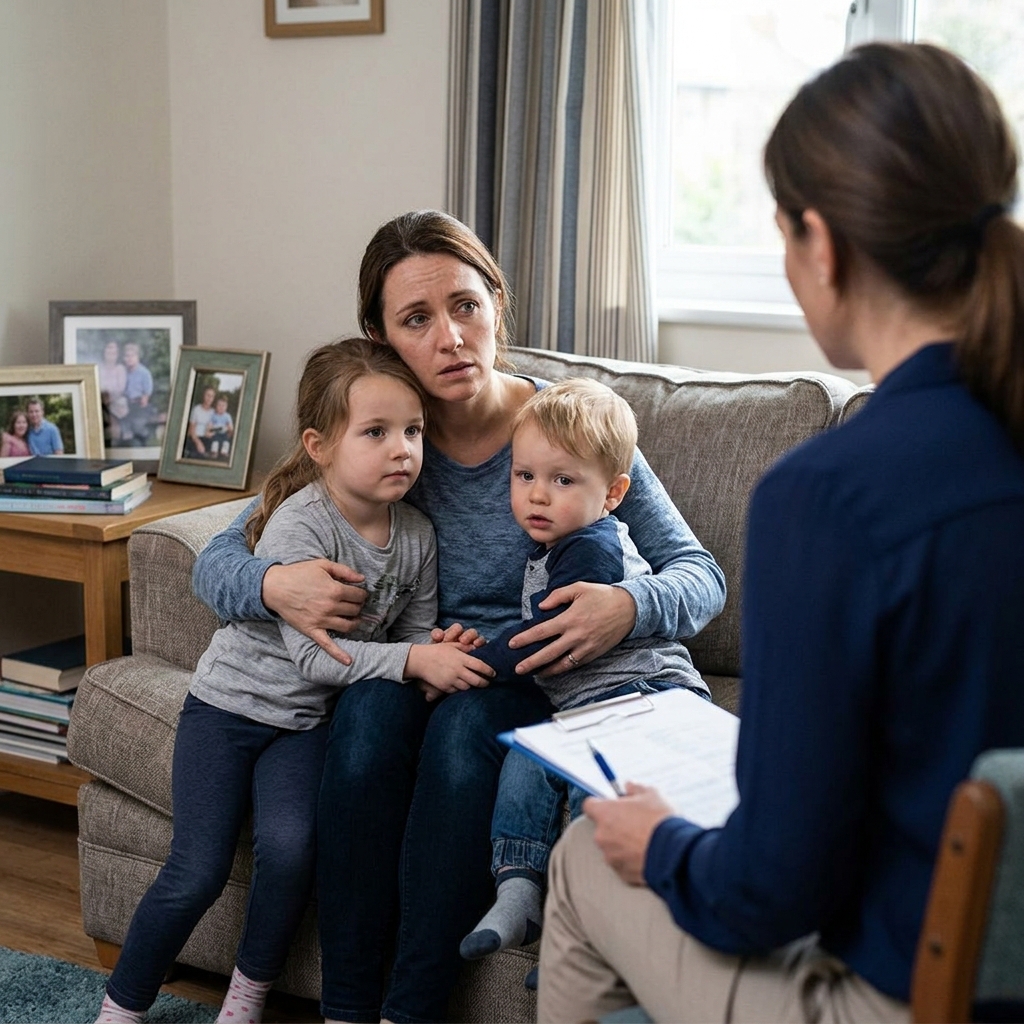
Having your child taken into custody by the South Carolina Department of Social Services (DSS) is one of the most frightening experiences a parent can face. This guide explains why DSS can remove children, how the process works, what rights parents have, and when you may be able to sue over wrongful actions or false reports in South Carolina.
1. How South Carolina Law Defines Child Abuse, Neglect, and DSS Authority
South Carolina’s child protection system operates under the South Carolina Children’s Code, primarily Title 63, Chapter 7 of the South Carolina Code of Laws. These statutes set out DSS authority and define key terms.
1.1 What Counts as a “Child” and “Child Abuse or Neglect”
Under South Carolina law, a child is generally any person under 18 years of age. The statute defines child abuse or neglect (sometimes referred to as “harm”) as situations where a parent, guardian, or other responsible adult inflicts or allows substantial risk of physical or mental injury, including excessive corporal punishment and failures to provide necessary care.
- Physical harm: Injuries, excessive discipline, or acts creating a significant risk of injury.
- Emotional/mental harm: Acts or omissions that can seriously impair a child’s emotional development.
- Neglect: Failing to provide necessary food, medical care, supervision, or shelter.
The primary objective of DSS is to safeguard the child’s safety while trying, when possible, to keep the child within the family system.
1.2 Emergency Protective Custody: How DSS Can Take a Child Quickly
When DSS or law enforcement believes a child faces an immediate risk of serious harm, they can place the child in emergency protective custody. This is defined as the right to take physical custody of a child for a short, temporary period to protect the child.
Key features of emergency protective custody in South Carolina include:
- Time-limited: Emergency custody typically lasts no more than 24 hours before judicial review is required.
- Driven by safety concerns: It is used only when immediate danger is suspected, such as serious physical abuse or extreme neglect.
- Followed by court involvement: DSS must seek a court order if continued removal or supervision is needed.
1.3 Long-Term Court Oversight
If a court orders intervention or removal, its jurisdiction generally cannot extend indefinitely. South Carolina law sets limits so that intervention orders terminate automatically by a date that is no later than 18 months from the initial intervention. This is designed to prevent children from remaining in legal limbo for years without a permanent plan.
| Concept | Meaning (South Carolina Law) |
|---|---|
| Child | Person under age 18. |
| Child abuse or neglect | Physical or mental injury, substantial risk of harm, or failure to meet basic needs. |
| Emergency protective custody | Temporary custody (normally up to 24 hours) to protect a child from immediate danger. |
| Family court intervention order | Court supervision and directives aimed at protecting the child and correcting conditions at home. |
2. Why DSS May Remove a Child from the Home
DSS removal is not supposed to be a routine response; it occurs when less restrictive measures are inadequate to keep a child safe. South Carolina policy emphasizes both child safety and
2.1 Common Grounds for Removal
Although each case is unique, there are recurring reasons DSS may seek removal:
- Serious physical abuse: Visible injuries, frequent unexplained injuries, or injuries at different stages of healing.
- Severe neglect: Chronic lack of food, supervision, medical care, or unsafe living conditions.
- Sexual abuse or exploitation: Evidence or credible reports of sexual harm or exploitation.
- Substance abuse affecting care: Caregiver impairment that places the child at serious risk.
- Domestic violence with direct impact on the child: Exposure to severe violence that threatens the child’s safety and emotional well-being.
DSS uses an assessment process, often including interviews with the child, parents, and collateral sources, to determine whether removal is necessary.
2.2 How Reports to DSS Trigger Investigations
Cases typically begin when someone reports suspected abuse or neglect to the DSS hotline or to law enforcement. Mandated reporters, such as teachers, medical professionals, and certain other professionals, must report suspected abuse under South Carolina law.
- 24/7 reporting hotline: DSS operates a 24-hour toll-free hotline for abuse and neglect reports.
- No statute of limitations for criminal abuse reports: Adults who were abused as children may report to law enforcement because South Carolina does not have a statute of limitations for criminal actions in this area.
- Use of information: DSS may share information with service providers or law enforcement when necessary under statute.
3. The DSS Case Process: What Parents Can Expect
Once DSS receives a report, it determines whether to open a case and what level of intervention is required. The process can involve multiple steps, from initial assessment to possible court proceedings.
3.1 Initial Assessment and Interviews
During an assessment:
- DSS caseworkers may interview the child without parental permission if necessary.
- The child may be examined by doctors or other professionals to evaluate possible harm.
- Parents are typically interviewed and asked to provide information about the child’s care and home environment.
Information collected may be used to determine whether abuse or neglect occurred and who is responsible.
3.2 Case Outcomes: Unfounded, Indicated, and Court Involvement
At the conclusion of an assessment, DSS will determine whether the report is unfounded or indicated:
- Unfounded report: No abuse or neglect is found; records are normally kept for at least five years.
- Indicated report: DSS finds abuse or neglect; records are kept for seven years from the date the case is closed, and services or court action may follow.
If the situation is serious, DSS may initiate one of several types of court-related matters, often grouped as:
- Intervention cases: DSS seeks court oversight without immediate removal, sometimes involving services and safety plans.
- Removal cases: DSS seeks court authority to remove the child from the home.
- Permanency planning cases: The court oversees long-term plans for the child, such as reunification, guardianship, or adoption.[10]
- Termination of parental rights (TPR) cases: DSS asks the court to permanently end parental rights when reunification is not possible or safe.[10]
4. Your Rights as a Parent When DSS Takes Your Children
Although DSS has broad authority to protect children, parents retain important legal rights. Understanding these rights is critical if your children are removed.
4.1 Right to Legal Counsel and Advocacy
Parents in South Carolina have the right to consult a lawyer at any time during a DSS case. Because child welfare cases involve complex legal standards and strict deadlines, most guidance strongly encourages parents to seek experienced legal representation.
- DSS must generally name all parents as parties to any removal or intervention case, giving each parent an opportunity to participate.
- Parents can have their own attorney present at court hearings and during key interactions.
- Legal representation is especially crucial if DSS is seeking termination of parental rights.[10]
4.2 Access to DSS Records and Case Information
Parents have limited rights to view information held by DSS:
- If a case is indicated, you have the right to inspect DSS records and obtain a copy of the report, although the identity of the reporter is protected.
- If you believe an unfounded report was made maliciously, DSS may advise you on options to address the situation, including possible legal steps.
4.3 Challenging DSS Decisions and Working Through the System
Parents can challenge decisions and escalate concerns within DSS:
- Discuss with your caseworker: Many issues can be addressed directly by asking questions and seeking clarification.
- Speak to the supervisor: If concerns remain unresolved, you can request to speak with the supervisor assigned to the case.
- Contact the county director: Persistent problems may be referred to the local DSS county director for review.
Separate from internal complaint processes, parents may also have rights to appeal certain DSS decisions through agency procedures and, in some circumstances, through the courts.
5. When Can You Sue if Social Services Takes Your Kids?
Suing DSS or related officials is complex. South Carolina law provides immunity for many actions taken in good faith within the scope of child protective duties, but there are situations where lawsuits may be possible.
5.1 Immunity for DSS Employees, Volunteers, and Law Enforcement
South Carolina statutes grant civil and criminal immunity to certain individuals performing child protective functions—including DSS employees, volunteers, and law enforcement officers—for acts or omissions done within the scope of their duties, as long as they act in accordance with their official responsibilities and do not engage in malicious conduct.
- Purpose of immunity: Encourage reporting and robust child protection without fear of constant litigation.
- Limitations: Immunity generally does not cover acts outside official duties or deliberate misconduct.
Because of this immunity, direct lawsuits against DSS or its staff for routine investigative or protective actions are often legally challenging.
5.2 Civil Lawsuits for False Reports of Abuse or Neglect
While many reporters are protected, South Carolina law specifically prohibits knowingly false reports of child abuse or neglect. The statute makes malicious and bad-faith reporting unlawful and provides a civil cause of action for the person who was the subject of the false report.
If a family court determines that a person made a false report maliciously or in bad faith, or if a person is convicted of making a false report under criminal provisions, the subject of that report may sue the false reporter and seek:
- Actual damages: Compensation for losses incurred due to the false report.
- Punitive damages: Additional damages meant to punish intentional wrongdoing.
- Reasonable attorney’s fees and litigation costs: To help cover the expense of bringing the civil action.
This lawsuit is typically against the individual who made the false report, not DSS itself. However, it can be one way parents seek accountability if malicious reporting triggered a traumatic investigation or removal.
5.3 Other Potential Legal Claims
Beyond false report cases, parents sometimes explore other legal theories, depending on the facts:
- Constitutional claims: In rare situations, parents may allege that government actions violated constitutional rights—such as due process or family integrity—through federal civil rights litigation.
- Negligence or misconduct: Claims may arise if officials act far outside statutory authority or engage in conduct that falls outside immunity protections.
- Administrative or judicial appeal: Often more realistic than damages lawsuits, appeals focus on overturning or modifying DSS decisions and court orders rather than obtaining monetary relief.[10]
Because these claims are highly fact-specific and shaped by complex immunity rules, individual legal advice is essential. A South Carolina attorney experienced in child welfare or civil rights can evaluate whether any claim is legally viable.
6. Protecting Your Case and Your Children: Practical Steps
If DSS has taken your children, you can take proactive steps to protect your rights and improve your chances of reunification.
6.1 Immediate Actions After Removal
- Contact an attorney promptly: Child welfare timelines move quickly, and early representation matters.
- Attend all hearings: Missing court dates can lead to adverse findings and long-term consequences.
- Comply with court orders and service plans: Demonstrating cooperation and progress is crucial for reunification.
6.2 Working Constructively with DSS
Even when you disagree with DSS actions, constructive engagement can help:
- Communicate respectfully: Clear, calm communication often leads to better outcomes.
- Request information: Ask your caseworker to explain the reasons for removal and what you must do to work toward reunification.
- Document interactions: Keep records of meetings, phone calls, and agreements.
- Use internal complaint channels: Escalate concerns from caseworker to supervisor to county director when necessary.
6.3 Understanding Long-Term Options
If reunification is delayed, the court and DSS will look at long-term options. These may include:
- Placement with relatives or “kinship” foster caregivers: South Carolina policy encourages safe relative placements, sometimes using more flexible licensing standards for relatives while maintaining safety requirements.
- Adoption: If parental rights are terminated, adoption may be pursued as a permanent plan.[10]
- Reinstatement of parental rights: In some cases and under defined conditions, South Carolina law allows reinstatement of parental rights after termination, based on the child’s best interests and statutory criteria.[10]
7. Frequently Asked Questions (FAQs)
7.1 Can DSS talk to my child without my permission?
Yes. During an assessment, DSS workers may talk to children in the household without a parent’s permission. Law enforcement may also speak with the child when needed, and professionals such as doctors may examine the child.
7.2 How long will DSS keep records about my case?
If DSS finds abuse or neglect (an indicated case), records are typically kept for seven years after the case closes. If no abuse or neglect is found (an unfounded report), records are generally kept for at least five years.
7.3 Can I see DSS records about my case?
In indicated cases, you have the right to inspect DSS records and get a copy of the report, though you will not receive the name of the person who reported the alleged abuse or neglect.
7.4 Can I sue DSS or social services for taking my kids?
Direct lawsuits against DSS are limited by statutory immunity for actions taken in the course of child protective duties. However, you may have a civil cause of action against individuals who knowingly made false reports maliciously or in bad faith, if the family court or criminal courts make specific findings about the false report. Other potential legal claims require careful case-by-case analysis by an attorney.
7.5 What should I do if I believe the report against me is false?
First, work through the DSS process, including discussions with your caseworker and supervisors, and fully participate in any hearings. If you believe the report was malicious or in bad faith, consult an attorney about possible remedies, including challenging the report in court and exploring whether a civil lawsuit is available under South Carolina law.
7.6 How can I get my children back after removal?
Reunification often requires:
- Complying with safety plans and court orders.
- Successfully completing services such as counseling, parenting classes, or substance use treatment, if ordered.
- Demonstrating that conditions leading to removal have been corrected.
The court will consider both your progress and the child’s safety and best interests when determining whether the child can return home.[10]
References
- SECTION 63-7-20. Definitions. — South Carolina Code of Laws (Justia). 2013-01-01. https://law.justia.com/codes/south-carolina/2013/title-63/chapter-7/section-63-7-20/
- South Carolina Code § 63-7-20 — South Carolina Legislature Online. 2013-01-01. https://www.scstatehouse.gov/code/t63c007.php
- Children’s Code, Article 7 – Domestic Relations (Child Protective Services Objectives and Immunity) — South Carolina Department of Social Services / SC Child Care. 2017-01-01. https://www.scchildcare.org/media/604/ChildrensCode-Article7-DomesticRelations.pdf
- Q&A: What to Know if You Have a Case with Child Protective Services in South Carolina — South Carolina Parents. 2019-06-01. https://scparents.org/blog/qa-what-to-know-if-you-have-a-case-with-child-protective-services-in-south-carolina/
- Report Child Abuse and Neglect — South Carolina Department of Social Services. 2023-01-01. https://dss.sc.gov/child-well-being/report-child-abuse-and-neglect/
- Information for Mandated Reporters of Child Abuse and Neglect — South Carolina School Boards Association (Kaufman). 2017-02-01. https://scsba.org/wp-content/uploads/2017/02/2017-ancon-handout-kaufman.pdf
- South Carolina — Child Welfare Information Gateway (U.S. Department of Health and Human Services). 2022-01-01. https://www.childwelfare.gov/resources/states-territories-tribes/sc
Similar Articles








Read full bio of medha deb


