
When Sharing Nudes Becomes a Legal Problem
Understanding how revenge, privacy, and evolving laws intersect when intimate photos are shared without consent.
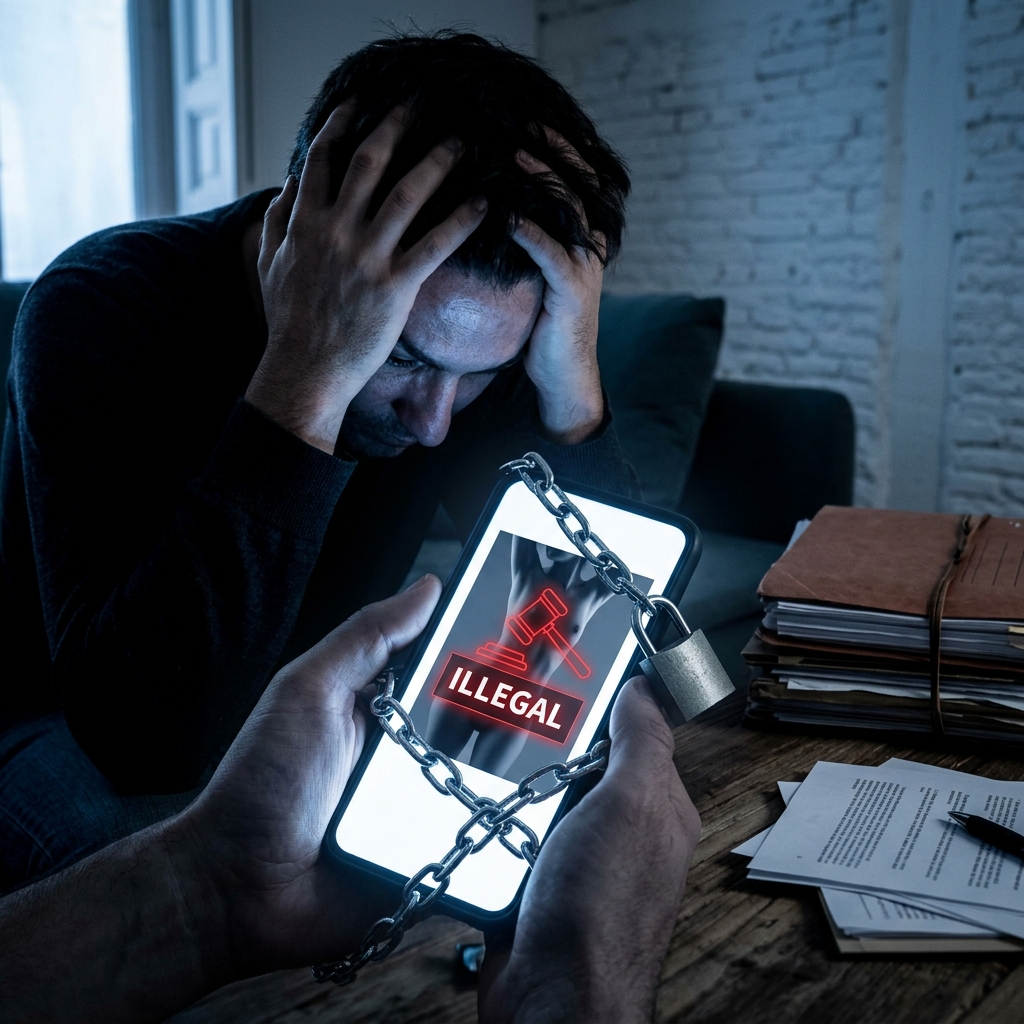
Stories of jilted lovers and angry ex-partners sending nude photos to spouses, employers, neighbors, or social media contacts surface in the news with disturbing regularity. These incidents raise an important question: when does sharing intimate images cross the line from bad behavior into criminal activity or civil liability?
This article explains the legal landscape around non-consensual sharing of nude photos, sometimes called “revenge porn”, and explores how laws on privacy, harassment, and digital communications are evolving. It uses real-world patterns as inspiration but focuses on general principles, not specific individuals.
From Personal Conflict to Legal Issue
Sending or posting nude photos out of anger or jealousy can feel like personal drama, but the law increasingly treats it as a serious violation of privacy and dignity. In many jurisdictions, sharing intimate images without consent can lead to criminal charges, civil lawsuits, or both.
Key legal concerns include:
- Violation of privacy: Disclosing someone’s private, intimate images to others without consent.
- Emotional harm: Causing embarrassment, distress, or reputational damage to the person depicted.
- Digital permanence: Once images are shared or posted, they may be copied, stored, and recirculated indefinitely.
- Power imbalance: Using intimate photos as a tool of control, coercion, or retaliation.
Is Sending Nude Photos Always a Crime?
Contrary to popular assumption, sending nude photos is not automatically illegal. The legality depends on who is depicted, who receives the images, and why they are being sent.
In many places, adults can legally share consensual nude images of themselves with other adults, though this may still have non-legal consequences (such as workplace or relationship fallout). The legal risk increases sharply when:
- The images depict minors.
- The images are shared without the depicted person’s consent.
- The sharing is part of harassment, stalking, or extortion.
Common Legal Theories Used in Nude Photo Cases
Even where no single “revenge porn” statute exists, prosecutors and civil attorneys often rely on multiple legal theories to address harmful image sharing.
1. Non-Consensual Disclosure of Intimate Images
Many U.S. states and other countries have adopted specific laws targeting the non-consensual disclosure of intimate images, often termed “revenge porn” statutes. These laws typically require proof that:
- The image shows a person who is identifiable.
- The person’s nudity or sexual activity is visible.
- The image was shared without the person’s consent.
- The sharing was done with intent to cause harm, distress, or humiliation.
Punishments may include fines, probation, or jail time, and in some jurisdictions, mandatory removal of online content where feasible.
2. Harassment and Stalking Laws
Even without a specific image-disclosure statute, sending nude photographs can fall under broader harassment or stalking laws, especially if part of a pattern of unwanted contact. Evidence such as repeated messages, threats, or contact with the victim’s family, friends, or coworkers can support these charges.
- Harassment: Persistent, unwanted behavior that causes substantial emotional distress.
- Stalking: A pattern of conduct causing fear for safety or significant emotional harm.
3. Invasion of Privacy and Civil Claims
Victims often pursue civil lawsuits seeking money damages rather than criminal penalties. Common civil claims include:
- Intrusion upon seclusion: Interfering with someone’s reasonable expectation of privacy.
- Public disclosure of private facts: Publicizing intimate information or images that would be highly offensive to a reasonable person.
- Intentional infliction of emotional distress: Extreme and outrageous conduct causing severe emotional harm.
These civil claims can lead to monetary damages, orders to remove content, and sometimes attorney’s fees, but standards and remedies vary by jurisdiction.
4. Defamation and Reputation Damage
If nude images are combined with false statements—for example, falsely claiming that images show illegal or immoral behavior—victims may sue for defamation. The core issue is publication of false statements that harm someone’s reputation.
Special Legal Risks Involving Minors
The law treats any sexual or nude imagery involving minors with particular severity. In many jurisdictions, it is illegal to possess, distribute, or produce any sexually explicit images of a person under 18, regardless of consent.
Key points include:
- Sending nude images of minors can constitute child pornography offenses.
- Adults who encourage minors to send nude selfies may face charges related to solicitation of child pornography or exploitation.
- Even other minors can be prosecuted under certain laws, although some jurisdictions are revising statutes to avoid treating teenagers as sex offenders for consensual image sharing.
Penalties for child pornography offenses are typically severe, potentially involving years of imprisonment and sex offender registration.
Intent, Context, and Jurisdiction
Whether sending nude photos leads to charges often depends not only on what was sent, but why and where. Three factors are especially important:
| Factor | Legal Significance |
|---|---|
| Intent | Sharing images to humiliate, threaten, or control someone can support criminal or civil liability. Accidental or limited sharing may be treated differently. |
| Consent | Even if the subject initially consented to taking or receiving the photo, they may not have consented to wider distribution. |
| Jurisdiction | Laws differ widely; some states and countries have specific revenge porn statutes, while others rely on general privacy or harassment laws. |
Why Some Incidents Avoid Criminal Charges
Cases occasionally arise where someone mails or messages nude photos to multiple people, yet local authorities decline to file criminal charges. Reasons may include:
- Gaps in existing law: The jurisdiction may not yet have a statute clearly covering non-consensual disclosure of intimate images.
- Proof issues: Authorities may struggle to prove identity of the sender, intent to harm, or lack of consent.
- Limited scope: The sharing may be confined to a small circle, making it harder to frame as “public” disclosure.
Even when criminal charges are not filed, victims can still explore civil remedies, seek restraining orders, or request takedowns from online platforms.
Potential Consequences for Offenders
People who share nude images without consent face a wide spectrum of potential outcomes. Some may avoid prosecution, but many encounter serious repercussions:
- Criminal penalties: Fines, probation, jail sentences, or mandatory registration on offender lists depending on the offense.
- Civil damages: Judgments ordering payment of compensatory and sometimes punitive damages.
- Professional impact: Disciplinary actions, job loss, or damage to professional licenses.
- Social consequences: Lasting stigma in personal, professional, and online communities.
Protecting Yourself If Someone Shares Your Nudes
If you discover that your intimate images are being shared without your consent, prompt action can help preserve your rights and limit further harm.
Immediate Steps
- Document everything: Take screenshots, save URLs, and preserve messages or emails showing how and where the images were shared.
- Do not retaliate: Responding with threats or sharing others’ private information can complicate legal options.
- Secure your accounts: Change passwords and enable multi-factor authentication to reduce risk of further access.
Legal and Practical Responses
- Consult an attorney: A lawyer experienced in privacy or criminal law can help evaluate possible claims and defenses.
- Report to law enforcement: Especially if the images involve minors, threats, extortion, or broad distribution.
- Request takedown: Use reporting tools on social networks and online platforms to request removal of violating content.
- Seek protective orders: In some jurisdictions, courts can issue restraining orders against individuals who continue to harass or share images.
How to Reduce Legal Risk When Sharing Intimate Images
For adults who choose to share nude or intimate images, understanding the risks can help make more informed decisions.
- Limit recipients: Share images only with people you trust and only via secure channels.
- Avoid identifying details: Consider excluding your face, tattoos, or background items that make you easily identifiable.
- Discuss expectations: Communicate boundaries about storage, sharing, and deletion of images.
- Recognize legal asymmetry: Even if you trust someone, the law may treat non-consensual distribution very seriously if the relationship deteriorates.
Digital Platforms, Policy, and Enforcement
Large technology platforms increasingly treat non-consensual intimate imagery as a violation of their community standards. Many have policies and tools that allow victims to request removal of such content.
These platforms often:
- Prohibit sharing nude images without the depicted person’s consent.
- Offer reporting forms specifically for intimate image abuse.
- Use hashing technologies to help prevent re-uploads of known harmful images.
While platform policies are not a substitute for legal remedies, they can provide rapid relief by reducing circulation of harmful images.
Comparing Legal Approaches
Different jurisdictions have adopted diverse strategies to address the growing problem of non-consensual image sharing.
| Approach | Key Features |
|---|---|
| Specific Revenge Porn Laws | Clearly target non-consensual intimate image disclosure; often require proof of intent to harm and identifiability of the subject. |
| General Privacy and Harassment Laws | Use existing statutes on privacy, harassment, or stalking to prosecute conduct when no specific image law exists. |
| Civil-Only Remedies | Some jurisdictions emphasize civil lawsuits and data protection laws over criminal sanctions. |
Frequently Asked Questions
Is it illegal to send nude photos of myself to another consenting adult?
In many jurisdictions, adults can legally send nude images of themselves to other adults who consent to receive them, although employers, schools, or organizations may have their own rules about such conduct. The main legal risk arises if those images are later shared without consent or involve minors.
What if the person originally consented to the photo being taken?
Consent to create an image does not always equal consent to distribute it. Many laws focus on whether the person depicted agreed to wider disclosure of the image, particularly if it reveals intimate details.
Can I be charged if I forward someone else’s nude images?
Yes, forwarding intimate images without consent can trigger liability, especially if done maliciously or if the images depict minors. Even if you did not take the photo, distributing it can violate privacy or child pornography laws.
What should I do if my child’s images are shared?
If intimate images of a minor are involved, it is important to contact law enforcement immediately. Child pornography and exploitation laws prioritize protection of minors and often require prompt investigation.
Do laws apply if the images were sent anonymously?
Anonymous sending can make investigation more difficult but does not necessarily prevent charges. Law enforcement may use digital forensics, platform data, and witness testimony to identify the sender.
When to Seek Professional Legal Advice
Given the complexity and rapid evolution of laws surrounding intimate images, anyone who believes they may be a victim—or fears they may have crossed a legal line—should seek advice from a qualified attorney. Legal professionals can:
- Interpret the laws of the relevant jurisdiction.
- Assess whether criminal or civil remedies are available.
- Help document evidence and communicate with platforms or authorities.
Because the stakes can include criminal records, substantial financial liability, and long-term reputational harm, early legal consultation is often critical.
References
- Intimate Image Abuse: Practical Responses — American Bar Association. 2021-06-15. https://www.americanbar.org/groups/crsj/publications/human_rights_magazine_home/technology/intimate-image-abuse/
- Cyberharassment Laws — National Conference of State Legislatures. 2023-08-30. https://www.ncsl.org/civil-and-criminal-justice/cyberbullying-and-the-states
- Nonconsensual Distribution of Intimate Images — Cyber Civil Rights Initiative. 2023-02-10. https://www.cybercivilrights.org/revenge-porn-laws/
- Child Pornography — U.S. Department of Justice, Criminal Resource Manual. 2022-04-01. https://www.justice.gov/criminal-ceos/child-pornography
- Safety Resources for Intimate Image Abuse — National Network to End Domestic Violence. 2022-11-20. https://nnedv.org/latest_update/technology-safety-intimate-image-abuse/
Similar Articles








Read full bio of medha deb


