
When Schoolyard Injuries Become Assault Cases
How a seemingly minor school fight can trigger criminal charges, school discipline, and civil liability for students and parents.
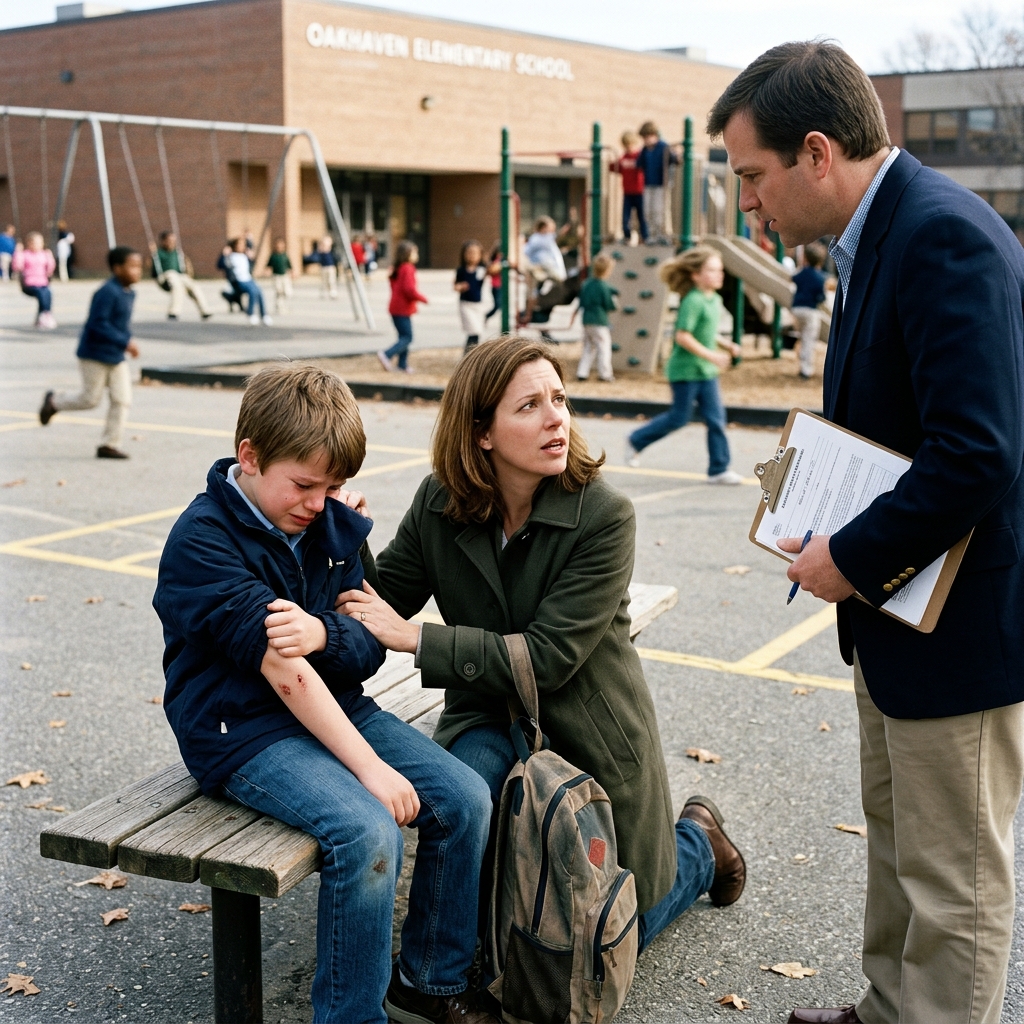
Schoolyard fights are often dismissed as “kids being kids,” but modern laws and school policies treat many of these incidents as serious misconduct and, in some cases, criminal assault. Parents, students, and educators need to understand when a playground scuffle can lead to criminal charges, school discipline, and even civil lawsuits.
From Roughhousing to Assault: Where the Legal Line Is Drawn
Whether a schoolyard injury becomes an assault case depends largely on how the law in your state defines assault and how severe the incident is perceived to be. While the details vary by jurisdiction, several core principles appear across many state laws.
Common Legal Definitions of Assault Involving Students
Most states recognize that minors can commit assault in essentially the same way adults can, even though the case is processed through the juvenile justice system. Broadly speaking, “simple” or basic assault often involves one or more of the following:
- Causing physical injury to another student (such as bruises, pain, or scratches).
- Attempting to cause injury, for example by swinging a fist or pushing someone with force.
- Threatening another student in a way that reasonably creates fear of imminent harm.
- Putting someone in fear of being hurt, even without actual physical contact.
In some jurisdictions, an assault charge may be possible even if there is no visible injury or physical contact, so long as the victim is reasonably placed in fear of immediate harm. In others, some level of bodily injury is required before criminal assault is considered.
Minor Scuffles vs. Chargeable Conduct
Not every argument or shove in the hallway turns into a criminal case, but the threshold for filing charges is lower than many families expect. Factors that can move a schoolyard incident into assault territory include:
- Injury level: Even relatively minor injuries like bruising or short-term pain can be enough in some states.
- Intent: Deliberate attempts to hurt someone, or repeated aggressive conduct, are more likely to be treated as criminal.
- Use of objects: Striking someone with an object (such as a metal water bottle) can escalate the severity of charges.
- Victim vulnerability: Assaulting younger children, disabled students, or otherwise vulnerable individuals may trigger more serious consequences.
School resource officers and local police may become involved when the incident appears serious, is part of a pattern, or when school policy mandates reporting certain types of violence.
Criminal Consequences: How Juvenile Assault Cases Are Handled
When a schoolyard injury crosses the line into criminal assault, minors typically face proceedings in juvenile court rather than adult criminal court. However, the process and the potential outcomes can still be intimidating and life-changing for families.
Juvenile Court vs. Municipal or Adult Court
The forum where a case is handled usually depends on the severity of the alleged assault and state law.
| Court Type | Typical Case Type | Possible Outcomes |
|---|---|---|
| Juvenile Court | Misdemeanor assault causing bodily injury, more serious juvenile offenses. | Deferred prosecution, probation, counseling, community service; detention is possible in more serious cases. |
| Municipal or Lower-Level Court | Minor assault by contact (no bodily injury), offensive touching. | Fines, educational programs, Teen Court or similar diversion options; detention not typically allowed for minor ticket-level cases. |
| Adult Criminal Court | Felony-level assaults or cases where state law permits juveniles to be tried as adults. | Adult-style penalties, including potential incarceration and permanent criminal records. |
Most simple assault cases involving juveniles stay within the juvenile system, and it is uncommon for a minor to be tried as an adult unless the alleged conduct is serious and felony-level.
Typical Penalties for Juvenile Assault
If a juvenile is found delinquent (the juvenile-court equivalent of being found guilty), the court can impose a range of consequences designed to be both punitive and rehabilitative.
- Probation: Court-supervised conditions, such as curfews, school attendance requirements, and behavior restrictions.
- Community service: Service hours assigned to encourage accountability to the community.
- Counseling or anger management: Programs addressing conflict resolution, aggression, or underlying mental health issues.
- Restitution: Payments to the victim for medical bills, lost wages, or other costs resulting from the assault.
- Fines or ticket penalties: Monetary penalties more common in municipal or lower-level courts for minor offenses.
- Detention: Time in a juvenile detention facility in more serious or repeat cases, typically shorter than adult imprisonment terms.
In some states, courts can also order parents to participate in counseling or family-based interventions, recognizing that support at home is critical to preventing future incidents.
School Discipline: Separate From, But Related to, Criminal Liability
School discipline is a separate track from criminal prosecution, but the two often overlap. A student involved in a school fight may face suspension or expulsion even if no criminal charges are filed, or they may be disciplined by the school while a juvenile case moves forward simultaneously.
Common School Responses to Student Assault
Schools have a legal responsibility to maintain a safe environment and to take reasonable steps to prevent and respond to violence. As a result, administrators usually act quickly when a significant fight or injury occurs.
Typical short-term school responses include:
- Immediate removal from class or school grounds following the incident.
- Temporary suspension while the school investigates and interviews witnesses.
- Referral to school resource officers or local law enforcement in serious or repeated cases.
After investigation, longer-term disciplinary measures can include:
- Formal suspension for several days, weeks, or the remainder of the term.
- Expulsion or permanent removal from the school in severe or chronic situations.
- Behavior contracts or probation within the school, requiring counseling or conflict-resolution programs.
These consequences can have lasting effects, such as a negative notation on the student’s record, difficulty enrolling in another school, and challenges gaining admission to certain colleges or programs.
School’s Duty of Care and Potential Liability
Besides disciplining students, schools themselves can be legally accountable if they fail to meet their duty to protect students from foreseeable harm. This responsibility usually includes:
- Providing adequate supervision during school hours and on school property.
- Responding reasonably to known risks, such as ongoing bullying or threats.
- Implementing and enforcing policies that address violence, bullying, and weapons.
If a school unreasonably fails to address known problems or does not provide adequate supervision, and a student is injured as a result, parents may be able to pursue a civil claim for damages.
Civil Lawsuits After Schoolyard Assaults
A schoolyard injury that results from assault can give rise to separate civil liability, meaning the victim and their family may seek financial compensation regardless of whether the aggressor is criminally convicted.
Who Can Be Sued?
Depending on the circumstances and state law, several parties may potentially be named in a civil lawsuit:
- The student aggressor: The child who committed the assault may be directly responsible for injuries.
- Parents of the aggressor: In many jurisdictions, parents can be held liable for the harmful acts (torts) of their minor children.
- The school or district: A civil claim may be possible if the school failed to supervise reasonably or ignored foreseeable risks.
Liability against schools is often more difficult to establish and may require proof that the school knew or should have known about the danger and did not act reasonably to prevent it.
What Damages Might Be Available?
Families pursuing civil claims after a schoolyard assault may seek compensation for various types of damages, such as:
- Medical expenses (current and future treatment).
- Psychological counseling for trauma or anxiety.
- Lost wages for parents who miss work to care for the injured child.
- Pain, suffering, and reduced quality of life.
- Educational impacts, such as tutoring costs or special services after the incident.
Insurance policies, including homeowners or general liability coverage, may provide a source of payment in some cases, though policy terms will control what is covered.
Key Steps for Parents When a School Fight Leads to Injury
Whether your child is accused of assault or injured by another student, parents play a crucial role in protecting their child’s legal and educational interests. Taking organized, informed steps in the hours and days after an incident makes a significant difference.
If Your Child Is Accused of Assault
Parents of an accused student should act quickly but calmly:
- Gather information: Request a description of the incident from school staff, ask for copies of incident reports, and talk to your child about what happened.
- Understand school policies: Review the student handbook and disciplinary rules, paying attention to how “assault” is defined and the range of possible penalties.
- Seek legal advice: Consult a lawyer experienced in juvenile or education law before allowing your child to make detailed statements to police or school investigators.
- Track deadlines: Note dates for disciplinary hearings, appeal windows, and court appearances.
- Support your child’s wellbeing: Address emotional stress with counseling or trusted adult support.
If Your Child Is the Injured Victim
Parents whose child has been injured in a school fight should also take structured steps:
- Seek medical care: Obtain prompt medical evaluation and keep records of diagnosis, treatment, and any ongoing limitations.
- Document the incident: Request written reports from the school, collect contact information from witnesses, and preserve any photos or videos.
- Consider police involvement: File a police report if the assault is serious or appears part of a pattern.
- Evaluate school responsibility: If you believe the school failed to supervise or ignored known risks, discuss potential civil options with an attorney.
- Monitor your child’s mental health: Watch for signs of anxiety, avoidance of school, or mood changes and seek support as needed.
Preventing Schoolyard Violence and Legal Fallout
Although some conflict among students is unavoidable, schools and parents can significantly reduce the risk of serious injuries and legal consequences by promoting safety, communication, and early intervention.
What Schools Can Do
- Implement clear anti-violence and anti-bullying policies, communicated to students and parents.
- Train staff in de-escalation techniques and recognizing early warning signs of aggression.
- Provide supervised spaces at high-risk times, such as lunch, recess, and transitions between classes.
- Offer conflict-resolution and social-emotional learning programs to teach students how to handle disputes safely.
What Parents and Students Can Do
- Discuss school behavior expectations and the real-world consequences of fighting, including possible criminal charges.
- Encourage children to report threats or bullying to adults rather than retaliating.
- Model nonviolent conflict resolution at home.
- Stay engaged with your child’s school life, watching for signs of peer conflict.
Frequently Asked Questions About Schoolyard Assault
Can my child be charged with assault even if nobody was seriously hurt?
Yes. In many states, minor injuries such as bruising or short-term pain, or even credible threats of harm without visible injury, can be enough for a juvenile assault charge.
Is a school fight always a police matter?
No. Some fights are handled solely through school discipline. However, schools often involve law enforcement when the injuries are significant, weapons are involved, or the incident appears especially serious or repeated.
Can parents be sued if their child injures another student?
In many jurisdictions, parents can be held civilly liable for the harmful acts of their minor children. Victims may pursue compensation for medical bills, pain and suffering, and other damages.
Can the school itself be held responsible for my child’s injuries?
Potentially. If a school fails to take reasonable measures to prevent foreseeable violence—such as ignoring repeated threats or failing to supervise appropriately—parents may be able to bring a claim against the school for resulting injuries.
Will a juvenile assault case stay on my child’s permanent record?
Juvenile records are often treated differently from adult criminal records, and some may be sealed or restricted. However, the consequences can still be long-term, and school disciplinary records may be considered by future schools or colleges.
References
- Juvenile Simple Assault — Nolo / CriminalDefenseLawyer.com. 2023-05-01. https://www.criminaldefenselawyer.com/crime-penalties/juvenile/simple-assault.htm
- High School Disciplinary Infractions—Assaulting a Student — Student Discipline Defense. 2022-08-15. https://www.studentdisciplinedefense.com/high-school-disciplinary-infractions-assaulting-a-student
- Violence in Schools & Legal Liability — Justia. 2021-09-10. https://www.justia.com/child-safety/school-safety/violence-in-schools/
- Common Types of School Injuries and the Legal Grounds to Sue Schools — MBK Law. 2020-03-12. https://www.mbk-law.com/practice-areas/general-negligence/common-types-of-school-injuries-and-the-legal-grounds-to-sue-sch/
- Do I Have a Civil Case for Assault/Battery Against a Child’s Parent? — Avvo. 2015-06-01. https://www.avvo.com/legal-answers/do-i-have-a-civil-case-for-assault-battery-against-5642026.html
- School Fights and Assault Charges: What Parents Need to Know — Hampton Roads Law Team. 2022-11-20. https://www.hamptonroadslawteam.com/school-fights-and-assault-charges-what-parents-need-to-know/
- Municipal vs. Juvenile Court | Juvenile Assault Charges — Lisa Herrick, YouTube. 2020-02-14. https://www.youtube.com/watch?v=cVgUV2CX4wc
Similar Articles








Read full bio of medha deb




