
Road Rage: When It Becomes A Crime, Penalties And Safety Tips
Understanding how aggressive behavior behind the wheel can turn into criminal charges and legal liability.
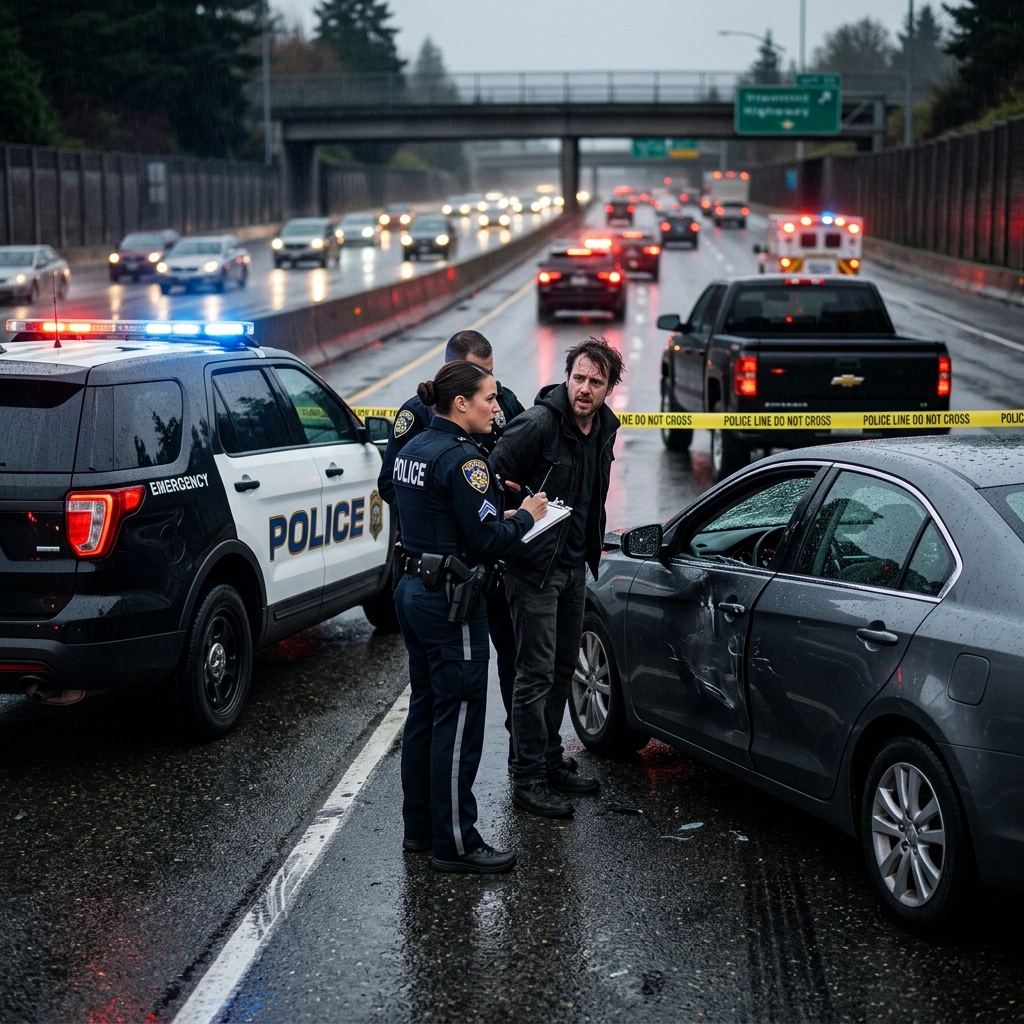
Road rage is more than simply feeling irritated in traffic. In many situations, angry and aggressive behavior behind the wheel can cross the line from a minor traffic infraction into serious criminal conduct, carrying the possibility of fines, jail time, license suspension, and civil lawsuits.
This article explains how road rage is legally understood, when it becomes a crime, what types of charges can apply, and how drivers can protect themselves both legally and physically.
What Is Road Rage? Legal and Practical Definitions
There is no single universal legal definition of road rage, but safety agencies and some laws distinguish it from ordinary aggressive driving.
Road Rage vs. Aggressive Driving
According to the U.S. National Highway Traffic Safety Administration (NHTSA), road rage involves an intentional assault by a driver or passenger with a motor vehicle or a weapon that occurs on the roadway or is triggered by an incident on the roadway. In contrast, aggressive driving refers to deliberate unsafe driving acts such as speeding, tailgating, or improper lane changes that violate traffic laws but do not necessarily involve an intent to attack another person.
In practical terms:
- Aggressive driving usually means a pattern of risky traffic violations (e.g., speeding, weaving, following too closely).
- Road rage typically involves violent or assaultive behavior — using the vehicle or another weapon to intimidate, threaten, or harm another person.
Many jurisdictions prosecute road rage under existing criminal statutes (such as assault or reckless driving) rather than under a standalone “road rage” crime.
Common Behaviors Associated with Road Rage
Road rage can take many forms. Examples commonly cited by safety agencies and legal sources include:
- Deliberately tailgating to intimidate another driver
- Swerving or cutting off another vehicle on purpose
- Using the vehicle to ram or bump another car
- Chasing another driver or forcing them off the road
- Getting out of the car to start a physical fight
- Brandishing or firing a weapon (including a gun) from a vehicle
By comparison, dangerous but less overtly hostile acts like speeding or failing to use turn signals typically fall under aggressive driving or simple traffic violations rather than road rage.
Is Road Rage a Crime?
In many places, road rage is treated as criminal behavior when the driver’s actions show a willful disregard for the safety of others or involve violence or threats.
Criminal vs. Non-Criminal Conduct
Drivers often ask whether road rage is “illegal” or just bad behavior. The answer depends on what exactly the driver did.
| Type of Conduct | Typical Legal Category | Possible Consequences |
|---|---|---|
| Speeding, rolling through stop signs, failure to signal | Traffic infraction / citation | Fines, points on license, insurance impact |
| Deliberate tailgating, blocking others from passing, repeated violations | Aggressive or reckless driving | Higher fines, possible jail, license suspension, civil liability |
| Intentionally ramming another car, threatening with a weapon, physical fight | Criminal offenses (assault, battery, weapons charges) | Misdemeanor or felony charges, jail or prison, long-term record |
Some states have specific statutes addressing aggressive driving, and a few explicitly reference road rage, but most rely on general criminal laws such as assault, reckless driving, and weapons offenses.
Examples of Laws Used to Prosecute Road Rage
Where drivers engage in road rage, prosecutors typically rely on a combination of existing laws. For instance:
- Reckless driving – driving in willful or wanton disregard for the safety of persons or property; often a serious misdemeanor or felony if it causes injury.
- Assault or battery – threatening or physically harming another person using a vehicle or other weapon.
- Weapons offenses – firing a gun from a vehicle or brandishing a weapon in a threatening manner.
- Vehicular homicide or manslaughter – causing a death through extremely dangerous driving, sometimes in a rage-induced incident.
In jurisdictions that have enacted laws specifically targeting aggressive driving, those laws may be used alongside general criminal statutes when a road rage incident involves both traffic violations and intentional violence.
How Often Does Road Rage Lead to Serious Harm?
Road rage is not rare. Surveys and traffic data suggest that a large majority of drivers have experienced or engaged in aggressive behavior on the road, and a troubling number of incidents escalate into violence.
Key Road Rage Statistics
- Approximately 82% of U.S. drivers admit to having road rage or driving aggressively at least once in the past year.
- About 66% of traffic fatalities have been linked to aggressive driving behaviors.
- Over a seven-year period, more than 12,000 injuries and over 200 murders were attributed to road-rage incidents in the United States.
- Road rage-related fatal crashes have increased significantly over the last decade, with hundreds of deaths tied to such incidents.
These figures underscore why many safety campaigns and law enforcement agencies treat road rage as a serious public safety threat rather than a minor annoyance.
Potential Criminal Charges and Penalties
When road rage crosses into the realm of crime, the severity of penalties depends on the conduct, the harm caused, and the local laws. Drivers can face charges ranging from minor misdemeanors to serious felonies.
Typical Charges for Road Rage Incidents
- Careless or reckless driving – Often used if the driver’s conduct creates a substantial risk of harm, even when no one is injured.
- Assault – May apply if the driver intentionally threatens another person with immediate harm (for example, swerving dangerously close or chasing another car).
- Battery – Used when there is physical contact or injury, such as ramming another vehicle or engaging in a fight outside the car.
- Weapons charges – For brandishing or discharging a firearm or other dangerous weapon during a driving incident.
- Vehicular manslaughter or homicide – In fatal incidents where the driver’s aggressive behavior shows gross negligence or depraved indifference to human life.
Each of these charges carries its own range of penalties, including potential jail or prison time, probation, fines, restitution, and a permanent criminal record.
Sentencing Factors
Courts consider various factors when deciding how to sentence a driver convicted in a road rage case. These may include:
- The level of intent (accidental, reckless, or deliberately malicious)
- Whether a weapon was used
- The extent of injuries or property damage
- Prior traffic violations or criminal history
- Presence of vulnerable victims (such as children or pedestrians)
In serious cases involving substantial injuries or death, sentences can reach years or even decades of incarceration.
Civil Liability: Suing Over Road Rage
Beyond criminal charges, drivers who engage in road rage can be held civilly liable for the injuries and losses they cause. Injured parties may bring lawsuits seeking compensation for medical expenses, lost income, property damage, and pain and suffering.
Negligence and Intentional Torts
In civil court, road rage can be addressed under different theories:
- Negligence – The driver failed to exercise reasonable care, causing an accident.
- Recklessness or gross negligence – The conduct shows extreme disregard for safety, which can increase damages or justify punitive damages.
- Intentional torts (e.g., assault, battery) – The driver deliberately harmed or tried to harm someone, often leading to higher potential damages.
Insurance coverage may or may not cover intentional acts; drivers who engage in extreme road rage could find themselves personally responsible for large judgments.
Preventing Road Rage: Practical Safety Tips
Because road rage incidents are often triggered by everyday frustrations, prevention focuses on both safe driving habits and managing emotions behind the wheel. Safety agencies emphasize that avoiding confrontation is usually the safest and legally wisest choice.
Defensive Driving Strategies
Government and insurance safety materials recommend several strategies to reduce the risk of conflict on the road:
- Maintain safe following distances – Leave at least a two-second gap between your car and the vehicle ahead, more in bad weather.
- Use turn signals consistently – Signal lane changes and turns early to avoid surprising other drivers.
- Avoid the passing lane when not overtaking – Keep right except to pass on multi-lane roads to reduce conflict with faster drivers.
- Let faster traffic pass – Do not block others even if you believe they are speeding; obstructing them can inflame tensions.
- Allow space for merging – When in doubt, let the other vehicle go first to prevent confrontations at on-ramps or lane drops.
Managing Emotions Behind the Wheel
Defensive driving is not just about technical skills; it also involves emotional self-control.
- Plan extra time for trips so delays are less stressful.
- Recognize early signs of anger (rising heart rate, tense grip) and consciously relax your posture.
- Avoid engaging with aggressive drivers — do not make eye contact, gesture, or respond to provocation.
- Remind yourself that minor driving mistakes by others are rarely personal attacks.
- If you feel overwhelmed, safely pull over in a public place to cool down.
What to Do If You Encounter an Aggressive Driver
If you feel threatened by another driver, safety recommendations include:
- Do not retaliate or attempt to “teach them a lesson.” That can escalate the situation.
- Increase your following distance and move to another lane when safe.
- If the driver follows or threatens you, drive to a public, well-lit area.
- Call emergency services (such as 911) if you fear for your safety and provide details about the vehicle and location.
Frequently Asked Questions About Road Rage and the Law
Is road rage always a crime?
Not every angry reaction in traffic is a crime. Raising your voice or feeling frustrated is not illegal by itself. Road rage becomes a legal issue when the behavior involves unsafe driving that violates traffic laws or escalates into threats, violence, or intentional harm.
Can I be arrested for tailgating someone?
Tailgating can be cited as a traffic violation, and in some situations it can be treated as evidence of aggressive or reckless driving. If combined with other hostile acts — for example, trying to force another driver off the road — it can contribute to criminal charges.
Is firing a gun from a car during a road rage incident a felony?
Yes. Discharging a firearm from a vehicle is treated as a serious felony offense in many jurisdictions, with penalties that can reach years or even life in prison if someone is injured or killed.
Can a victim of road rage sue the aggressive driver?
Injured parties may file civil lawsuits seeking compensation for medical costs, lost wages, property damage, and pain and suffering. Claims may be based on negligence, recklessness, or intentional harm, depending on the facts.
Does a specific “road rage” law need to exist for conduct to be criminal?
No. Even where there is no statute labeled “road rage,” existing laws on assault, reckless driving, and weapons offenses can be used to prosecute violent behavior on the road.
Key Takeaways for Drivers
Road rage sits at the intersection of psychology, safety, and law. While most jurisdictions do not have a single offense labeled “road rage,” the behaviors commonly associated with it are often punishable under serious criminal statutes. Recognizing the difference between minor irritation, aggressive driving, and criminal road rage — and choosing to de-escalate rather than confront — can protect both your safety and your legal rights.
- Understand that using your vehicle or a weapon to threaten or harm others is treated as criminal conduct, not just bad manners.
- Remember that aggressive driving contributes significantly to serious crashes and fatalities.
- Adopt defensive driving and emotional self-regulation strategies to reduce your risk of involvement in a road rage incident.
- If confronted by an aggressive driver, focus on getting to safety and contacting law enforcement rather than retaliating.
References
- Aggressive Driving and Other Laws — National Highway Traffic Safety Administration. 2023-01-01. https://www.nhtsa.gov/book/countermeasures-that-work/speeding-and-speed-management/countermeasures/unproven-further-evaluation/aggressive
- Road Rage Statistics in 2026 — The Zebra. 2026-01-15. https://www.thezebra.com/resources/research/road-rage-statistics/
- Aggressive Driving Fact Sheet — Texas Department of Insurance. 2020-06-01. https://www.tdi.texas.gov/pubs/videoresource/fsaggressive.pdf
- Michigan Road Rage Laws: Everything You Need To Know — Michigan Auto Law. 2026-04-21. https://www.michiganautolaw.com/blog/2026/04/21/road-rage/
- In Texas is Road Rage a Criminal Offense? — Texas Criminal Defense Group. 2024-03-10. https://texascriminaldefensegroup.com/is-road-rage-a-criminal-offense/
- Aggressive Driving Legislation — National Center for State Courts (Victor E. Flango). 2003-01-01. https://ncsc.contentdm.oclc.org/digital/api/collection/traffic/id/43/download
- Road Rage — Transport Safety Overview, summarized via primary legal references. 2022-05-01. https://en.wikipedia.org/wiki/Road_rage
Similar Articles








Read full bio of medha deb




