
When Parents Are Deported: What Happens to Their Children?
Understanding children’s rights, guardianship choices, and legal options when a parent faces deportation from the United States.
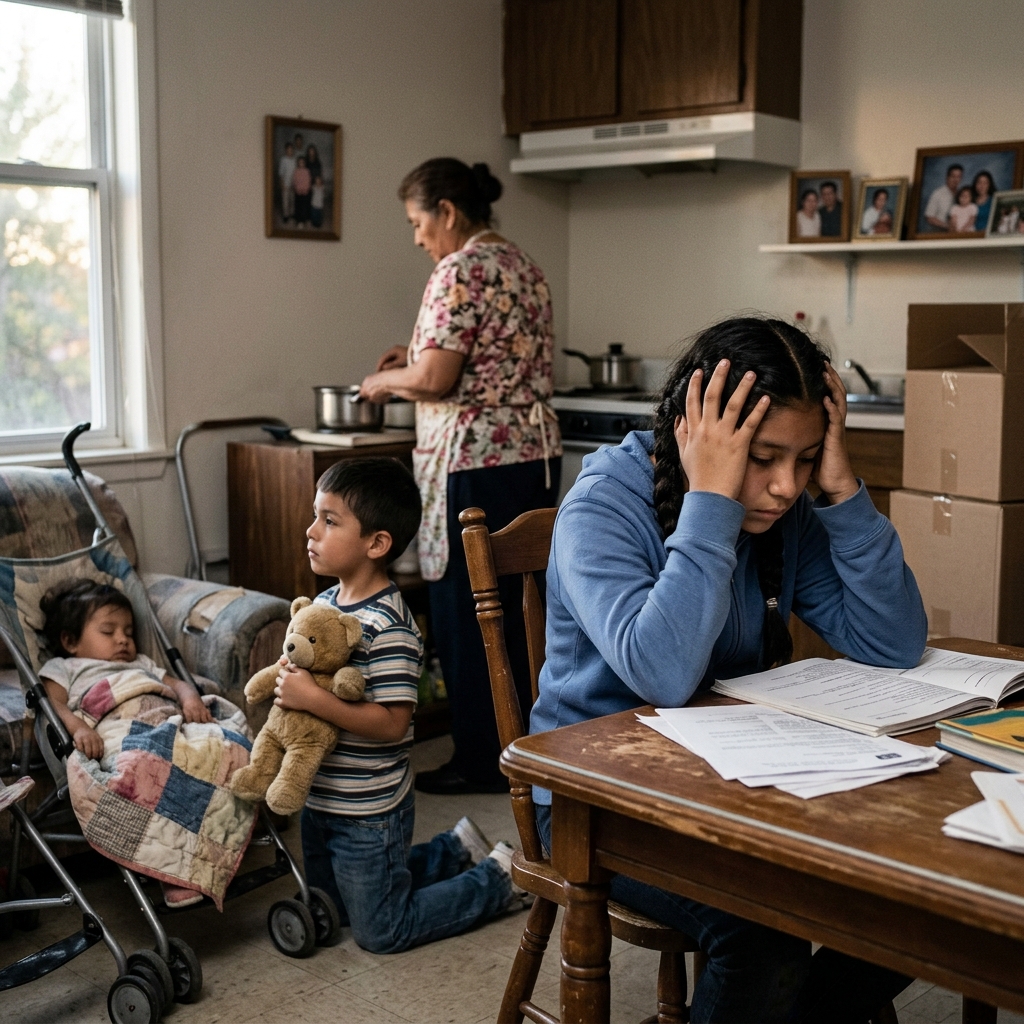
Deportation decisions focus on a parent’s immigration status, not on their children’s citizenship. Yet the practical impact falls heavily on children, who may suddenly face separation, relocation to an unfamiliar country, or involvement with the child welfare system. This guide explains how U.S. law treats children when their parents are deported, what rights those children have, and what planning steps families can take to reduce disruption and harm.
1. Citizenship and Deportation: Can Children Stay in the U.S.?
A central question for many families is whether children can remain in the United States when their parents are deported. The answer depends primarily on the child’s immigration status and place of birth.
1.1 U.S. Citizen Children
Children who are born in the United States are U.S. citizens under the Fourteenth Amendment’s birthright citizenship rule, regardless of their parents’ immigration status. Deportation of a parent does not cancel or diminish that citizenship. In legal terms, a citizen child:
- Cannot be deported simply because their parent is deported.
- Retains the right to live in the United States, attend U.S. schools, and access benefits they qualify for as citizens.
- May accompany a deported parent abroad purely as a matter of family choice, not legal obligation.
In practice, many U.S. citizen children leave the country with a deported parent because the family chooses to stay together. Others remain in the United States with another parent, a relative, or a guardian.
1.2 Non‑Citizen Children
Children who are not U.S. citizens or lawful permanent residents generally have no automatic right to remain in the U.S. when their parents are deported. Their options depend on whether they have their own immigration case or potential relief. Common scenarios include:
- Non‑citizen children are placed in immigration proceedings and may be deported with their parents.
- In some cases, children may stay temporarily with a sponsor or enter the child welfare system while their immigration case is pending.
- Children who arrive or are found without a parent may be treated as unaccompanied children and transferred to the Office of Refugee Resettlement (ORR), which must provide food, shelter, and medical care until they can be placed with a vetted sponsor.
| Child’s Status | Deportable Because Parent Is Deported? | Key Rights / Options |
|---|---|---|
| Born in the U.S. (citizen) | No | Has full right to remain in the U.S.; may stay with a guardian or leave with parent by choice. |
| Lawful permanent resident | Not automatically | Generally can remain; risk of removal only if they themselves violate immigration law. |
| Undocumented / other non‑citizen | Yes, potentially | May be placed in removal proceedings; could be detained, released to a sponsor, or removed with the parent. |
2. Parental Choices: Take the Children or Leave Them in the U.S.?
When deportation becomes likely or imminent, parents usually face a painful decision:
- Bring the children to the country of deportation, or
- Arrange for the children to remain in the United States with another trusted adult.
Immigration authorities do not make this choice for the family; they should, to the extent possible, respect the parent’s decision about where the children will live. However, that decision must also align with child welfare and safety standards under state law.
2.1 Factors Families Commonly Consider
- Safety and stability abroad: Will the child be safe in the parent’s country of origin? Is there access to schooling and medical care?
- Language and culture: Does the child speak the language? How disruptive will a new school and environment be?
- Existing support in the U.S.: Are there relatives or close family friends who can provide a stable home?
- Emotional impact of separation: Research shows that separation caused by detention and deportation is linked to anxiety, depression, and behavioral problems among citizen children.
- Legal possibilities: If the deported parent may later seek lawful return or another form of relief, keeping children in the U.S. may preserve continuity.
2.2 Role of Immigration and Child Welfare Agencies
Immigration and Customs Enforcement (ICE) policies have evolved to address situations involving children. A 2022 directive emphasizes:
- Allowing detained parents to make childcare and guardianship arrangements.
- Keeping detained parents as geographically close to their children as practicable and facilitating visitation.
- Coordinating with child welfare systems when parents cannot arrange safe care.
ICE does not take custody of citizen children; if parents cannot identify a caregiver, state child welfare agencies may step in to protect the child.
3. Legal Guardianship When Parents Are Deported
When parents decide that a child will remain in the United States, they typically need to create a formal arrangement giving another adult authority to care for the child. Guardianship rules are set by state law, but there are common patterns.
3.1 Who Can Serve as a Guardian?
Most states require a guardian to meet basic criteria. While specifics vary, courts frequently look for:
- Age 18 or older.
- U.S. citizenship or lawful immigration status (such as lawful permanent resident).
- Mental capacity to manage the child’s needs.
- No disqualifying criminal history, especially crimes involving harm or risk to a child.
Potential guardians can include:
- An adult sibling.
- A grandparent or other relative.
- A close family friend or community member who has a strong relationship with the child.
3.2 Types of Arrangements
Parents may rely on a combination of informal and formal tools:
- Informal caregiving arrangements (for example, living with an aunt) may work in the short term but can create problems for school enrollment, medical consent, and benefits.
- Power of attorney for childcare can give a trusted adult authority to make day‑to‑day decisions for a limited time.
- State court guardianship orders provide more durable authority recognized by schools, healthcare providers, and agencies.
3.3 Why Planning Ahead Matters
Experts recommend that mixed‑status families develop a written family protection plan in case of detention or deportation. Such a plan often includes:
- Copies of children’s birth certificates, passports, and immigration records stored in an accessible location.
- A list of trusted adults who could provide temporary or long‑term care, with contact information.
- Documents authorizing a caregiver to make schooling and medical decisions.
- Information on immigration attorneys, community organizations, and consulates that can assist if a crisis occurs.
4. Child Custody and the “Best Interest of the Child” Standard
Deportation of a parent does not, by itself, decide who gets custody of a child. State family courts apply the best interest of the child standard, which focuses on the child’s welfare rather than the parent’s immigration status.
4.1 How Courts Evaluate Custody After Deportation
When parents live in different countries because one has been deported, courts may need to address:
- Whether the child will reside primarily in the United States or abroad.
- Which parent (or guardian) will have legal authority over major decisions.
- How the child will maintain contact with the non‑custodial parent across borders.
In assessing the child’s best interest, courts may examine:
- Emotional ties between the child and each parent and caregiver.
- The child’s adjustment to home, school, and community.
- The ability of each potential caregiver to provide a stable, safe environment.
- Any history of abuse, neglect, or domestic violence.
- The practical challenges of long‑distance or cross‑border parenting.
A parent’s undocumented status or deportation may be one factor, but it is rarely the only one; courts must still center the child’s safety and well‑being.
4.2 Parental Rights and Immigration Enforcement
Parents, including those who are detained or deported, have constitutional rights to care, custody, and control of their children unless those rights are terminated by a court. However, immigration enforcement can make exercising those rights more difficult:
- Federal law can require state agencies to seek termination of parental rights if a child has been out of the parent’s custody for 15 of the past 22 months.
- Detained or deported parents often face barriers to attending custody hearings, participating in case plans, or showing that they can safely reunify with their children.
Because of these challenges, timely legal representation can be critical to helping parents maintain contact and comply with child welfare requirements.
5. Immigration Options That May Keep Families Together
In some cases, a parent facing deportation may be able to request legal relief that prevents removal or allows them to stay longer in the United States. One important form of relief, when children would suffer exceptional hardship, is cancellation of removal.
5.1 Cancellation of Removal for Non‑Permanent Residents
Under the Immigration and Nationality Act, certain non‑permanent residents may ask an immigration judge to cancel removal and grant lawful permanent residence if they meet strict requirements. Among other things, an applicant must generally show:
- Continuous physical presence in the United States for at least 10 years.
- Good moral character during that period.
- No disqualifying criminal convictions.
- That deportation would cause exceptional and extremely unusual hardship to a U.S. citizen or lawful permanent resident spouse, parent, or child.
Children’s circumstances—such as serious medical needs, special education services, or psychological vulnerabilities—can be central to demonstrating hardship.
5.2 Other Forms of Relief Affecting Children
Depending on the family’s situation, attorneys may explore:
- Asylum or withholding of removal if return to the home country would expose the family to persecution.
- U visas or T visas for victims of certain crimes or trafficking.
- Special Immigrant Juvenile Status (SIJS) for children who have been abused, abandoned, or neglected by a parent and cannot safely return to their home country.
These options are complex and usually require detailed factual development and legal analysis; a qualified immigration attorney is essential.
6. Emotional and Developmental Impact on Children
Even when legal arrangements are carefully planned, deportation can be a traumatic event in a child’s life. Research on citizen children with detained or deported parents has documented significant emotional and behavioral consequences.
6.1 Common Psychological Effects
Studies of children in mixed‑status families show that parental arrest, detention, and deportation can contribute to:
- Increased anxiety, fear, and worry about family separation.
- Symptoms of depression and sadness.
- Behavioral problems at home and school.
- Decreased academic performance and engagement.
- Long‑term mistrust of institutions and authorities.
The stress does not begin only when a parent is detained; many children experience chronic fear that their parents might be taken away at any time.
6.2 Strategies to Support Children
Professionals recommend that families and communities:
- Provide age‑appropriate, honest information about what is happening, avoiding sudden or unexplained disappearances.
- Maintain regular contact between children and deported parents through phone, video calls, and letters when possible.
- Connect children to counseling, school support services, or community mental health providers familiar with trauma and migration.
- Work with schools so teachers understand the family situation and can monitor changes in behavior or academic performance.
7. Practical Planning Steps for At‑Risk Families
Families who are worried about deportation can take proactive steps to protect their children and reduce chaos if an enforcement action occurs.
7.1 Documents and Information to Organize
- Children’s U.S. passports or birth certificates, stored in a secure but accessible place.
- Contact information for potential caregivers and backup caregivers.
- A list of emergency numbers, including immigration attorneys, consulates, and local community organizations.
- Medical records, insurance details, and school information.
7.2 Family Conversations and Safety Planning
Open, age‑appropriate conversations can help children know what to do if a parent is suddenly detained.
- Practice what children should do if they come home and a parent is not there.
- Identify safe adults and places children can go in an emergency.
- Explain who will pick them up from school or daycare if routines change.
7.3 Professional Help and Legal Advice
Because immigration and child welfare laws are complex, families should seek:
- Immigration counsel to identify potential relief and prepare for hearings.
- Family law advice for drafting guardianship documents and addressing custody issues.
- Social services support from community organizations that specialize in assisting immigrant families during detention and deportation.
8. Frequently Asked Questions
Q1. If I am deported, will my U.S. citizen child automatically enter foster care?
Not automatically. If you arrange for a trusted adult to care for your child and that arrangement is considered safe, child welfare agencies may not need to intervene. However, if there is no safe caregiver or authorities are concerned about neglect or risk, the child may enter the state child welfare system.
Q2. Does having a U.S. citizen child protect me from deportation?
No. Having a citizen child does not, by itself, prevent deportation. In some cases, however, your child’s status and potential hardship may be relevant to forms of relief such as cancellation of removal.
Q3. Can I choose to have my child deported with me?
You cannot “deport” a citizen child, but you may decide to take your child to your home country. Immigration authorities may help coordinate travel, and children frequently leave the U.S. with deported parents as a family decision.
Q4. What happens if my non‑citizen child is detained without me?
Non‑citizen children found without a parent or legal guardian are usually transferred to the Office of Refugee Resettlement (ORR), which must provide care and then release them to a vetted sponsor. They may also face their own immigration proceedings.
Q5. Can I still participate in custody hearings after deportation?
Legally, parents retain rights to notice and participation in custody proceedings, but deportation makes participation difficult. Remote appearances may be possible, yet travel back to the U.S. is rarely facilitated solely for family court purposes. Early legal representation is important to preserve your ability to engage in those cases.
References
- Can Children Stay in the U.S. If Their Parents Are Deported? — FindLaw. 2024-01-16. https://www.findlaw.com/immigration/deportation-removal/can-children-stay-in-the-u-s-if-their-parents-are-deported.html
- U.S. Citizen Children Impacted by Immigration Enforcement — American Immigration Council. 2021-06-24. https://www.americanimmigrationcouncil.org/fact-sheet/us-citizen-children-impacted-immigration-enforcement
- What will deportations mean for the child welfare system? — Brookings Institution. 2017-02-27. https://www.brookings.edu/articles/what-will-deportations-mean-for-the-child-welfare-system/
- Children who are U.S. citizens deported along with foreign-born mothers, attorneys say — PBS NewsHour. 2017-08-08. https://www.pbs.org/newshour/show/children-who-are-u-s-citizens-deported-along-with-foreign-born-mothers-attorneys-say
- The Distress of Citizen-Children with Detained and Deported Parents — Zayas & Bradlee, Journal of Child and Adolescent Psychiatric Nursing. 2015-11-01. https://pmc.ncbi.nlm.nih.gov/articles/PMC4667551/
- Detained or Deported: What About My Children? A guide for detained and deported immigrant parents with children in the U.S. — Women’s Refugee Commission. 2014-01-01. https://www.womensrefugeecommission.org/research-resources/detained-or-deported-parental-toolkit-english-interactive/
- Child Welfare FAQs Regarding Family Detention or Deportation — Colorado Department of Human Services (CO4Kids). 2018-05-10. https://co4kids.org/community-blog/faqs_regarding_detention_deportation/
- Unaccompanied Alien Children Released to Sponsors by State — U.S. Office of Refugee Resettlement, U.S. Department of Health & Human Services. 2024-02-15. https://acf.gov/orr/grant-funding/unaccompanied-children-released-sponsors-state
Similar Articles








Read full bio of Sneha Tete


