
When Neighbors Become Tormentors: Legal Options and Practical Steps
A practical legal and safety guide for families dealing with severe neighbor harassment, intimidation, and long-term conflict.
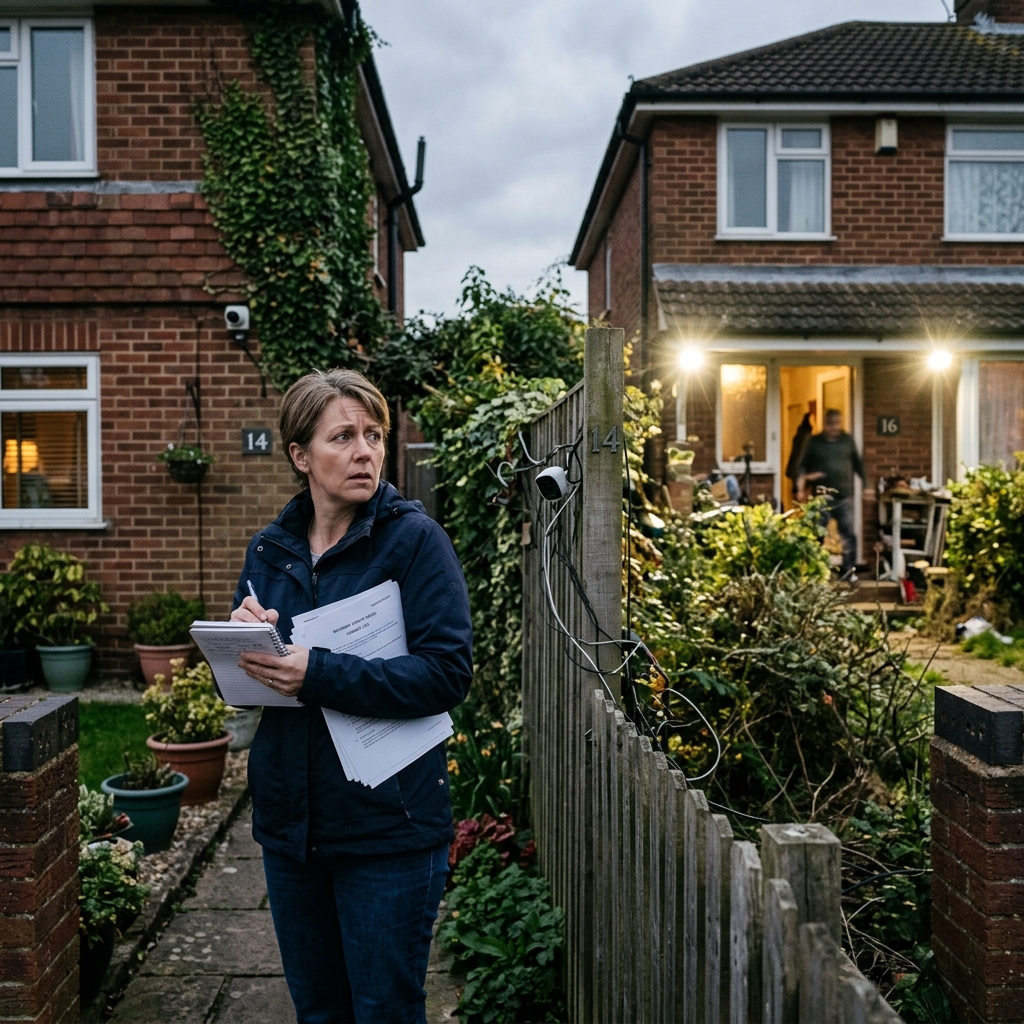
Most people imagine home as a place of refuge, not a battleground. Yet some families find themselves living next to a neighbor whose behavior crosses the line from difficult to dangerous, creating years of fear, stress, and disruption. This article explores what happens when a neighbor’s conduct evolves into harassment or terrorizing behavior, and explains the legal tools, documentation strategies, and safety steps families can use to reclaim peace and security.
Understanding Neighbor Harassment and Terrorizing Conduct
Not every unpleasant interaction qualifies as harassment. Annoying habits, occasional arguments, or isolated rude comments typically remain in the realm of ordinary conflict. Harassment and terrorizing behavior arise when a neighbor’s actions become repeated, intentional, and targeted, causing serious distress, fear, or interference with your ability to use and enjoy your property.
- Repeated behavior: Ongoing incidents rather than one-time flare-ups.
- Intentional targeting: Actions directed at a particular person or family, not random annoyance.
- Substantial impact: Interference with sleep, ability to use the home, emotional well-being, or sense of safety.
When a neighbor persistently threatens, intimidates, vandalizes property, or stalks members of a family, the situation may shift from civil harassment into potential criminal conduct such as assault, stalking, or terroristic threats, depending on how local law defines those offenses.
Common Patterns of “Neighbor from Hell” Behavior
Cases that reach courts or make headlines often involve a pattern of escalating conduct. While each situation is unique, many share similar features:
- Verbal abuse and threats: Repeated shouting, insults, slurs, or explicit threats of harm.
- Property-related aggression: Damaging fences, vehicles, landscaping, or shared structures.
- Intrusive presence: Following family members, appearing at property boundaries to intimidate, or entering the yard without permission.
- Noise as a weapon: Blasting music or machinery at all hours in a targeted way to disturb a specific neighbor.
- Harassment of children: Yelling at, filming, or stalking minors in the household, intensifying the family’s fear.
When these behaviors continue for months or years, families often experience sleep problems, chronic stress, anxiety, and disruption of daily routines. Legal remedies focus not only on stopping the conduct but also on compensating for tangible harms where possible.
Legal Definitions: Harassment vs. Ordinary Disputes
Thresholds for legal harassment vary by jurisdiction, but several core principles recur across statutes and case law.
| Aspect | Ordinary Neighbor Dispute | Harassment / Terrorizing Behavior |
|---|---|---|
| Frequency | Isolated incidents or occasional arguments | Pattern of repeated or continuous acts |
| Intent | Carelessness or mutual conflict | Deliberate attempt to frighten, harass, or punish |
| Impact | Annoyance and inconvenience | Significant emotional distress, fear, or interference with home life |
| Legal response | Mediation, HOA complaint, informal negotiation | Police reports, restraining orders, civil lawsuits, possible criminal charges |
Courts often require proof that the conduct was severe or pervasive enough to meaningfully affect the victim’s safety, privacy, or emotional well-being. Minor annoyances, even when irritating, usually do not meet this standard.
Step One: Documenting Every Incident
Strong documentation can make the difference between an unproven grievance and a successful legal action. Judges, law enforcement, and housing authorities rely heavily on written records and physical evidence.
Building a Detailed Incident Log
- Record dates and times of each incident in a journal or digital document.
- Describe exactly what happened, including any words spoken and actions taken.
- Note how the incident affected your family (lost sleep, fear, inability to use the yard, emotional distress).
- Identify any witnesses, such as neighbors, delivery drivers, or friends present at the time.
Gathering Physical and Digital Evidence
- Photos and video: Capture property damage, trespassing, or threatening conduct when safe to do so.
- Saved communications: Preserve texts, emails, letters, or notes containing threats or harassment.
- Audio recordings: Where legally permitted, recordings can corroborate verbal abuse or threats.
- Official records: Keep copies of any police reports, code enforcement notices, or HOA correspondence.
Documentation supports restraining order petitions, civil lawsuits for damages, and criminal investigations. Many legal guides emphasize that documentation often wins these cases because it transforms subjective fear into objective evidence.
Civil Remedies: Lawsuits and Claims for Damages
When harassment causes measurable harm, civil law offers several avenues for relief. Depending on the facts and local law, victims may pursue one or more of the following theories.
Intentional Infliction of Emotional Distress (IIED)
IIED is a tort designed for situations where conduct is so extreme and outrageous that it causes severe emotional suffering.
- The neighbor acted intentionally or recklessly.
- The behavior was outrageous or extreme, beyond ordinary rudeness or conflict.
- The conduct caused severe emotional distress, often documented through medical or therapy records.
In a long-running terrorizing campaign, repeated threats, stalking, and targeted intimidation may support an IIED claim if the evidence shows profound psychological harm.
Nuisance: Interference With Use and Enjoyment of Property
Nuisance claims focus on substantial interference with the ability to use and enjoy your property.
- Persistent noise at extreme levels.
- Foul odors or smoke directed at a particular property.
- Harassing conduct that keeps a family from safely using their yard or outdoor space.
Courts weigh how serious and ongoing the interference is, and whether an ordinary person in the community would find it unreasonable.
Trespass and Property Damage
If a neighbor enters your property without permission, damages structures, or tampers with vehicles, you may have grounds for trespass or property damage claims.
- Unauthorized entry into the yard, porch, or driveway.
- Cutting fences, keying cars, or destroying landscaping.
- Repeated minor damage that adds up over time.
Small claims court can be appropriate for clearly quantifiable damages, such as repair costs or replacement value of destroyed items.
Restraining Orders and Injunctions Against Neighbors
When harassment escalates, victims often seek court orders that prohibit further contact or misconduct. These orders can be powerful tools for stopping a “neighbor from hell” from continuing a pattern of terrorizing behavior.
Harassment Restraining Orders
Many jurisdictions offer specific harassment restraining orders that do not require family or household relationships. For example, Minnesota law allows Harassment Restraining Orders (HROs) when there is either a pattern of unwanted intrusive conduct or a single serious incident such as assault or threats.
- No close relationship required — the order can be used against neighbors.
- Can command the neighbor to cease harassment, have no contact, and stay away from the victim’s home.
- Often issued for up to two years, with criminal penalties for violations.
To obtain an HRO or similar order, victims typically file a petition with a sworn statement detailing the incidents and attaching supporting evidence.
Other Injunctions and Protection Orders
Some states and localities provide additional injunctions for repeat violence, stalking, or other forms of harassment. For example, Florida law allows injunctions for protection against repeated violence and stalking. Courts may also issue tailored orders requiring a neighbor to stop specific conduct, such as excessive noise or targeted trespassing.
When Criminal Law Becomes Involved
Civil remedies are only part of the picture. In serious cases, neighbor harassment may amount to criminal offenses. Families should contact law enforcement when any of the following occur:
- Explicit threats of physical violence or harm.
- Physical assault or attempted assault.
- Stalking, following, or repeated unwanted approaches that cause fear.
- Property destruction, vandalism, or burglary.
- Harassment or violence motivated by race, religion, disability, or other protected characteristics.
Police reports help in several ways: they may lead to criminal charges, they create a formal record supporting restraining orders, and they demonstrate to courts that the behavior was serious enough to warrant law enforcement involvement.
Working With Landlords, HOAs, and Local Authorities
Victims who rent or live in community associations have additional tools at their disposal.
Landlords and Property Managers
Renters can often involve their landlord or property manager when a neighboring tenant harasses them. If the landlord fails to address serious misconduct, tenants may have legal claims against the landlord for failing to provide safe housing or enforce lease terms.
Homeowners’ Associations (HOAs)
HOAs frequently maintain rules regarding noise, property upkeep, and respectful conduct. Violations may result in fines, enforcement actions, or even litigation by the association.
- Submit written complaints with documentation to the HOA board.
- Request enforcement of noise limits, nuisance provisions, or harassment policies.
- Consult an attorney experienced in HOA disputes for complex or ongoing cases.
Protecting Vulnerable Family Members
Harassment that targets children, elders, or people with disabilities requires special care. Advocacy organizations emphasize a stepwise approach: attempt safe communication, gather documentation, write formal letters, and then involve authorities if necessary.
- Ensure children understand safe boundaries and know to report any contact to parents immediately.
- Consider counseling or support services for family members experiencing anxiety or trauma.
- For harassment tied to disability or other protected status, contact local human rights or civil rights agencies.
Practical Safety and De-Escalation Tips
While legal action is important, day-to-day safety practices can reduce risk and tension.
- Avoid direct confrontation during heated moments; contact police if you feel unsafe.
- Enhance home security with lighting, cameras, and secure locks.
- Use written communication for necessary contact, keeping copies for your records.
- Involve neutral mediators where appropriate, such as community mediation services, especially in early stages.
Frequently Asked Questions (FAQs)
Can I sue my neighbor for harassment?
Yes, in many cases you can pursue civil claims if the harassment is repeated, intentional, and causes significant distress or harm. Legal claims may include nuisance, trespass, property damage, or intentional infliction of emotional distress, depending on the facts and state law.
Do I need a relationship with my neighbor to get a restraining order?
Many jurisdictions provide harassment restraining orders that do not require a family or household relationship. For example, Minnesota’s Harassment Restraining Order can be issued against neighbors based on a pattern of intrusive conduct or a serious incident like assault or threats.
What evidence should I collect to support my case?
Maintain a detailed incident log, gather photos or video of property damage or harassment, save written communications, and obtain copies of police reports or HOA complaints. Witness statements from other neighbors can also be valuable.
Is calling the police always necessary?
Contact police immediately when threats, violence, trespassing, or property damage occur. For ongoing harassment without immediate danger, filing reports creates useful documentation for restraining orders and civil actions.
What if the harassment is tied to my race, religion, or disability?
Harassment based on protected characteristics may violate anti-discrimination and human rights laws. Agencies such as city human rights commissions can investigate and enforce these protections, in addition to the civil and criminal remedies available through courts.
References
- Can I Sue My Neighbor for Harassment? — Ilabaca Law. 2024-01-10. https://ilabacalaw.com/blog/real-estate/can-i-sue-my-neighbor-for-harassment/
- Restraining Order Against a Neighbor in Minnesota (HRO) — Leverson Budke, PLLC. 2023-07-12. https://www.leversonbudke.com/civil-harassment-restraining-order-against-neighbor
- Can You Sue a Neighbor for Mental or Verbal Harassment? — Super Lawyers. 2023-09-05. https://www.superlawyers.com/resources/real-estate/real-estate-disputes/can-you-sue-a-neighbor-for-mental-or-verbal-harassment/
- Neighbor Harassment: A Guide to Handling Disputes — FirstService Residential. 2022-11-18. https://www.fsresidential.com/corporate/news-and-articles/articles/neighbor-harassment/
- Neighbor Disputes or Harassment Issues (Fact Sheet) — Disability Rights Wisconsin. 2024-04-01. https://disabilityrightswi.org/wp-content/uploads/2024/04/VOCA-Neighbor-Issues-Factsheet-rev-4-2024-acc.pdf
- Harassment: 5 Things You Should Know About Your Rights — NYC Commission on Human Rights. 2019-06-01. https://www.nyc.gov/assets/cchr/downloads/pdf/materials/DiscriminationHarassment_5ThingsToKnow-Eng.pdf
Similar Articles








Read full bio of Sneha Tete


