
When Landlords Are Liable for Tenant Injuries
Understand when a landlord can be held legally responsible for accidents, what tenants must prove, and how insurance and negligence rules apply.
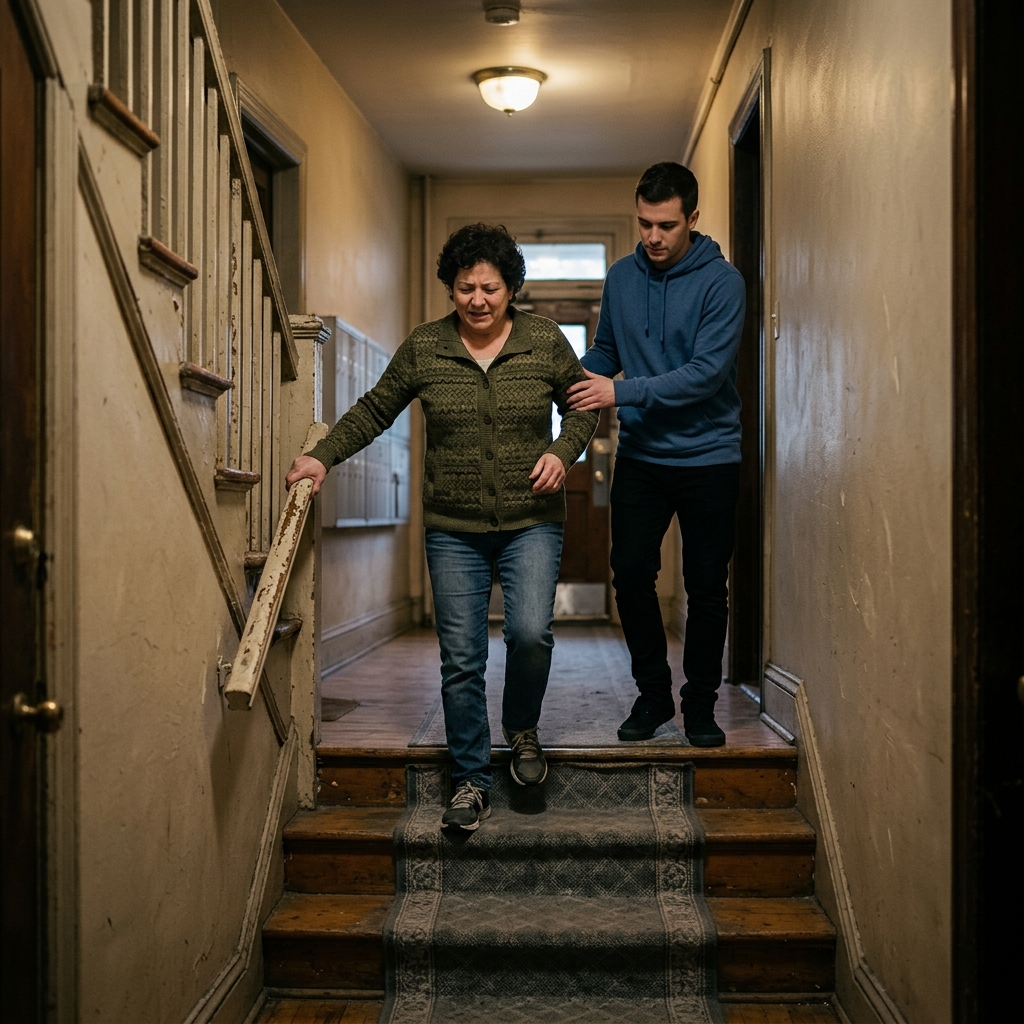
Landlords are not automatically responsible every time someone gets hurt on rental property. In most cases, a landlord is only liable when the injury stems from a dangerous condition that the landlord should have reasonably prevented through proper maintenance, repairs, or safety measures. Understanding where that line is drawn helps both tenants and property owners protect their rights and reduce risk.
This guide explains when a landlord can be held liable, what an injured tenant must prove, how safety and habitability laws affect these claims, and what role insurance plays in covering losses.
Core Legal Idea: Negligence on Rental Property
Most landlord injury cases are based on the legal concept of negligence. Negligence means the landlord failed to act with reasonable care, and that failure caused someone’s injury.
Under this framework, a landlord can typically be held liable when:
- The landlord owed a duty to keep part of the property reasonably safe.
- The landlord breached that duty by failing to fix or warn about a hazard.
- The hazard was the proximate cause of the injury (the kind of harm a reasonable person could foresee).
- The tenant (or guest) suffered actual damages like medical bills, lost wages, or pain and suffering.
Courts focus heavily on what was foreseeable. If a typical person could predict that failing to repair a broken step might cause a fall, then a resulting injury often points toward landlord liability.
Key Factors Courts Use to Decide Landlord Liability
Not every accident on a rental property will be blamed on the landlord. Judges and juries usually examine several recurring questions to decide who should bear responsibility.
| Factor | How It Affects Landlord Liability |
|---|---|
| Control over the area | Landlords are more likely liable for hazards in areas they control and must maintain (like roofs, hallways, or common stairs). |
| Knowledge of the danger | Liability increases if the landlord knew or reasonably should have known about the unsafe condition and failed to act. |
| Ease and cost of repair | If a hazard could have been fixed or properly warned about with modest effort or cost, courts are more likely to find negligence. |
| Foreseeability of injury | When serious injury is a predictable outcome of leaving a hazard unaddressed, landlords face higher risk of liability. |
| Tenant’s own conduct | In some cases, a tenant’s misuse of property or failure to report hazards can reduce or eliminate the landlord’s responsibility. |
Typical Situations Where Landlords May Be Liable
Although every case turns on specific facts, certain patterns appear frequently in landlord injury lawsuits.
1. Neglected Repairs and Poor Maintenance
One of the most common sources of landlord liability is simple failure to keep the premises in reasonably safe repair.
Examples of issues that can lead to claims include:
- Broken or unstable stairs, handrails, or balconies.
- Loose flooring, torn carpeting, or uneven walkways that cause trips and falls.
- Leaking roofs or plumbing that create slippery surfaces or mold hazards.
- Faulty lighting in hallways or parking lots that hides obstacles.
In these cases, tenants often argue that:
- The landlord was responsible for maintaining that part of the property.
- The problem existed long enough that a diligent owner would have noticed.
- Reasonable repairs or warning signs would have prevented the accident.
2. Violations of Building Codes or Safety Laws
Landlords typically must follow state and local health, safety, and building regulations. When they ignore these rules, courts may treat the violation as strong evidence of negligence.
Examples of violations that can play a role in injury claims include:
- Missing or nonworking smoke alarms where required by law.
- Blocked or inadequate emergency exits.
- Exposed wiring or other electrical hazards.
- Failure to keep rental units in habitable condition as required by state law.
Many states recognize an implied warranty of habitability, which means landlords must maintain basic health and safety conditions as a matter of law. When an injury stems from substandard living conditions—such as unsafe heat, severe leaks, or structural defects—tenants may argue that the landlord violated this warranty and is therefore responsible.
3. Dangerous Common Areas
Landlords almost always retain legal control over shared spaces like entryways, lobbies, elevators, stairwells, parking lots, and laundry rooms. Because tenants cannot repair these areas themselves, courts frequently hold landlords to a higher standard of care there.
Common-area hazards that may lead to landlord liability include:
- Ice or snow that is not cleared within a reasonable time, causing slip-and-fall accidents.
- Poor lighting in hallways or parking lots that hides obstacles or invites crime.
- Broken locks on building entrances or shared doors.
- Damaged steps or walkways used by multiple tenants and visitors.
4. Known Criminal Activity and Inadequate Security
In limited circumstances, landlords may be liable for injuries caused by criminal acts on the property. Liability is more likely when the landlord had notice of prior crimes or clear security risks and failed to take reasonable precautions.
This type of claim may arise when:
- There have been prior assaults, robberies, or break-ins at or near the property.
- The landlord knew about these incidents but did not improve lighting, repair locks, or consider other reasonable measures.
- An attack occurs that is similar to those earlier incidents, suggesting it was foreseeable.
These cases are highly fact-specific, and courts are often cautious about imposing liability for third-party criminal acts. Still, where warnings are ignored, claims may be viable.
When Landlords Are Usually Not Liable
There are many situations in which a landlord will not be held responsible for a tenant’s injuries, even if they occur on the property.
1. Tenant’s Own Negligence or Misuse
If the injury was mainly caused by the tenant’s careless behavior, courts may reduce or eliminate the landlord’s liability. Examples include:
- Ignoring clearly posted warnings.
- Misusing equipment or appliances.
- Creating hazards through clutter, spills, or unsafe DIY repairs.
Many states apply comparative negligence rules, which allow damages to be reduced in proportion to the tenant’s share of fault. In a few jurisdictions with older contributory negligence rules, a tenant who is even slightly at fault may be barred from recovery entirely.
2. Hazards in Areas the Landlord Does Not Control
Landlords are generally responsible only for portions of the premises they control. If another party—such as a municipality, a commercial tenant, or a contractor—is responsible for maintenance in a particular area, that party may be liable instead.
3. Unreported or Newly Arising Dangers
To hold a landlord liable, a tenant typically must show that the landlord had actual or constructive notice of the hazard.
Landlords are less likely to be liable when:
- A dangerous condition appears suddenly and there is no reasonable chance to fix or warn about it.
- Tenants never inform the landlord of defects that would not be obvious during normal inspections.
That is why most leases require tenants to promptly report maintenance issues, and why landlords are advised to respond quickly and document repairs.
What Injured Tenants Must Prove
To succeed in a claim against a landlord, an injured tenant (or guest) usually must establish several elements.
- Duty: The landlord was responsible for maintaining the area where the injury occurred.
- Breach: The landlord failed to use reasonable care in maintaining that area, repairing hazards, or providing warnings.
- Causation: The unsafe condition directly led to the accident and resulting injuries, and the type of harm was reasonably foreseeable.
- Damages: The tenant suffered real, compensable losses such as medical costs, lost income, or pain and suffering.
Evidence often used to support these elements includes:
- Photos or video of the hazardous condition.
- Maintenance logs or work orders.
- Prior complaints by tenants or citations from local code enforcement.
- Medical records and bills showing the extent of the injuries.
- Witness statements from neighbors, visitors, or building staff.
The Role of Habitability and Housing Codes
Many states require landlords to maintain rentals in a condition that is fit to live in, often called the implied warranty of habitability. This typically includes safe structure, adequate heat, running water, and compliance with basic health and safety codes.
When an injury results from conditions that make a unit uninhabitable—such as lack of heat in extreme weather, serious leaks, or structurally unsound features—tenants may bring a claim arguing that the landlord violated these legal duties.
In some jurisdictions, proof that a landlord violated a housing or safety code can simplify the tenant’s case by treating the violation as strong evidence of negligence.
Landlord Insurance and Injury Claims
Most landlords carry liability insurance as part of their property or landlord policy. These policies often cover bodily injury claims arising from negligent maintenance or unsafe conditions, up to policy limits.
Key points about insurance in these cases include:
- Injured tenants may bring a claim directly against the landlord’s liability insurer, depending on state law and policy terms.
- The insurer typically investigates, negotiates settlements, and provides a defense if the landlord is sued.
- Policies usually do not cover intentional acts or purely contractual disputes; they focus on negligence and accidental injuries.
- Tenants may have separate claims under their own health insurance or renters’ insurance for medical costs or damaged property.
Because insurance coverage language can be technical, both landlords and tenants often benefit from reviewing policy documents or consulting an attorney when significant injuries occur.
Practical Steps for Injured Tenants
Tenants who are hurt on rental property should focus first on health and safety, then on preserving their legal rights.
Immediate Actions
- Seek medical care right away, especially for serious injuries.
- Report the accident to the landlord or property manager as soon as reasonably possible.
- Ask that any dangerous condition be addressed promptly to protect others.
Documenting the Incident
- Take photos or video of the hazard and surrounding area before it is repaired or altered.
- Write down your recollection of events, including date, time, weather conditions, and who was present.
- Collect names and contact details of any witnesses.
- Keep copies of medical bills, prescriptions, and proof of lost wages.
After gathering this information, many tenants consult a personal injury or landlord–tenant attorney to evaluate whether the facts support a claim.
Common Questions About Landlord Liability
Do landlords always pay when someone gets hurt on the property?
No. Landlords are usually only liable when their own negligence contributed to the injury—for example, by failing to fix a known hazard or violating safety laws. If an accident has nothing to do with property conditions, or the tenant’s own conduct was the sole cause, the landlord may not be responsible.
Can a landlord avoid liability through lease language?
Some leases include clauses limiting the landlord’s responsibility for injuries. However, these provisions cannot generally override basic legal duties to maintain safe, habitable housing or to comply with health and safety codes. Courts may decline to enforce clauses that attempt to waive liability for negligence in residential settings, depending on local law.
Is a landlord liable for injuries to visitors or guests?
Often yes, under similar principles. If a guest is hurt due to a dangerous condition the landlord negligently failed to address, the guest may bring a claim, just as a tenant could. Liability usually turns on the same questions of control, notice, and foreseeability.
What if the tenant never reported the dangerous condition?
Lack of notice can make claims more difficult, but it is not always fatal. Tenants must generally show that the landlord either knew about the problem or reasonably should have known through ordinary inspections. Long-standing, obvious hazards may support an argument that the landlord had constructive notice even without a formal complaint.
Can a tenant be partly at fault and still recover?
In many states, yes. Under comparative negligence rules, a tenant who shares some responsibility may have damages reduced in proportion to their fault but still recover for the landlord’s share of negligence. The exact impact depends on the state’s specific comparative fault system.
References
- When a Landlord Can Be Held Liable for Tenant Injuries — Nolo / AllLaw. 2023-05-01. https://www.alllaw.com/articles/nolo/personal-injury/landlord-liable-tenant-injuries.html
- Injuries to Tenants on Rental Property & Related Legal Claims — Justia. 2022-08-15. https://www.justia.com/real-estate/landlord-tenant/information-for-tenants/injuries-on-the-premises/
- Tenant Injuries: Landlord Liability and Insurance FAQ — Nolo. 2021-11-10. https://www.nolo.com/landlord-tenant/tenant-injuries-landlord-liability-insurance-faq.html
- Tenant Injuries: Landlord Liability and Insurance FAQ — Indiana State Medical Association / AnthemEAP. 2020-06-30. https://www.anthemeap.com/isma/find-legal-support/resources/landlords-and-property-management/legal-assist/tenant-injuries-landlord-liability-and-insurance-faq
- When Is a Landlord Responsible for Injuries Inside a Rented Home or Business? — Vlasac & Shmaruk, LLC. 2019-09-12. https://fightingforpeople.com/when-is-a-landlord-responsible-for-injuries-inside-a-rented-home-or-business/
Similar Articles








Read full bio of Sneha Tete


