A child’s lemonade stand is often seen as an innocent symbol of summer and early entrepreneurship. Yet in many parts of the United States, that same cheerful card table and pitcher of lemonade can technically violate local laws, health codes, and permit requirements. In rare cases, it can even spark heated conflict between neighbors who disagree about rules, safety, or simple courtesy.
This article uses the familiar scenario of a kid’s “illegal” lemonade stand as a lens to explain why such stands sometimes run afoul of the law, how complaints from neighbors can escalate, and what parents can do to encourage their child’s business dreams without inviting fines, shutdowns, or ongoing neighborhood battles.
Why a Simple Lemonade Stand Can Be Technically Illegal
Most people assume that children selling cups of lemonade on a summer afternoon are “too small” to be regulated. In reality, laws usually focus on the activity rather than the age of the person doing it. If an adult would need a permit or license to sell food or drinks, a child often does too.
Common Legal Triggers for Kid-Run Stands
A child’s lemonade stand may become technically illegal when it meets one or more conditions that fall under state or local rules for businesses, vendors, or food establishments.
- Operating as a business open to the public: Many states require a permit or license for anyone selling food or drinks to the general public, even on private property.
- Violating health codes: Laws that govern food safety can apply to lemonade stands, especially those offering homemade drinks or perishable items.
- Breaking zoning or street-vending rules: Local ordinances may restrict selling on sidewalks, street corners, parks, or public parking lots without a vendor or peddler permit.
- Ignoring child labor or business regulations: In some states, child-run ventures must comply with child labor rules or “youth entrepreneurship” provisions, unless specifically exempted.
Because these rules vary widely, a lemonade stand that is perfectly lawful in one city or state may be prohibited—or at least technically noncompliant—in another.
State Laws and the Patchwork of Lemonade Stand Rules
Children’s lemonade stands are reportedly prohibited or heavily restricted in dozens of states under existing health, business, and permit laws. At the same time, some legislatures have begun passing specific “lemonade stand” or youth business laws to carve out exceptions.
| Location | Approach | Key Features |
|---|---|---|
| Texas | Specific exemption | Children can sell non-alcoholic beverages, including lemonade, on private property without a permit. |
| Colorado | Youth business legalization | State law allows minors to operate occasional small businesses without a license if sufficiently distant from fee-paying vendors. |
| Various states | General business/health law | Lemonade stands are treated as small food businesses subject to permits, health codes, or vendor rules. |
Even where state law appears friendly to kid-run stands, city or county rules can still apply—for instance, requiring vendor permits for sales on public sidewalks or near parks.
From Cute to Controversial: How Neighbor Complaints Begin
A neighborhood dispute often erupts not because of the lemonade itself, but because someone feels inconvenienced, unsafe, or disrespected. The complainant may be a neighbor bothered by noise, traffic, or clutter, or a resident who is simply strict about rules and fairness.
Typical Reasons Neighbors Object
While every situation is unique, certain frustrations surface repeatedly when adults call authorities about a child’s stand.
- Increased foot or car traffic: A popular stand may attract visitors and parked cars, raising concerns about congestion or blocked driveways.
- Noise and disruption: Enthusiastic kids calling out to passersby, playing music, or socializing can be perceived as disruptive in quiet residential areas.
- Use of public space: Stands set up on sidewalks, corners near parks, or public parking lots may be viewed as encroaching on public rights-of-way.
- Fairness to local businesses: Nearby shops or vendors who must pay for licenses and inspections may object to unlicensed competition.
- Perceived safety or sanitation issues: Some neighbors worry about food safety, litter, or children standing too close to traffic.
When those concerns are expressed politely, they may lead to small adjustments—moving the table, limiting hours, or cleaning up more thoroughly. When communication breaks down, the neighbor may turn directly to city officials or police.
When a Complaint Becomes an Official Enforcement Action
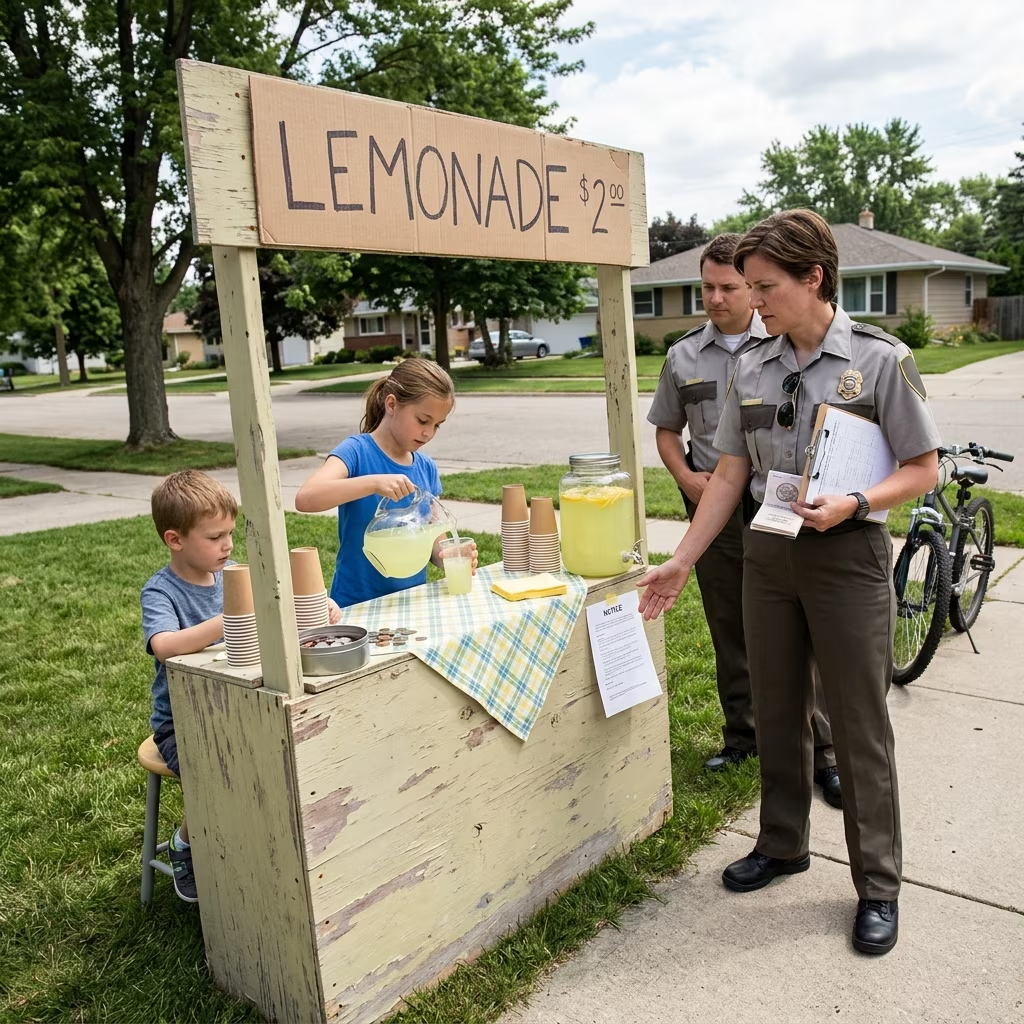
Many enforcement actions start with a phone call from a resident. Officials typically have limited discretion: if the stand is clearly violating a permit rule, health code, or zoning ordinance, they may be obligated to respond.
Depending on local policy and the attitude of the responding officer, outcomes can range from a friendly warning to formal citations.
- Informal warning: An officer or inspector explains the rules and asks the family to shut down or modify the stand.
- Order to close: Officials may issue a notice requiring the stand to stop operating immediately until permits are obtained.
- Fines or tickets: Violations can lead to monetary penalties for operating without a license, ignoring health codes, or selling in prohibited areas.
- Rare extreme measures: Some local laws carry potential jail time for repeated violations or noncompliance with vendor rules, though such outcomes are highly unusual for children’s stands.
This enforcement process can feel shocking and unfair to families who saw their child’s venture as harmless fun. But from the perspective of regulators, the same rules apply to all food vendors, regardless of age.
The Legal Landscape: Permits, Health Codes, and Taxes
Parents who want to avoid conflict—and help their kids learn about responsible entrepreneurship—benefit from understanding the basic legal categories that affect kid-run stands: permits and licenses, health and safety rules, and, at higher profit levels, taxes.
Permits and Business Licenses
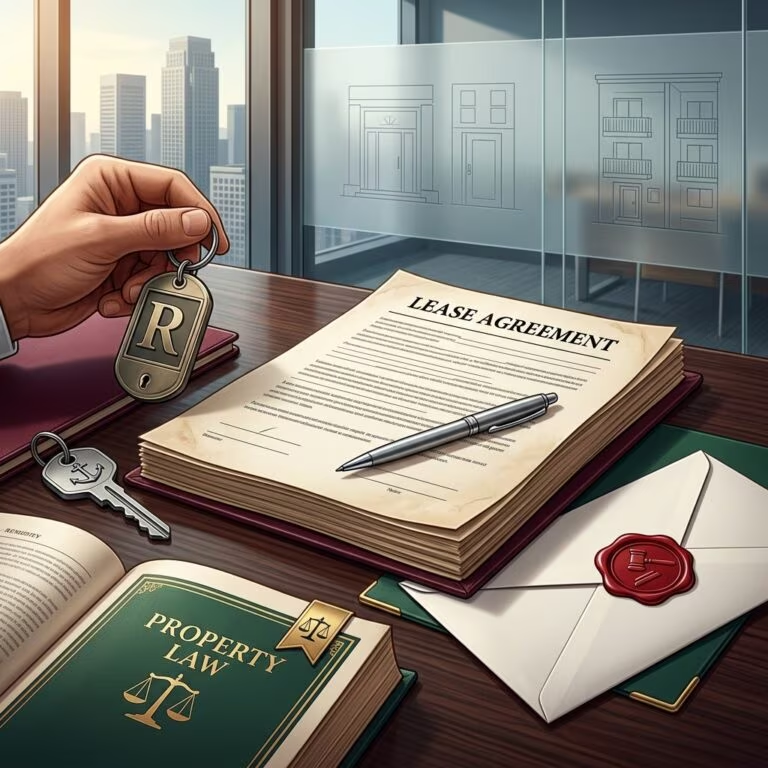
In many jurisdictions, a stand serving the general public is treated as a small business that needs official permission to operate.
- Vendor or peddler permits: Required in some cities for anyone selling goods or food on streets, sidewalks, or public property.
- Temporary food-vending permits: Needed where local rules treat lemonade stands like other food carts or booths near parks and public spaces.
- General business licenses: Some areas require a basic license for any commercial operation, regardless of size or age of the owner.
The cost and complexity of these permits can vary from a simple form and small fee to a more involved process with documentation and insurance requirements. Many parents decide it is not worth pursuing for a short-lived stand.
Health and Safety Regulations
Health departments focus on preventing foodborne illness and unsafe practices. Even stands selling non-potentially hazardous beverages, like cold lemonade, may be subject to general food safety rules, though some counties exempt low-risk drink-only stands from permits.
Key safety concerns include:
- Clean preparation surfaces and utensils
- Safe water sources and sanitary storage of ice
- Protection from insects, dust, and direct handling of drink contents
- Proper trash disposal and avoidance of spills that create hazards
Cities also consider physical safety: tents, canopies, or structures above certain size thresholds may require fire or building permits, and stands should not block access for pedestrians or emergency vehicles.
Tax Considerations for Successful Young Entrepreneurs
For most children, lemonade stand earnings are modest. But tax authorities view income from self-employment as taxable once it exceeds certain thresholds. Parents should be aware that:
- Profits may need to be reported, either on the child’s return or as part of the parent’s return, depending on the amount and structure of the activity.
- Labeling proceeds as “charitable contributions to the child” generally does not prevent them from being treated as income.
While tax enforcement against small, sporadic lemonade stands is uncommon, understanding the rules helps families make informed decisions as their child’s venture grows.
A Realistic Risk Assessment: How Worried Should Parents Be?
The idea that a parent could be jailed for allowing a lemonade stand is alarming, but in practice, such outcomes are rare. Still, families should not assume that “nothing can happen.” Legal risk varies by location and circumstances.
What Enforcement Usually Looks Like
In many communities, authorities use common sense and discretion. When a minor technical violation is discovered, officials often educate rather than punish.
- Low likelihood of arrest: Legal analysis suggests that arrests related to permit issues at kids’ stands are highly unlikely in most states.
- Higher likelihood of shutdown: If stands violate clear rules—especially after a complaint—authorities may ask the family to stop operating or move the stand.
- Possible fines: Noncompliance with vendor or food-vending laws can carry financial penalties, sometimes substantial, even if rarely imposed on families.
The practical risk often comes down to how visible the stand is, whether it operates repeatedly or on a large scale, and whether any neighbor decides to insist on strict enforcement.
Public Backlash and Policy Changes
When kid-run stands are shut down or fined, stories frequently draw media attention and public criticism. Lawmakers in several states have responded by introducing or passing bills that legalize lemonade stands and other youth businesses, at least on an occasional basis.
Even private companies have stepped in: one national drink brand created a “Legal-Ade” fund to reimburse children up to a set amount for fines or permit fees related to lemonade stands, highlighting how contentious and visible the issue has become.
Preventing Neighborhood Battles Over Lemonade
Legal compliance is only part of the story. The other part is maintaining good relationships with neighbors who may have legitimate concerns. Parents can take proactive steps to reduce friction and show respect for others while supporting their child’s venture.
Practical Steps for Parents
Before setting up the stand, parents can treat the project like a small civic lesson as well as a business exercise.
- Research local rules: Check city, county, and state websites for information on vendor permits, street-vending rules, and temporary food establishments.
- Choose a compliant location: Whenever possible, operate on your own property rather than on public sidewalks or streets, unless permits are obtained.
- Limit scale and hours: Keep the stand modest in size and run it at reasonable times to reduce noise and traffic concerns.
- Focus on safety and cleanliness: Ensure clean preparation, secure placement away from traffic, and proper trash disposal to address health and safety worries.
- Communicate with neighbors: Let nearby residents know when the stand will be operating and invite their feedback if they have concerns.
Responding Calmly to Complaints
If a neighbor is upset, a constructive conversation can prevent escalation.
- Listen carefully and acknowledge the impact, even if you disagree.
- Offer reasonable adjustments, such as shifting the table, changing hours, or managing traffic better.
- Explain safety measures you are taking to reassure them.
- Seek compromise rather than winning the argument—especially in long-term living situations.
If officials become involved, stay respectful and open to solutions. Often, small changes or temporarily pausing the stand can resolve the issue while you assess what is needed to operate within the rules.
Teaching Kids About Law, Responsibility, and Community
The legal complexity surrounding lemonade stands can actually be turned into a valuable learning experience. Rather than focusing only on profit, parents can use the situation to teach children about civic responsibility and cooperation.
- Rules and fairness: Explain that businesses, even very small ones, must follow rules designed to keep people safe and treat vendors fairly.
- Respect for neighbors: Discuss how considerate behavior and compromise help keep the neighborhood peaceful.
- Handling setbacks: If the stand must close or change, frame it as a real-world lesson in adapting to regulations and community feedback.
- Advocacy and change: Older children might learn that unjust or outdated rules can be challenged through public debate and lawmaking, as shown by states that later changed their laws.
In this way, even a tense episode over a lemonade stand can help children understand both the benefits and limits of individual initiative in a shared community.
FAQs About Kids’ Lemonade Stands and the Law
Do kids really need permits for lemonade stands?
In many states, yes—if the stand is open to the public, it may fall under permit or license requirements similar to those for adult-run food vendors. However, some states have passed specific laws exempting occasional youth-run stands from permits.
Can a neighbor get my child’s stand shut down?
A neighbor cannot directly shut down the stand, but they can call city or county authorities. If the stand violates local rules, officials may order it to close or ask you to obtain permits.
Is my child at risk of arrest or criminal charges?
Arrests for lemonade stand permit violations are extremely uncommon. Legal guidance indicates that while fines or shutdowns are possible, criminal prosecution in this context is unlikely in most jurisdictions.
What if the stand is only on my private property?
Operating on private property reduces the likelihood of violating street-vending or public-space rules, but permit requirements can still apply to businesses serving the public, depending on state and local law.
Do we need to report income from the lemonade stand?
Small, occasional earnings are rarely scrutinized, but technically, self-employment income can be taxable once it exceeds certain thresholds. If the stand becomes profitable over time, consult tax guidance on how to report that income for your child or your household.
References
- Lemonade Stand Startups: Does Your Kid Need a Permit To Pour? — Rocket Lawyer. 2021-06-01. https://www.rocketlawyer.com/business-and-contracts/starting-a-business/legal-guide/when-does-my-kids-lemonade-stand-need-an-official-permit-from-the-government
- When a Kid’s Lemonade Stand is Illegal — Route Fifty. 2019-07-02. https://www.route-fifty.com/management/2019/07/lawmakers-look-legalize-lemonade/158234/
- How Your Child’s Lemonade Stand Could Land You in Jail — The Heritage Foundation. 2018-08-07. https://www.heritage.org/government-regulation/commentary/how-your-childs-lemonade-stand-could-land-you-jail
- The Legality of Little Lemonade Stands — Lord & Lindley. 2017-07-27. https://lordlindley.com/2017/07/27/the-legality-of-little-lemonade-stands/
- Country Time to Cover Kids’ Lemonade Stand Fines With ‘Legal-Ade’ — U.S. News & World Report. 2018-06-07. https://www.usnews.com/news/national-news/articles/2018-06-07/country-time-to-cover-kids-lemonade-stand-fines-with-legal-ade