
When Is Charging Women More Than Men Illegal?
Explore when gender-based price differences cross the line from marketing tactics into unlawful discrimination under U.S. law.
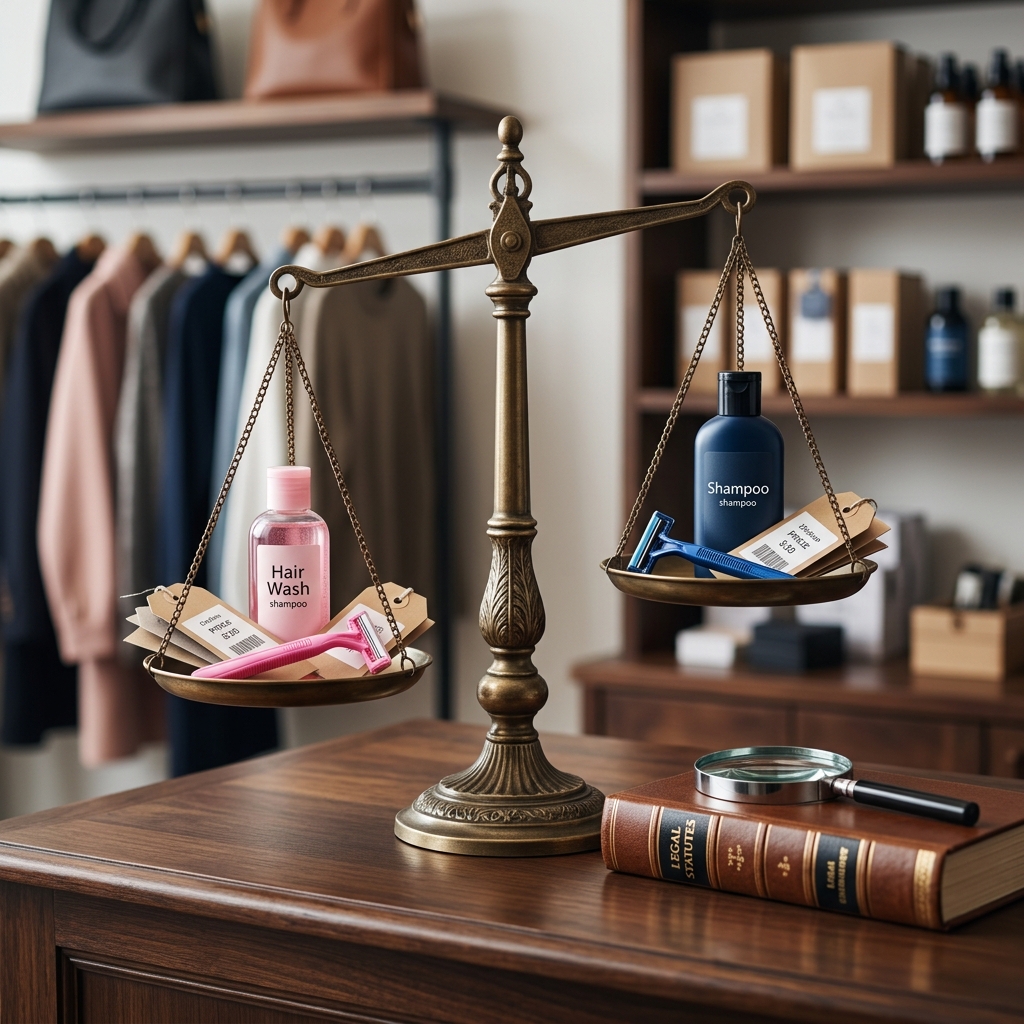
Gender-based price differences are common in everyday life. Women often pay more for personal care products, clothing alterations, haircuts, and dry cleaning than men do for similar items and services. Economists and advocates frequently refer to these differences as the “pink tax”, highlighting the way pricing can vary based on gendered marketing rather than real differences in cost or quality.
Despite how widespread these practices are, not every price difference is illegal. In many situations, charging women more than men is still permitted under U.S. law, especially at the federal level. However, several states have enacted specific rules to limit or prohibit gender-based pricing for substantially similar goods and services, and broader consumer protection and anti-discrimination statutes can apply in some cases.
Understanding Gender-Based Pricing and the Pink Tax
Gender-based pricing generally refers to situations where a business charges different prices for substantially similar goods or services based, at least in part, on the gender of the customer or the gender for whom the product is marketed. The term pink tax describes the cumulative effect of these differences on women, who may spend more over time for essential products and services that have close male equivalents.
Studies of consumer products have documented this phenomenon. A report by the U.S. Government Accountability Office (GAO) found that, after accounting for package size and other factors, women paid more on average than men for half of the personal care categories analyzed, including deodorants and fragrances. While some men’s products cost more in certain categories, the overall pattern showed higher prices for items marketed to women.
- Goods affected: razors, deodorants, body washes, hair products, clothing, and other personal items.
- Services affected: haircuts, tailoring, dry cleaning, spa treatments, and other personal services.
- Key concern: whether the price difference is justified by time, effort, or materials—or is primarily based on gendered marketing.
Federal Law: Why Many Gendered Price Differences Are Still Legal
At the federal level, there is no general law that forbids businesses from charging different prices for substantially similar goods or services targeted at different genders. The GAO has specifically noted that federal consumer protection statutes do not currently prohibit gender-based price differences in the sale of ordinary products and services.
Certain federal laws do ban sex discrimination in specific contexts:
- Equal Credit Opportunity Act (ECOA): prohibits discrimination based on sex in credit transactions, such as loans and credit cards.
- Fair Housing Act: prohibits discrimination based on sex in housing-related transactions and services.
These laws may indirectly affect pricing in their specific domains—for instance, if a lender charged women more for mortgage-related services solely because of sex. But outside these contexts, there is currently no overarching federal ban on charging women more than men for similar consumer products.
There has been movement toward federal regulation. A proposed Pink Tax Repeal Act would prohibit the sale of substantially similar goods or services priced differently based on gender and authorize enforcement by the Federal Trade Commission and state attorneys general. As of the latest reporting, however, this legislation had not yet been enacted.
State Laws Targeting Gender-Based Pricing
In the absence of a federal ban, states play a leading role in regulating gender-based pricing. Several states have adopted statutes that specifically address price differences for substantially similar goods or services, often focusing on consumer products marketed to women and services such as haircuts or dry cleaning.
New York: Broad Prohibition on Gendered Pricing
New York enacted a law, effective September 30, 2020, that forbids gendered pricing for goods and services that are “substantially similar” but marketed to different genders. The law applies across the supply chain to retailers, manufacturers, suppliers, and distributors.
Under this statute:
- Goods include consumer products for personal, family, or household use.
- Substantially similar goods are those with little difference in materials, intended use, functional design, features, and brand.
- Services encompass consumer services for personal, family, or household purposes.
- Substantially similar services are those with little difference in the time, difficulty, and cost of providing the service.
Charging different prices for these substantially similar goods or services based on gender is prohibited. However, businesses may still price differently when the difference is driven by gender-neutral factors such as higher production costs or more time-intensive service.
Violations can result in:
- Injunctive relief (court orders to stop the practice)
- Restitution to affected consumers
- Civil fines, typically up to $250 for a first violation and up to $500 for later ones.
California: The Pink Tax Law for Consumer Products
California has long regulated gender-based pricing for services through the Gender Tax Repeal Act of 1995, which prohibits discrimination with respect to the price of services of similar or like kind. More recently, California extended this approach to goods with a “Pink Tax” law that took effect January 1, 2023.
The new California law prohibits businesses from charging different prices for substantially similar consumer goods when the difference is based on the gender for whom the goods are marketed.
To be “substantially similar,” two goods must exhibit all of the following characteristics:
- No substantial differences in the materials used in production
- Same brand or brands owned by the same entity
The law applies not only to retailers but to any entity doing business in California that sells consumer goods for personal, family, or household use. Courts may impose civil penalties up to $10,000 for an initial violation and $1,000 for each additional violation, subject to a total cap.
California, like New York, permits price differences when they are justified by gender-neutral factors such as higher manufacturing costs, more expensive materials, or different levels of complexity.
Service Pricing: Tailors, Barbers, and Dry Cleaners
Several state laws focus specifically on personal services, where gendered pricing is common. Businesses like tailors, barbers, hair salons, and dry cleaners often charged women more than men for essentially similar services—such as pressing a shirt or cutting hair—prompting legislative responses.
In California, the Gender Tax Repeal Act of 1995 and later amendments:
- Prohibit charging different prices for services of similar or like kind based on the customer’s gender.
- Allow price differences when based on time, difficulty, or cost of providing the service.
- Require certain service providers to post price lists conspicuously and display notices explaining that gender-based price discrimination is prohibited.
A more recent Small Business Gender Discrimination in Services Compliance Act reinforces these obligations and introduces a notice-and-cure procedure, giving businesses a short period to correct violations after receiving notice.
When Is Charging Different Prices Legal?
Even in states that regulate gender-based pricing, not every disparity is unlawful. The central question is whether the difference is based on gender itself or can be explained by legitimate, gender-neutral factors such as materials, time, labor, or specialized skills.
Legitimate Reasons for Different Prices
Laws in New York, California, and other jurisdictions generally permit price differences when they are traceable to objective business considerations rather than marketing to a particular gender.
- Material differences: Using more expensive fabric, components, or ingredients for one product than another.
- Complexity or difficulty: Providing a haircut or alteration that requires more skill, time, or specialized techniques.
- Time and labor: Spending significantly more time cleaning, processing, or tailoring certain items.
- Volume and production scale: Higher prices due to lower production volumes or different distribution channels, if not tied to gender targeting.
Where these gender-neutral factors exist and are documented, businesses are generally allowed to charge different prices—even if one gender ends up paying more on average.
Unlawful Gender-Based Price Discrimination
Price differences may cross the line into illegal discrimination when gender is the primary driver and the products or services are substantially similar in purpose, design, and cost.
Common patterns that raise legal concerns include:
- Charging more to clean women’s shirts than men’s shirts when the garments are similar and require comparable effort.
- Setting higher prices for women’s haircuts than men’s for similar lengths and styles, without differences in time or complexity.
- Offering nearly identical personal care products in different packaging (e.g., pink vs. blue) but charging more for the version marketed to women.
When challenged, businesses must usually show that any price difference stems from legitimate, gender-neutral reasons. Otherwise, they may face enforcement actions, fines, or reputational harm.
Consumer Rights: What Can You Do If You See Gendered Pricing?
Consumers who believe they are being charged more because they are women—or because a product is marketed to women—have several potential avenues for response, depending on where they live and the nature of the transaction.
Practical Steps for Consumers
- Ask for a price list: In some jurisdictions, service providers are required to post or provide a written price list on request. This can help you compare prices across genders or service types.
- Request an explanation: Ask the business to explain any price differences based on time, materials, or difficulty. Legitimate reasons may be acceptable; vague or inconsistent answers may suggest discrimination.
- Document the disparity: Keep receipts, take photos of price tags, and note product details if you plan to raise the issue with authorities.
- Report to state enforcement agencies: In states with specific laws, you can file complaints with consumer protection offices or attorneys general, who may investigate and seek penalties or restitution.
Limits on Private Lawsuits
Many of the newer gender-based pricing statutes emphasize enforcement by public authorities rather than private lawsuits. For example, the New York law and California’s Pink Tax law place enforcement primarily in the hands of state officials, and do not clearly create broad private rights of action for individual consumers.
This does not mean consumers have no legal options. Depending on the circumstances, other state consumer protection laws or general anti-discrimination statutes might support a claim, but the availability and strength of such claims vary by jurisdiction.
Business Obligations and Compliance Strategies
For businesses, the growth of gender-based pricing regulations means that pricing decisions should be carefully reviewed and documented. Companies that sell gendered products or offer personal services to individual customers are particularly exposed.
Key Compliance Principles
- Audit existing prices: Review prices across men’s and women’s products and services to identify substantially similar offerings with different prices.
- Document cost drivers: Maintain records showing any legitimate, gender-neutral reasons for price differences—such as material costs or service time.
- Standardize price lists: For services, create standardized price lists based on type of service, complexity, and time, not gender categories.
- Train staff: Educate employees about legal obligations and how to explain pricing to customers without relying on gender-based assumptions.
- Monitor legal developments: State laws can change quickly; staying current helps avoid inadvertent noncompliance.
Illustrative Comparison Table
The table below summarizes when charging women more than men is more likely to be legal versus potentially illegal, assuming state laws similar to New York and California apply.
| Scenario | Likely Legal | Potentially Illegal |
|---|---|---|
| Women’s coat costs more to clean because of delicate fabric and extra steps | Yes, if documented as material/time-related | No, if effort is truly similar to men’s coat |
| Women’s razor and men’s razor are identical apart from color, but women’s is pricier | Unlikely, absent cost differences | Yes, where “substantially similar” goods are priced differently based on gender marketing |
| Long layered haircut (regardless of gender) costs more than a basic clipper cut | Yes, based on time and complexity | No, if pricing categories are truly gender-neutral |
| Women’s small-sized shirts cost more to launder than men’s small-sized shirts of similar fabric | Only if extra work or special handling is required | Likely, if no legitimate difference exists |
FAQs: Gender-Based Pricing and the Law
Is it always illegal to charge women more than men?
No. Under current U.S. law, especially at the federal level, charging women more than men is not universally prohibited. Price differences are more likely to be illegal in states with specific laws when products or services are substantially similar and gender is the main reason for the difference.
Does the federal government ban the pink tax?
As of the latest available information, there is no general federal ban on the pink tax. Federal law does prohibit sex discrimination in credit and housing, but not in ordinary consumer product pricing. Proposed federal legislation to address the pink tax has not yet been enacted.
Which states have specific gender-based pricing laws?
New York and California have prominent laws targeting gender-based pricing for substantially similar goods and services, and other states, such as New Jersey, have considered similar measures. Details vary by state, so local statutes and guidance should be consulted.
Can I sue a business directly for gender-based pricing?
In many cases, enforcement of gender-based pricing laws is entrusted to state attorneys general or consumer protection agencies rather than private lawsuits. Whether you can sue depends on your state’s statutes and whether other consumer or anti-discrimination laws apply to your situation.
What should businesses do to avoid violating these laws?
Businesses should focus on pricing based on objective factors like materials, time, and complexity; avoid charging different prices solely because of gender; maintain clear documentation of cost drivers; and comply with any posting and notice requirements for price lists under state law.
References
- Gender-Related Price Differences for Goods and Services — U.S. Government Accountability Office. 2018-07-23. https://www.gao.gov/products/gao-18-500
- New York Law Forbids Gendered Pricing — Crowell & Moring LLP. 2020-10-07. https://www.crowell.com/en/insights/client-alerts/new-york-law-forbids-gendered-pricing
- California “Pink Tax” Law Prohibits Gender-Based Pricing of Consumer Products — Morgan, Lewis & Bockius LLP. 2022-11-07. https://www.morganlewis.com/pubs/2022/11/retail-dyk-california-pink-tax-law-prohibits-gender-based-pricing-of-consumer-products
- Attention Small Businesses: Gender Pricing Discrimination Law Updated — TencerSherman LLP. 2019-08-19. https://tencersherman.com/attention-small-businesses-gender-pricing-discrimination-law-updated/
- The Pink Tax: A Litigation and Legislation Update — Kelley Drye & Warren LLP. 2021-08-31. https://www.kelleydrye.com/viewpoints/blogs/ad-law-access/the-pink-tax-a-litigation-and-legislation-update
- Finding a Balanced Approach to Addressing Gender-Based Price Discrimination — Oklahoma Law Review. 2020. https://digitalcommons.law.ou.edu/cgi/viewcontent.cgi?article=2308&context=olr
- California Implements “Pink Tax” Law Prohibiting Gender-Based Pricing of Consumer Goods — Thomson Reuters Practical Law. 2022. https://anzlaw.thomsonreuters.com/w-037-9037
Similar Articles








Read full bio of Sneha Tete


