
Sex-For-Rent: Your Legal Rights And Steps To Report Now In 2025
Understanding how sexual demands by landlords can become illegal housing discrimination and abuse.
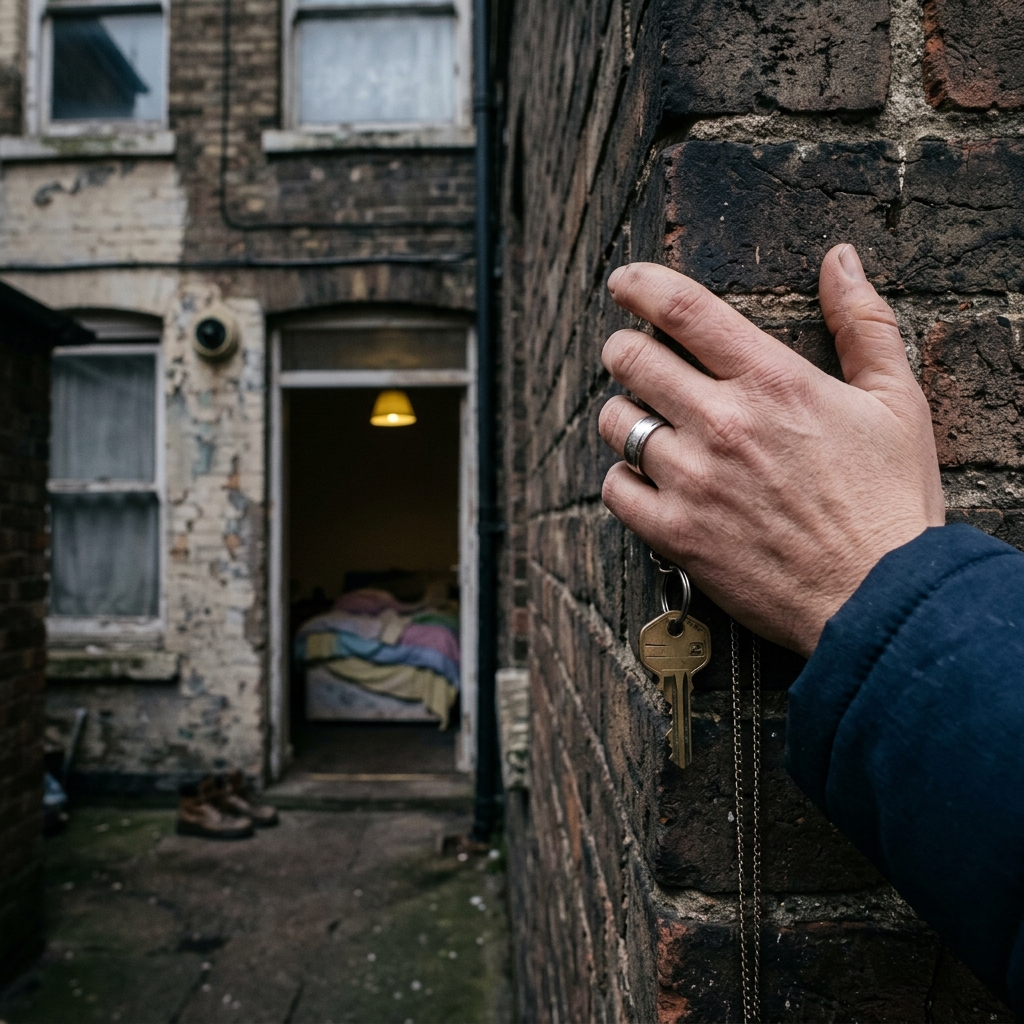
Housing should never come with a sexual price tag. When a landlord, property manager, or other housing provider pressures someone to trade sexual conduct for a place to live, lower rent, or leniency on fees, that conduct can violate federal fair housing law and expose the wrongdoer to serious civil liability. In the United States, the Department of Justice has repeatedly treated this kind of conduct as unlawful sex discrimination and sexual harassment in housing, and enforcement actions have produced large settlements and court judgments.
This issue is more than a private dispute between a tenant and a landlord. It can involve coercion, retaliation, threats of eviction, and unequal treatment based on sex. Federal enforcement agencies have said that demanding sexual acts in exchange for housing benefits is part of a pattern of severe and pervasive sexual harassment.
What a Sex-for-Rent Arrangement Really Means
A sex-for-rent arrangement occurs when a housing provider offers, conditions, or threatens housing benefits based on sexual conduct. The conduct can take many forms: demanding sex before move-in, asking for sexual favors in exchange for rent reductions, threatening eviction unless the tenant complies, or offering to forgive late fees, repairs, or lease violations in return for sexual contact. Federal investigations have described all of these behaviors as part of illegal harassment in housing.
Although some people may frame these demands as a “deal” or “understanding,” that language does not make the conduct lawful. The key question is whether access to housing is being conditioned on sex or whether sexual pressure is being used to control a tenant. When that happens, the law may treat the conduct as discrimination, harassment, or retaliation.
Why the Law Takes This So Seriously
Fair housing rules exist to ensure that people can obtain and keep housing without being subjected to bias or abuse. The federal Fair Housing Act prohibits discrimination in housing based on several protected traits, including sex. The U.S. Department of Justice has explained that severe or pervasive sexual harassment can violate that statute when it affects the terms, conditions, or privileges of renting.
This matters because housing is a basic necessity. A tenant facing pressure from the person who controls the lease, keys, and rent is not bargaining on equal footing. That imbalance gives the landlord unusual power, and the law recognizes that a demand for sex in exchange for housing can function as both discrimination and coercion.
| Problematic conduct | Why it may be illegal |
|---|---|
| Asking for sexual acts to approve an application | Conditions housing on sex |
| Reducing rent in exchange for sexual favors | Uses housing benefits as a sexual reward |
| Threatening eviction unless the tenant complies | Retaliatory pressure and harassment |
| Sending sexual messages or images to tenants | Can create a hostile housing environment |
What Counts as Sexual Harassment in Housing
Sexual harassment in housing is broader than one offensive comment. It can include repeated requests for dates or sex, vulgar comments, unwanted touching, sexual texts or images, and other conduct that makes housing conditions hostile or threatening. The Department of Justice has alleged in multiple cases that landlords subjected female tenants and prospective tenants to severe and pervasive sexual harassment over long periods of time.
The law also recognizes that harassment may be subtle at first and then escalate. A landlord might begin with suggestive remarks, then move to explicit requests, and later use rent, repairs, or eviction threats to force compliance. When the pattern affects the tenant’s ability to live safely and quietly in the home, it may support a fair housing claim.
How Federal Enforcement Works
There are several ways a sex-based housing case can be enforced. The Department of Justice can bring civil actions when it believes a landlord has engaged in a pattern or practice of discrimination or when a case raises public importance. In some matters, the government has reached settlements involving substantial financial payments, bans on future harassment, and oversight terms.
Federal enforcement may also run alongside private lawsuits. Tenants can bring claims of their own, often through civil rights or fair housing statutes, and advocacy organizations sometimes help gather evidence or provide legal referrals. The existence of government enforcement does not prevent an individual tenant from seeking their own remedy.
Signs a Tenant Should Not Ignore
Some situations are obvious, but others start with conduct that can be easy to dismiss. A tenant should pay attention if a landlord or manager:
- asks for sexual images, contact, or meetings in exchange for a lease;
- offers rent discounts tied to sexual behavior;
- uses late fees, repairs, or lease renewal as leverage for sex;
- makes sexual comments, jokes, or repeated advances;
- enters the unit without permission and behaves in a sexualized way; or
- threatens housing loss after the tenant refuses sexual demands.
Any of these behaviors may be evidence of harassment, especially if they happen more than once or are tied to rent, occupancy, or repairs.
Evidence Can Make a Big Difference
People experiencing harassment often worry that they will not be believed. For that reason, documentation is important. Text messages, emails, voicemails, rental notices, screenshots, photos, and written notes about dates and incidents can help show a pattern. Witness statements from neighbors, family members, or other tenants may also be useful. Federal housing investigations often rely on repeated complaints and corroborating evidence to show that the conduct was severe and ongoing.
If a tenant is in immediate danger, contacting emergency services may be appropriate. If the situation is not an emergency, the tenant can still preserve evidence by saving communications and writing down exactly what happened as soon as possible. The sooner the conduct is recorded, the easier it is to show what occurred.
What Tenants May Be Able to Do
Tenants who face this kind of conduct may have several options. They can report the behavior to local housing authorities, fair housing organizations, or the Department of Justice. They can also seek legal advice about filing a civil lawsuit for damages, injunctive relief, or both. In some cases, the tenant may be able to argue that the landlord’s conduct created a hostile housing environment or amounted to retaliation after refusing sexual advances.
Where a tenant fears eviction or loss of housing, prompt action matters. A tenant may need help preserving occupancy rights, requesting emergency assistance, or moving safely. Legal aid groups and fair housing organizations can sometimes help identify the safest next step.
How These Cases Affect the Housing Market
Sex-for-rent abuse harms more than the individual tenant. It undermines trust in rental housing, discourages reporting, and can disproportionately affect people with limited options, including low-income renters, single parents, immigrants, and young adults. When a landlord uses housing as leverage for sex, the result is an abusive market where access to a basic need depends on exploitation rather than lawful screening.
That broader harm is one reason these cases draw attention from federal enforcers. The government’s goal is not only to compensate victims but also to stop conduct that can spread fear among other tenants who may believe they have no choice but to tolerate abuse.
Practical Steps for Anyone Facing This Situation
If a landlord or property manager is making sexual demands, a tenant may want to consider the following steps:
- save all written and digital messages;
- avoid private in-person meetings if they feel unsafe;
- write down dates, times, and details of every incident;
- identify any witnesses who saw or heard the conduct;
- contact a local fair housing group or legal aid office;
- consider filing a report with federal or state authorities; and
- get advice before signing new papers or making payments tied to the dispute.
These steps do not guarantee a particular legal outcome, but they can help protect evidence and clarify the timeline.
When to Get Legal Help
Because housing law, civil rights law, and local landlord-tenant rules can overlap, professional legal guidance is often valuable. An attorney can explain whether the facts support a fair housing claim, a retaliation claim, or another legal theory. Legal counsel can also help determine whether a tenant should stay, move, negotiate, or seek emergency relief.
Even if the tenant is unsure whether the conduct rises to the level of a legal violation, a consultation can help separate ordinary lease disputes from conduct that may amount to sexual harassment. The law does not require a tenant to tolerate sexual pressure simply because it comes from the person who controls the rental property.
FAQs
Is a landlord allowed to ask for sex in exchange for lower rent?
No. Conditioning rent, approval, or continued occupancy on sexual conduct can violate fair housing law and may constitute sexual harassment.
Does the law protect only current tenants?
No. Prospective tenants can also be protected if they are pressured or denied housing because they refused sexual demands.
What if the landlord says it was a joke?
A joke does not necessarily eliminate legal risk. Repeated comments, requests, or threats can still support a harassment claim if they affect housing rights.
Can a tenant report harassment without immediately moving out?
Yes. A tenant may be able to report the conduct and seek legal protection while remaining in the unit, depending on the facts and safety concerns.
What kind of evidence is most helpful?
Texts, emails, voicemails, screenshots, witness accounts, and notes describing each incident can all be important.
References
- Civil Rights Division | Sexual Harassment in Housing Initiative – News — U.S. Department of Justice. 2022-12-14. https://www.justice.gov/crt/sexual-harassment-housing-initiative-news
- NYT: Landlord Accused of Demanding Sex From Tenants to Pay $4.5 Million — Kennedy Hunt Law summary of DOJ action. 2022-12-14. https://kennedyhuntlaw.com/nyt-landlord-accused-of-demanding-sex-from-tenants-to-pay-4.5-million/
- Tenants Sue Landlords for Severe Violations of Privacy and Sexual Harassment at Home — HOME Line. 2016-03-31. https://homelinemn.org/4621/tenants-sue-landlords-for-severe-violations-of-privacy-and-sexual-harassment-at-home/
- Sexually Harassed by Landlord — Gender Justice. 2024-01-01. https://www.genderjustice.us/work/sexually-harassed-by-landlord/
- Fair Housing Act — U.S. Department of Housing and Urban Development. 2025-01-01. https://www.hud.gov/fairhousing
Similar Articles








Read full bio of Sneha Tete


