
When Fake Online Profiles Cause Real‑World Harm
A deep look at how fake online identities cross the line from digital deception into criminal liability and civil lawsuits.
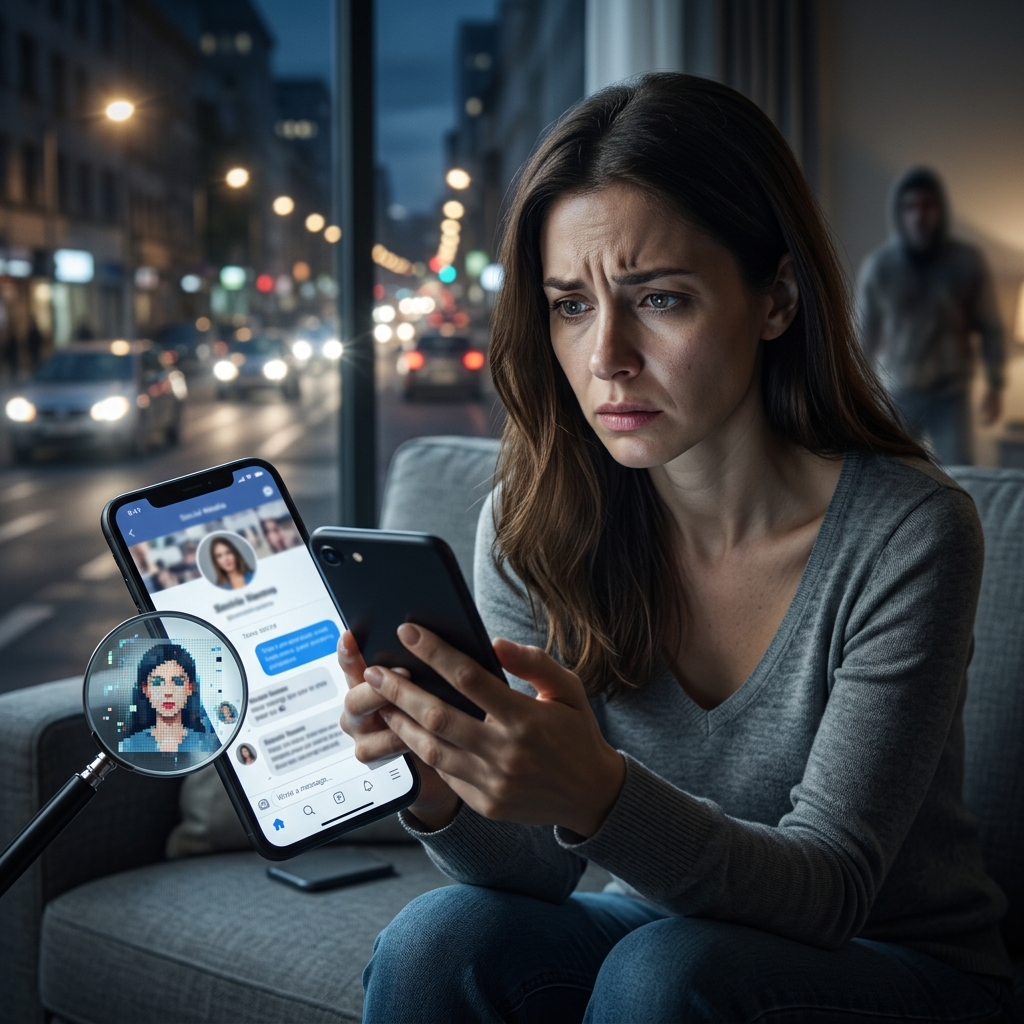
Digital platforms make it easy to create social media accounts, dating profiles, and messaging identities in seconds. While many users adopt pseudonyms for privacy or creativity, fake online profiles that impersonate real people or conceal malicious intent can trigger serious legal consequences and lasting personal damage.
This article explains when fake accounts cross the line from harmless role‑playing into fraud, harassment, identity theft, and defamation, and how victims can respond using both criminal and civil remedies.
Understanding Fake Online Profiles and Impersonation
Not every fictional or anonymous online persona is unlawful. The legal system focuses on harmful misuse of another person’s identity or deceptive conduct that causes financial or emotional injury.
Common Forms of Fake Profiles
- Impersonation profiles that use someone else’s name, photographs, or biographical details to pose as that person online.
- Catfishing accounts that present a fabricated persona—often with stolen images—to build romantic or social relationships based on deception.
- Fraudulent business profiles that claim to represent a company or professional, often used to lure payments or sensitive data.
- Harassment or bullying accounts created to stalk, threaten, or embarrass a target while concealing the perpetrator’s real identity.
- Anonymous troll accounts aimed at spreading rumors, defamation, or offensive content without attribution.
Courts and law enforcement typically examine intent, consent, and harm when deciding whether a fake profile is legally actionable.
Intent and Consent: Two Critical Legal Elements
Across many jurisdictions, two elements frequently determine whether online impersonation becomes a criminal offense:
- Use of another person’s identity without consent – taking a real person’s name, images, phone number, or account handle without permission.
- Intent to harm, defraud, intimidate, or threaten – using that stolen identity to deceive, damage reputation, obtain money, or cause fear.
For example, Texas’s online impersonation law requires proof that a person used someone else’s name or persona online without consent and with the intent to cause harm or fraud, turning such conduct into a potential felony.
When Does a Fake Profile Become a Crime?
Creating a fake profile is not automatically illegal, but it can violate criminal statutes when it overlaps with identity theft, fraud, cyberstalking, or threats.
Identity Theft and Fraud
Impersonating someone online to obtain money, goods, services, or sensitive information often falls into fraud or identity theft categories.
- Financial scams – using another person’s persona to solicit payments, donations, or investments.
- Access to accounts – posing as a victim to reset passwords or gain access to banking, email, or social media accounts.
- Data harvesting – tricking contacts into sending personal information, like Social Security numbers, copies of IDs, or intimate photos.
In such situations, prosecutors may charge the creator of the profile with crimes such as identity theft, wire fraud, or computer fraud, depending on the jurisdiction and the conduct involved.
Harassment, Cyberstalking, and Threats
Many states and countries have laws against harassment and cyberstalking that apply when fake accounts are used to intimidate or repeatedly contact a victim.
- Sending threatening or obscene messages from anonymous or impersonation accounts.
- Publishing humiliating or private information to embarrass a target.
- Coordinating online mobs to attack a victim’s reputation or safety.
Repeated unwanted contact or credible threats can lead to criminal charges, restraining orders, or both.
Online Impersonation Statutes
Some jurisdictions have specific laws addressing online impersonation. For example, Texas Penal Code § 33.07 makes it a crime to use another person’s name or persona to create a website or social media account without consent and with intent to harm or defraud.
| Type of Conduct | Typical Classification | Potential Penalties |
|---|---|---|
| Creating a fake profile using another person’s identity, with harmful or fraudulent intent | Third‑degree felony (example from Texas) | 2–10 years in prison; up to $10,000 fine |
| Sending deceptive electronic messages referencing another person’s identity, with intent to harm or defraud | Class A misdemeanor (example from Texas) | Up to 1 year in jail; up to $4,000 fine |
While details vary, the pattern is similar: using another’s identity online in harmful ways can carry severe penalties, including jail time and a permanent criminal record.
Civil Liability: Lawsuits Over Fake Profiles
Even when behavior does not lead to criminal charges, victims of fake profiles may pursue civil claims for money damages and court orders to remove harmful content.
Defamation and Damage to Reputation
Defamation occurs when someone publishes a false statement about another person that harms their reputation. A fake profile can be a vehicle for defamation if it spreads false allegations or attributes offensive conduct to the victim.
- Posting fake confessions or fabricated criminal behavior under the victim’s name.
- Sharing altered images suggesting misconduct or moral wrongdoing.
- Publishing false claims about professional incompetence or unethical behavior.
Victims may seek damages for emotional distress, reputational harm, and lost income, as well as injunctions requiring platforms to remove the content.
Invasion of Privacy and Misuse of Likeness
In many jurisdictions, individuals have rights controlling commercial or public use of their image and identity. When a fake profile uses photos and personal details without consent, it can trigger claims such as:
- Appropriation of likeness – exploiting someone’s identity for a purpose they did not authorize, such as advertising or fundraising.
- Public disclosure of private facts – sharing highly personal information that a reasonable person would find offensive.
- False light – presenting someone in a misleading context that would be objectionable to a reasonable person.
Civil courts can award damages and order removal of offending content when such claims are proven.
Intentional Infliction of Emotional Distress
In extreme cases, deliberate, outrageous online conduct causing severe emotional harm can support a claim for intentional infliction of emotional distress. However, courts often apply this doctrine narrowly, reserving it for truly egregious behavior.
Key Legal Questions Courts Consider
Every case involving fake profiles is fact‑specific. Courts and investigators typically examine a set of core questions to determine liability.
- Was a real person’s identity used? Did the profile include name, photographs, contact details, or other identifying information without consent?
- What was the creator’s intent? Was the purpose to entertain, to defraud, to harass, to embarrass, or to gain access to information or money?
- What harm occurred? Did the victim suffer financial losses, reputational damage, emotional distress, or safety risks?
- Which laws apply? Does the jurisdiction have specific online impersonation statutes, or must authorities rely on general fraud, harassment, or identity theft laws?
- What evidence exists? Are there screenshots, metadata, platform records, or witness statements linking the profile to its creator?
The answers to these questions guide whether a matter is resolved through criminal charges, civil litigation, platform enforcement, or a combination of all three.
Practical Steps for Victims of Fake Profiles
If you discover a fake account impersonating you or targeting you, swift, methodical action can help protect your safety and strengthen any future legal case.
Immediate Safety and Evidence Preservation
- Do not engage aggressively with the impersonator; confrontations can escalate harassment.
- Capture screenshots of the profile, posts, messages, and visible interactions, including timestamps.
- Document URLs and usernames before the profile is modified or removed.
- Preserve messages and emails that show how others reacted or were misled.
- Inform trusted contacts that the account is fake, to prevent further confusion or damage.
Report to Platforms and Law Enforcement
Most major platforms have reporting mechanisms for impersonation, harassment, and fraud. Use these tools promptly.
- Submit an impersonation report detailing how your identity is being misused.
- Provide supporting evidence, such as government ID or links to your legitimate profiles.
- Request removal or suspension of the fake account.
When the conduct involves threats, extortion, financial loss, or large‑scale harassment, victims should also contact local law enforcement, as these behaviors can constitute criminal offenses such as identity theft, fraud, or cyberstalking.
Consulting a Lawyer
Because laws differ between states and countries, speaking with an attorney familiar with online harassment, privacy, and defamation can clarify your options.
- Assess whether your case meets the threshold for criminal investigation.
- Evaluate potential civil claims for defamation, invasion of privacy, or misuse of likeness.
- Prepare demand letters to platforms or perpetrators requesting removal and compensation.
- Develop a strategy for reputation repair, including corrections and public statements.
Responsible Online Behavior: Avoiding Legal Trouble
Individuals who create or use fake profiles should be aware that even seemingly minor online pranks can snowball into significant legal and personal consequences.
Risky Behaviors to Avoid
- Using real people’s photos or names without consent, especially in dating, financial, or professional contexts.
- Sending misleading messages that could impact someone’s finances, relationships, or reputation.
- Participating in harassment campaigns or sharing humiliating content anonymously.
- Pretending to represent a business or organization online.
Even if a jurisdiction lacks a specific online impersonation statute, such conduct may still violate fraud, harassment, or identity theft laws, as well as platform terms of service.
Safer Use of Pseudonyms
Using a pseudonym or avatar online can be legitimate when it does not exploit or harm real individuals. Safer practices include:
- Choosing original usernames and images that do not reference an identifiable person.
- Avoiding representations of professional authority you do not have.
- Respecting platform rules about impersonation and identity.
FAQs About Fake Online Profiles and the Law
Is it always illegal to create a fake online profile?
No. Creating a fictional persona is not automatically illegal. It becomes legally risky when you use someone else’s identity without consent or engage in conduct that amounts to fraud, harassment, or defamation.
Can I be prosecuted for catfishing someone on a dating app?
Yes, in some circumstances. If catfishing involves obtaining money, sensitive information, or causing significant harm, it can implicate fraud, identity theft, or harassment statutes. The legal outcome depends on the jurisdiction and specific facts.
What should I do if someone is impersonating me on social media?
Document the impersonation, report it to the platform, inform your contacts, and consider contacting law enforcement if threats, fraud, or severe harassment are involved. Consulting a lawyer can help you explore civil remedies.
Can I sue someone for using my photos without permission?
Potentially. Many jurisdictions recognize claims related to misuse of likeness, invasion of privacy, or copyright infringement. A lawyer can evaluate which claims fit your situation and the likely damages.
Do platforms have to remove fake accounts?
Major platforms typically prohibit impersonation and harassment in their terms of service and offer reporting tools. While they are not courts, they often remove clearly abusive or fraudulent accounts once properly notified.
References
- When Fake Online Profiles Ruin Lives — Super Lawyers. 2023-10-05. https://www.superlawyers.com/resources/general-litigation/when-fake-online-profiles-ruin-lives/
- Online Impersonation and Fake Profiles in Texas — David Smith Law. 2024-06-12. https://www.davidsmith.law/online-impersonation-and-fake-profiles-in-texas/
- Can You Get in Trouble for Pretending to Be Someone Else Online? — Buzz Law Firm. 2025-01-08. https://www.buzzlawfirm.com/blog/2025/01/can-you-get-in-trouble-for-pretending-to-be-someone-else-online/
- Legal Consequences of Creating Fake Profiles on Dating Websites — JustAnswer Legal. 2013-05-14. https://www.justanswer.com/law/6t999-happen-making-fake-profile-internet-dating.html
- Fake Social Media Accounts: Legal and Ethical Issues — Paris Smith Solicitors. 2021-11-09. https://parissmith.co.uk/blog/fake-social-media-accounts-legal-and-ethical-issues/
Similar Articles








Read full bio of Sneha Tete


