
When Cupcakes Become a Crime: Kids, Business Licenses, and the Law
A look at how innocent kids’ bake sales collide with licensing rules, cottage food laws, and public safety concerns.
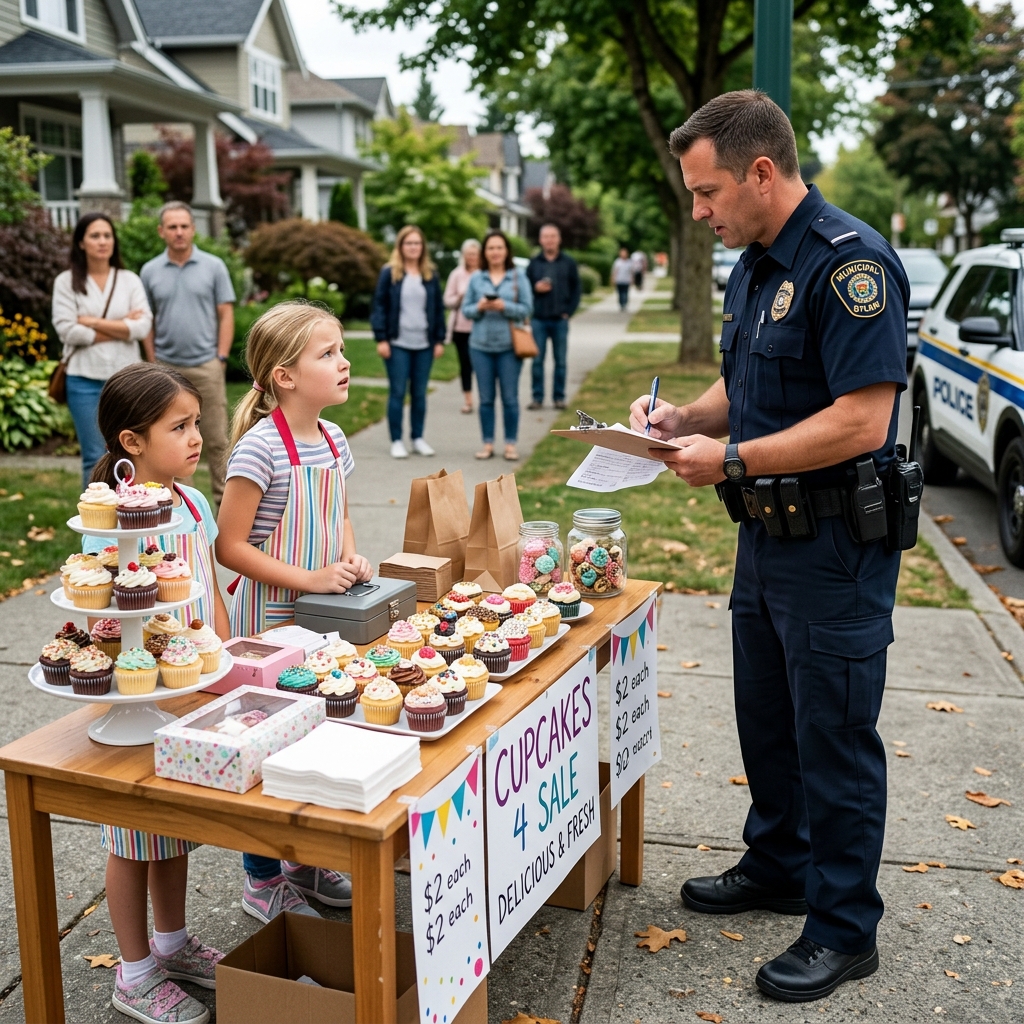
Stories of children being told to shut down their cupcake stand or bake sale can seem absurd at first glance. Adults see an entrepreneurial child, a tray of frosted treats, and a harmless way to learn business skills. Yet, in many places, those cupcakes may technically violate health codes, park rules, or business licensing laws, creating an unexpected clash between childhood creativity and regulatory reality.
This article uses such incidents as a springboard to explore why local governments regulate even small-scale food sales, how cottage food laws work, and what families need to know before selling homemade baked goods. Instead of repeating a single news story, the discussion focuses on the broader legal framework that can turn a friendly cupcake stand into a legal headache.
Why A Few Cupcakes Can Trigger Legal Problems
From the government’s perspective, a cupcake stand is not fundamentally different from any other food business. Once money changes hands for food sold to the general public, a web of rules may apply—regardless of whether the seller is a corporation or a group of kids with a card table.
Key Regulatory Concerns
- Food safety: Health departments are responsible for preventing foodborne illness. That role covers everything from restaurants to temporary vendors and small home-based producers.
- Fair use of public space: Parks departments and city governments often require permits or insurance for any business using public property, such as a park, sidewalk, or community center.
- Uniform enforcement: Officials generally cannot ignore clear violations for some people while strictly enforcing rules against others, or they risk accusations of unequal treatment.
These concerns explain why police and inspectors sometimes feel obliged to intervene, even when the business at issue is a couple of underage bakers selling cupcakes to friends and passersby.
The Role of Health Codes: Food Safety First
Health regulations exist primarily to protect consumers from unsafe food. They address issues like temperature control, contamination risks, and sanitation in kitchens and sales areas. When cupcakes or other baked goods are sold to the public, regulators ask the same questions they would of any food operation: Is the food prepared properly? Is the environment clean? Could these products make people sick?
Low-Risk vs. High-Risk Foods
Modern cottage food frameworks distinguish between relatively safe, shelf-stable items and foods that can easily support harmful bacterial growth. Many laws explicitly permit home production of low-risk goods while limiting or prohibiting higher-risk products.
| Category | Generally Allowed Under Cottage Food Laws | Generally Restricted or Prohibited |
|---|---|---|
| Baked Goods | Cookies, plain breads, muffins, and cupcakes without dairy-based frostings | Cream-filled pastries, custard pies, cheesecakes |
| Confections | Candies, fudge, brittle, toffee | Chocolate items with perishable fillings |
| Preserves | Approved jams, jellies, fruit butters, sometimes with pH testing | Low-acid canned goods that could harbor botulism |
| Dairy & Prepared Foods | Often not covered by cottage food exemptions | Milk, cheeses, cream pies, refrigerated meals, soups |
Because cupcakes are baked and can be made with stable frosting, they often fall on the “allowed” side of cottage food regulations—provided they meet other legal requirements and do not require refrigeration for safety.
Cottage Food Laws: Making Homemade Sales Legal
Many states have adopted cottage food laws to give home bakers, jam makers, and similar producers a lawful way to sell their products without building or renting a commercial kitchen. These laws strike a balance between economic opportunity and public health.
Typical Features of Cottage Food Frameworks
- Limited product list: Statutes specify which foods can be sold from home kitchens, focusing on low-risk items like baked goods, candies, and certain preserves.
- Sales channels: Many states restrict where cottage foods can be sold—often allowing direct sales to consumers at home, farmers’ markets, or community events, while prohibiting restaurant or wholesale distribution.
- Training or inspection: Some jurisdictions require food handler training or home inspections before approving a cottage food operation, while others rely on simple registration.
- Labeling requirements: Cottage food products typically must include a label with producer name, address, ingredients, allergens, and a statement that the goods were made in a home kitchen not subject to the same inspection as commercial facilities.
For example, in Texas, cottage food producers can sell a specified range of non-potentially hazardous foods without needing permits, licenses, or inspections, as long as they follow the rules and complete basic food handler training. Massachusetts, by contrast, requires home bakers to pass a home inspection before selling baked goods.
Why Children’s Cupcake Stands Get Shut Down
When kids set up a cupcake stand, they often do so informally—without business planning or legal advice. Several issues can arise:
- No health department approval: Even if the cupcakes are safe, officials may insist on permits or inspections when food is sold regularly in public.
- Parks and recreation rules: Cities frequently require vendor permits, liability insurance, and fees for commercial activity on public property such as parks and recreation areas.
- Business licensing: Operating a business, however small, can trigger requirements for a local business license or registration.
- Zoning concerns: Selling goods from a residential property may be subject to local zoning restrictions in some communities.
Police officers or inspectors may sympathize with the children but still feel compelled to enforce these rules. In many reported incidents, officials shut down the stand while apologizing, indicating that the problem is not the cupcakes themselves but the legal framework they fall under.
How Different States Approach Homemade Baked Goods
Regulation of homemade baked goods is primarily a state-level matter, so requirements vary widely. Understanding the differences helps explain why a cupcake stand may be acceptable in one place and illegal in another.
Examples of Regulatory Approaches
- Massachusetts: Home bakers cannot sell products without government permission. Cottage food producers are expected to undergo a home inspection and comply with detailed requirements before any sales occur.
- Texas: The state’s cottage food law explicitly allows certain baked goods, jams, jellies, and some other non-hazardous foods to be sold from home, with no permits or inspections, provided sellers complete food handler training and use proper labeling.
- Maryland: Cottage food rules restrict certain ingredients, especially dairy and many fruit fillings, and impose caps on revenue and limits on where foods may be sold, such as farmers’ markets or other approved venues.
- Illinois: The so-called “Cupcake Law” allows individuals to sell home-baked goods without a commercial kitchen license when they stay under specified revenue limits and meet labeling and other conditions.
- Tennessee: Cottage food producers may sell non-potentially hazardous foods, including many baked goods, without using commercial facilities, as long as they avoid items that require refrigeration for safety.
These examples show how differently states balance economic freedom and safety. A parent planning a cupcake stand for their child needs to look beyond headlines and check the specific rules in their own jurisdiction.
Permits, Insurance, and Public-Space Rules
Health codes are only part of the legal picture. When cupcakes are sold on public property—such as a city park or sidewalk—other rules come into play. Parks departments commonly require:
- Vendor permits: Authorization to sell goods in a park or at a public event.
- Insurance certificates: Proof of liability coverage in case someone is injured or claims harm due to the sale.
- Location and time restrictions: Regulations limiting where and when vendors may operate.
These requirements may feel disproportionate to a child’s small operation, yet they are designed to apply consistently to all commercial activity in those spaces. Failing to comply can lead to shutdowns, even if the food itself is safe and well-liked.
Teaching Kids to Be Entrepreneurs—Legally
Despite the legal hurdles, a cupcake stand can still be a powerful learning experience. Parents and mentors can turn the regulatory process into a practical lesson in entrepreneurship, civics, and public health.
Practical Steps for Families
- Research local rules: Contact the city or county health department and ask about cottage food options, temporary food permits, and any special rules for minors.
- Choose compliant products: Focus on shelf-stable baked goods—such as cupcakes without cream cheese or whipped cream frosting—to fit within cottage food allowances where they exist.
- Opt for private spaces: Hosting a sale on private property with the owner’s permission may avoid some park and street-vending regulations, though health and business rules can still apply.
- Use events and fundraisers: Some jurisdictions have more flexible rules for occasional fundraising events, school functions, or charity bake sales. Ask if such exceptions exist locally.
- Discuss business ethics: Use the licensing process to teach children about fairness, safety, and the responsibilities that come with selling to the public.
Common Misunderstandings About “Cupcake Laws”
Media coverage sometimes refers broadly to a “cupcake law,” but that phrase can mean different things in different contexts. In Illinois, for instance, the term is associated with legislation that created specific exemptions for home bakers. In other discussions, people use “cupcake law” informally to describe general restrictions on sweet baked goods in schools or children’s sales.
Separating myth from reality requires looking at the actual statutory language and at official guidance from health departments or agriculture agencies. Cottage food laws typically cover a range of food types and rarely focus on cupcakes alone.
Frequently Asked Questions
Are children’s cupcake stands always illegal?
No. Whether a stand is legal depends on state cottage food laws, local health regulations, business licensing rules, and where the stand operates. In some places, a small cupcake stand on private property may fit within cottage food allowances, while in others, permits or inspections might still be required.
Do we need a commercial kitchen to sell cupcakes?
Not always. Many states allow home kitchens to produce certain low-risk foods, including cupcakes without perishable frostings, under cottage food laws. These frameworks often impose conditions such as labeling, training, or limits on where and how products may be sold.
What makes a cupcake “non-potentially hazardous”?
A non-potentially hazardous cupcake is typically one that does not require refrigeration for safety and does not contain dairy-based cream fillings or frostings that can support rapid bacterial growth. Laws vary, but shelf-stable baked goods are commonly treated as lower risk.
Why would we need insurance to sell cupcakes in a park?
Parks and recreation departments often require vendors to carry liability insurance to protect both the public and the municipality from claims related to accidents or alleged harm. This requirement usually applies uniformly to all commercial activity in public spaces, regardless of business size.
How can we find out what rules apply in our area?
The most reliable approach is to consult official sources: call or visit the local health department, review state cottage food program materials, and check city or county ordinances for business licensing and vendor rules. These agencies can clarify whether a planned cupcake stand is allowed and what steps are needed to comply.
References
- Kids Shut Down for Illegal Cupcake Sales — FindLaw Legal Blogs. 2013-08-01. https://www.findlaw.com/legalblogs/small-business/kids-shut-down-for-illegal-cupcake-sales/
- Cottage Foods — Maryland Department of Health — Maryland Department of Health. 2023-01-10. https://health.maryland.gov/phpa/OEHFP/OFPCHS/Pages/CottageFoods.aspx
- From Kitchen to Market: What Foods Can Be Sold Under Cottage Food Laws? — My Food Service License. 2022-05-18. https://myfoodservicelicense.com/blogs/safebites-food-safety-blog/from-kitchen-to-market-what-foods-can-be-sold-under-cottage-food-laws
- Selling Homemade Food in Massachusetts — Institute for Justice. 2021-09-30. https://ij.org/issues/economic-liberty/homemade-food-seller/massachusetts/
- Texas Cottage Food Law — TexasCottageFoodLaw.com. 2023-04-05. https://texascottagefoodlaw.com
- Illinois Cupcake Law Overview — Illinois Department of Public Health (via local ordinance references). 2018-06-15. https://www.facebook.com/groups/104287120162473/posts/1870035066920994/
Similar Articles








Read full bio of Sneha Tete


