
When Contracts Go Wrong: Preventing Business Disputes
Most business lawsuits start with a contract nobody read carefully enough—learn how to avoid that mistake.
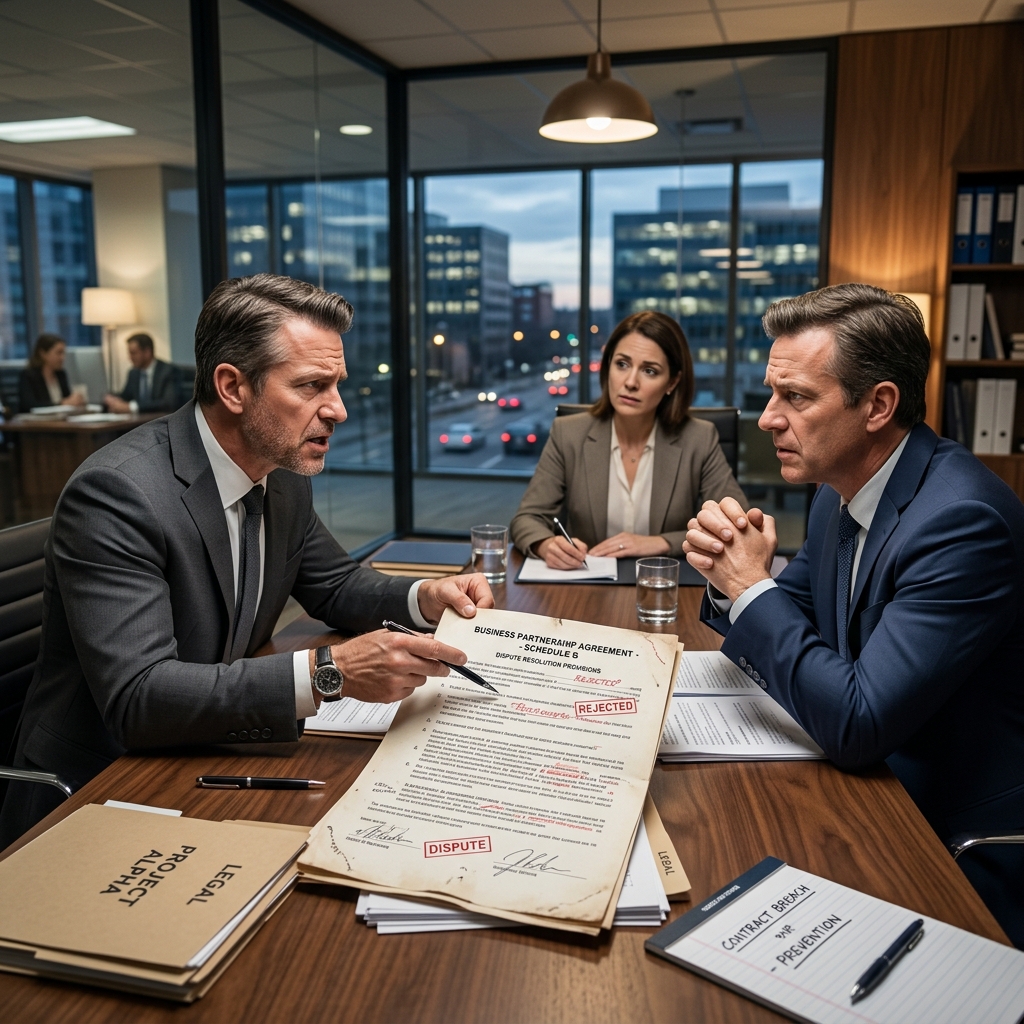
In modern commerce, few documents are as powerful—and as dangerous—as a business contract. A single clause written in vague language, an obligation nobody noticed, or a risk that was never discussed can quietly sit in a file until something goes wrong. Only then do the parties discover that the contract they signed in haste has become the roadmap to a costly dispute. Courts around the world regularly see cases that started not with intentional wrongdoing, but with agreements that were drafted, read, or managed carelessly.
This article explores why business contracts so often end up at the center of litigation and what practical steps organizations can take to reduce the chances that their agreements will become courtroom exhibits. The goal is not to turn every manager into a lawyer, but to show how a more deliberate approach to contract drafting, review, and management can dramatically lower the risk of disputes.
Why Contracts Are a Common Source of Business Disputes
Contract disputes arise when one or more parties fail to fulfill obligations under a legally binding agreement or disagree about what those obligations really mean. In many cases, the disagreement does not reflect bad faith; instead, it reveals gaps or weaknesses in the contract itself. Understanding the most frequent fault lines helps businesses spot problems early.
Typical Triggers for Contract Litigation
- Ambiguous or vague language that allows more than one reasonable interpretation of key terms.
- Unclear performance obligations, including missing or unrealistic milestones, deliverables, or quality standards.
- Payment-related issues, such as disputes over amounts, timing, methods, or currency conversions.
- Non-performance or partial performance, where one party believes the other has failed to deliver as promised.
- Missing or weak termination clauses that make it difficult to exit an unsatisfactory relationship.
- Unaddressed regulatory or compliance requirements that render parts of the contract unenforceable.
- Disputes over intellectual property or data ownership, especially in technology and creative industries.
Many of these problems could have been avoided if the parties had invested a bit more time at the outset: clarifying expectations, reviewing risk allocation, and ensuring that every clause serves a clear business purpose.
How Careless Contract Practices Create Legal Risk
Legal disputes are often the downstream result of everyday habits: copying an old template, accepting vague language to “get the deal done,” or filing signed agreements without ever revisiting them. Over time, these habits combine to create a significant risk landscape.
Rushed Drafting and Copy-Paste Agreements
Businesses frequently reuse contracts from prior deals without checking whether the terms fit the current arrangement. What worked for a domestic supplier five years ago may be inappropriate for an international partner today. When parties copy clauses without understanding their implications, they may inadvertently assume liabilities or give up rights they never intended to transfer.
Common issues include:
- Using obsolete templates that fail to reflect current laws or industry standards.
- Importing inconsistent definitions and cross-references from prior agreements.
- Leaving in irrelevant clauses that confuse the parties about what is actually required.
Weak Internal Review and Communication
Another frequent problem arises when only one department reviews a contract. For example, a sales team might focus on price and delivery dates, while overlooking technical specifications or data security obligations that matter to operations and IT. Without coordinated review, critical risks can slip through unnoticed.
Key gaps include:
- Failure to involve legal counsel for non-standard or high-risk deals.
- No systematic review by finance for payment terms, credit risk, and tax implications.
- Insufficient input from operations and compliance regarding practical feasibility and regulatory obligations.
Poor Contract Management After Signing
Signing a contract is not the end of the process. Effective contract management requires tracking performance, documenting changes, and revisiting terms when circumstances change. Many businesses treat signed agreements as static; they are filed away and only rediscovered when a problem arises.
Typical management failures include:
- Lack of ongoing performance monitoring against contractual milestones.
- Informal, undocumented scope changes agreed via email or conversations.
- No calendar reminders for renewal dates, notice periods, or price adjustment windows.
- Missing or incomplete communication records that could later evidence good faith efforts or agreed variations.
Essential Building Blocks of a Litigation-Resistant Contract
While no contract can eliminate all risk, certain structural elements greatly reduce the likelihood of disputes or make them easier to resolve. Well-drafted agreements serve as a primary defense against misunderstandings and litigation.
| Element | Purpose | Risk if Neglected |
|---|---|---|
| Definitions | Clarify key terms used throughout the agreement | Ambiguity; differing interpretations of obligations |
| Scope of work / services | Describe deliverables, timelines, quality standards | Disputes over what must be delivered and when |
| Payment terms | Specify amounts, timing, method, currency | Late payments, disagreements on price or invoices |
| Change procedures | Establish how scope and pricing can be modified | Unrecorded changes, confusion about agreed variations |
| Termination and exit rights | Define grounds and process for ending the relationship | Difficulty exiting, claims of wrongful termination |
| Dispute resolution clause | Set out negotiation, mediation, arbitration or litigation steps | More adversarial, expensive disputes; forum uncertainty |
| Compliance and regulatory commitments | Ensure adherence to applicable laws and regulations | Non-compliance, fines, void or unenforceable provisions |
| IP and data ownership | Allocate rights in content, software, and data | Conflicts over use, modification, or resale of work product |
Clear Language and Concrete Standards
Clarity is the most powerful tool for preventing disputes. Contracts should use straightforward language and specify measurable standards. Phrases like “reasonable efforts” or “industry standard” may be appropriate in some contexts but should be supported by examples, benchmarks, or references where possible.
Best practices include:
- Defining key terms (“deliverable,” “business day,” “confidential information”) up front.
- Using quantifiable performance criteria, such as response times, uptime percentages, or defect thresholds.
- Avoiding jargon and explaining technical terms that could be misunderstood.
- Ensuring that all parties review and confirm their understanding of obligations before signing.
Well-Structured Payment and Performance Clauses
Because money and performance are at the heart of most contracts, these sections deserve particular attention. Disputes over payment amounts, timing, or conditions are among the most common issues in commercial contracts.
Effective clauses typically:
- Describe the pricing model (fixed fee, time and materials, milestone-based) with examples.
- Specify invoice procedures, including required documentation and dispute windows.
- Set out late payment consequences, such as interest, suspension rights, or acceleration.
- Link payment milestones to objective performance events (delivery, acceptance, testing).
Exit Strategies and Dispute Resolution Pathways
No business relationship is guaranteed to last forever. Contracts should acknowledge that termination may become necessary and provide fair, transparent mechanisms to end the agreement without creating unnecessary conflict. Similarly, they should offer a structured path for resolving disputes before they escalate.
Important elements include:
- Termination for cause (e.g., material breach, insolvency, regulatory violation) with cure periods.
- Termination for convenience with specified notice periods and cost consequences.
- A stepwise dispute process: negotiation, then mediation, then arbitration or litigation.
- Designation of governing law and jurisdiction, especially for cross-border deals.
Contract Management: Preventing Disputes After Signing
Even a well-drafted contract can generate disputes if it is implemented poorly. Businesses that treat contract management as an ongoing discipline, rather than a one-time event, are better positioned to detect issues early and resolve them collaboratively.
Practical Contract Management Practices
Robust contract management typically features:
- Centralized storage of signed agreements in a searchable system.
- Milestone tracking for deliverables, acceptance tests, and renewal dates.
- Regular performance reviews comparing actual results to contractual commitments.
- Documented communication logs for key discussions, decisions, and agreed changes.
- Formal processes for change requests, including impact assessment on cost and timeline.
Early Warning Signs of Emerging Contract Disputes
By monitoring interactions and performance, organizations can spot patterns that often precede formal disputes. Acting on these signals quickly can prevent courtroom escalation.
Common red flags include:
- Recurring missed deadlines or quality failures.
- Increasingly tense or infrequent communication between the parties.
- Frequent invoice disputes or unexplained payment delays.
- Requests for major scope changes without corresponding adjustments to price or schedule.
- Unwillingness to share information or documentation necessary to verify performance.
Addressing these issues proactively—through clarifying discussions, written amendments, or temporary accommodations—can demonstrate good faith and reduce the likelihood of a full-blown breach.
Strategic Use of Legal Counsel
Involving legal professionals at the right stages can significantly strengthen contracts and prevent disputes. While routine, low-risk agreements may be handled internally, complex or high-value deals generally benefit from expert review.
When to Seek Legal Input
- When the contract involves significant financial exposure or long-term commitments.
- Where regulatory requirements are central, such as data protection, healthcare, or financial services.
- For agreements that transfer or license intellectual property or confidential data.
- When entering into international dealings with foreign law or jurisdiction considerations.
Legal counsel can help clarify risk allocation, ensure enforceability, and align the contract with relevant statutes and industry regulations.
Frequently Asked Questions About Contract Disputes
What is the most common cause of business contract disputes?
Many disputes arise from unclear or ambiguous contract terms, particularly around performance obligations and payment conditions. When parties interpret the same language differently, disagreements over what was promised and delivered are almost inevitable.
Can informal changes to a contract be enforced?
In some jurisdictions, informal variations—such as changes agreed by email—may be enforceable if they meet legal requirements for offer, acceptance, and consideration. However, failing to document changes clearly increases the likelihood of later disagreement. Including a clause requiring written, signed amendments is a common way to reduce this risk.
How can small businesses reduce the cost of resolving contract disputes?
Smaller organizations can specify in their contracts that disputes should first be addressed through negotiation or mediation before any court action. They may also make use of small claims procedures where appropriate, or consider collaborative law approaches that focus on settlement rather than adversarial litigation.
Do standard templates eliminate the need for careful review?
Standard templates are useful for consistency, but they do not remove the need to check whether terms fit the specific transaction. Each deal may involve unique risks, regulatory requirements, or commercial objectives that require tailored provisions or modifications.
Is it enough to rely on trust instead of detailed contracts?
Trust is valuable in business relationships, but overreliance on informal understandings often leads to disputes. Written contracts provide a clear record of expectations and obligations and can protect both parties if memories differ or circumstances change. Even friendly arrangements benefit from basic written documentation.
Key Takeaways for Business Leaders
Most business problems that end up in court could have been mitigated, or sometimes avoided altogether, with more careful attention to the contracts that governed the relationship. By focusing on clarity, involving the right stakeholders, managing agreements actively, and using structured dispute resolution mechanisms, organizations can transform contracts from potential liabilities into powerful tools for stability and growth.
- Invest time at the outset to draft and review contracts thoroughly.
- Use clear language and measurable standards for obligations and payments.
- Include robust termination and dispute resolution clauses to handle breakdowns constructively.
- Manage contracts actively after signing, tracking performance and documenting changes.
- Seek legal advice for complex, high-value, or regulated transactions.
References
- Business Disputes & Related Lawsuits — Justia. 2023-05-10. https://www.justia.com/business-operations/business-disputes/
- Common Causes Of Contract Disputes And How To Avoid Them — Jones Whyte. 2024-03-18. https://joneswhyte.co.uk/media-centre/blog/common-causes-of-contract-disputes-and-how-to-avoid-them/
- Common Contract Disputes and How Businesses Can Protect Themselves — Snell Legal PLLC. 2025-10-07. https://www.snell-legal.com/blog/2025/october/common-contract-disputes-and-how-businesses-can-/
- Common Pitfalls in Commercial Contract Disputes and How to Avoid Them — Latham & Watkins (example firm: Lodhs). 2023-11-02. https://www.lodhs.com/blog/common-pitfalls-in-commercial-contract-disputes-and-how-to-avoid-them/
- Business Law: Contracts and Contract Law — Cornell Law School Legal Information Institute. 2022-09-15. https://www.law.cornell.edu/wex/contract
- Top 5 Issues in Commercial Contracts: A Guide to Protecting Your Business — Lathrop GPM. 2023-06-21. https://www.lathropgpm.com/insights/top-5-issues-in-commercial-contracts-a-guide-to-protecting-your-business/
Similar Articles








Read full bio of medha deb


