
When Construction Safety Fails, Workers Pay the Price
How broken safety rules on construction sites lead to serious injuries, legal liability, and workers’ compensation claims.
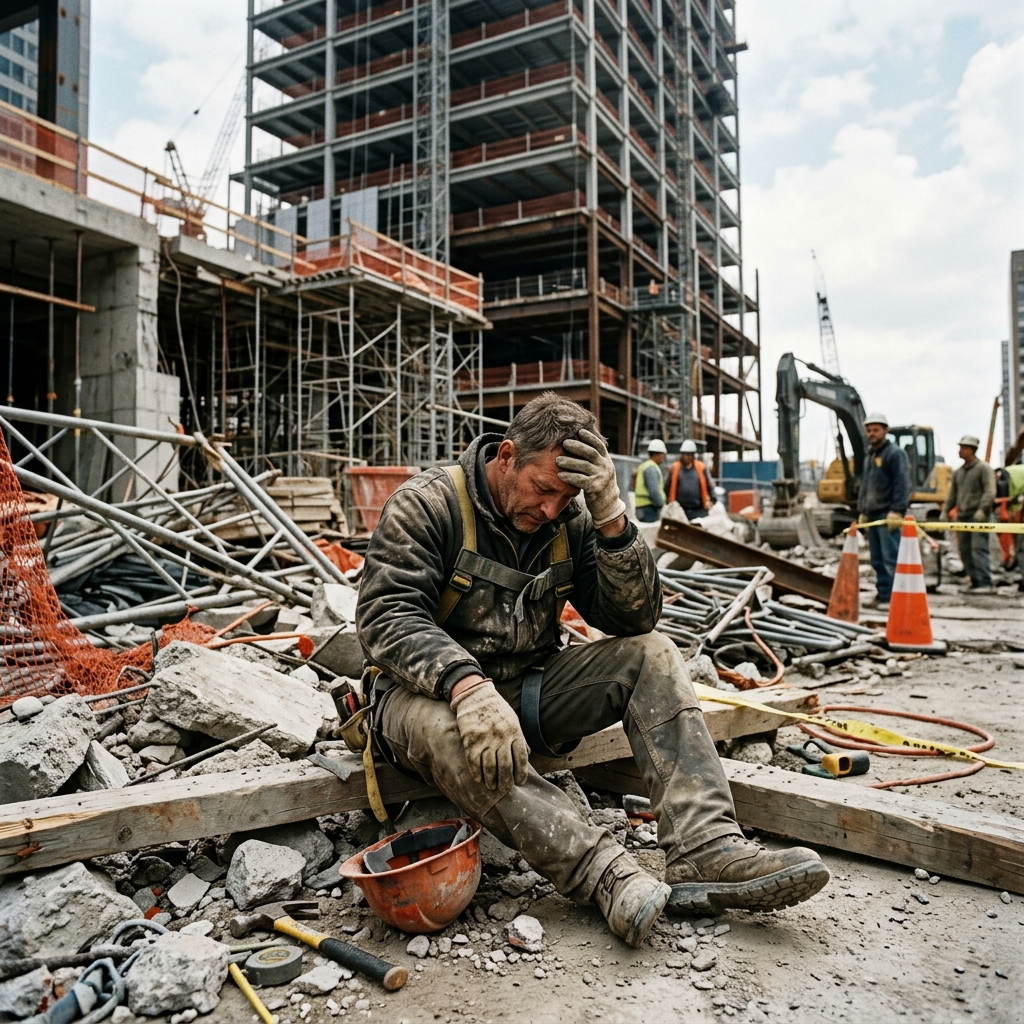
Construction sites are governed by detailed safety rules designed to prevent predictable and often devastating accidents. When those rules are ignored or only partially followed, workers, families, and employers can face life-changing consequences in the form of severe injuries, financial losses, and legal liability.
This article explains what construction safety regulations require, common ways they are violated, the real-world impact on workers, and how injured employees can pursue workers’ compensation and other legal remedies. It also offers practical guidance for employers and contractors on building a culture of compliance before someone gets hurt.
Why Construction Safety Rules Exist
Construction is widely recognized as a high-hazard industry that involves working at heights, operating heavy machinery, handling electricity, and managing complex workflows with multiple contractors on the same site.
In the United States, the Occupational Safety and Health Administration (OSHA) issues legally enforceable standards for construction under 29 CFR Part 1926, covering topics like fall protection, scaffolding, electrical safety, personal protective equipment (PPE), and hazard communication. These regulations exist for a simple reason: accidents on construction sites are often predictable and preventable when known hazards are properly controlled.
Key Objectives of Construction Safety Regulations
- Prevent fatal and serious injuries by requiring fall protection, machine guarding, safe scaffolding, and proper electrical safeguards.
- Standardize safety practices so that workers encounter consistent protections regardless of employer or project.
- Clarify legal responsibilities for owners, general contractors, and subcontractors in managing jobsite hazards.
- Promote training and hazard awareness from the first day of work through regular refresher sessions.
When a construction site adheres to these rules, serious incidents are less likely, and workers can focus on doing their jobs instead of worrying whether the next task will put them at risk.
Core Safety Requirements on Construction Sites
Although construction safety regulations are extensive, several core categories show up on nearly every jobsite. These are also the areas where violations most frequently occur.
1. Fall Protection and Working at Heights
Falls from elevation are consistently among the leading causes of death in construction. OSHA requires guardrails, safety nets, or personal fall arrest systems when workers are exposed to falls of six feet or more in many circumstances.
- Properly installed guardrails on scaffolds, platforms, and roof edges.
- Harnesses and lifelines when working on unprotected edges or steel structures.
- Safe ladder use, including inspection and secure placement.
- Protection from holes, openings, and unstable working surfaces.
Failing to provide fall protection is not only a regulatory violation; it often results in spinal injuries, traumatic brain injuries, and fatalities.
2. Scaffolding and Structural Safety
Scaffolds must be designed, erected, and inspected by competent personnel and capable of supporting intended loads safely.
- Level foundations and secure base plates.
- Complete decking without gaps or broken planks.
- Guardrails, midrails, and toe boards where required.
- Routine inspections, especially after storms or impact.
Improper scaffolding can lead to sudden collapse, dropping workers and materials onto those below.
3. Electrical Safety and Temporary Power
Construction sites rely heavily on temporary electrical systems, which carry heightened risk of shock and electrocution. OSHA requires the use of ground-fault circuit interrupters (GFCIs), proper grounding, and safe handling of cords, panels, and equipment.
- Use of GFCIs in wet or outdoor environments to prevent shock.
- Marking and isolating live conductors and energized parts.
- Lockout/tagout procedures during maintenance to prevent unexpected energization.
- Training workers to recognize electrical hazards and maintain safe distances.
4. Personal Protective Equipment (PPE)
Employers must assess jobsite hazards and provide appropriate PPE such as hard hats, safety glasses, gloves, high-visibility vests, hearing protection, and steel-toed or anti-slip boots.
OSHA standards require not only that PPE be supplied but that it be maintained in usable condition and accompanied by training on proper use.
5. Training, Communication, and Supervision
Effective safety programs start with training and clear communication. OSHA emphasizes that workers should receive adequate instruction on recognizing hazards, using equipment safely, and understanding emergency procedures.
- Site inductions when workers first arrive at a project.
- Toolbox talks or safety briefings focused on specific tasks and current risks.
- Written safety plans and easily understood signage.
- Competent supervision to enforce rules consistently.
Common Safety Violations and Their Consequences
Despite clear standards, non-compliance is still common. When safety rules are ignored, the result is often a predictable chain: hazardous conditions, accidents, injuries, and legal and financial consequences for everyone involved.
Frequent Violations on Construction Sites
- Missing or inadequate fall protection at roof edges or open-sided floors.
- Improperly constructed scaffolds or use of damaged components.
- Overloaded ladders or failure to secure them properly.
- Unprotected temporary wiring and lack of GFCIs in wet areas.
- Workers operating heavy equipment without proper training or authorization.
- Failure to conduct regular inspections and address worn or defective tools.
How Workers “Pay the Price”
When safety rules are broken, the burden falls hardest on the people physically present on the jobsite. Consequences for workers can include:
- Physical injuries ranging from fractures, burns, and lacerations to amputations and traumatic brain injuries.
- Long-term disability preventing a return to construction work, forcing career changes and reduced earning capacity.
- Emotional and psychological harm such as anxiety, depression, or post-traumatic stress after severe or fatal accidents.
- Financial strain from medical expenses, lost wages, and uncertainty about future employment.
- Impact on families who may need to take on caregiving roles and face loss of income.
Legal and Financial Consequences for Employers
Employers, owners, and contractors also face significant consequences when safety obligations are neglected.
| Type of Consequence | Example Impact on Employer |
|---|---|
| Regulatory penalties | OSHA and state agencies may issue citations and fines, which can be substantial for serious or repeat violations. |
| Workers’ compensation costs | Higher insurance premiums and payouts for medical care, wage replacement, and disability benefits. |
| Civil liability | Third-party lawsuits from injured workers or bystanders, especially when gross negligence is alleged. |
| Project disruptions | Stop-work orders, delays, reputational damage, and loss of future contracts. |
In many jurisdictions, contractors and site managers have explicit duties to ensure that safety regulations are followed and that work is planned and executed to minimize risks.
Workers’ Compensation: A Critical Safety Net
Even on well-managed sites, accidents can happen. Workers’ compensation systems are designed to provide prompt medical care and wage replacement to employees injured on the job, regardless of fault.
What Workers’ Compensation Typically Covers
- Medical treatment related to the work injury, including surgeries, rehabilitation, and medication.
- Temporary disability benefits when an injury prevents the worker from performing job duties for a period of time.
- Permanent disability benefits if the worker is left with lasting impairments affecting ability to work.
- Death benefits for dependents if a worker is killed as a result of jobsite injuries.
Because workers’ compensation is generally a no-fault system, an injured worker does not have to prove that an employer violated safety rules to receive benefits. However, safety violations can still be relevant to regulatory enforcement and potential lawsuits against third parties.
Interaction Between Safety Violations and Compensation Claims
When an accident occurs on a construction site where safety rules were ignored, several legal threads may run simultaneously:
- The injured worker files a workers’ compensation claim for medical and wage benefits.
- OSHA or a state safety agency investigates and may issue violations and fines.
- The worker may explore lawsuits against third parties such as equipment manufacturers, property owners, or other contractors whose negligence contributed to the incident.
Thorough documentation of training, inspections, PPE distribution, and hazard assessments can be important for employers in responding to these actions.
Who Is Responsible for Safety on the Site?
On a typical construction project, responsibility for safety is shared among multiple parties. Clear allocation of duties is essential to prevent dangerous gaps.
Primary Duty Holders
- Employers and contractors must provide a safe workplace, comply with OSHA and state regulations, and correct hazards.
- Supervisors and forepersons enforce day-to-day safety rules, conduct briefings, and stop unsafe work.
- Site owners or project managers often oversee broader safety policies, coordination among contractors, and overall risk management.
- Workers are expected to follow training, use PPE properly, report hazards, and avoid unauthorized use of equipment.
Regulators and courts frequently look at whether each of these parties fulfilled their legal obligations when evaluating liability after an accident.
Building a Culture of Safety Before an Accident Happens
Rules alone cannot prevent injuries if they are not consistently implemented. A proactive safety culture significantly reduces the likelihood that workers will suffer the consequences of ignored regulations.
Practical Steps for Employers and Contractors
- Conduct regular hazard assessments to identify risks arising from changing site conditions, weather, and evolving tasks.
- Schedule routine inspections of scaffolding, ladders, machinery, electrical systems, and PPE.
- Provide comprehensive training including initial orientation, task-specific instruction, and periodic refresher courses.
- Ensure competent supervision with authority and willingness to halt unsafe operations.
- Encourage hazard reporting so workers feel safe speaking up about dangerous conditions without retaliation.
- Prepare and practice emergency plans covering injuries, fires, weather events, and chemical spills.
These measures can reduce regulatory exposure and, more importantly, protect workers from preventable harm.
FAQs About Construction Safety and Workers’ Compensation
1. Do I still get workers’ compensation if I made a mistake?
In most cases, yes. Workers’ compensation is typically a no-fault system, meaning benefits are available even if a worker’s own error contributed to the accident. However, intentional misconduct or violations of clear company policies can affect claims in some jurisdictions.
2. Can I sue my employer for ignoring safety rules?
Workers’ compensation usually limits lawsuits against direct employers, but there may be exceptions, such as intentional harm or certain statutory violations. Injured workers may also have separate claims against property owners, equipment manufacturers, or other contractors involved in the incident. Legal advice from a qualified attorney is important to understand available options.
3. What should I do immediately after a construction site injury?
- Seek medical attention right away.
- Report the injury to your supervisor as soon as possible.
- Document what happened, including photos and names of witnesses if you can safely do so.
- Preserve any equipment or PPE involved in the incident.
- File a workers’ compensation claim according to your state’s procedures.
4. How can workers tell if a site is following safety regulations?
While workers may not know every technical standard, certain signs suggest strong compliance: regular safety meetings, visible PPE use, well-maintained scaffolds and ladders, clear signage, and supervisors who actively correct unsafe practices. Repeated shortcuts and missing protections are red flags.
5. What happens when OSHA investigates a construction accident?
OSHA may inspect the site, interview workers and supervisors, review training and inspection records, and evaluate whether applicable standards were followed. If violations are found, the agency can issue citations, require corrective actions, and impose penalties. These findings can influence future safety practices and, in some cases, related legal proceedings.
References
- Construction Industry — Occupational Safety and Health Administration (OSHA). 2024-01-05. https://www.osha.gov/construction
- Cal/OSHA Guidance for Construction Employers — California Department of Industrial Relations. 2023-06-15. https://www.dir.ca.gov/dosh/construction-guide-summary.html
- Navigating Compliance and Ensuring Worker Safety in Construction — National Association of Safety Professionals. 2023-03-20. https://www.naspweb.com/blog/construction-safety-regulations/
- Safety Regulations on Construction Sites — Artemis Law Group. 2023-11-10. https://artemislawapc.com/los-angeles/safety-regulations-legal-responsibilities-construction-sites/
- Cal/OSHA Construction Site Safety Rules — Associated Builders and Contractors Rocky Mountain Chapter. 2022-09-01. https://www.abcrmc.org/construction-site-safety-rules/
- Construction Worker Safety Guide — The Lanier Law Firm. 2023-02-14. https://www.lanierlawfirm.com/construction-worker-safety-guide/
Similar Articles








Read full bio of medha deb




